Assassin's Creed Hexe Loses Second Director in Two Months as Development Troubles Mount
In two months, Assassin's Creed Hexe has lost both its creative director and its game director. Benoit Richer departed Ubisoft in April 2026 to co-found indie studio Servo Games, following Clint...

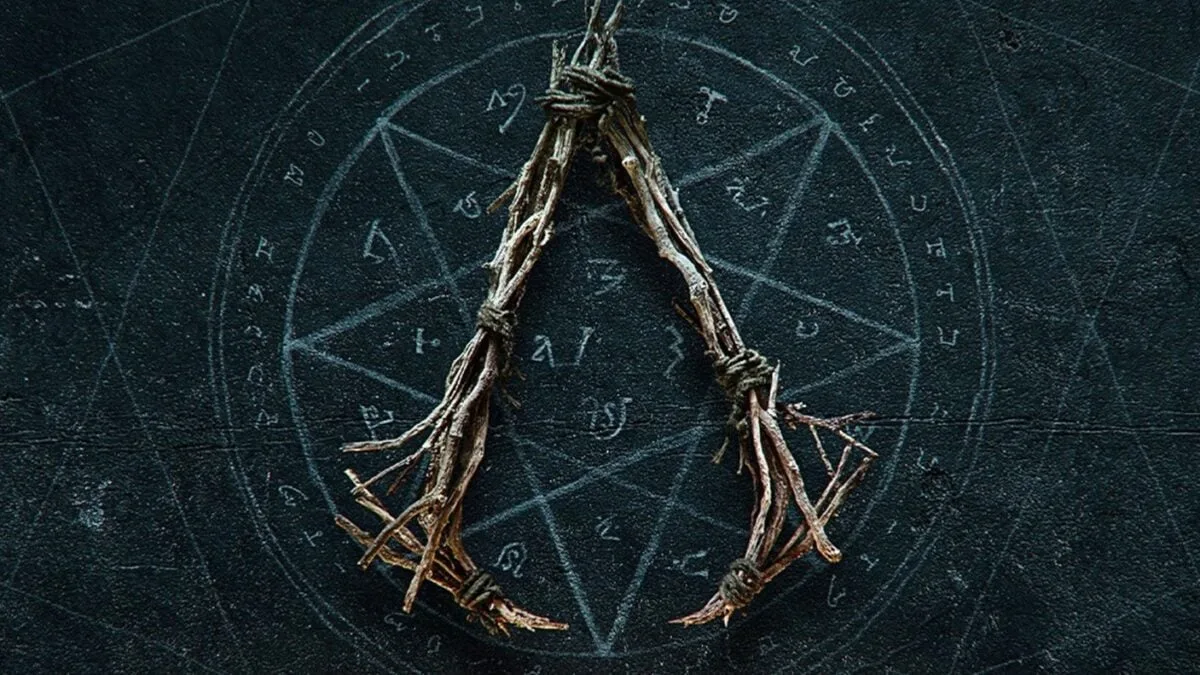
In two months, Assassin's Creed Hexe has lost both its creative director and its game director. Benoit Richer departed Ubisoft in April 2026 to co-found indie studio Servo Games, following Clint Hocking's exit at the end of February. As the game struggles to maintain its creative leadership, questions mount over whether the ambitious, horror-tinged entry can deliver on its promise by its rumored 2027 release window.
The Departures—Who Left and Why
Richer's exit marks a significant blow to a project already reeling from the loss of its primary architect. He joined Ubisoft in 2017 after directing Batman: Arkham Origins at Warner Bros. Montreal. During his tenure, he directed the VR thriller Transference and served as co-director on Assassin's Creed Valhalla, one of the franchise's most commercially successful entries. He now leaves to co-found Servo Games alongside other former Ubisoft employees, including Alex Drouin, Luc Tremblay, and Dany Marcoux.
Hocking's departure was equally consequential. A Ubisoft veteran known for his work on Splinter Cell, Far Cry 2, and Watch Dogs Legion, Hocking had been the creative force behind Hexe's unique vision. His exit at the end of February 2026 left the project without its primary architect.
As of April 25, 2026, no replacement for Richer's game director role has been announced. Ubisoft's official statement attempted to reassure stakeholders: "We sincerely thank [Clint] for his vision, creative contributions, and dedication over the years… Development on Assassin's Creed Codename Hexe continues with a seasoned team."
Industry analyst Jane Smith of GameInsights noted, "Losing two directors in two months is almost unprecedented for a flagship title. It suggests deeper issues than just individual departures."
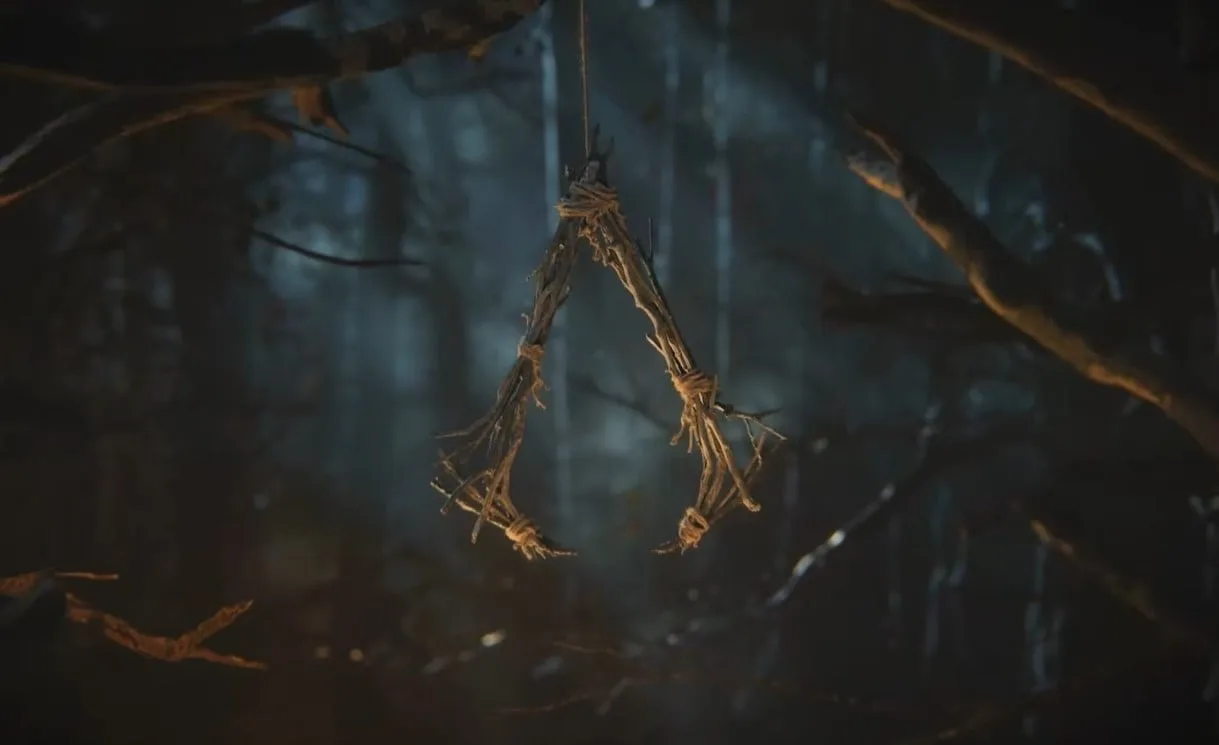
What Hexe Is Supposed to Be—and Why It Matters
Hexe was announced in September 2022 as part of the Assassin's Creed Infinity platform, a hub designed to host multiple future entries in the franchise. The game is set during the "latter stages of the Holy Roman Empire," with a focus on 16th-century witch trials in Europe—a period rife with paranoia, persecution, and supernatural undertones.
What makes Hexe particularly intriguing is its tonal shift. New creative lead Jean Guesdon, who replaced Hocking, described the project as "a unique, darker, narrative driven Assassin's Creed experience, set during a pivotal moment in history." Reports suggest the game will incorporate elements of horror and witchcraft, moving away from the series' typical historical realism toward a more atmospheric, unsettling approach.
This departure from convention represents a significant gamble for Ubisoft. The franchise has spent years building a reputation for historical accuracy and grounded storytelling, even as it embraced RPG mechanics in titles like Origins, Odyssey, and Valhalla. A horror-tinged Assassin's Creed could either revitalize the series or alienate its core audience.
Yet the game's release is not expected until 2027, meaning it will have been four years since its announcement with minimal public updates. For context, Ubisoft's major Assassin's Creed title for 2026 is Assassin's Creed Black Flag Resynched, a remake developed by the Skull & Bones studio. The contrast between a safe remake and an experimental new entry highlights the high stakes surrounding Hexe.
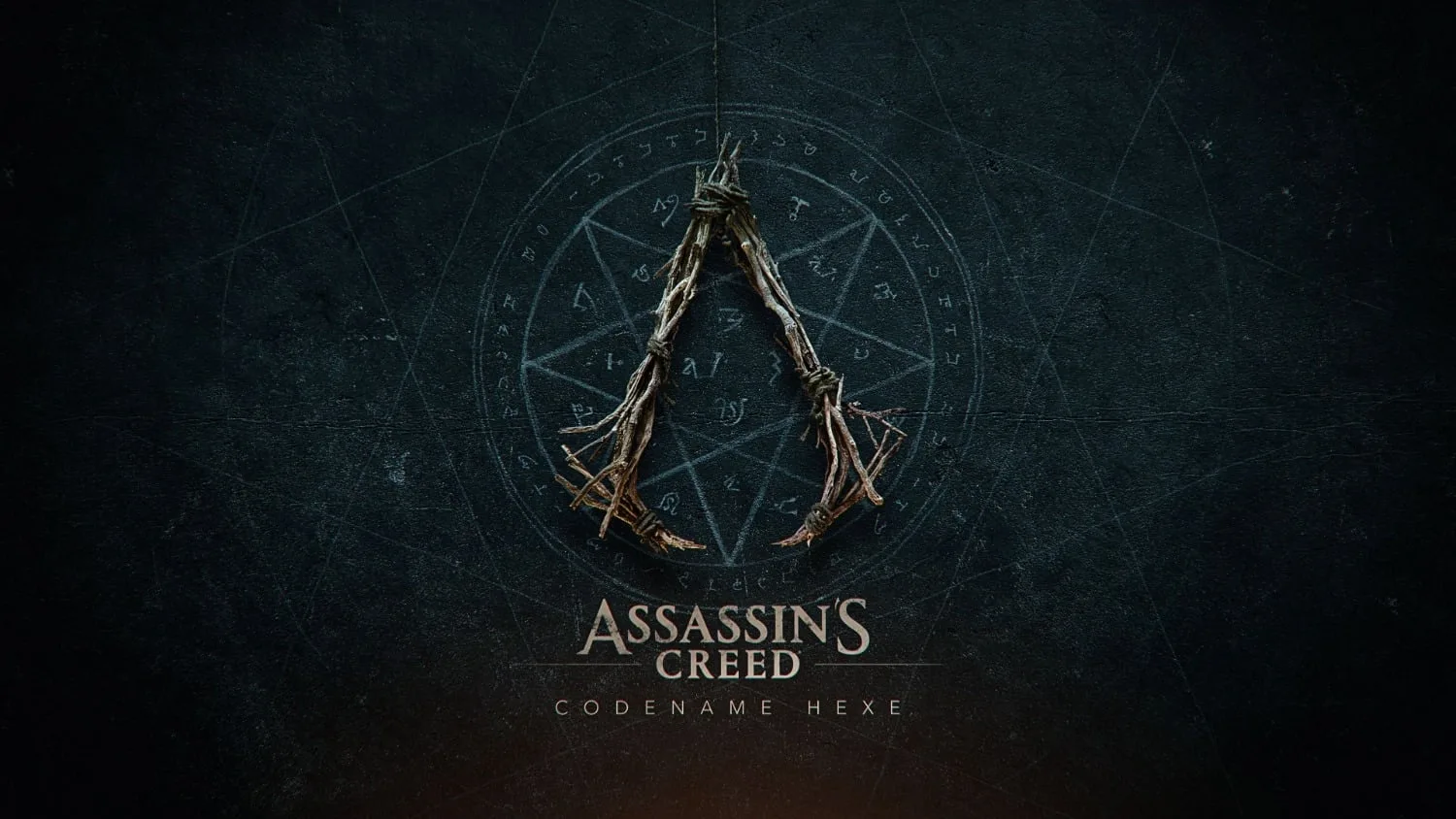
Red Flags and the Bigger Picture at Ubisoft
The most immediate red flag is the lack of a replacement for Richer's game director role. Without a clear leader in place, the project risks scope creep or vision drift—a concern amplified by Ubisoft's broader instability. The company has recently conducted layoffs and game cancellations, including the Prince of Persia: The Sands of Time Remake. Former franchise producer Marc-Alexis Côté is currently suing Ubisoft over an alleged "forced firing," adding legal turmoil to the company's operational challenges.
Jean Guesdon's reassignment as Head of Content for the Assassin's Creed franchise, following his work as director of Black Flag and Origins, has done little to quell speculation. His statement that the team is "taking the time to deliver on its ambitious vision" reads as a defensive posture, especially given that no replacement for Richer has been announced.
Meanwhile, the multiplayer-focused Codename Invictus is reportedly "progressing steadily with a test and learn approach," per Guesdon. The contrast between Invictus's apparent progress and Hexe's silence is striking.
What Comes Next for Hexe and the Franchise
The leadership vacuum at Hexe is a pressing concern. Without a clear game director, the project risks losing its creative focus. The 2027 release window gives Ubisoft time, but it also raises questions about internal confidence. Could Hexe be delayed further, or even restructured?
Comparing Hexe to other troubled Ubisoft projects is instructive. Skull & Bones spent years in development hell before finally launching to a lukewarm reception. Beyond Good & Evil 2 remains in limbo, its release date uncertain. These precedents suggest that Ubisoft's track record with ambitious, unconventional projects is mixed at best.
The importance of Hexe as a tonal experiment for the franchise cannot be overstated. If it succeeds, it could open the door to more diverse, genre-blending entries in the Assassin's Creed universe. If it fails, it may signal that the series is better served by sticking to its historical action-adventure roots—and that Ubisoft's internal struggles are too deep to overcome.
If Hexe fails to ship by 2027—or ships as a shadow of its original vision—it won't just be a setback for one game. It will be a referendum on whether Ubisoft can still execute ambitious, unconventional ideas. And the silence from Montreal is deafening.