Sony’s Surprise DRM Check for Digital PS4 and PS5 Games Sparks Fears Over Ownership and Always-Online Futures
The DRM Discovery – What We Know So Far The controversy began when the YouTube channel Modded Hardware posted a video on April 24 showing PS4 digital games on firmware 13.50 displaying PlayStation...

The DRM Discovery – What We Know So Far
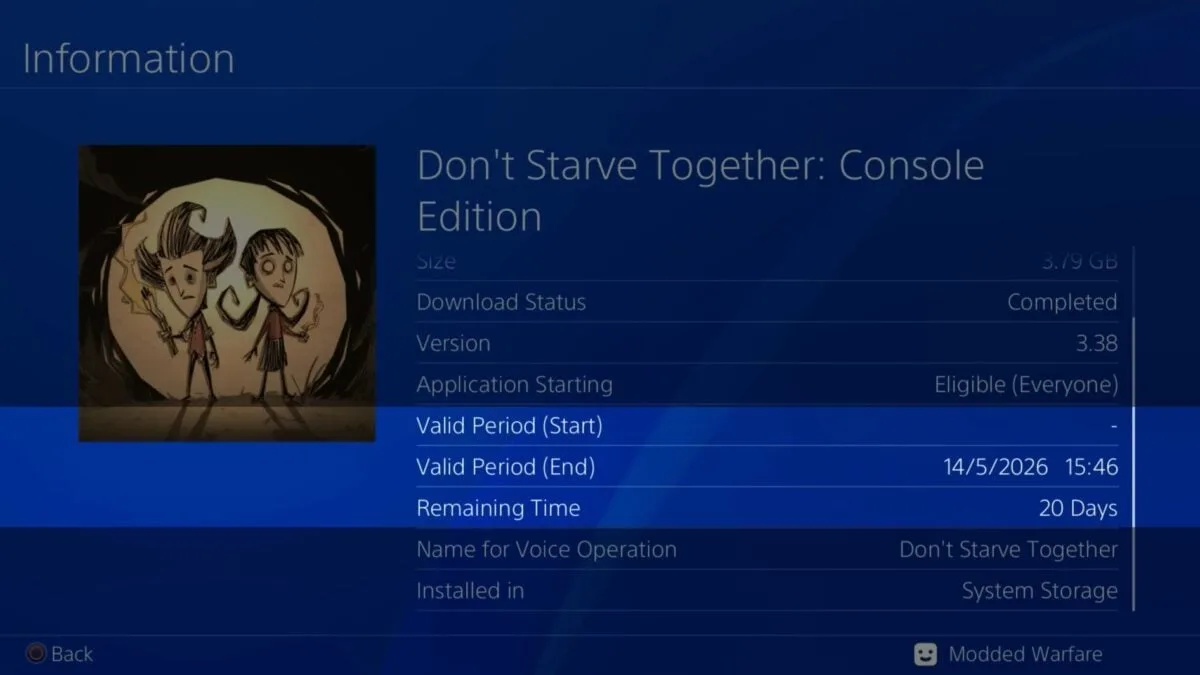
The controversy began when the YouTube channel Modded Hardware posted a video on April 24 showing PS4 digital games on firmware 13.50 displaying PlayStation Plus-style expiry dates—a feature typically reserved for subscription titles. The video, which quickly went viral, indicated a new license validation system had been quietly implemented. Lance McDonald, a well-known PlayStation modder and data miner, amplified the story on X (formerly Twitter), stating that licenses are removed if consoles aren't connected to the internet for 30 days. "This isn't a UI glitch," McDonald wrote. "It's a fundamental change to how license validation works on PS4 and PS5."
The DoesItPlay community—a group dedicated to testing game preservation and DRM—quickly replicated the issue on PS4. They confirmed that a 30-day validation countdown now applies to new PSN purchases made from March 2026 onward. While no direct evidence has emerged for PS5 impact, multiple sources claim both consoles are affected. Kotaku reported that they could not independently confirm whether games fail to boot after the timer expires, but the pattern is consistent across testers. Sony has not yet commented on the reports, leaving the community to speculate.

Beyond a UI Bug – Real Consequences for Offline Play
As the story gained traction, DoesItPlay playtester desgamesyt provided a critical update on April 25 that dismantled any notion of a harmless visual glitch. In a series of tests, desgamesyt demonstrated that after the CMOS battery dies—a common occurrence in aging consoles—digital games purchased after March become unplayable, even on a primary console. The test was performed using Super Meat Boy Forever on PS4, a title that previously worked offline without issue. "The timer is real," desgamesyt stated. "We tried activating the console as primary, but the DRM cannot be bypassed using that feature."
This finding suggests a fundamental shift in how Sony validates ownership. Traditionally, the "Activate as Primary" feature allowed a console to play digital games offline indefinitely, as long as the hardware was registered. The new system appears to require a persistent internet connection for long-term access to digital libraries, effectively rendering older consoles—or those without reliable internet—unable to play newer purchases. For a community that has long valued offline play, this is a stark warning.
Insider Claims of an Unintentional Bug – But Is It Reassuring?
In a surprising development, DoesItPlay cited an anonymous insider claiming the DRM update was "unintentional." According to the source, "Sony accidentally broke something while fixing an exploit." The same insider stated that Sony is aware of the confusing UI but does not see it as urgent, and that an official announcement is expected soon. MP1st has contacted PlayStation for comment and will update when a response is received.
Despite the "bug" claim, the community remains skeptical—and for good reason. The timing of the change—coinciding with a major firmware update—and the technical nature of the DRM implementation suggest more than a mere oversight. "An accidental DRM system that requires 30-day check-ins?" one Reddit user posted. "That's like accidentally adding a second floor to your house. It doesn't happen by accident." The lack of an immediate response from Sony has only fueled distrust, with many wondering if the company is testing the waters for a more permanent shift.
The Bigger Picture – Digital Ownership, Game Preservation, and the Xbox One Precedent
The DRM issue has intensified a long-running debate over digital ownership. Gamers argue that DRM means they only own a revocable license, not the game itself—a distinction that becomes painfully clear when the servers go down. This controversy is cited as a factor driving increased demand for physical media among gaming fans. "I'm buying physical copies of everything now," one X user wrote. "Digital is just a rental with extra steps."
The incident also raises serious questions about game preservation. The DoesItPlay community has long warned that DRM poses a threat to gaming history, and this incident only reinforces their concerns. As consoles age and servers eventually shut down, digital libraries could become inaccessible—a scenario that preservationists have been warning about for years. "If Sony can require a 30-day check-in without warning," one preservation advocate noted, "what happens when the servers for the PS4 and PS5 are eventually retired? Entire libraries of games could vanish overnight."
The parallels to Microsoft's disastrous Xbox One reveal in 2013 are uncomfortable. At that time, Microsoft proposed a system requiring an online check-in every 24 hours to verify game licenses—a plan that was met with such fierce backlash that the company reversed course. Sony now finds itself in a similar position, testing a system that, while less aggressive, still represents a significant erosion of offline access. The question is whether the community's response will be enough to force a similar reversal.

What This Means for Players – Practical Steps and What to Expect
For players concerned about their digital libraries, several practical steps are worth considering:
- Check your firmware version: If your PS4 or PS5 is running firmware 13.50 or later, you may be affected by the new DRM system.
- Avoid purchasing digital games released from March 2026 onward until Sony provides clarification on the issue.
- Consider physical copies for new releases, as physical media currently does not require online check-ins for offline play.
- Back up your saves and consider archiving any digital games you've purchased before March 2026, as these may remain unaffected.
- Stay informed: MP1st will update this article as soon as Sony responds to our request for comment.
What's Next
The PlayStation community is now waiting for Sony's official statement, which the anonymous insider claims is imminent. MP1st has reached out to PlayStation for comment and will provide updates as soon as a response is received. In the meantime, we invite readers to share their experiences with the new DRM system—whether you've encountered the expiry date bug, tested the offline functionality, or have concerns about your digital library. Your stories will help paint a fuller picture of this developing situation.
Conclusion
As the PlayStation community waits for Sony's official statement, the surprise DRM issue has already ignited a critical conversation about what it truly means to own a digital game. Whether this is an accidental bug or a deliberate step toward tighter license control, the incident underscores a growing tension between convenience and consumer rights. For now, players are left with a stark reminder: in the digital age, your library is only as permanent as the company's next server check. The question isn't whether this was a bug—it's whether Sony will treat it as one.
Tags: PlayStation DRM, digital ownership, PS4 PS5 firmware update, always-online gaming, physical media demand