Xbox's New Era: What Phil Spencer's Retirement and Asha Sharma's Leadership Mean for the Future of Gaming
In a single, dizzying week, the video game industry’s tectonic plates shifted twice. First, Microsoft itself delivered a gut-punch, finalizing the closure of acclaimed studios like Tango Gameworks as...

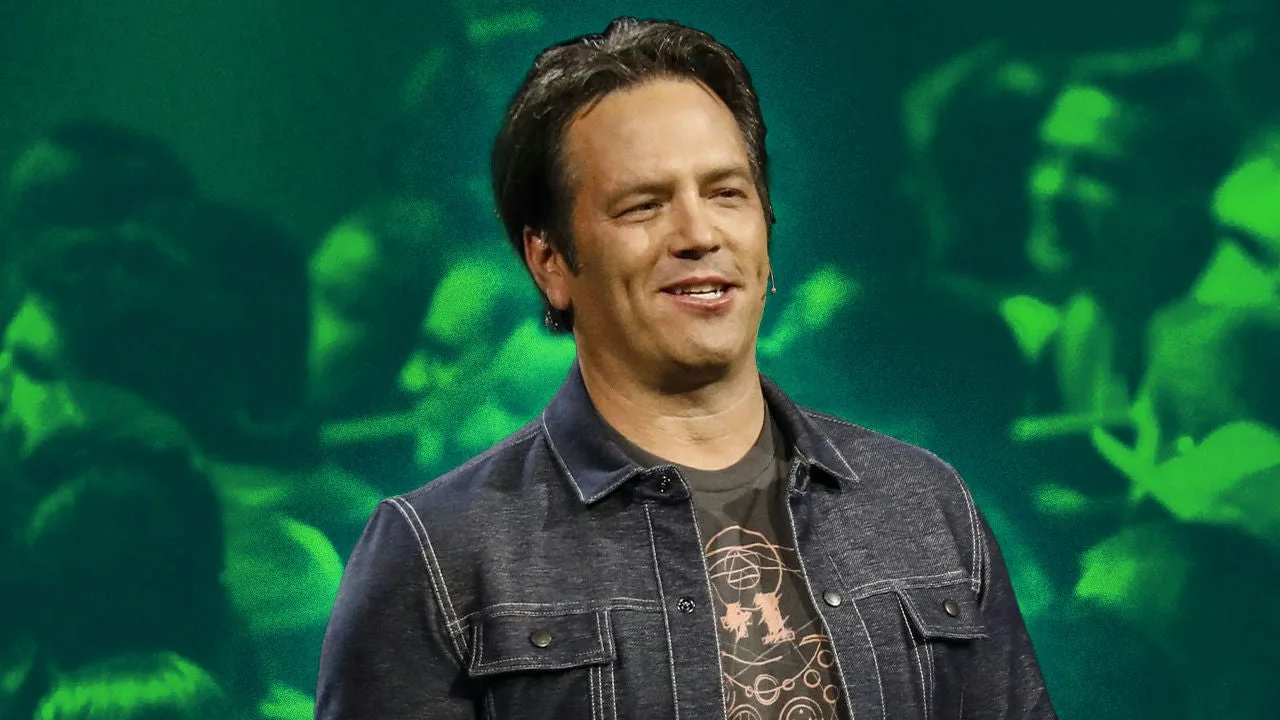
In a single, dizzying week, the video game industry’s tectonic plates shifted twice. First, Microsoft itself delivered a gut-punch, finalizing the closure of acclaimed studios like Tango Gameworks as part of a broader consolidation. Before the dust could settle, the company delivered a shockwave of its own, one that may redefine the next decade of gaming. On February 21, 2026, Microsoft announced a historic leadership transition: the retirement of Phil Spencer, the CEO of Microsoft Gaming, and the concurrent resignation of Xbox President Sarah Bond.
This is far more than personnel news. It is the definitive, orchestrated end of an era. Spencer’s 39-year tenure at Microsoft, culminating in over a decade steering the Xbox brand, defined a generation of players through Game Pass, blockbuster acquisitions, and a vision of gaming beyond the console box. His departure, alongside Bond’s, marks a clean break. The central question now hangs over an industry in flux: With new, AI-focused leadership at the helm and a corporate strategy openly “being relitigated,” what is the future of Xbox, its games, and its players?
The End of the Spencer Era: A Planned Exit and Its Immediate Aftermath
The official announcement framed the dual departure of Spencer and Bond as a coordinated, planned transition. Spencer, who stated he was not fired, leaves after a tenure that saw Xbox navigate its most transformative period. His legacy is built on pillars that reshaped the industry: the creation and cultivation of Xbox Game Pass, the landmark acquisitions of Bethesda and Activision Blizzard, and a strategic pivot that prioritized a gaming ecosystem over pure console sales dominance.
The timing, however, is impossible to ignore. Coming directly on the heels of Microsoft's own studio consolidations, it amplifies a sense of industry-wide recalibration. For Xbox, the transition also follows a period of significant challenges that have tested Spencer’s vision. A price hike for Game Pass Ultimate to $29.99 per month, the mixed reception of recent Xbox hardware, and the controversial but strategic decision to bring first-party exclusives to PlayStation and Nintendo platforms have all sparked intense debate within the community. Spencer’s exit provides a natural punctuation mark, allowing a new leadership team to assess these initiatives with fresh eyes.
Meet the New Boss: Asha Sharma's Vision and the AI-Powered Pivot
Stepping into this pivotal role is Asha Sharma, formerly the President of CoreAI Product at Microsoft. Her appointment signals a profound shift in priorities. Sharma’s extensive background is in artificial intelligence and platform development, not in game development or publishing. This marks a stark departure from the game-industry-veteran lineage of her predecessor.
In her initial statements, Sharma has walked a careful line. She has publicly committed to “great games” and “the return of Xbox,” even forcefully rejecting the notion that her team would “chase short-term efficiency or flood our ecosystem with soulless AI slop.” Yet, in the same breath, she confirmed the core issue: the Xbox strategy is “being relitigated.” Her appointment is a direct reflection of Microsoft’s overarching corporate direction under CEO Satya Nadella, who has committed over $80 billion to AI infrastructure. In a company where the Cloud and AI segment generates $106 billion in revenue—dwarfing gaming’s substantial $24 billion—Sharma’s expertise aligns with Nadella’s biggest bets.

Strategy in the Crucible: What's "Being Relitigated"?
The phrase “being relitigated” is a corporate euphemism that sends tremors through fan communities. It puts every major Spencer-era initiative on the table for re-evaluation. Is the “every screen is an Xbox” vision, which expanded to PC and cloud, due for a revision? What about the cornerstone promise of day-one releases on Game Pass, a model with immense player goodwill but significant financial pressure?
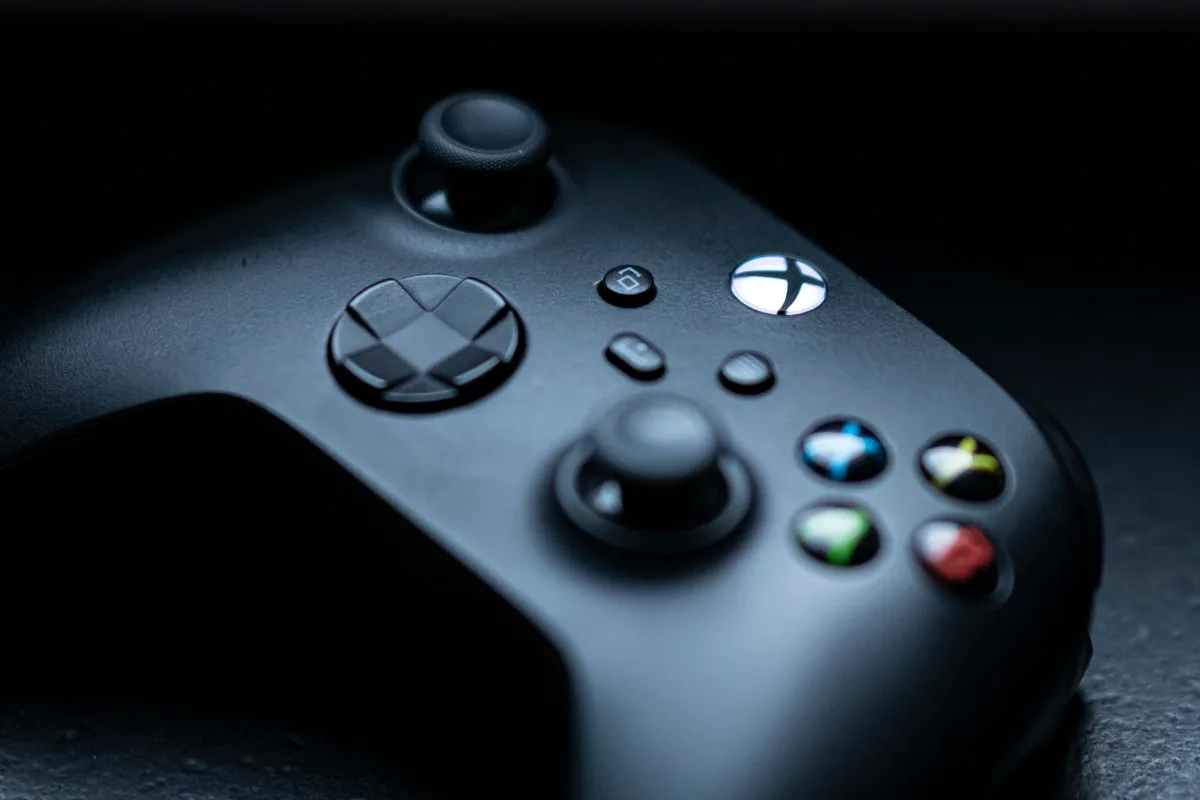
Microsoft has moved quickly to confirm some anchors. Development continues on the next-generation Xbox console, codenamed Project Helix, promised to “play your Xbox and PC games.” The commitment to the company’s nearly 40 studios and its reach to over 500 million monthly active players remains. Yet, the open questions are massive. Will the multi-platform publishing strategy accelerate, turning Xbox into a software-centric publisher akin to Sega? Conversely, could there be a renewed, sharpened focus on creating exclusive, system-selling hardware and software to reclaim definitive market leadership?
Analysts suggest the most plausible outcomes now range from a full "Sega-like" pivot to third-party publishing, to a "hybrid model" where only certain legacy franchises go multi-platform, to a "hard reset" focused on a powerful, AI-integrated next-gen console designed to deliver true exclusives. Sharma’s early decisions on studio portfolios, Game Pass structure, and hardware roadmaps will answer these questions definitively.
The Stakes: Gaming's Role in a $282 Billion AI Giant
This transition must be viewed through the lens of sheer financial scale. Microsoft Gaming is a $24 billion business—a titan in its own right. But it operates within a $282 billion corporation where the Azure cloud platform alone generates over $75 billion. The central tension for the new leadership is clear: How does a division now led by an AI expert balance Nadella’s stated belief that “Xbox at its best lifts the entire company” with the fundamental, ground-level need to deliver pure gaming wins that excite players?
Is this a pivot toward seamlessly AI-infused gaming experiences, leveraging Microsoft’s vast resources to create new genres and tools? Or does it risk a gradual streamlining of Xbox, integrating it more deeply as a service layer within Microsoft’s larger AI and cloud tech stack? The community’s fear, however unfounded by Sharma’s assurances, is that gaming’s cultural soul could be secondary to its utility as a proving ground for AI or a subscriber base for Azure.
The retirement of Phil Spencer and the rise of Asha Sharma represent a fundamental inflection point for Xbox. This is not a simple changing of the guard; it is a potential recalibration of the brand’s very DNA, from a game-centric entity to a potential flagship for Microsoft’s AI ambitions within entertainment. The coming months will be critical. Sharma’s first major decisions regarding studio directions, the future of Game Pass, and the final shape of Project Helix will signal whether this is a pragmatic evolution of Spencer’s expansive vision or the beginning of a true revolution. For millions of players, the promised return to “great games” is now in the hands of a leader from a very different world. The ultimate question Sharma must answer is not about technology, but identity: Will Xbox be a game company that uses AI, or an AI company that makes games?