Xbox's Console Recommitment: What It Means for the "Everything is an Xbox" Future
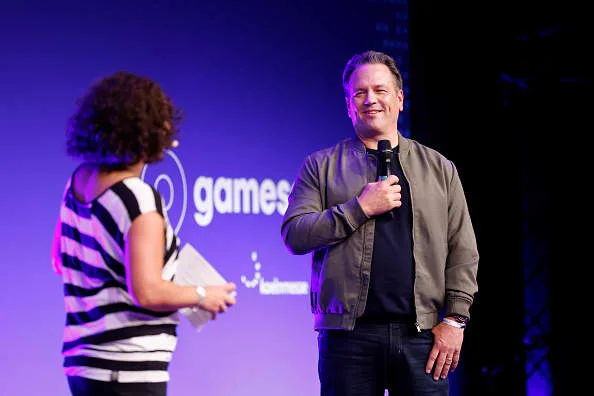
For years, Xbox's mantra was clear: the future was not a box under your TV. The "everything is an Xbox" vision championed by Phil Spencer de-emphasized the console in favor of an ecosystem spanning...

For years, Xbox's mantra was clear: the future was not a box under your TV. The "everything is an Xbox" vision championed by Phil Spencer de-emphasized the console in favor of an ecosystem spanning PC, cloud, and mobile, with Game Pass at its center. Now, new CEO Asha Sharma has declared a "renewed commitment to Xbox starting with console." This sudden pivot, following a reported 32% slump in hardware sales, creates a striking contradiction. Is this a genuine strategic U-turn back to hardware, or a critical recalibration of the existing "play anywhere" philosophy? The answer will define Xbox's next decade.
The "Everything is an Xbox" Era: A Strategy in Review
To understand the recommitment, we must first examine the strategy it seeks to adjust. The previous playbook had several core tenets: elevating Xbox Game Pass as a "Netflix for games," enabling "play anywhere" across devices, and breaking traditional exclusivity by bringing first-party titles like Starfield to Steam day-one.
The business drivers were clear: chase subscriber growth over unit sales, expand the total addressable market beyond console owners, and offer an alternative to Sony and Nintendo's walled gardens. For a time, it was a disruptive and popular vision.
However, challenges emerged. Reports suggested Game Pass subscriber growth had potentially plateaued, failing to hit ambitious targets. Simultaneously, de-emphasizing the console appeared to contribute to brand ambiguity. If everything is an Xbox, what exactly is an Xbox? The hardware sales slump suggested core gamers were receiving mixed signals.
Decoding the "Recommitment": New Leadership & New Messaging
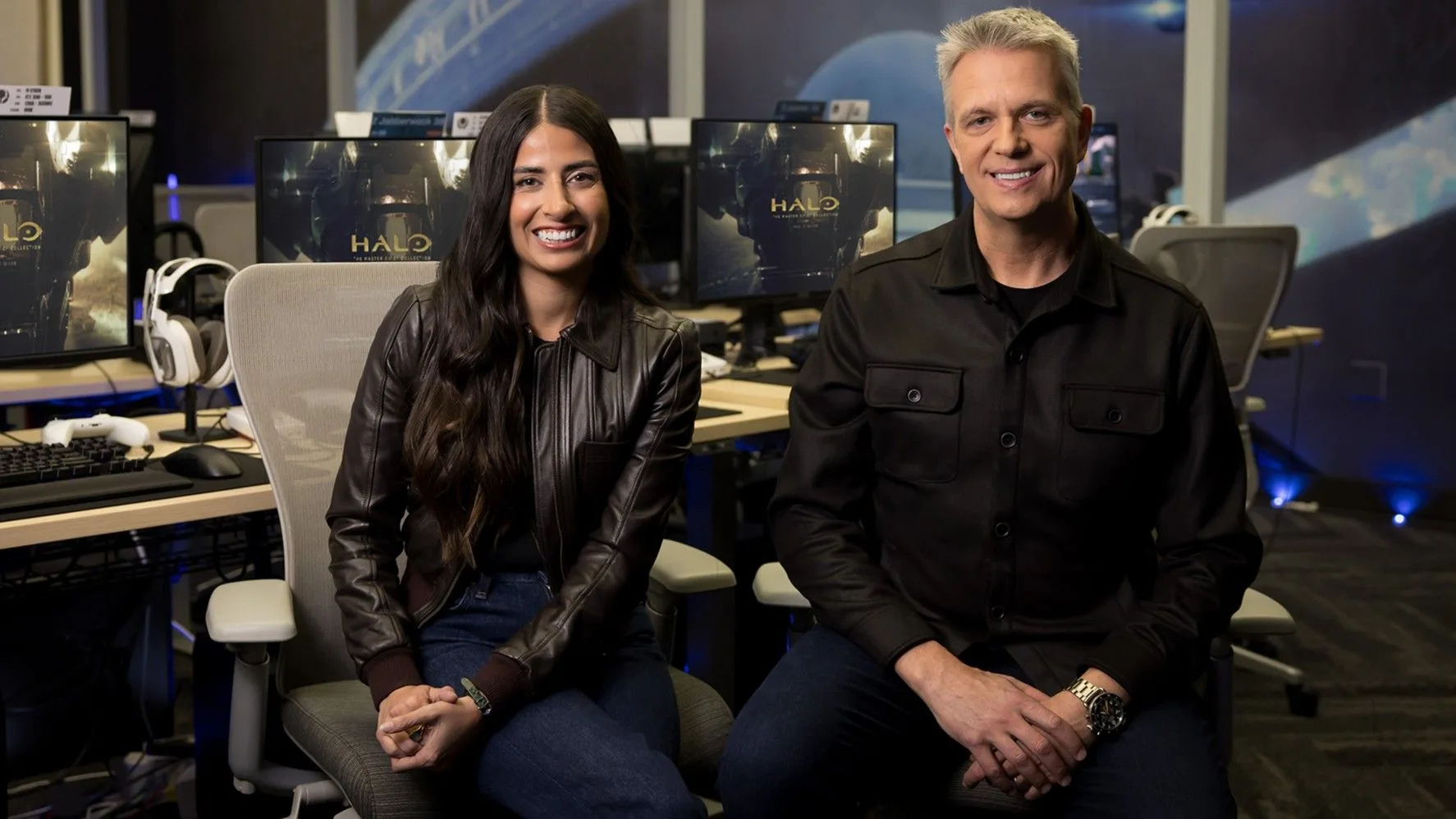
The appointment of Asha Sharma, a former AI executive, symbolizes a new chapter. Her initial messaging, however, has been squarely focused on foundational hardware. Her key statement promises to "celebrate our roots with a renewed commitment to Xbox starting with console" while simultaneously pledging to "expand across PC, mobile and cloud."
This dual promise is critical. It is not an abandonment of the ecosystem model but a re-centering of the console within it. The company has also directly addressed market anxieties, publicly denying rumors of a digital-only future and vowing not to "flood our ecosystem with soulless AI slop."
The central question remains: Is this a fundamental strategic shift, or is it primarily executive reassurance to a concerned fanbase? The details of the next-generation hardware provide the clearest answer.
The Next-Gen Blueprint: Console as a "Premium" Hybrid PC
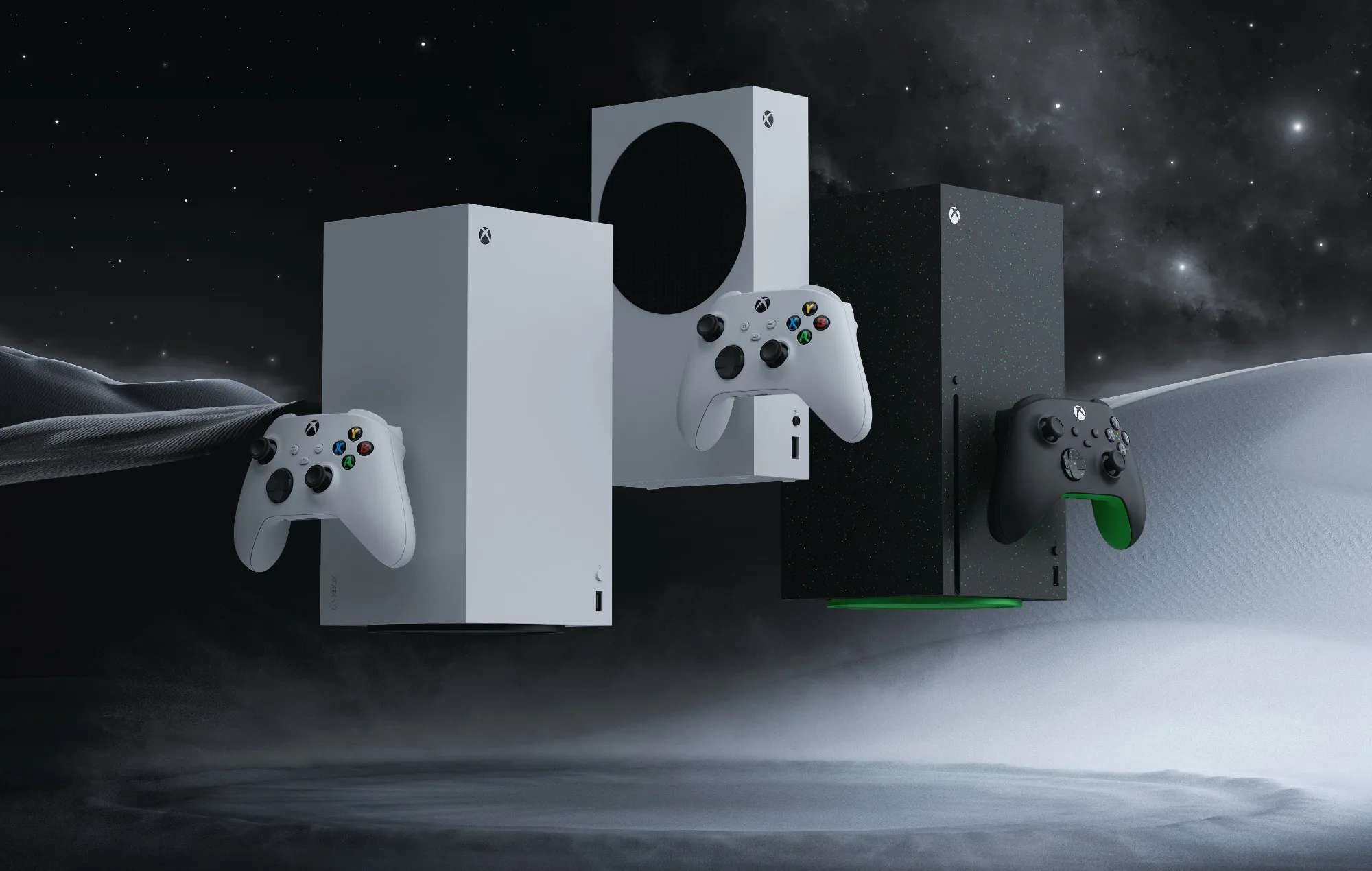
The contours of "Gen-10," the next Xbox console, reveal a hardware ambition that redefines the concept of a console. Described internally as a hybrid device, it is being engineered as a Windows 11 gaming PC with a TV-optimized console interface. This technical foundation means it will natively support PC storefronts like Steam and the Epic Games Store, breaking down the final wall between console and PC ecosystems from a hardware perspective.
Its positioning is unequivocally high-end. Insiders describe it as a "very premium, very high-end curated experience," with cost estimates soaring to a potential $1,200—far above current console market norms. This is not a mass-market box; it's a flagship device.
Key promises include full backward compatibility with existing Xbox libraries and experiences "enhanced with the power of AI." Microsoft also expects cross-generation support with the current Xbox Series S|X to last "even longer than the last time," ensuring a soft transition for its existing install base.
This blueprint positions the console not as a mere access point, but as the most powerful, curated hub in the Xbox universe.

A Broader Hardware Ecosystem: Consoles, Handhelds, and Partners
The recommitment to a first-party console exists within a much broader, more permissive hardware vision. Microsoft's strategy now explicitly includes an OEM partner model, allowing companies like ASUS or Lenovo to build licensed "Xbox" hardware. This expands the definition of an Xbox device far beyond Redmond's own design labs.
This ecosystem approach is already in motion. The 2025 collaboration with ASUS on the ROG Ally X handheld was reportedly a feedback-gathering exercise, informing the design of both a potential first-party Xbox handheld and the next-gen console itself.
The refined strategy becomes clear: "Xbox" as a platform and experience that lives on various devices—partner handhelds, PCs, cloud sticks—with the first-party console sitting at the apex as the premium, guaranteed experience. The recommitment strengthens the flagship, which in turn strengthens the brand for the broader ecosystem.
Unresolved Questions and Strategic Implications
Despite the clearer hardware roadmap, significant uncertainties linger. The most immediate is timing. A 2027 release is considered the internal "best case scenario," but Microsoft was reportedly "a little taken off-guard" by a partner's public confirmation, indicating fluidity. The "very premium" price point also raises questions about market adoption and the potential need for a more affordable SKU.
More profound strategic questions hover over the software and services side. Does the recommitment language hint at a de-emphasis of the all-in Game Pass strategy? With reported subscriber growth challenges, could we see adjustments to pricing, day-one release policies, or a renewed focus on full-price, premium software sales to justify high-end hardware?
Furthermore, the balance between console exclusivity and multi-platform releases for first-party titles remains a delicate calculus. Will certain "premium" experiences be reserved for the flagship hardware?
The broader industry implication is profound. Microsoft appears to be attempting a difficult dual maneuver: reassuring its core console audience with powerful, tangible hardware while simultaneously redefining that very hardware as an open, PC-hybrid device.
Xbox's "recommitment" is less a dramatic U-turn and more a strategic refinement. The core "play anywhere" philosophy remains intact, but the console is being aggressively repositioned as the flagship, premium experience within that ecosystem.
The future "Xbox" will likely be a dual identity: a specific, high-end piece of first-party hardware, and a platform that lives on a constellation of other devices. The success of each depends on the other. Microsoft's greatest challenge in the coming years will not be engineering this hybrid future, but communicating its dual identity clearly enough to win back a market it risked confusing.
The era of "everything is an Xbox" is evolving. The new test is whether gamers will embrace a premium-priced console that is also a PC, or if this hybrid vision risks satisfying neither audience. The next generation hangs in the balance.