Xbox's AI-Powered Future: How Next-Gen Consoles Could Automatically Capture Your Best Gaming Moments
The "Highlight Reels" AI: Your Personal Gaming Director At the heart of these next-gen rumors is a feature that could fundamentally change how players interact with and share their gameplay....

The "Highlight Reels" AI: Your Personal Gaming Director
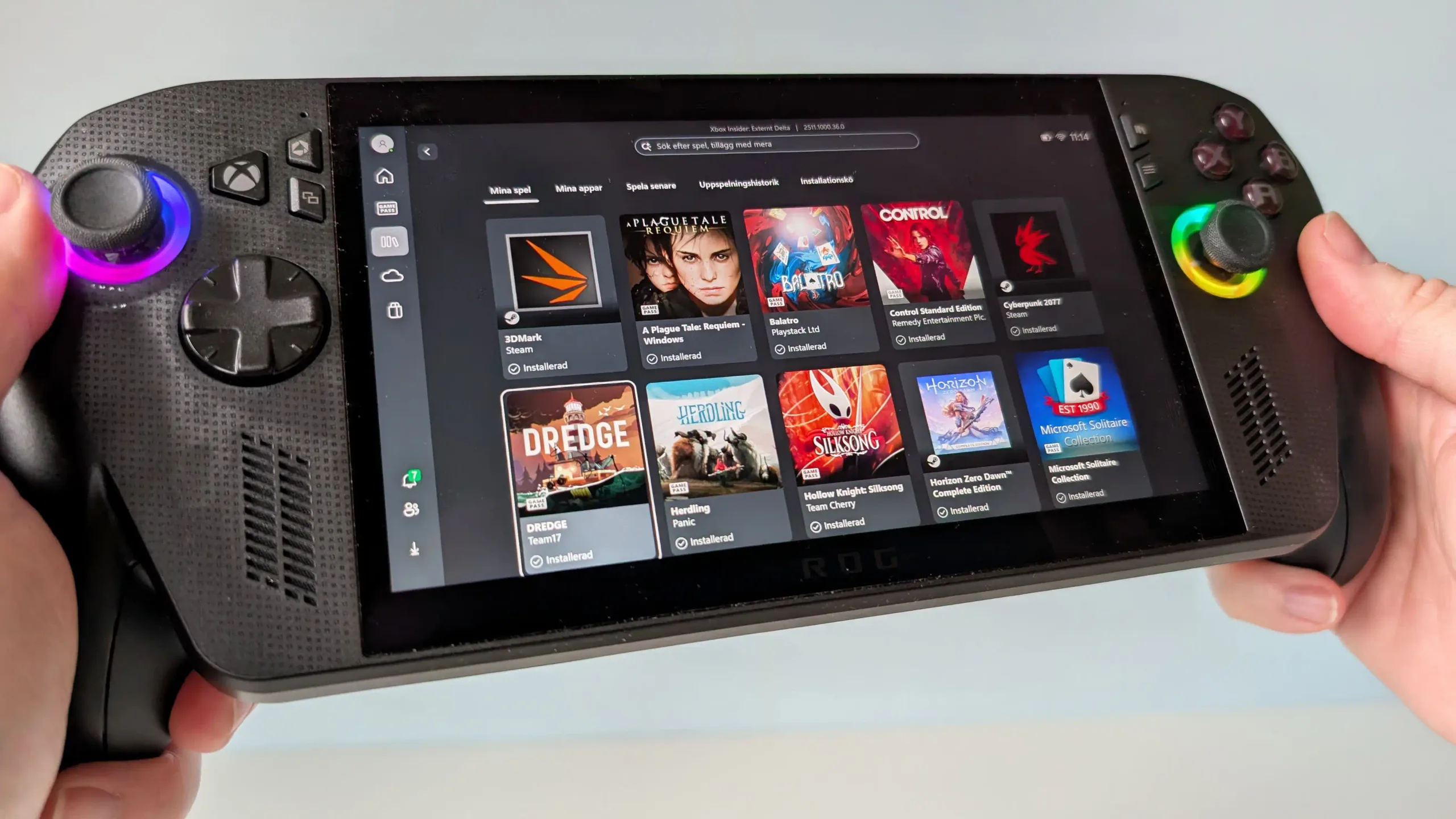
At the heart of these next-gen rumors is a feature that could fundamentally change how players interact with and share their gameplay. Codenamed "Highlight Reels," this system is reportedly designed to function as an automatic, intelligent gameplay capture tool. Its core function is to identify significant moments—like an incredible sniper shot, a last-second victory, or a perfect racing line—and save them without any manual input from the player.
Currently, the technology is being tested on early software for the Asus ROG Ally handheld, a Windows-based gaming device. The ambition, however, is for universal game compatibility. Reports indicate testing across diverse titles, including the fast-paced combat of Fortnite and Overwatch, the open-world racing of Forza Horizon 5, the survival-crafting of Palworld, and the strategic depth of Dota 2. This broad scope suggests Microsoft aims to build a system-agnostic tool, not one locked to first-party titles.
The technical foundation is key to its potential. The feature is designed to leverage on-device hardware, processing gameplay data locally. This approach ensures low latency—crucial for real-time recognition—and broad application. Looking ahead, the proliferation of Neural Processing Units (NPUs) in future devices, including the rumored next Xbox, would provide dedicated silicon to power such AI tasks efficiently, making seamless background operation a reality.
The Next-Gen Xbox Hardware: Powering the AI Revolution
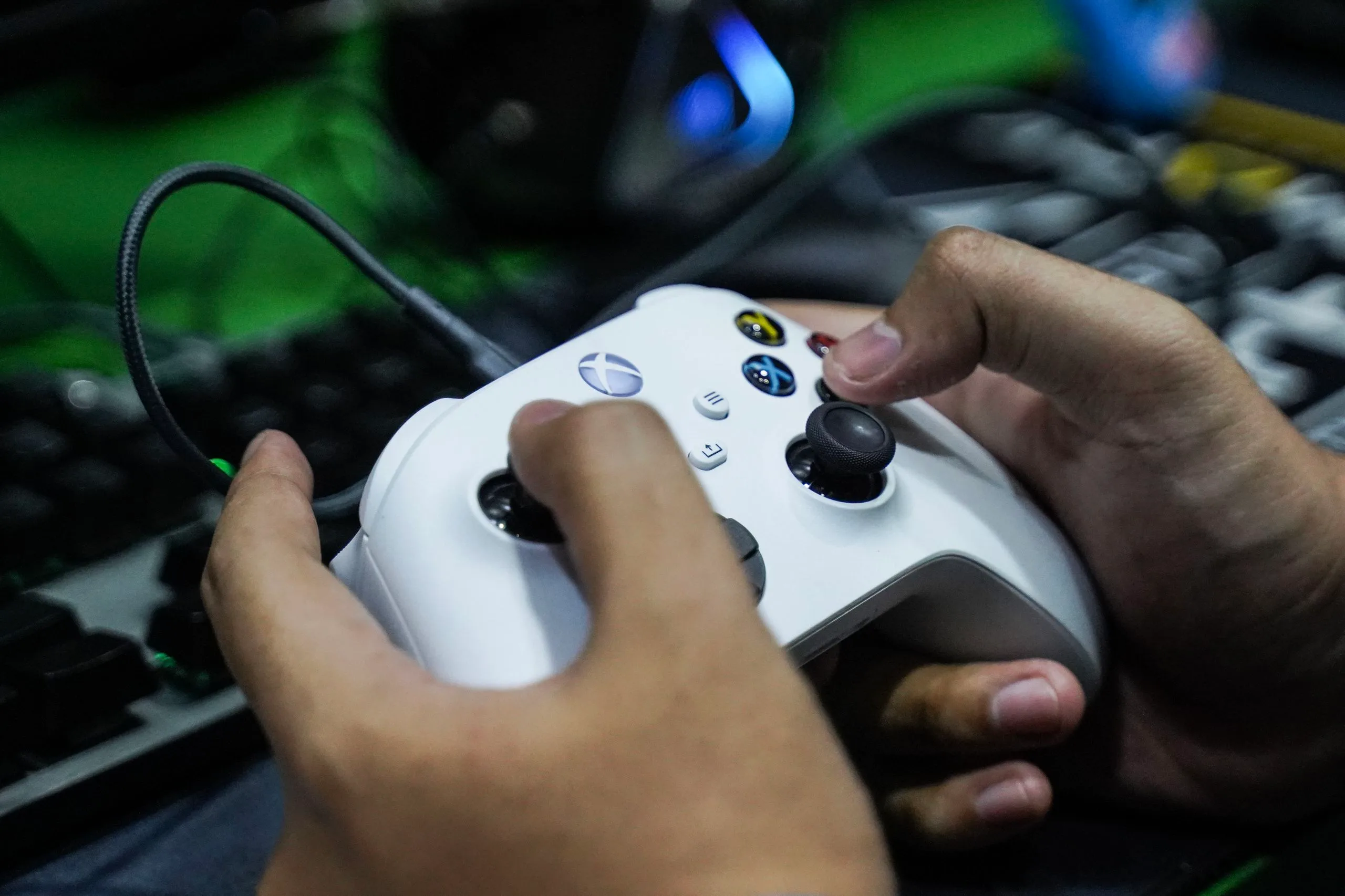
For AI features like "Highlight Reels" to reach their full potential, they require substantial hardware muscle. The blueprint for that hardware is becoming clearer. In June 2025, AMD and Microsoft formally announced a partnership to develop a semi-custom System-on-Chip (SoC) for the next generation of Xbox.
The timeline for this hardware emerged during AMD's Q4 2025 earnings call. CEO Dr. Lisa Su stated that development was "progressing well to support a launch in 2027." Industry analysts were quick to note the careful wording—"to support a launch"—as a strategic hedge rather than an outright confirmation from Microsoft. This reported 2027 window also contradicts earlier internal Microsoft documents from its 2023 FTC trial, which pointed toward a "next generation hybrid game platform" targeting 2028.
Beyond the timeline, architectural rumors are swirling. Leaks suggest the APU is codenamed "Magnus" and would represent a significant generational leap, leveraging Zen 6 CPU cores and a GPU based on the forthcoming RDNA 5 architecture. This combination promises a major boost not only in traditional graphics and processing but, critically, in the AI inferencing capabilities necessary for on-device machine learning tasks.
Furthermore, this AMD collaboration is not for a single device. Reports indicate the chips are destined for both desktop and portable Xbox devices, hinting at a unified hardware ecosystem where power and features scale across form factors.
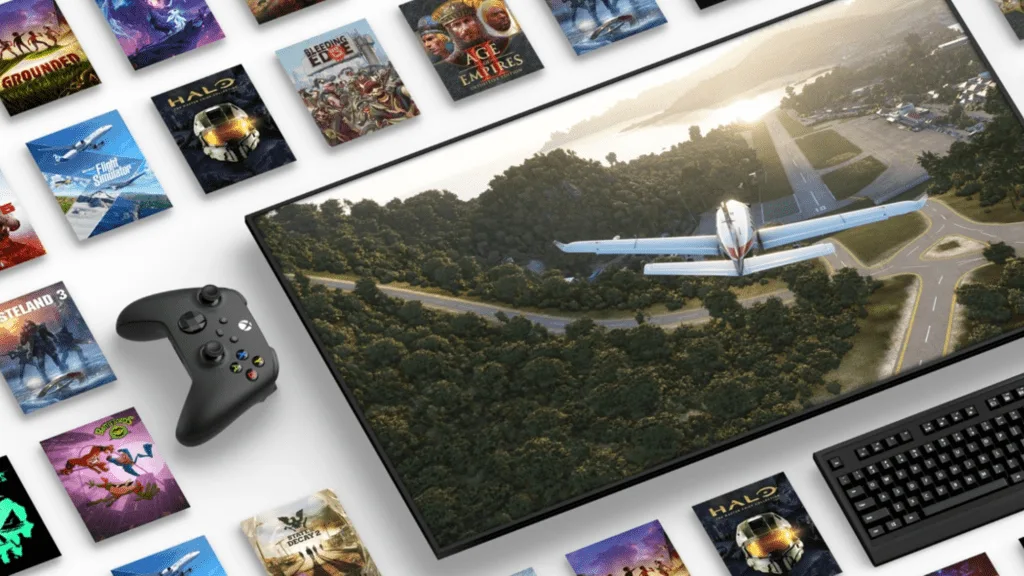
A Hybrid Platform Strategy: Beyond the Console Box
The hardware advances feed into a broader strategic vision articulated by Xbox head Sarah Bond. She has described the upcoming platform as a "hybrid system" that combines powerful local hardware with the boundless potential of cloud gaming technology. This isn't just about streaming; it's about a seamless integration where compute tasks can be dynamically allocated between your console and the cloud for optimal performance and new experiences.
AI is positioned as a central pillar of this vision. Bond has stated the next generation will take greater advantage of AI and machine learning, both for gameplay and user experience. The "Highlight Reels" feature is a prime example of this philosophy in action—using AI to passively enhance and personalize the user's interaction with their game library.
The initial exclusivity of the "Highlight Reels" feature to the Asus ROG Ally is a telling part of this platform play. It serves as a live testbed on a Windows device, with clear potential for expansion to future Xbox models and other Windows PCs equipped with NPUs. This frames the feature not as a console-only gimmick, but as a scalable service within Microsoft's larger gaming ecosystem, blurring the lines between Xbox and Windows.
Implications, Questions, and the Road Ahead
The potential implications of such technology are vast. For content creation, automatic highlight capture could dramatically lower the barrier to sharing gameplay. Players who never bothered with manual clipping or complex editing software could effortlessly generate shareable moments, potentially reshaping social media engagement and community interaction around games.
However, this future also raises important questions. Privacy and user control will be paramount. Will players have granular control over what is recorded, which games are analyzed, or how the data is processed? Can the AI be tuned to recognize personal preferences, or will it use a one-size-fits-all model for defining a "great" moment? The ethical use of on-device AI and the transparency around its functions will be a critical discussion point as these features near release.
It is crucial to emphasize the current state of this information: while the reports from credible sources and comments from executives like Lisa Su are compelling, Microsoft has not officially confirmed any details about the next-generation Xbox's specs, features, or launch date. The "Highlight Reels" feature, the "Magnus" architecture, and the 2027 timeline all reside firmly in the realm of rumor and reported development. The official narrative from Xbox remains focused on the current generation.
The convergence of a powerful new console architecture, a hybrid cloud-local platform vision, and intelligent AI features paints a picture of a transformative next generation for Xbox. The vision is clear: a console that acts as an intuitive partner, forever ready to capture the moment you didn't even know was your best. But until Microsoft breaks its official silence, the fascinating details of how and when—and under what controls—this future arrives remain the most compelling rumors in gaming.
Tags: Xbox, Next-Gen Console, Artificial Intelligence, Gaming Technology, Microsoft