Xbox Leadership Transition: What Spencer's Retirement and Sharma's Appointment Mean for Gaming's Future
The End of an Era: Phil Spencer's Legacy and Planned Exit Phil Spencer’s exit is not a sudden boardroom coup but a calculated conclusion to a legendary career. Having first discussed stepping back...

The End of an Era: Phil Spencer's Legacy and Planned Exit
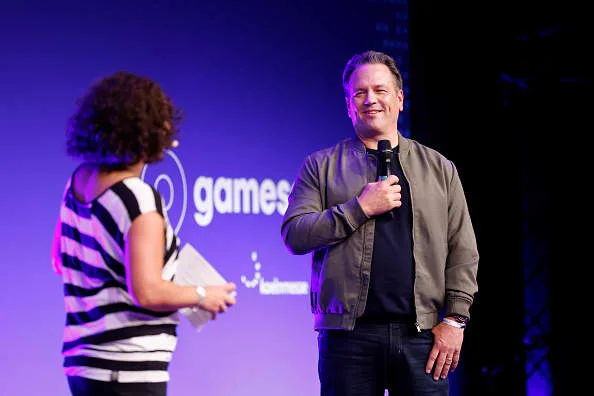
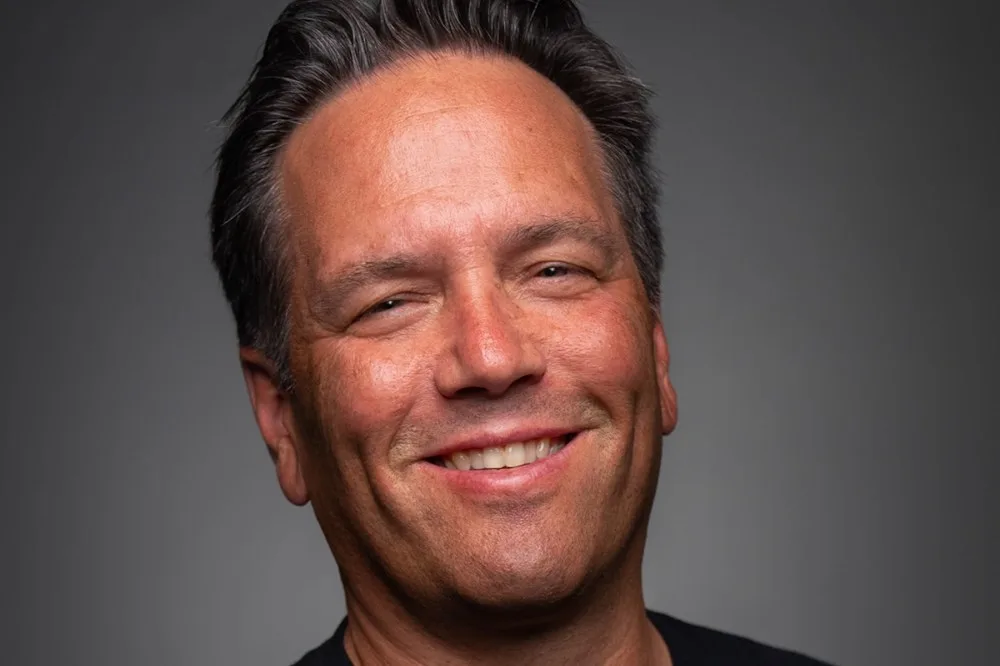
Phil Spencer’s exit is not a sudden boardroom coup but a calculated conclusion to a legendary career. Having first discussed stepping back with Microsoft CEO Satya Nadella in the fall of 2025, Spencer’s departure is framed as a planned retirement, with him staying on in an advisory capacity through the summer of 2026 to ensure stability.
His 12-year tenure as the head of Microsoft’s gaming division redefined the brand’s identity. Taking the helm after the challenging launch of the Xbox One, Spencer orchestrated a remarkable turnaround focused on player goodwill and service innovation. His legacy is built on three monumental pillars: the successful launch of the Xbox Series X/S consoles, the creation and explosive growth of Xbox Game Pass into an industry-leading subscription service, and a historic acquisition spree that reshaped the gaming landscape.
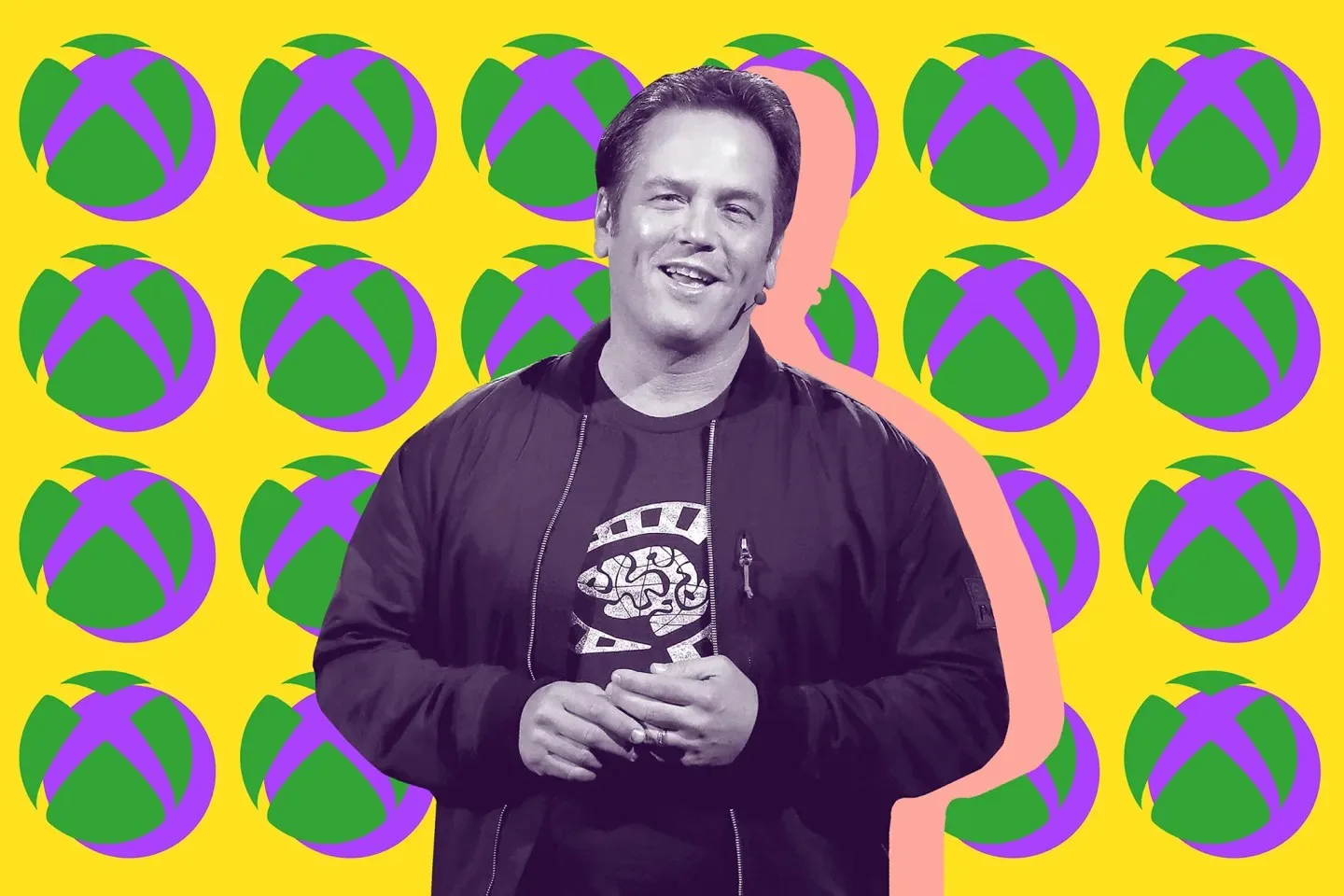
Under his leadership, Microsoft acquired Mojang (Minecraft), ZeniMax Media (bringing Bethesda, id Software, and Arkane into the fold), and, in the industry’s largest deal, Activision Blizzard. This final move granted Xbox control over titanic franchises like Call of Duty, World of Warcraft, and Candy Crush. Spencer’s era was defined by expanding Xbox beyond the console into a pervasive gaming ecosystem across PC, cloud, and mobile.
Meet the New Leadership: Asha Sharma and Matt Booty's Mandate
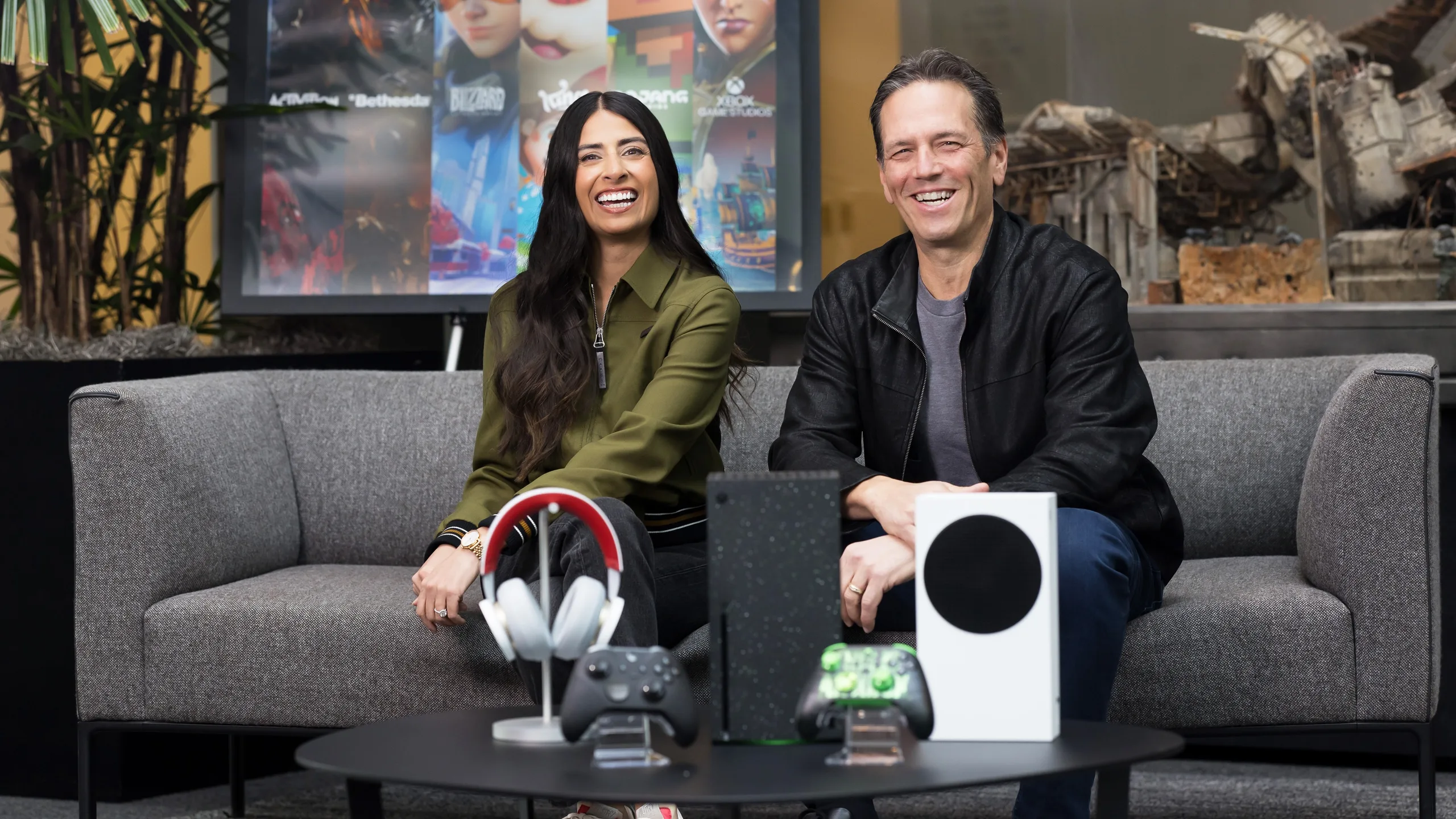
Stepping into Spencer’s role is Asha Sharma, named the new Executive Vice President and CEO of Microsoft Gaming, reporting directly to Satya Nadella. Sharma represents a distinct shift in profile. A former executive at Meta and Instacart, she joined Microsoft in 2024, bringing a background less in game development and more in scaling consumer platforms and operations.
Her initial statements, however, have been carefully crafted for the core gaming audience. She has committed to "great games, the return of Xbox, and the future of play," with a specific renewed focus on the Xbox console and core fans. In a line that resonated across social media, she asserted that Microsoft would not "chase short-term efficiency or flood our ecosystem with soulless AI slop"—a clear attempt to allay fears about the corporatization of game creation.
Supporting her is Matt Booty, promoted to Executive Vice President and Chief Content Officer. As the former head of Xbox Game Studios, Booty’s elevation is a critical signal of continuity. His immediate message was one of reassurance to the sprawling development arm: "there are no organizational changes underway for our studios." This statement is a direct attempt to calm nerves at powerhouse studios like Activision, Bethesda, and Blizzard following a period of significant industry layoffs.
Decoding the Strategy: Console Focus, Ecosystem Pressure, and "The Future of Play"
This leadership change does not occur in a vacuum. It comes as Microsoft Gaming navigates intense business pressures, including recent layoffs, reported challenges with Xbox hardware profitability, and internal strategies to converge Windows and Xbox platforms more closely. Sharma’s phrase "the return of Xbox" is being intensely scrutinized. Many interpret it as a potential pivot back towards a more traditional, console-centric hardware strategy, possibly emphasizing new device categories like the long-rumored Xbox handheld to compete in a revitalized portable market.
However, unwinding the service-oriented ecosystem Spencer built is likely impossible. The true strategy will be in the balance. "The future of play," as Sharma calls it, will still encompass console, PC, cloud, and mobile. The key will be how the new leadership prioritizes these pillars. Does "return of Xbox" mean exclusive, hardware-selling blockbusters take precedence over day-one Game Pass releases? Or does it mean leveraging the console as the premium anchor for a broader, multi-platform subscription service? Sharma’s background in platform operations suggests she may be tasked with finding a sustainable, profitable model for Spencer’s expansive vision.
Immediate Implications for Players, Studios, and Major IP
For players, the immediate future looks stable, by design. Matt Booty’s "no organizational changes" decree is a powerful commitment to studio security, suggesting no imminent closures or major restructuring for teams working on franchises like The Elder Scrolls VI or the next Call of Duty. The roadmap for Xbox Game Pass is also unlikely to see sudden disruption, though its long-term content strategy and pricing may evolve under new leadership.
The major test will be for flagship IP and development philosophy. What does a focus on "core fans" and "great games" mean for the development cycles at 343 Industries (Halo), The Coalition (Gears of War), or the newly integrated Activision teams? It could signal a push for higher-quality, more polished exclusives, even if that means longer development times—a direct response to recent criticism. This focus may also recalibrate investment, potentially prioritizing tentpole franchises over mid-tier or experimental projects, and reshaping Microsoft's approach to live-service titles.
For community initiatives and hardware innovation, a "core fan" focus might translate into more direct engagement and specialized devices, moving away from a purely mass-market approach. The promised "return of Xbox" could manifest in more frequent, meaningful hardware refreshes or dedicated community programs aimed at the enthusiast base.
Conclusion: A Calculated Handoff with an Uncertain Playbook
The transition orchestrated on February 20, 2026, is far from a panic-driven crisis. It is a calculated, generational handoff. On one side of this divide lies Phil Spencer’s monumental legacy: a gaming world united by services, subscriptions, and an unprecedented content library. On the other stands Asha Sharma’s promised future: a refocus on the console, core audience, and game quality, while navigating the immense ecosystem she inherited.
The summer of 2026 will be more than a transition period; it will be a preview. As Spencer’s advisory role concludes and Sharma fully assumes command, her first major decisions will signal the true direction. The vision of "one gaming ecosystem" now meets the mandate for a "return of Xbox."
The first true signal of how Sharma reconciles these forces may not be a speech, but an action: will the next flagship Halo or Elder Scrolls be a day-one Game Pass release, or a traditional console-seller held back to drive hardware? The answer will define the new era for Microsoft Gaming and reshape the competitive landscape of the entire industry.
Tags: Xbox, Microsoft Gaming, Phil Spencer, Asha Sharma, Video Game Industry