Xbox Games Showcase 2026: Live Updates & Every Game Announcement - The Sharma Era Begins
The Sharma Doctrine: Exclusivity Over Expansion, and the Gears of War Drama From the opening monologue, it was clear this was not a typical Xbox showcase. Sharma herself appeared on stage, a rarity...

The Sharma Doctrine: Exclusivity Over Expansion, and the Gears of War Drama
From the opening monologue, it was clear this was not a typical Xbox showcase. Sharma herself appeared on stage, a rarity for a corporate leader, and directly addressed the elephant in the room. “We need to reset the business,” she said, her tone measured but firm. “Xbox exists to be the number one gaming platform. That means making hard choices about where our games live.”
The most consequential of those choices had already leaked days before the event: the reported cancellation of the Gears of War: E-Day PS5 port. Multiple sources indicated that the project was deep in development for Sony’s console before Sharma personally intervened. During her segment, she did not name the platform, but the subtext was unmistakable. “We believe in bringing our best experiences to our own ecosystem first,” she stated, directly contradicting the multi-platform strategy that defined Spencer’s final years.
The decision was handled with surgical precision during the showcase. Immediately after the main event, a dedicated Gears of War: E-Day Direct dove deep into the prequel’s mechanics, story, and 14-years-before-the-original setting. Not once during the 30-minute segment was any other platform mentioned. The word “PlayStation” simply did not exist. For those watching closely, the omission was confirmation enough. The PS5 placeholder listing that had appeared on digital storefronts a week earlier is now widely considered a ghost of a cancelled project. Windows Central (June 8, 2026) and other outlets have since confirmed that the port was halted under Sharma’s direct orders, with development resources redirected to optimizing the Xbox and PC versions.
The decision signals a sharp reversal of Spencer’s strategy of “bringing our games to more players.” Under Sharma, that generosity has a hard limit. Whether this means previous multi-platform deals will be honored or clawed back remains unclear, but the message to developers and partners is clear: Xbox expects loyalty in return for its investment.
The showcase then proceeded to double down on that philosophy. Every major first-party title shown, without exception, was presented as an Xbox and PC exclusive. No “also on PlayStation” disclaimers, no awkward footnotes. For a company that had spent the last two years shipping Sea of Thieves, Hi-Fi Rush, and Pentiment to rival consoles, the whiplash was deliberate.
Heavy Hitters: First-Party Firepower
The lineup was densely packed. Over 50 games were teased or fully unveiled, a mix of long-awaited sequels, fresh IP, and unexpected collaborations.
Call of Duty: Modern Warfare 4 opened the show with a gritty cinematic trailer and a firm release date of October 26, 2026. The annual franchise remains a reliable anchor, though the presentation was careful to emphasize its exclusive bonuses for Game Pass subscribers.
Halo: Campaign Evolved finally emerged from development limbo with gameplay footage that showcased a stylized, cel-shaded art direction, a dramatic departure from the photorealistic Infinite. The leak of screenshots and skins a week prior had already set expectations, but seeing it in motion was a validation of the new direction. A 2027 window was announced, signaling that 343 Industries (now part of the larger Halo Studios) is taking its time.
Minecraft Dungeons 2 was a surprise reveal, not just for its existence but for its ambitious scale. The sequel promises a fully 3D, procedurally generated world, co-op for up to eight players, and a day-one Game Pass launch in spring 2027.
Clockwork Revolution, the steampunk time-bending RPG from inXile Entertainment, got its most substantial trailer yet. The game has been in development since 2021, and the showcase finally offered a release window: holiday 2027. The footage looks stunning, with branching narratives and a combat system that blends turn-based and real-time elements.
Fable, the long-rumored flagship, was present but its appearance came with a caveat. A new cinematic trailer showed idyllic Albion landscapes and a growling hero, but the narrator’s voiceover ended with a surprising admission: “The journey takes time. See you in 2027.” Multiple reports had pegged Fable for a 2026 launch, but a delay to Q1 2027 was confirmed, with insiders citing the need to avoid direct competition with GTA VI, a title that virtually every publisher is now treating as an existential threat.
Beyond those headliners, the show delivered a string of surprises. Persona 6 was announced as a timed Xbox console exclusive, a massive coup for the platform. Arkane’s Marvel’s Blade game, long rumored, was confirmed with a moody teaser set in a rain-soaked Paris. Kojima’s OD finally received a release window: summer 2027, with a playable demo exclusive to Xbox. DOOM: The Dark Ages showed off its first expansion, The Eternal Crusade, arriving this October. And Spyro 4, a pure fan-service title, was revealed as a collaboration between Toys for Bob and Xbox Game Studios, launching in 2027.
What Wasn’t Shown: The Absent Titles That Matter
For all the firepower on display, a few notable first-party titles were conspicuously missing. Perfect Dark, rebooted by The Initiative and later assisted by Crystal Dynamics, has been in development turmoil since 2020, with multiple creative leads departing. Its no-show at the showcase, despite a rumored 2027 window, raises serious questions about the project’s health. Avowed, Obsidian’s fantasy RPG announced in 2020, also failed to appear. While the game was reportedly targeting a late 2026 release, its absence suggests either internal delays or a strategic decision to hold it for a smaller event. State of Decay 3 similarly remains in the shadows. Given that these titles were central to the “Xbox Game Studios” promise made years ago, skipping the biggest event of the year risks eroding fan trust in the delivery pipeline.
Beyond Games: 25th Anniversary, Project Helix, and the Competitive Landscape
The showcase also marked Xbox’s 25th anniversary with nostalgic montages of Halo, Forza, and Fable through the years, alongside a re-release of the original Xbox boot-up sound, a simple but effective crowd-pleaser.
More substantively, Project Helix, the next-generation Xbox console, made a brief appearance: a sleek, boxy silhouette with the phrase “2027” beneath it. Sharma stated that the next-generation hardware would be revealed in full later this year, promising “the biggest leap in performance and ecosystem integration since the Xbox One.”
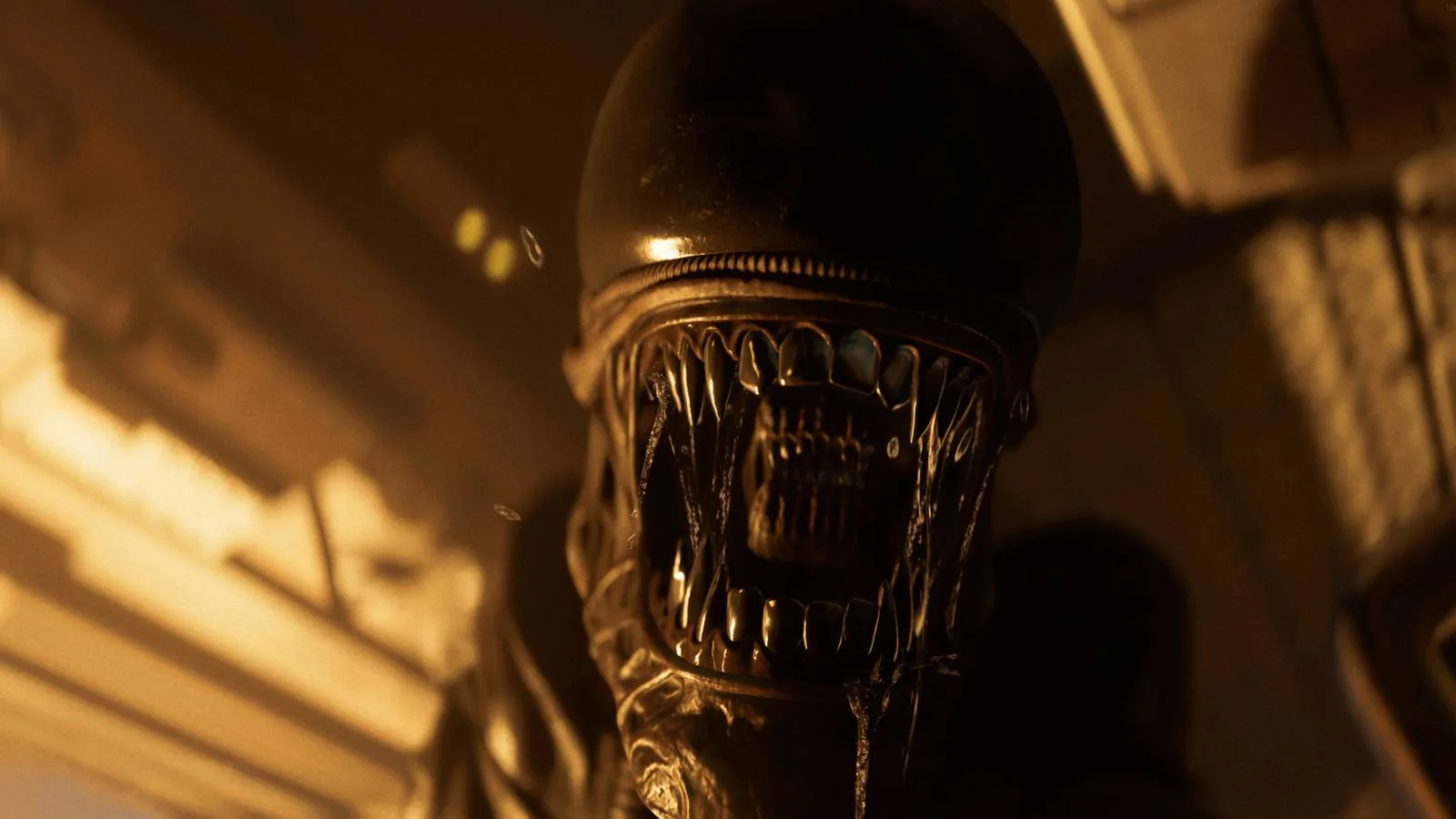
Competitively, the showcase arrived in the shadow of Summer Game Fest 2026 (June 5-6), which had already set a high bar with reveals like Resident Evil: Veronica, a Cuphead sequel, Alien: Isolation 2, and Final Fantasy VII: Revelation. Xbox’s response was measured but effective: it matched the energy with its own exclusives and doubled down on games that cannot be played elsewhere.
The looming specter of GTA VI (slated for 2027) was also addressed indirectly. By delaying Fable and scheduling Clockwork Revolution for late 2027, Xbox is strategically packing its release calendar in the window before Rockstar’s behemoth arrives. It is a calculated gamble that the company can build momentum now and ride it through the inevitable GTA disruption.
The Reset Begins: Xbox’s Future Under Sharma
The Xbox Games Showcase 2026 was not a perfect event. The Fable delay will sting for those who hoped for a 2026 release, and the absence of Perfect Dark and Avowed highlights lingering development challenges. But as a proof-of-concept for Asha Sharma’s leadership, it succeeded. The exclusivity-first message was consistent, the first-party lineup was robust, and the surprises (Persona 6, Blade, Spyro 4) provided genuine excitement.
Sharma’s “reset” is now underway. Whether it will reverse Xbox’s market position or alienate the third-party partners that the company still relies on remains to be seen. If this hardline exclusivity pushes publishers toward PlayStation or Nintendo for timed deals, Xbox’s Game Pass library could suffer. Sharma’s reset is a double-edged sword: it galvanizes core fans but risks the partnerships that filled the library under Spencer. For one night, however, Xbox felt like a platform with a clear identity again, and that alone is a victory in a year of transition.