Xbox CEO Calls Rival Logo Policy 'a Miss' Amid Public Executive Contradiction - But the Real Crisis Runs Deeper
The Logo Debacle, A Tale of Two Executives in One Day The chronology is key. On the morning of May 29, Booty told listeners of the Official Xbox Podcast that Xbox would "continue the precedent" of...

The Logo Debacle, A Tale of Two Executives in One Day
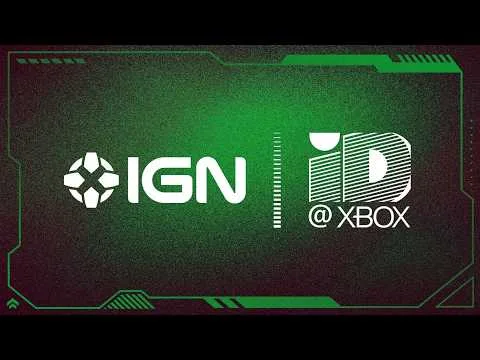
The chronology is key. On the morning of May 29, Booty told listeners of the Official Xbox Podcast that Xbox would "continue the precedent" of clearly marking which platforms each trailer's featured game appears on. The policy was already well established, it began at Xbox Developer_Direct 2025 and had been confirmed as intentional by former CEO Phil Spencer in a February 2025 interview. Booty's remarks were measured and matter-of-fact. There was no hint of a coming reversal.
Then, later that same day, Sharma tweeted that the policy was a mistake. "It was a miss, and I own it," she posted. "We're talking about how we adjust for future XBOX shows." The all-caps "XBOX" aligned with a rebrand she had introduced just weeks earlier, but the substance of the message directly undercut her own content chief. Multiple independent reports flagged the contradiction as a sign of organizational disarray. One outlet called it "a public display of misalignment"; another described the situation as "leadership sending mixed signals at the worst possible time." Whether Sharma saw the fan backlash erupting and decided to override Booty on the fly, or whether the two simply hadn't coordinated their messaging, the optics were damaging for a company that had spent years cultivating an image of steady, fan-first leadership under Phil Spencer.
The Fan Outcry and the Influencer Spark
The backlash that prompted Sharma's reversal did not come out of nowhere. It was ignited by prominent Xbox influencer Klobrille, whose X post amassed thousands of interactions. "The bare minimum expectation many had was for Xbox to really focus on their own platform at least for the time of the Showcase," Klobrille wrote. The sentiment resonated deeply with a segment of the Xbox community that feels its loyalty is being taken for granted.
That sentiment is quantified on the Xbox Player Voice feedback portal, where a thread demanding a return to first-party exclusives sits at over 21,000 upvotes. For these fans, seeing a PlayStation logo appear during an Xbox showcase is not a minor detail; it is a symbolic betrayal of the ecosystem they invested in. They bought Xbox consoles, paid for Game Pass subscriptions, and championed the brand during the dark days of the Xbox One era. Now they watch as every major first-party title, from Fable to Halo: Campaign Evolved, is announced for PlayStation 5 and Nintendo Switch.
Yet the company's math is straightforward: hardware sales have been declining, and the multiplatform strategy, while unpopular with the core, generates crucial software revenue that shores up the bottom line. Xbox cannot afford to ignore the enthusiasts on the feedback portal, but it cannot afford to ignore the broader market either. The logging controversy is simply the most visible symptom of that impossible tension.
A Leadership Team Finding Its Footing
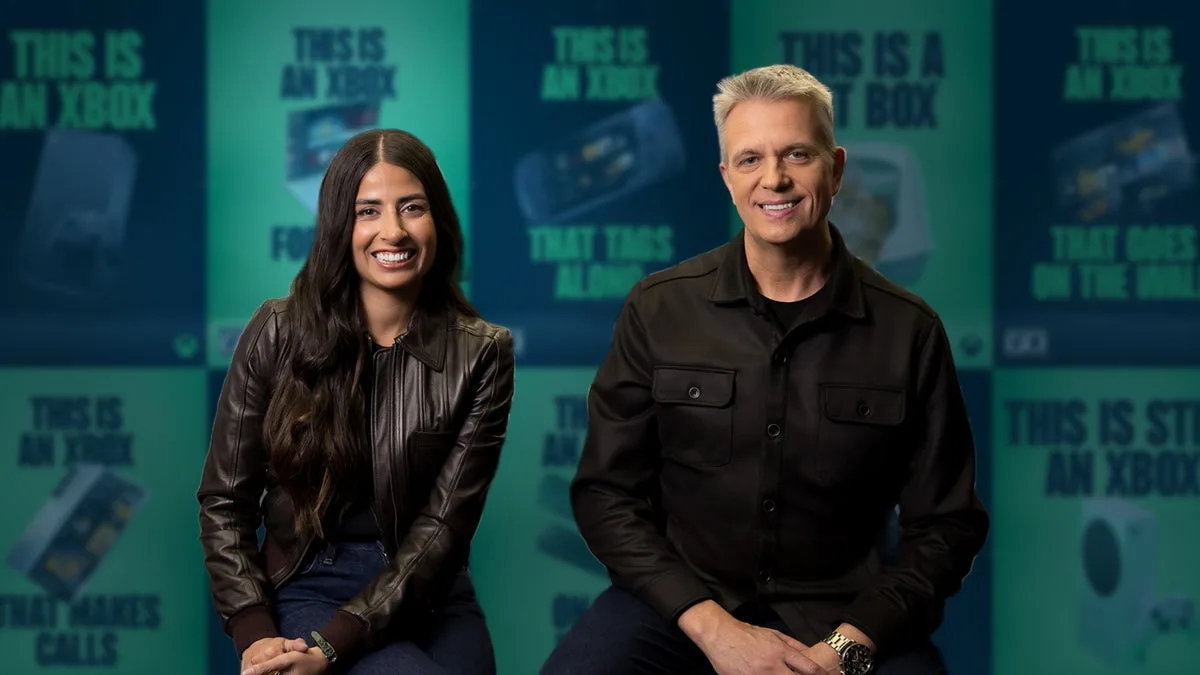
Asha Sharma took the reins of Xbox in February 2026, following Phil Spencer's retirement. Her background is not in gaming. She came from Meta and Instacart, and before being elevated to CEO, she led product in Microsoft's CoreAI group, a division focused on artificial intelligence, not interactive entertainment. That outsider perspective has shaped her early decisions: she ended the "This is an Xbox" marketing campaign, rebranded to all-caps XBOX, and restructured leadership, promoting Matt Booty to Chief Content Officer.
But Sharma inherited a division in distress. Xbox has seen revenue declines in four of the past six quarters, creating pressure to show results fast. Her rapid-fire changes suggest a leader eager to put her stamp on the company, but the Booty contradiction reveals a team that may not yet be working from the same playbook. The most plausible explanation for Sharma's tweet is that she saw the fan backlash to Booty's podcast, recognized the political damage, and decided to override her own executive to contain the crisis. That might have been the right tactical call, but it also exposed a lack of pre-show coordination that would be unacceptable in any well-run organization.
The coming months will be a trial by fire for Sharma. The Xbox Games Showcase on June 7, just nine days after the logo fiasco, will be the first major test of her leadership, and the first opportunity to show what "adjusting" actually means.

The Bigger Picture, Xbox's Impossible Balancing Act
Xbox's transparency policy is an outlier in the industry. Sony, during its State of Play presentations, does not show Nintendo logos. Nintendo, during its Directs, does not show PlayStation logos. Only Xbox routinely flags the fact that its first-party games are also coming to competing platforms. That honesty was once celebrated as a sign of confidence. Now, in the wake of Sharma's "miss" admission, it looks like a misstep that leadership itself cannot agree on.
Industry journalists have been quick to weigh in. Ryan McCaffrey of IGN argued that hiding multiplatform status would be less transparent, not more. Kirk McKeand of GLHF accused Sharma of pandering to "a few militant fans" who represent a vocal minority. Forbes' Paul Tassi dismissed the entire controversy as "pointless minutiae" distracting from larger issues, chief among them the delay of Fable to early 2027. Yet the 21,000 upvotes on the Xbox Player Voice portal suggest the concern is not isolated to a fringe. It is a significant, organized, and deeply invested segment of the player base.
The June 7 showcase will feature Fable (now confirmed for PS5), Halo: Campaign Evolved (also multiplatform), and a Gears of War: E-Day deep dive. If Sharma's "adjustment" means reverting to hiding rival logos, she will appease the hardcore fans but alienate the journalists who valued the transparency. If she does nothing, the backlash will continue. There is no clean solution, only a series of trade-offs.
A Brand Caught Between Two Audiences
The logo controversy is a perfect, and painful, metaphor for Xbox's current state. In a single day, the company told its fans two different things about how it views its own identity. The real question is not whether the PlayStation logo appears for three seconds in a trailer. It is whether Xbox's new leadership can craft a coherent vision that satisfies both the 21,000 fans demanding exclusives and the bottom line that requires every game to go multi-platform. With a showcase looming, a delayed flagship in Fable, and an executive team that appears to still be figuring out who is actually in charge, the logo fiasco may be just the first tremor of a much larger identity earthquake. The answer to that earthquake will come on June 7, and it will determine whether Xbox remains a platform defined by its transparency, or one defined by its indecision.