Xbox at a Crossroads: Phil Spencer's Legacy and the New Era Under Asha Sharma
The announcement that Phil Spencer will retire as CEO of Microsoft Gaming in February 2026 is more than a corporate reshuffle; it’s a seismic shift for the global video game industry. For over a...

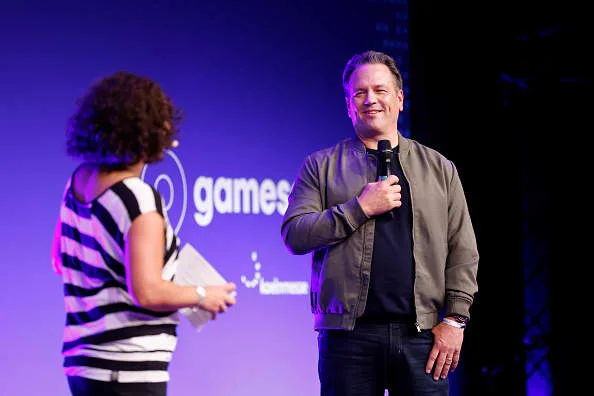
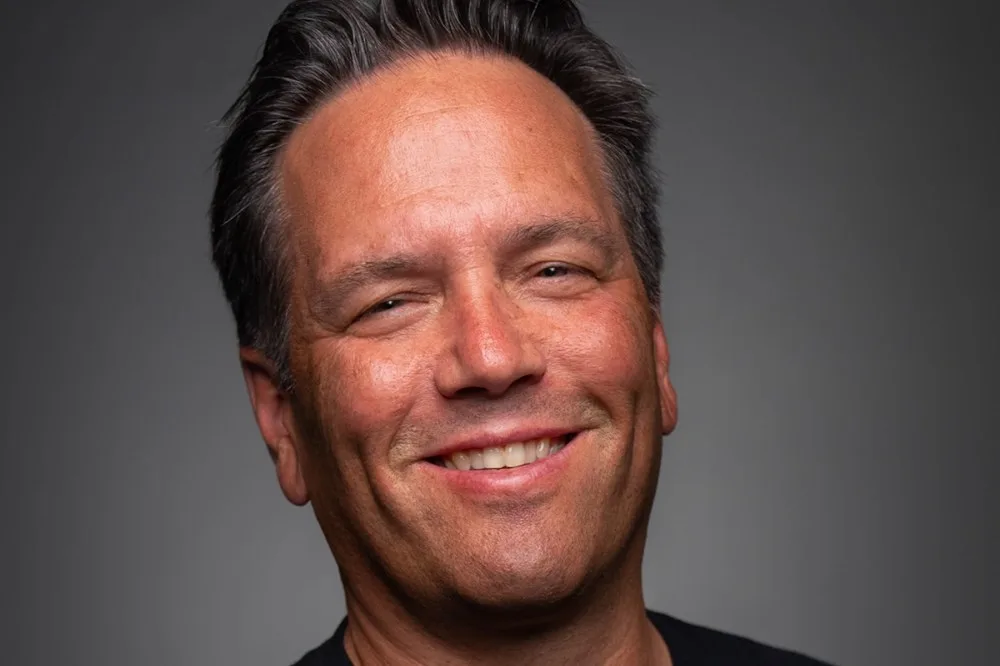
The announcement that Phil Spencer will retire as CEO of Microsoft Gaming in February 2026 is more than a corporate reshuffle; it’s a seismic shift for the global video game industry. For over a decade, Spencer has been the face and architect of Xbox, steering the brand from the brink of irrelevance during the Xbox One era to its current status as a content and subscription juggernaut. His departure marks the end of a transformative 12-year chapter defined by colossal acquisitions and strategic gambles. Yet, it arrives at a moment of palpable tension: Spencer leaves behind a division that has nearly tripled in size under his watch but is now confronting declining revenue and significant internal change. The transition to Asha Sharma, a leader from outside traditional gaming circles, sets the stage for one of the most consequential leadership handovers in modern gaming history.
The Architect of Modern Xbox: Phil Spencer's Legacy
To understand the scale of this transition, one must first appreciate the empire Phil Spencer built. When he took the helm in 2014, Xbox was reeling from the disastrous launch of the Xbox One, a console marketed more as an entertainment hub than a gaming powerhouse. Spencer’s immediate mission was to rebuild trust with the core gaming audience. He succeeded, navigating the brand into the successful Xbox Series X/S generation by refocusing on performance, player choice, and a compelling games library.
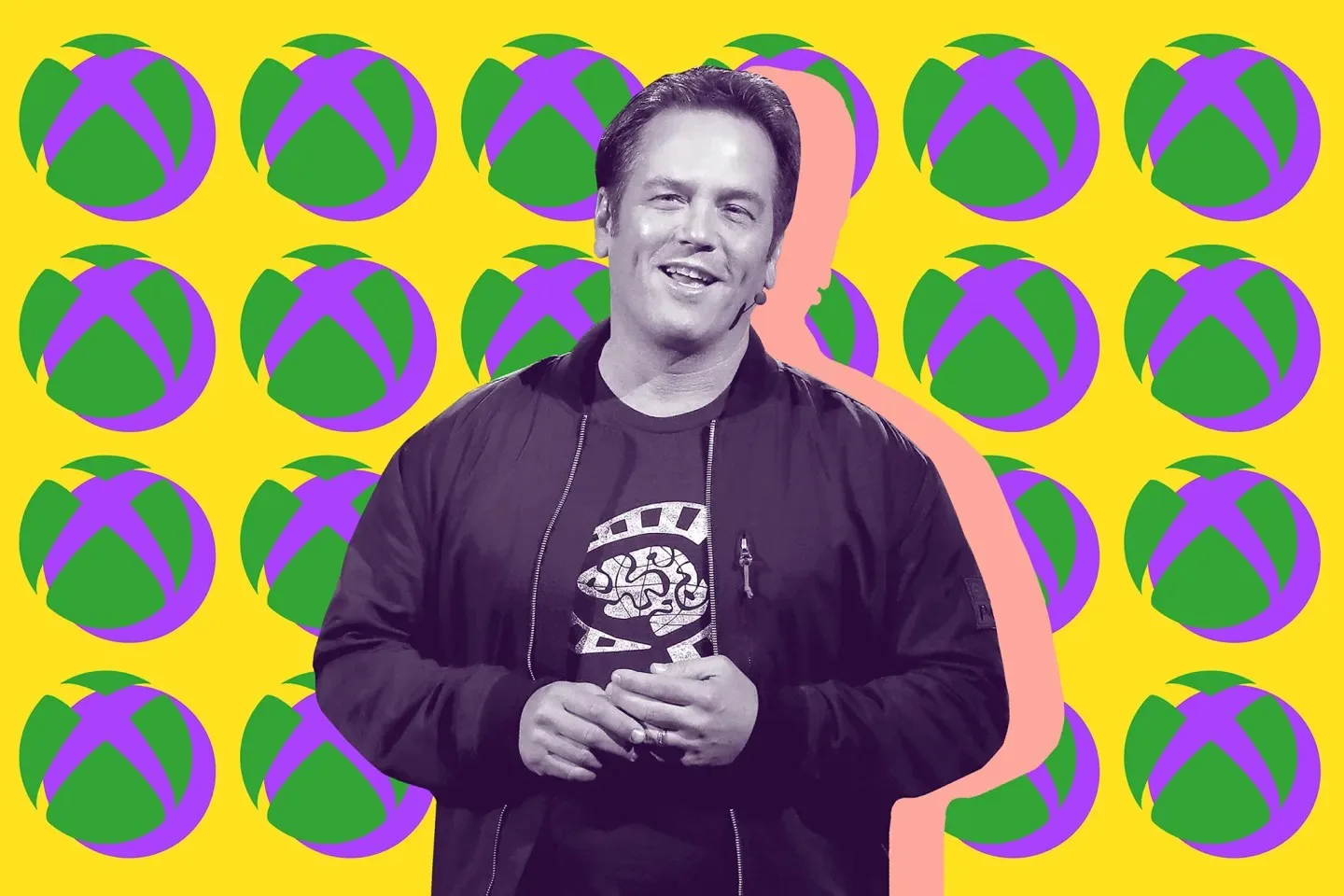
His legacy, however, is quantified by staggering growth and a clear strategic vision. Under his leadership, Microsoft’s gaming business grew by nearly 300%. This expansion was fueled by two interconnected, transformative strategies: building the 'Netflix for games' with Xbox Game Pass as the central service proposition, and securing an unprecedented content library through the historic acquisitions of Mojang (Minecraft), ZeniMax Media (parent of Bethesda), and Activision Blizzard. These deals secured franchises like Call of Duty, The Elder Scrolls, and World of Warcraft, transforming Xbox’s first-party portfolio into its greatest asset. Today, Microsoft Gaming oversees nearly 40 development studios—a content creation engine of unparalleled scale.
A Changing of the Guard: The New Leadership Blueprint
The successor stepping into this vast arena is Asha Sharma. Her appointment signals a distinct pivot in leadership philosophy. Sharma joined Microsoft in 2024 as president of product for the Core AI business, following executive roles as COO of Instacart and VP of Product at Meta. Her background is rooted in scaling tech platforms and AI product development, not in game development or console marketing. This profile suggests Microsoft’s parent company is prioritizing operational scale, technological integration, and product management for its next gaming chapter.
Sharma’s ascent is part of a broader executive shuffle. Sarah Bond, the well-regarded Xbox President and COO, is exiting the company. Meanwhile, Matt Booty—previously head of Xbox Game Studios—has been promoted to Executive Vice President and Chief Content Officer, reporting directly to Sharma. This structure places a seasoned gaming veteran in charge of the sprawling studio portfolio, theoretically freeing the new CEO to focus on broader business and platform strategy.
The transition has been carefully orchestrated. Spencer first discussed stepping back with Microsoft CEO Satya Nadella in the fall of 2025. He will remain in an advisory role through the summer of 2026, ensuring continuity. This planned, year-long handover underscores the complexity of the operation Sharma is inheriting.
The In-Tray: Challenges and Vision for the New CEO
Asha Sharma does not take the reins during a calm period. Her first memo to staff acknowledged the "headwinds" facing the business. This is a direct reference to Microsoft’s reported nearly 10% year-over-year decline in gaming revenue for the December quarter and an unspecified impairment charge for the gaming business announced in January 2025. The context is clear: after years of massive investment, the division must now demonstrate sustainable profitability and growth.
Sharma’s initial vision, outlined in that same memo, provided early clues to her priorities. She committed to a three-pronged mission:
- Deliver great games.
- Renew focus on console gaming ("the return of Xbox").
- Shape the future of play.
The language here is deliberate and revealing. The promise of a "return of Xbox" is a direct appeal to the core fanbase, perhaps addressing concerns that the brand’s multi-platform and cloud-focused strategy has diluted its console identity. Most notably, she made a philosophical pledge to creators, stating that games are "art, crafted by humans" and vowing not to flood the ecosystem with "soulless AI slop." This is a significant statement from an AI product leader, seemingly designed to reassure developers and players alike about the role of technology in the creative process.
What's Next for Xbox? Implications for Gamers and the Industry
The immediate question for the 34 million Game Pass subscribers and millions more in the ecosystem is: what does this change mean for me?
Sharma’s call for a "renewed focus on console gaming" will be scrutinized for what it means for the next hardware generation. Does it signal a return to a more traditional, exclusive-heavy console war footing? Or is it a commitment to ensuring the next Xbox console is a compelling, must-have device within a broader "play anywhere" ecosystem? This pledge creates an immediate tension: how to re-energize the console as a must-own device while continuing to pursue the platform-agnostic 'play anywhere' vision that has defined Xbox's recent strategy. The strategy for flagship franchises like Call of Duty, The Elder Scrolls VI, and the next Fallout will be the ultimate test.
Internally, all content roads now lead to Matt Booty as Chief Content Officer. His monumental task is to manage and synergize a portfolio of nearly 40 studios—from Halo’s 343 Industries to Call of Duty’s Infinity Ward and The Elder Scrolls’ Bethesda Game Studios. How this structure avoids creative bottlenecks and empowers studios will be critical to delivering on the "great games" promise.
Strategically, Sharma must balance several competing forces: continuing Game Pass’s growth while maximizing full-game sales, thoughtfully integrating AI and cloud technology without compromising artistic integrity, and leveraging the $69 billion Activision Blizzard acquisition to drive both cultural impact and financial returns. The era of mega-acquisitions is likely over; the new era is about execution.
Phil Spencer leaves behind an Xbox that is fundamentally different—larger, more complex, and more powerful—than the one he inherited. Asha Sharma’s tenure will be defined by her ability to harness this immense content empire, execute her human-centric vision, and navigate significant financial pressures. For an industry in flux, this is more than a CEO change; it is a high-stakes experiment in modern platform leadership. Ultimately, Sharma's success may not be judged by the scale of her acquisitions, but by her ability to answer a deceptively simple question: Can she make the world's largest collection of game studios consistently produce the world's most compelling games?
Tags: Xbox, Microsoft Gaming, Phil Spencer, Asha Sharma, Gaming Industry