Wuchang: Fallen Feathers Sequel Announced - Original Director Returns with New Studio After Dramatic Studio Collapse
The Fall, Studio Turmoil and the Original Director’s Departure Wuchang: Fallen Feathers launched in 2025 to generally positive reception. Its grim alternate Ming Dynasty setting, where a mysterious...

The Fall, Studio Turmoil and the Original Director’s Departure
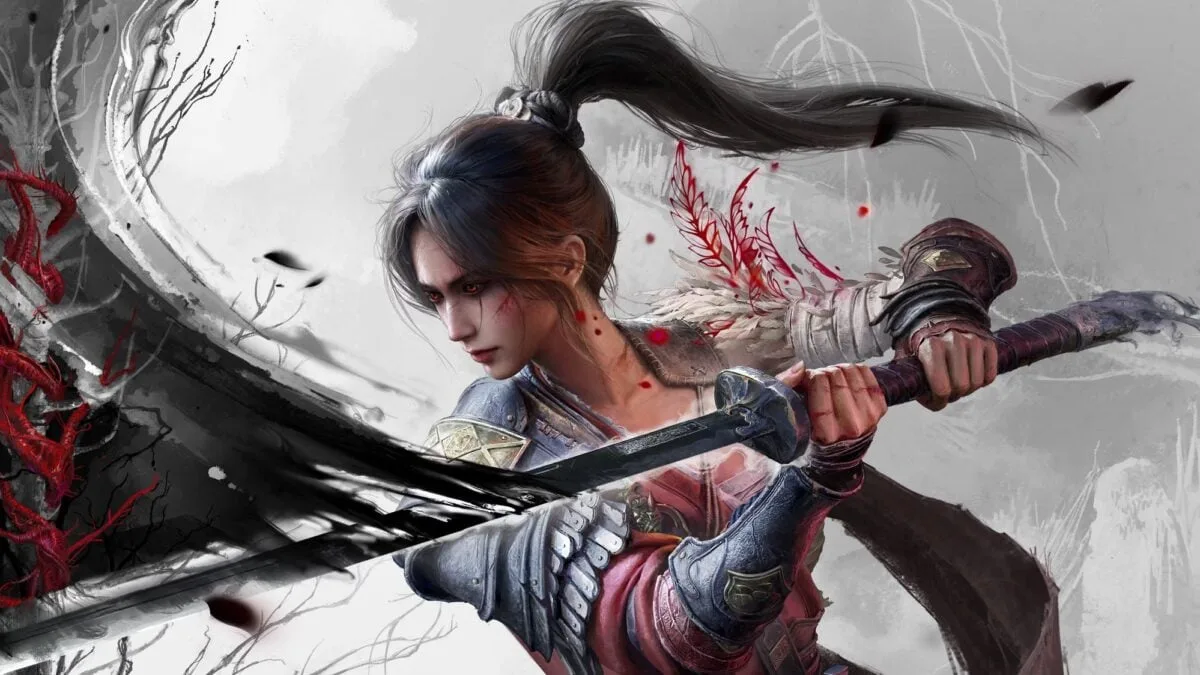
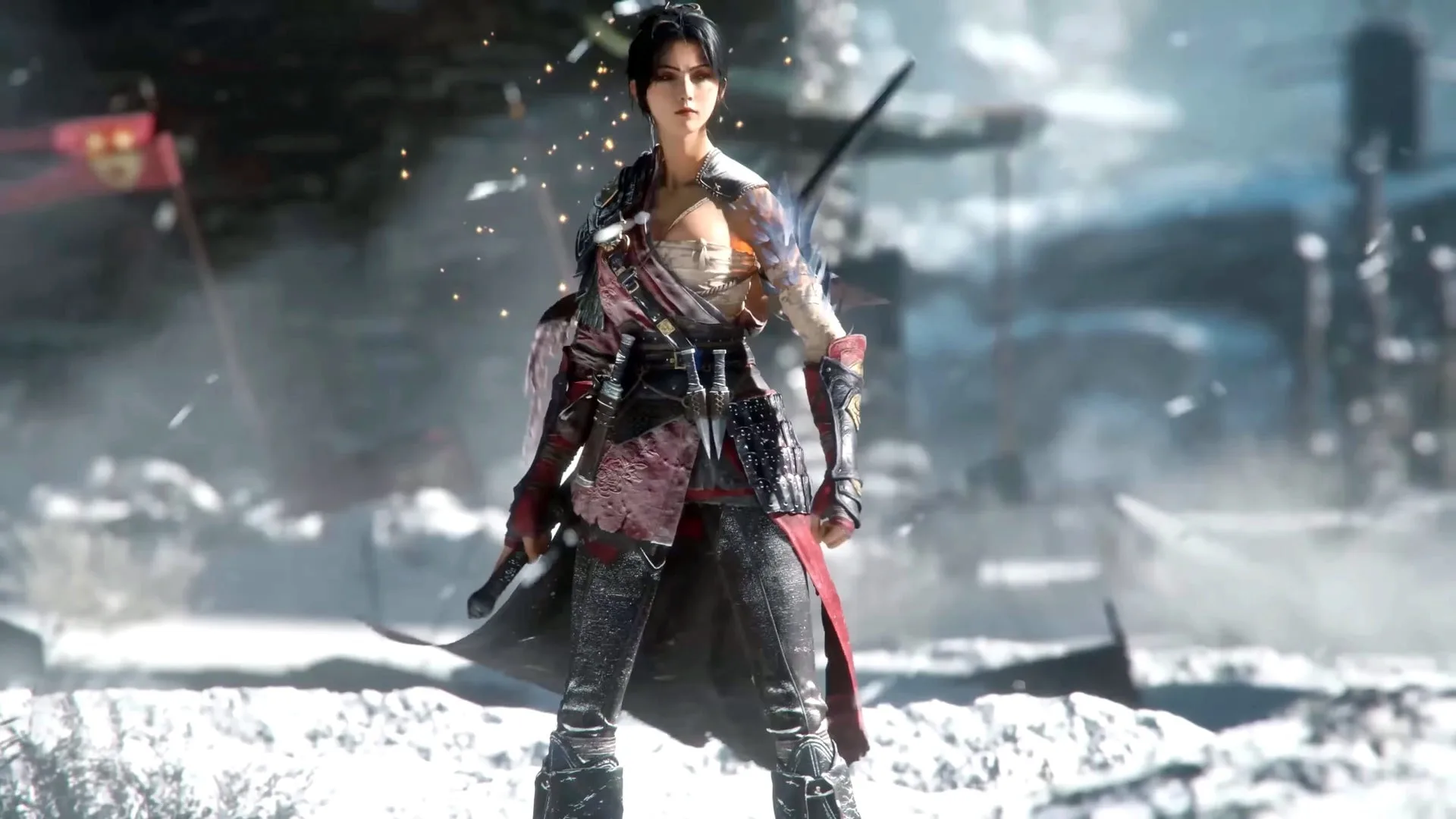
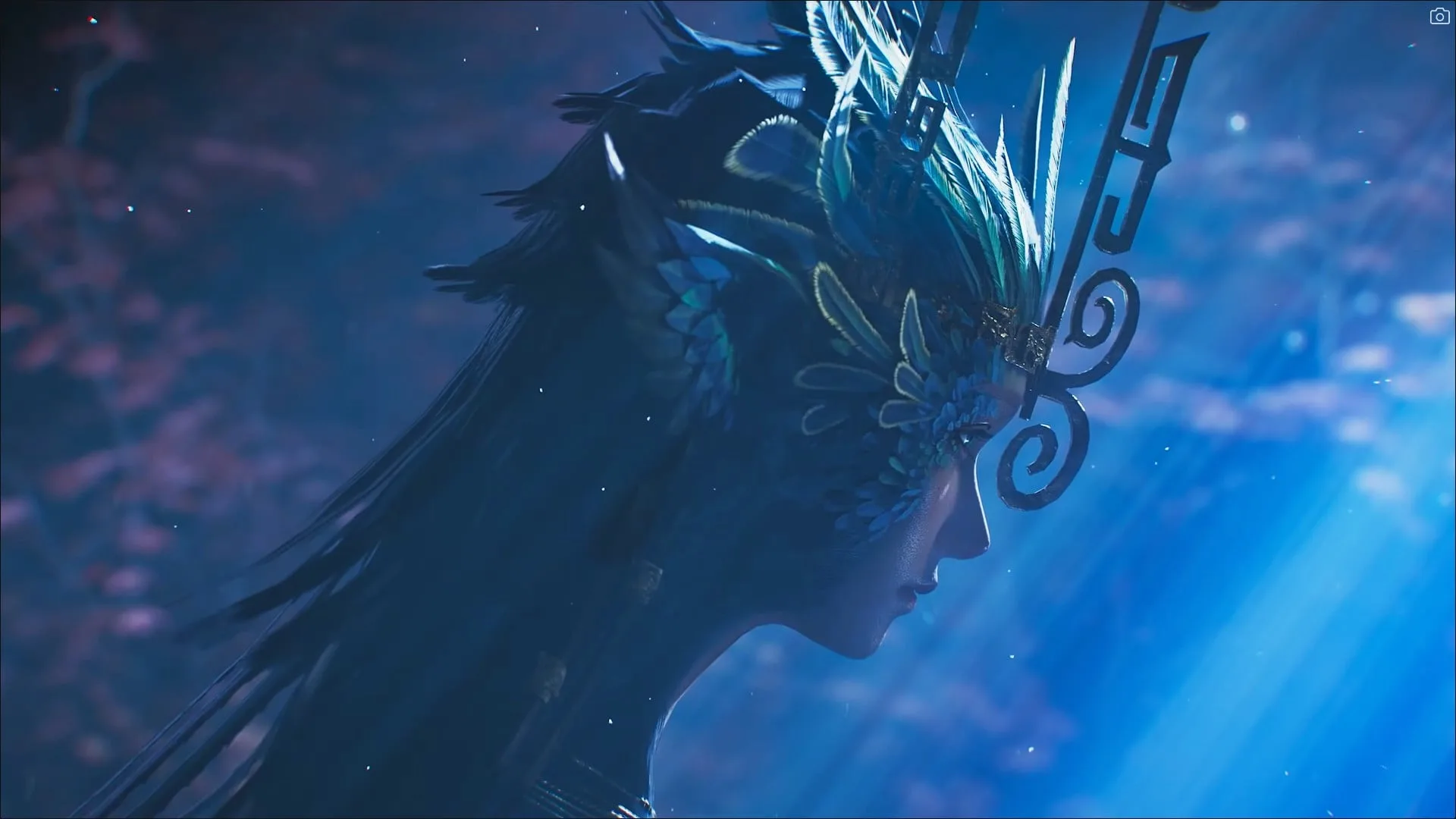
Wuchang: Fallen Feathers launched in 2025 to generally positive reception. Its grim alternate Ming Dynasty setting, where a mysterious disease transforms people into feathered monsters, struck a chord with players. With a boost from Xbox Game Pass inclusion at launch, the game eventually reached 5 million players across PC and consoles.
But behind the scenes, trouble was brewing. In early 2026, reports surfaced claiming that Xia Siyuan had been fired from Leenzee and that the entire development team had been disbanded. The news sent ripples through the gaming community. For a studio that had delivered a promising debut, the sudden collapse was shocking. Many assumed the Wuchang IP would be shelved or handed to a completely different team.
As it turns out, the original Leenzee studio is no longer involved in the franchise in any capacity. The sequel will not be developed by the same company that made the first game. Only Xia Siyuan and the new team he has assembled will carry the torch forward.
The Resurrection, New Studio, Same Vision, Major Backing
Enter Indolphinity, formally registered as Chengdu Recursive Dolphin Technology Co., Ltd. This is the studio Xia Siyuan founded specifically to continue the Wuchang series. The financial and corporate backing is substantial. Digital Bros, the parent company of 505 Games, had already acquired full ownership of the Wuchang IP in April 2026. That acquisition paved the way for a clean break from Leenzee. Then, in July, 505 Games and Digital Bros announced the sequel with an investment of approximately €21.5 million (~$24.5 million). 505 Games will handle global publishing.
But is this the same core team? Xia Siyuan has brought key lieutenants and collaborators from the original game, the “core creative team”, to Indolphinity, while the broader Leenzee staff have moved on. The official press release emphasizes that Xia founded the new studio; it does not claim that the entire original team transferred. This distinction matters. The sequel is not a continuation of the same corporate entity, it is a fresh start driven by the original creator, who now has direct control over his vision within a studio he owns.
What This Means for the Sequel, Creative Control vs. Corporate Reality
For fans, this announcement raises both excitement and cautious questions. On one hand, Xia Siyuan now has full creative ownership of the project. Unburdened by whatever internal drama led to Leenzee’s dissolution, he can steer the sequel in the direction he always intended. The €21.5 million budget is significantly larger than the original game’s likely more modest development cost, suggesting expanded scope and ambition.
On the other hand, losing the institutional knowledge of the full Leenzee team could present challenges. The original game’s art direction, level design, and technical execution were praised, much of that came from a collective effort. However, with the core creative leadership intact, the risk is mitigated. The directors, designers, and writers who shaped the original’s identity are still in the room.
The timing is also notable. The sequel was announced just over a year after the original’s debut, which is surprisingly fast given the studio upheaval. This suggests either pre-existing groundwork, concepts, prototypes, or plans that survived the turmoil, or a rapid pivot by the new team. Either way, it signals strong momentum and publisher confidence.
The Bigger Picture, Creative Persistence in a Volatile Industry
This story highlights the precarious nature of game development, especially in China’s competitive market. Studio disbandment is common, but the resurrection of a creative lead with the same IP is rare. Digital Bros’ decision to acquire the Wuchang IP and then back the original director, rather than simply hiring a new studio to make a sequel, demonstrates a bet on talent over infrastructure. The narrative resonates beyond Wuchang: it is a case study in how creative vision can survive corporate storms, appealing to both industry watchers and fans of the original.
No release date or target platforms have been announced yet. Given the investment and the original game’s 5 million player base, a wide multi-platform release across PS5, Xbox Series X|S, and PC seems likely. Perhaps even a next-gen leap.
A New Chapter for Wuchang
The sequel to Wuchang: Fallen Feathers is not just another game announcement. It is a testament to creative tenacity. After being fired and seeing his team scatter, Xia Siyuan rebuilt from scratch, negotiated for the IP rights, and convinced a major publisher to trust his vision with a multi-million-dollar budget. That kind of persistence is inspiring, and it gives the sequel a compelling narrative before a single screenshot is shown.
Whether Indolphinity can recapture the Ming Dynasty’s feathered horrors while adding new nightmares will depend entirely on the creative team that survived the storm, and the legend they’re now writing. The director who lost everything now gets to build without constraints, and that alone makes this sequel one of the most anticipated stories in the industry.