Why Silent Hill: Townfall Chooses First-Person for Maximum Terror: Developers Explain
Silent Hill has always been about looking through someone else's eyes. The series built its reputation on over-the-shoulder cameras and fixed angles that let you watch your character's fear unfold in...

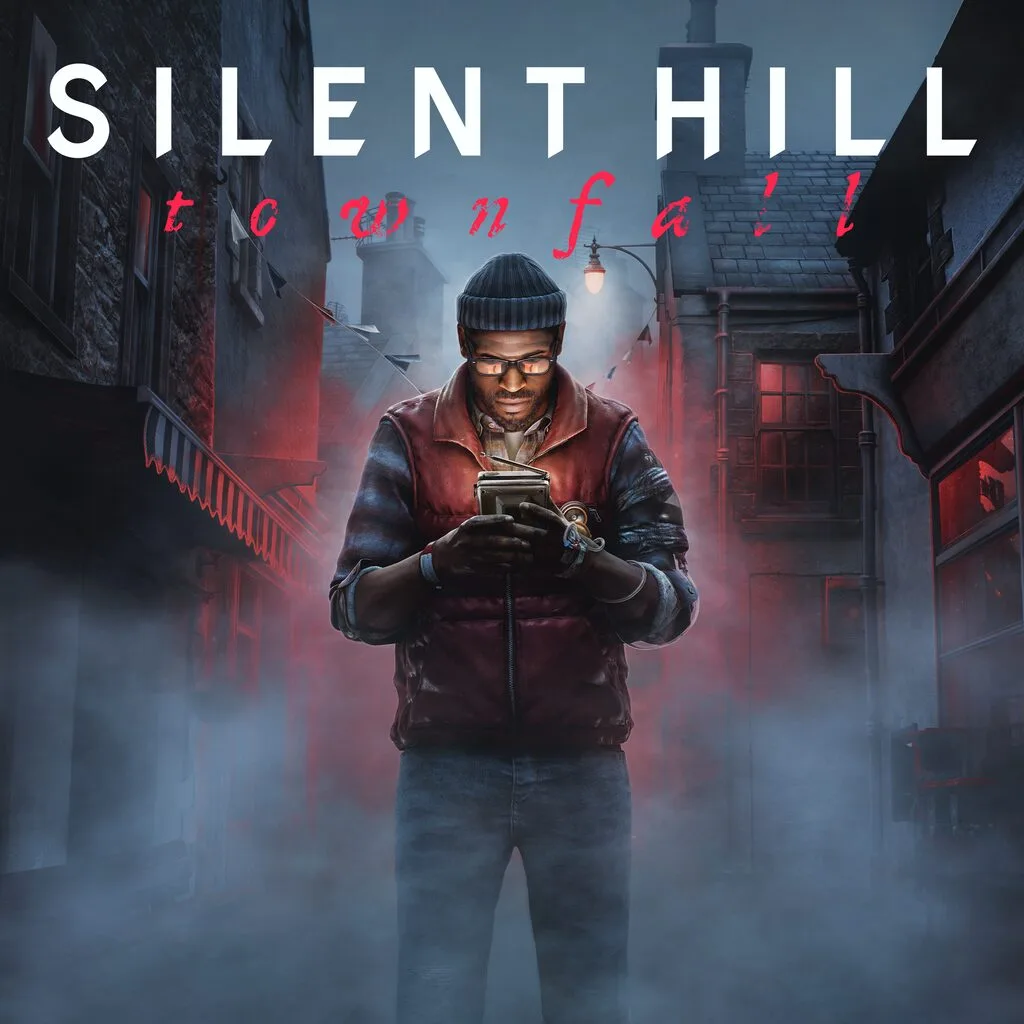
Silent Hill has always been about looking through someone else's eyes. The series built its reputation on over-the-shoulder cameras and fixed angles that let you watch your character's fear unfold in real time. You saw Harry Mason's trembling hands. You watched James Sunderland's shoulders slump. You experienced the horror through a lens that always included the person caught in it.
Silent Hill: Townfall is challenging that tradition. Developers explain why removing your character entirely makes the horror more personal.
Breaking with Tradition
The Silent Hill franchise has historically used third-person perspectives to emphasize character emotion and environmental storytelling. Seeing your character react to the nightmare around them created a unique form of empathy. You weren't just scared; you were watching someone else be scared, which added layers of narrative complexity.
But the Townfall team argues that this distance comes at a cost. By placing the camera behind the character, you create a buffer between the player and the horror. You can rationalize the fear because it belongs to someone else.
"The problem with third-person in horror is that you're always aware you're controlling a puppet," the developers stated. "First-person removes that puppet entirely. You are no longer directing a character through a nightmare. You are in the nightmare."
The team points to modern first-person horror titles, Amnesia: The Dark Descent, Outlast, and Resident Evil 7, as evidence that this approach can deliver visceral fear that third-person struggles to match. Games that strip away the avatar create a direct line between the screen and the player's nervous system. You cannot distance yourself from what is happening because there is no intermediary.
For the Townfall team, the goal was simple: make the player feel like they are "in the fog" rather than watching someone else navigate it.
Immersion and Vulnerability
The core argument for first-person horror rests on psychological principles that the Townfall team has studied extensively. First-person eliminates what they call the "avatar barrier", the instinctive separation between player and character that third-person games reinforce.
"When you see your character's hand trembling, you are being told to be scared," one developer explained. "When you don't see anything but the darkness, the fear has to come from inside you. It has to be real."
The limited field of view inherent in first-person naturally amplifies tension. Players cannot see enemies approaching from the sides or behind. Every corner becomes a potential threat. Every doorway holds unknown dangers. This limited awareness forces players into a constant state of vigilance that exhausts them emotionally, making them more vulnerable to the game's scares.
Sound design becomes more critical in this framework. Audio cues in first-person feel directly personal. The sound of breathing, the scrape of footsteps in the distance, the muffled scream from behind a locked door, these are no longer filtered through a character's perception. They arrive directly in your ears, creating a sense of presence that third-person struggles to match.
How Townfall's Gameplay Leans Into First-Person Horror
The Townfall team didn't just change the camera angle and call it a day. They redesigned the entire gameplay structure around what they call a "helplessness loop", a series of design choices that strip away player confidence and amplify vulnerability.
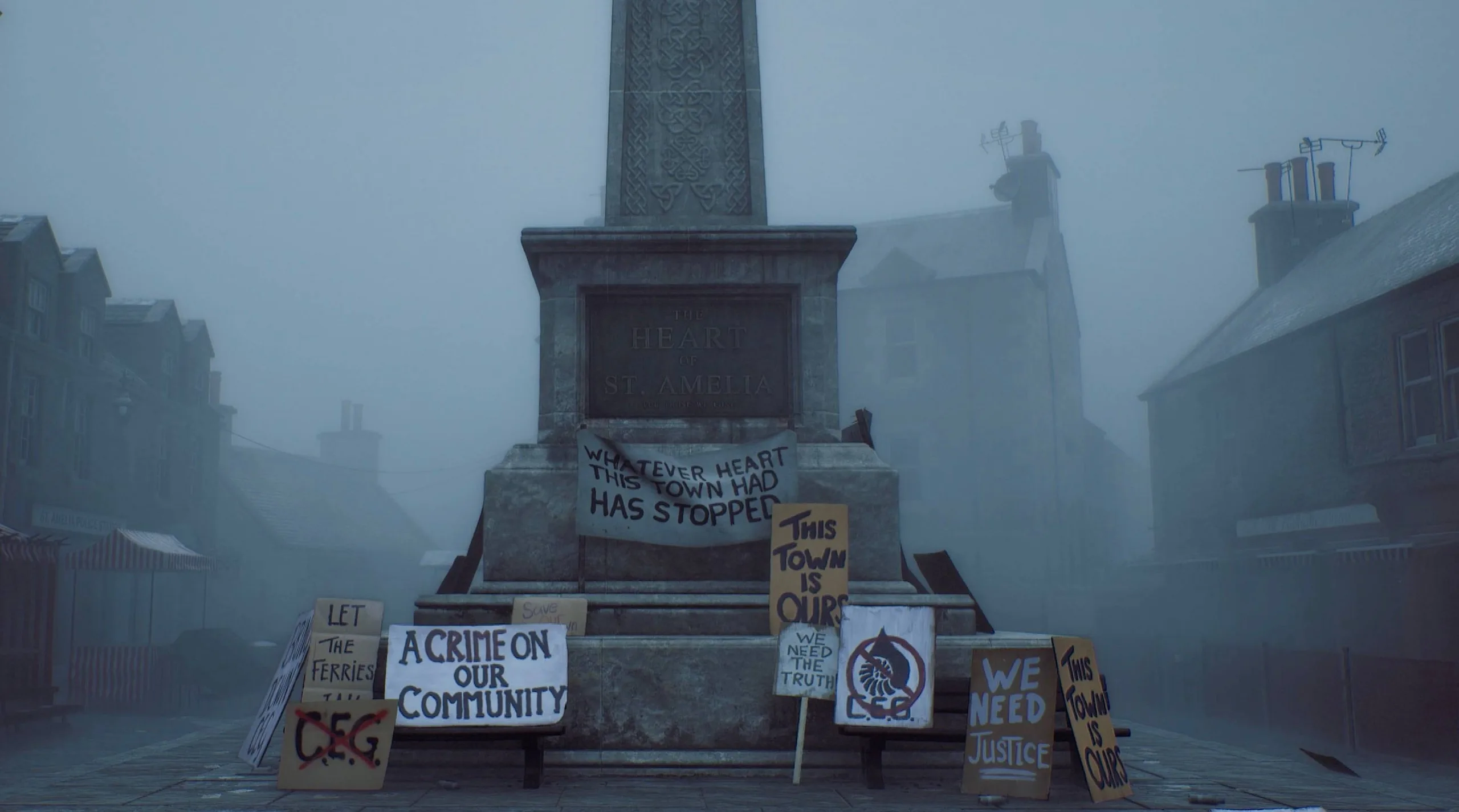
Movement has been slowed significantly. There is no weapon wheel visible on screen, meaning players must pause to access items, creating moments of vulnerability in combat. The minimap is gone entirely, removing the player's ability to maintain situational awareness of the environment around them.
Environmental puzzles have been rebuilt for first-person interaction. Players must examine objects up close, manipulating switches and mechanisms in tight spaces that heighten claustrophobia. These sequences require precise movement and careful observation, forcing players to engage intimately with the decaying environments.
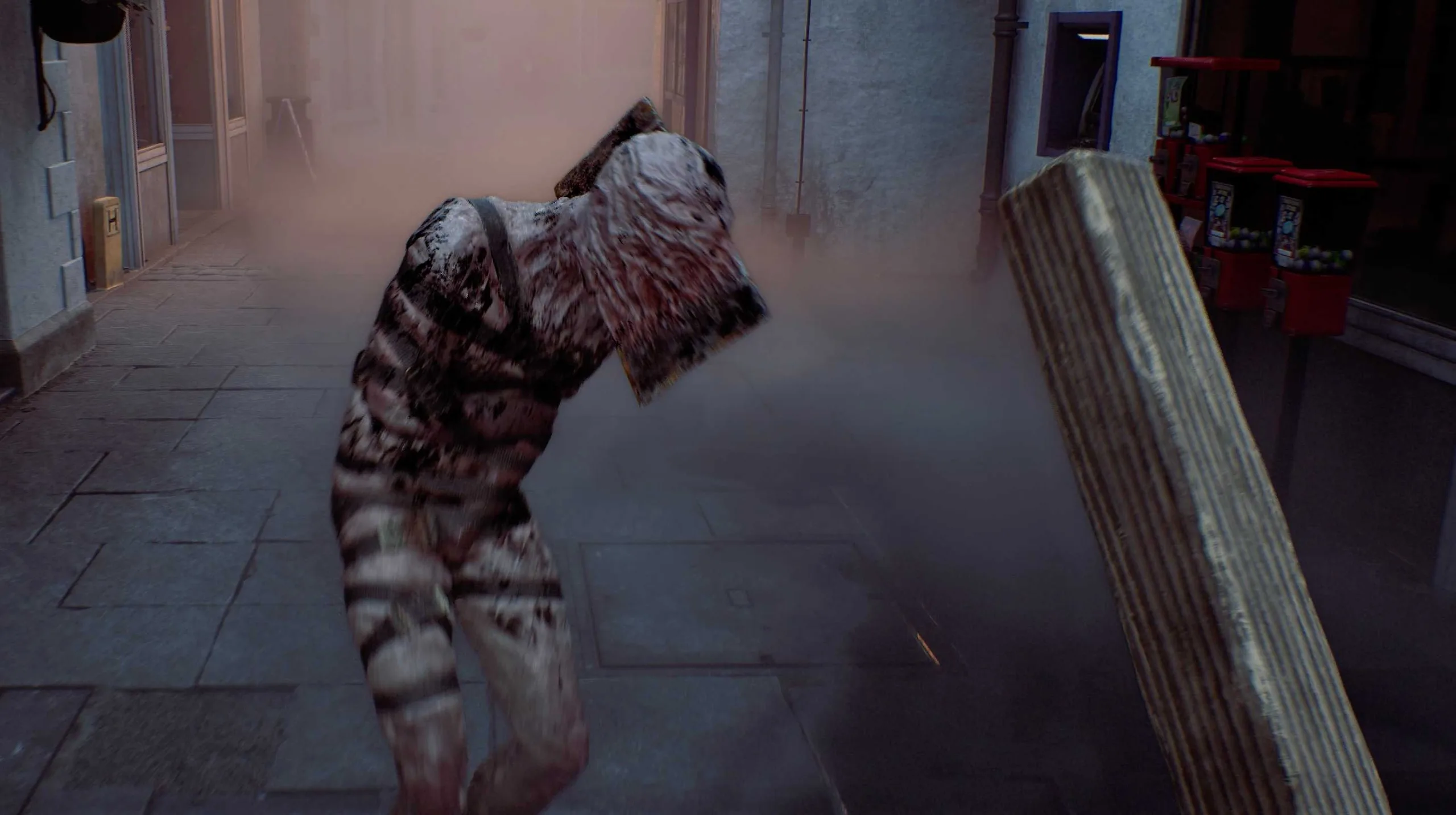
Enemy design has also shifted to take advantage of the new perspective. Monsters are built for sudden, close-proximity encounters that trigger the startle response more effectively than any third-person dodge roll ever could. The team studied the psychology of startle responses, designing encounters that exploit the natural human reaction to sudden threats appearing within arm's reach.
Challenges and Compromises
The team admits that going first-person presented significant challenges, particularly when dealing with iconic Silent Hill elements. Chase sequences with figures like Pyramid Head are notoriously difficult to stage effectively in first-person. The team had to rethink pacing entirely, finding new ways to create tension without relying on the visual language that defined earlier games.
Motion sickness was a major concern during development. The team tested numerous camera configurations before settling on a system with subtle head-bobbing and a wider field of view option. Players will be able to adjust the FOV to suit their comfort levels, though the default settings aim to retain tension without causing discomfort.
Accessibility also required careful consideration. First-person can disorient players who rely on visual awareness of their character for proper spatial understanding. The team added optional cues, subtle vignette effects and visual indicators, to help maintain a strong connection to the narrative without breaking immersion.
These trade-offs represent the reality of ambitious game design. The developers understand that not every fan will embrace this change. Some players will miss seeing their character's reactions. Some will find the first-person perspective too disorienting for a series built on atmospheric exploration.
The Silent Hill: Townfall team's decision to go first-person is not a rejection of the series' past but a deliberate evolution of its core horror philosophy. By stripping away the safety of a third-person view, they aim to make every hallway, every whisper, and every monster encounter feel inescapably personal. The Silent Hill fanbase is passionate and protective of the series' legacy. Changing something as fundamental as the camera perspective is a bold move that could either revitalize the franchise or alienate its core audience.
But the team's reasoning, grounded in modern horror design principles and psychological immersion, makes a compelling case that sometimes the scariest perspective is the one you cannot step back from. When you cannot see your character's face, you are forced to confront your own. When you cannot look away from the nightmare, you have to survive it. When you cannot step back from the nightmare, how far are you willing to walk into the fog?