Why Nintendo's Movie Cameos Aren't Building a Smash Bros. Cinematic Universe
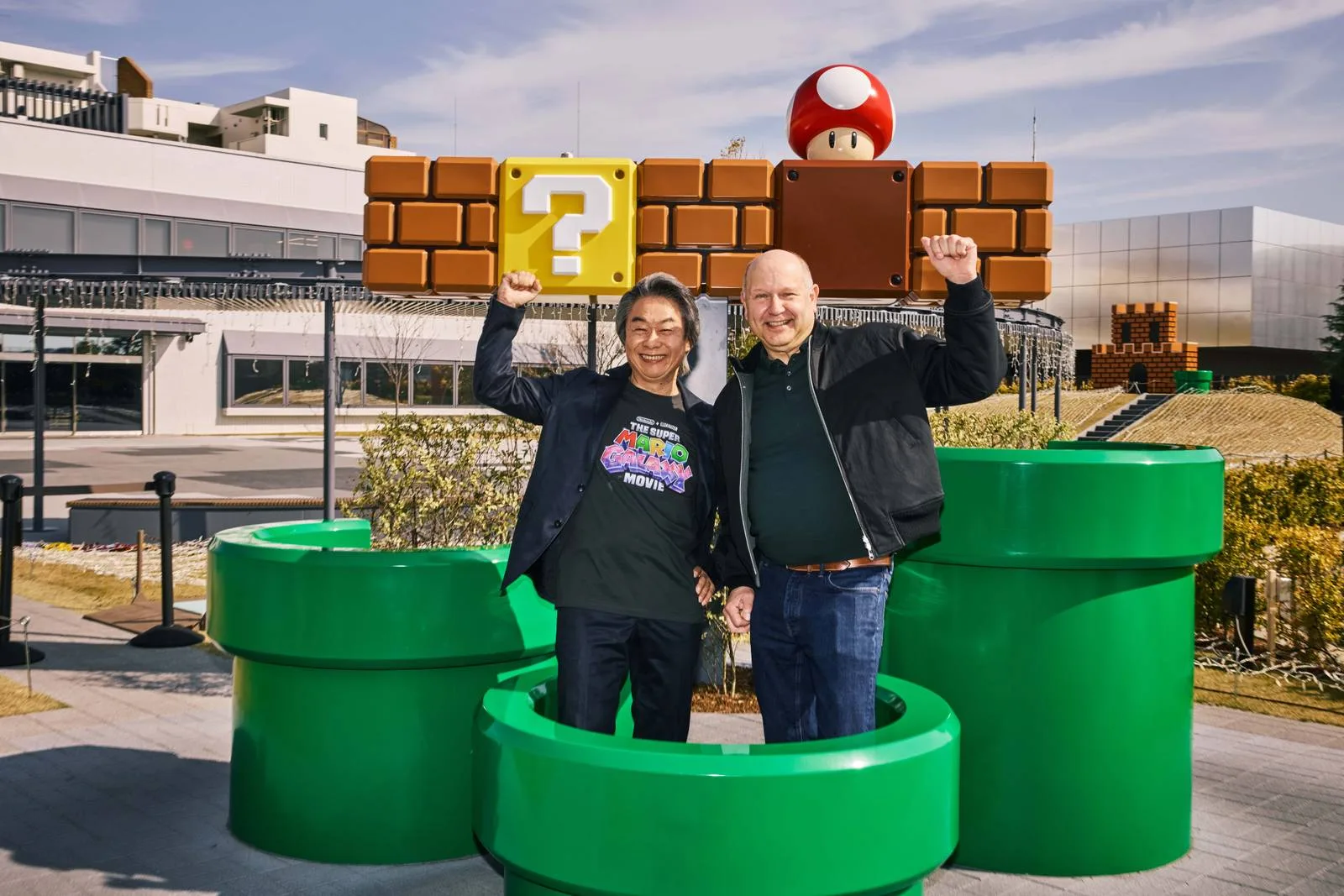
The Official Word: No Smash Bros. Movie on the Horizon Let’s address the elephant in the room—or the Master Hand in the theater. In a recent joint statement, Shigeru Miyamoto and Illumination CEO...

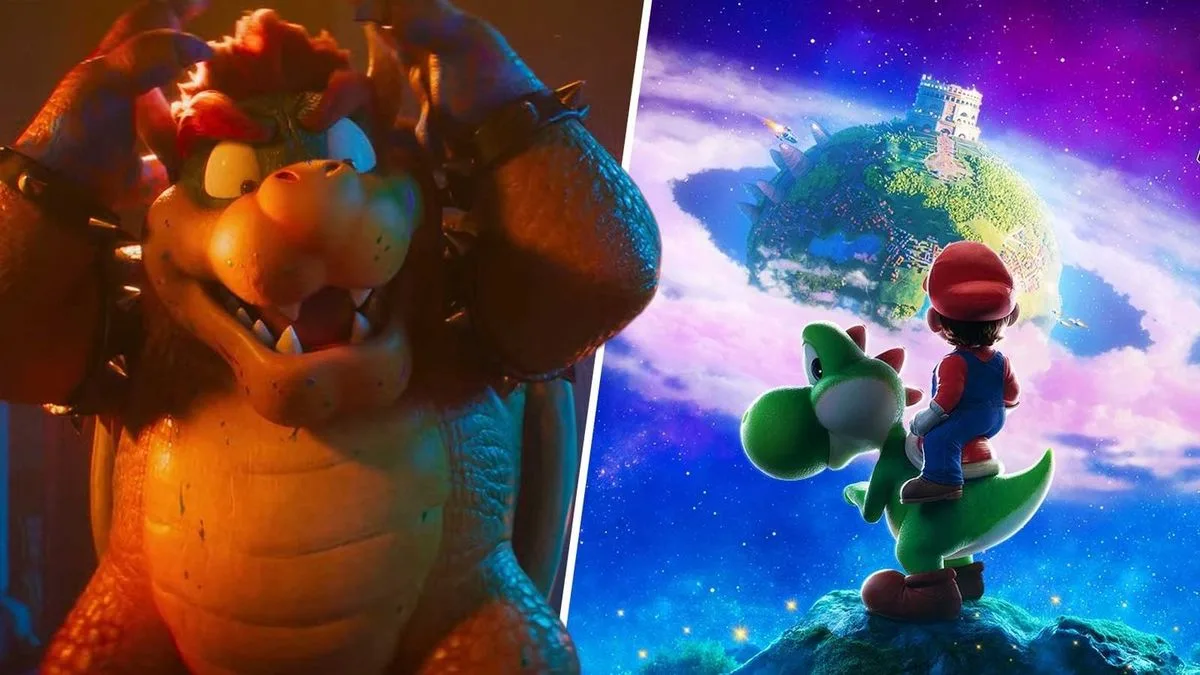
The Official Word: No Smash Bros. Movie on the Horizon
Let’s address the elephant in the room—or the Master Hand in the theater. In a recent joint statement, Shigeru Miyamoto and Illumination CEO Chris Meledandri have explicitly confirmed that a Super Smash Bros. film is not in development. This directly counters the most popular fan theory born from the movie cameos.
This stance aligns with the broader framework outlined by Nintendo President Shuntaro Furukawa. Following the monumental success of the 2023 Mario film, Furukawa stated the company is building a structure for a "consistent release" of film adaptations. The focus, however, is squarely on individual franchises. A live-action The Legend of Zelda movie is scheduled for 2027, and a Donkey Kong spin-off is reportedly in development. The strategy is franchise-by-franchise, not a crossover free-for-all.
Miyamoto himself laid out the philosophy with stark clarity. "I don't think you'll have a situation [where] all Nintendo characters would be joining [together in one movie]," he stated. This isn't a maybe; it's a foundational principle for their film endeavors.
Decoding the "Super Mario Galaxy" Surprises
So, what are we to make of the confirmed cameos in Super Mario Galaxy? The 2026 sequel, which sees Mario, Peach, and Luigi venturing beyond the Mushroom Kingdom, will feature Fox McCloud of Star Fox fame, a group of Pikmin, and even ROB the Robot, the NES accessory. Their inclusion is certainly thrilling, but context is key.
The sequel was reportedly chosen for its cinematic potential, particularly the dramatic story and music surrounding the new character Rosalina. The cameos exist within this specific narrative framework. Furthermore, the film is also packed with deep-cut Mario characters like Wart (from Super Mario Bros. 2) and Birdo, included simply because of Miyamoto's personal fondness for them. This establishes a crucial pattern: character inclusion is driven by creative affinity and scene-specific fun, not a master spreadsheet of intellectual property (IP) management.
The "Incidental, Not Strategic" Cameo Philosophy
This brings us to the core of Nintendo’s approach. Miyamoto has described these non-Mario cameos as "secret cameos" intended "to add a little bit of spice" to the film. The keyword from executives is that the process is "incidental, not strategic."
This is a stark contrast to the meticulously planned, post-credits teases of the Marvel Cinematic Universe. At Nintendo and Illumination, the question isn't "How does this set up the next film?" It's "What would be fun within this specific scene?" The collaboration process reflects this: Illumination’s team, enthusiastic about Nintendo’s vast library, suggests a wide range of possible cameos. Final approval rests with Miyamoto, who acts as the creative filter, judging purely on whether an idea "feels right" for the moment.
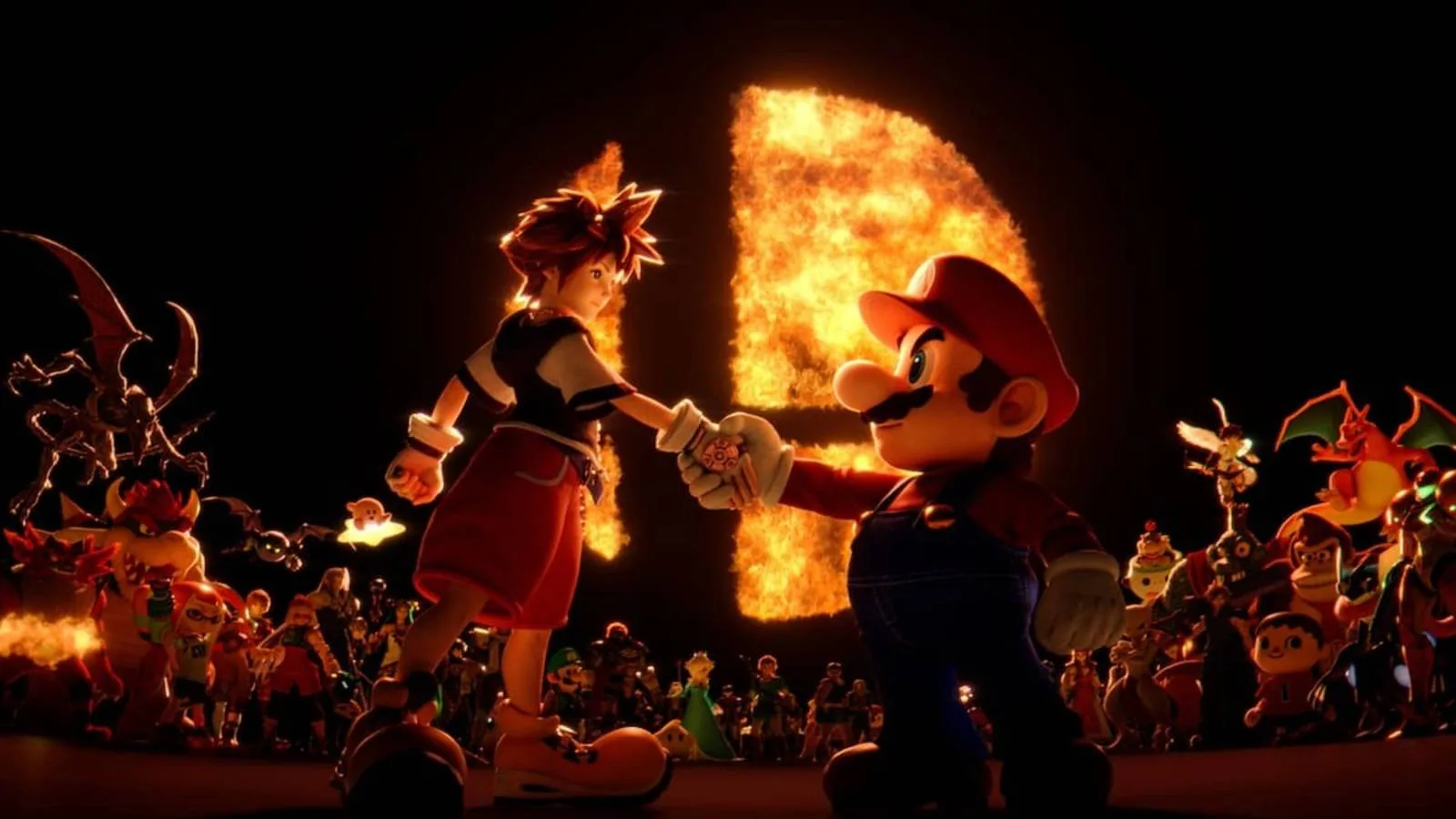
The Bigger Picture: Movies as "Touchpoints," Not Franchise Launchers
To understand this, one must grasp Nintendo’s stated goal for film. Miyamoto views movies not as franchise launchpads, but as a way to create more "touchpoints" with their characters beyond the video game console. The primary objective is audience "surprise and delight," achieved through emotional depth, comedy, or hidden details.
A perfect example of this playful, rather than narrative-driven, cross-pollination is Miyamoto’s personal rule for Pikmin. He has stated that Pikmin can appear in any Nintendo series and aims to include them in as many projects as possible. This isn't a plot mandate; it's a creator's whimsical signature, a shared joke with the audience that knows to look for it.
Cameos vs. Cinematic Universes: What It Means for Fans
For fans, this philosophy requires a slight shift in expectation management. The sight of Fox McCloud’s Arwing soaring through a Mario movie is a fantastic Easter egg and a celebration of Nintendo’s legacy, but it is not a teaser for a Star Fox spin-off film. It’s a nod, not a promise.
That said, these cameos don’t exist in a vacuum. They are part of the broader Nintendo ecosystem. Fox’s appearance, for instance, neatly coincides with industry rumors of a new Star Fox game and the impending launch of the Nintendo Switch 2. The cameo serves as a playful reinforcement of the character’s relevance across media, not a narrative bridge.
The takeaway is clear: in its film strategy, Nintendo prioritizes creative, moment-to-moment joy over interconnected franchise building. They are crafting experiences, not blueprints.
Conclusion
In an industry often focused on building expansive cinematic universes, Nintendo’s film strategy stands apart. As articulated by Shigeru Miyamoto, it is refreshingly committed to the immediate, playful experience. The cameos in Super Mario Galaxy are less about constructing a shared narrative future and more about celebrating a rich legacy in the present. They are invitations to share a moment of delight, reinforcing that for Nintendo, the joy of the scene itself is the ultimate goal.
Tags: Nintendo, Super Mario Bros. Movie, Super Smash Bros., Shigeru Miyamoto, Cinematic Universe, Star Fox, Pikmin, Illumination, film adaptation, video game movies