Why Netflix Cancelled Terminator Zero: The Story Behind the Anime's Sudden End
A Promising Launch and an Abrupt Ending Terminator Zero premiered on August 29, 2024, with significant fanfare. Backed by Skydance—the current stewards of the film franchise—and animated by the...

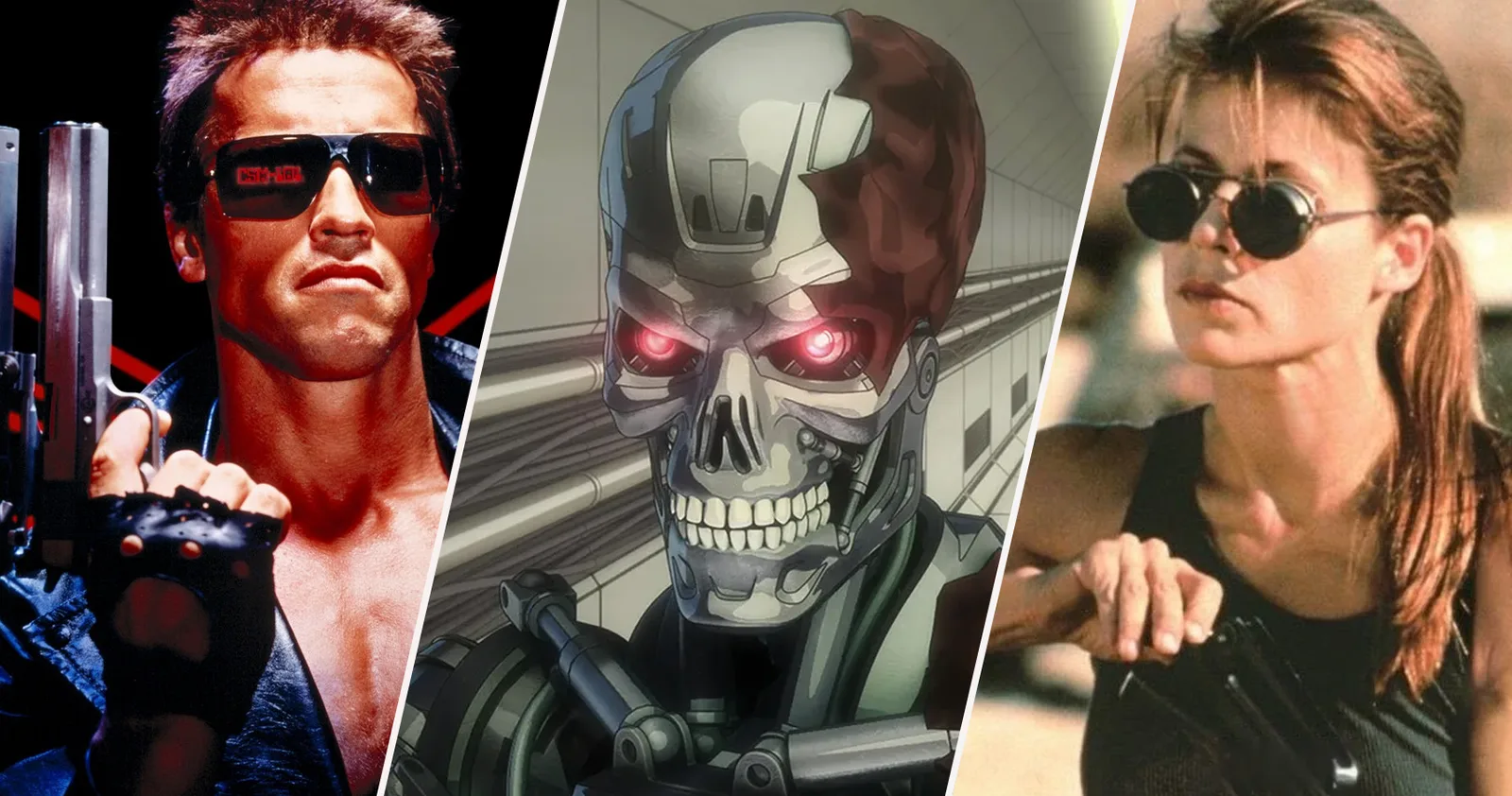
A Promising Launch and an Abrupt Ending
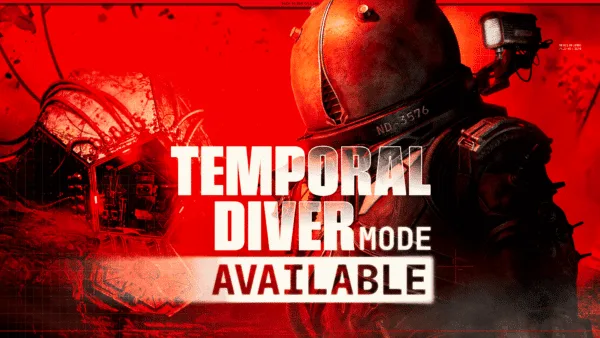
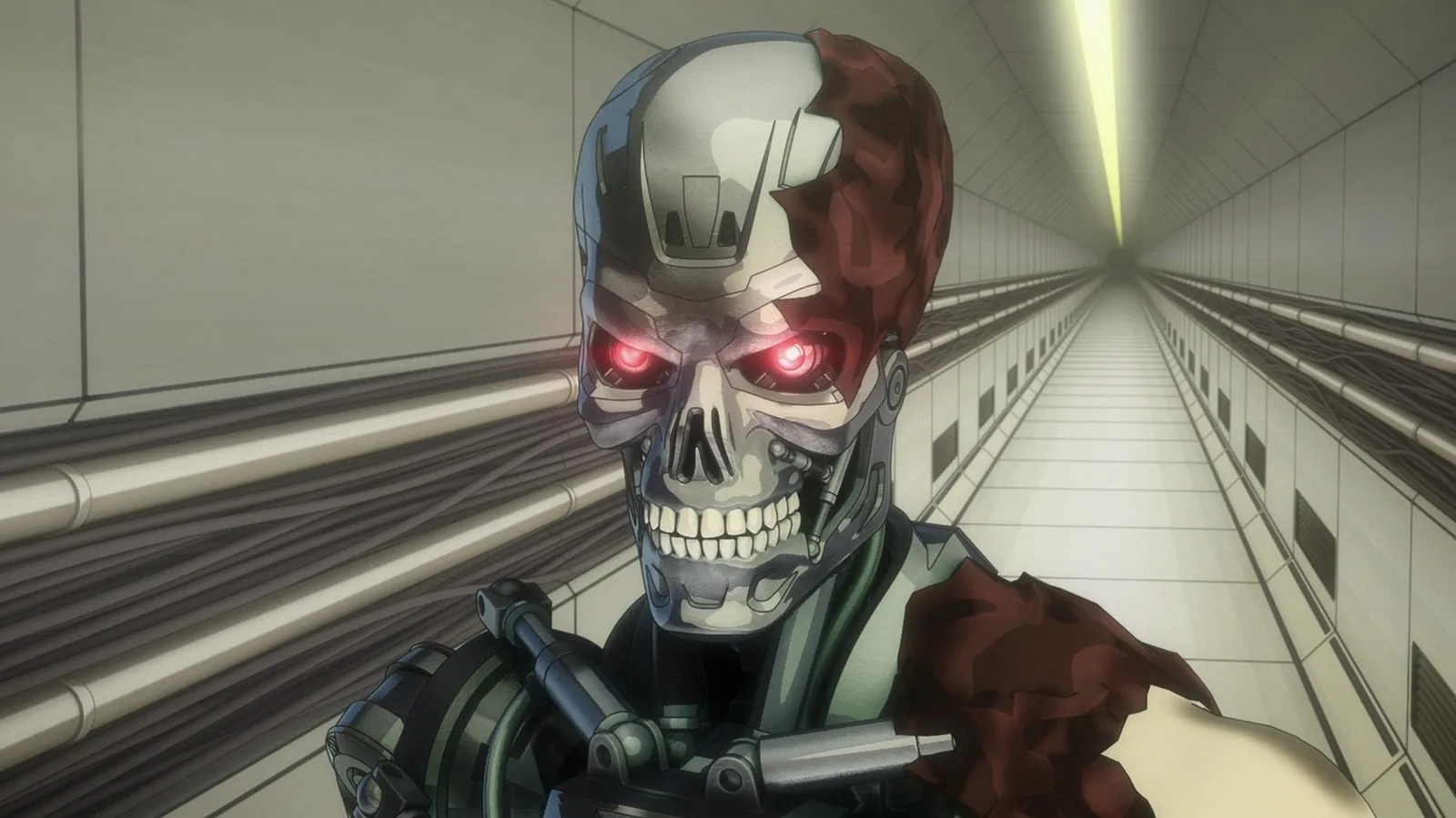
Terminator Zero premiered on August 29, 2024, with significant fanfare. Backed by Skydance—the current stewards of the film franchise—and animated by the legendary studio Production IG (Ghost in the Shell), it promised a fresh take on James Cameron’s enduring war against the machines. The premise shifted the timeline to 1997, following a soldier named Kokoro sent from the future to protect scientist Malcolm Lee, who is on the verge of creating a rival AI to Skynet.
Featuring a powerhouse voice cast including Rosario Dawson, Timothy Olyphant, and André Holland, the series seemed built for longevity. Critics praised its philosophical depth and kinetic action, and it quickly developed a dedicated fanbase. This context makes the thought of a 2026 cancellation announcement all the more jarring. In this scenario, by communicating directly with fans, Tomlin would confirm the worst: despite their efforts, the future plotted for the series would remain unwritten.
The Core Reason: The Viewership vs. Budget Equation
Based on Tomlin’s hypothetical statement and standard industry patterns, the primary reason for cancellation would likely be a classic Netflix dilemma: insufficient viewership to justify the high production budget. This is the core engine of the platform's renewal decisions. Netflix operates on a data-driven model where a show’s survival hinges on a complex equation balancing cost against specific, often undisclosed, engagement metrics—such as completion rates, new subscriber acquisition, and overall watch time.
Terminator Zero would find itself on the wrong side of this equation. Despite strong critical reception and positive word-of-mouth, it might fail to attract a large enough audience within the crucial first weeks to be deemed a "hit" by Netflix’s internal standards. The high cost of producing a premium, internationally co-produced anime with top-tier talent creates a steep viewership threshold. The irony is palpable: a well-reviewed entry in a global franchise, from an acclaimed animation house, could still be deemed not viable. It underscores a harsh reality of the streaming era: critical success is no longer a shield; it is merely one factor in a business-first calculation.
Unfinished Business: The Multi-Season Plan That Never Was
The true depth of the loss would become clear as Tomlin detailed the scope of what was planned. He had envisioned a five-season story arc for Terminator Zero, a substantial narrative journey that the first season merely set in motion. The creative team would not be caught off guard; they were prepared. Scripts for a full second season were already written, and the major story beats for a third season were largely outlined.
In a revealing twist, Netflix might offer a path to a form of closure: producing 2-3 additional episodes to wrap up the narrative. Tomlin could make the difficult artistic decision to decline this offer. In his view, compressing years of planned character development and complex sci-fi plotting into a mini-movie would be a disservice to the story and the audience. This decision highlights a fundamental tension in streaming: the corporate need for tidy cost-control versus the creative need for appropriate narrative space. Choosing to leave Season 1 as an incomplete but tonally consistent chapter would be preferable to forcing an abbreviated, potentially unsatisfying conclusion.
A Graceful Exit and Future Possibilities
Throughout this hypothetical process, Mattson Tomlin’s conduct would be a masterclass in professional grace. He would likely express no ill will toward Netflix, perhaps explicitly stating they were "good partners" who provided significant marketing support and, crucially, creative freedom during production. This nuance is important—it shifts the narrative from a tale of corporate villainy to one of market realities. The system, not necessarily any individual within it, failed the show.
Tomlin might also leave the door open for the future, however faintly. His suggestion that the story of Terminator Zero could live on in another format, such as a novel or a comic series, is particularly interesting. For a fan audience, this represents a potential for the core narrative and character arcs to be completed outside the constraints of streaming economics, preserving the creator's vision in a different medium. It offers a sliver of hope to fans invested in Malcolm Lee and Kokoro’s fate. For now, the complete eight-episode first season remains available on Netflix. It stands as a testament to what was achieved: a visually spectacular, thoughtfully written anime that, for all its unfinished business, successfully delivered a self-contained first act.
Conclusion
The story of Terminator Zero is a definitive marker for the current state of high-budget genre television. It exemplifies the fragile nature of long-form storytelling in an environment governed by immediate metrics and shareholder expectations. A show can have name recognition, critical acclaim, and a passionate creative vision, yet still be terminated by the unyielding logic of the algorithm. Its potential cancellation is a sobering reminder that in the streaming wars, even a terminator can be stopped—not by a plasma rifle, but by a spreadsheet. The series would join a growing library of "what could have been" projects, its potential future erased, leaving audiences to wonder about the stories that are now lost to the stream.
Tags: Terminator Zero, Netflix, anime cancellation, streaming wars, science fiction