Why Mega Man's Voice Actor Walked Away: The Union Contract Dispute Shaping Gaming's Future
In an industry where casting changes are often framed as creative differences or scheduling conflicts, a recent announcement cut through the usual PR veneer with the sharp clarity of a Mega Buster...

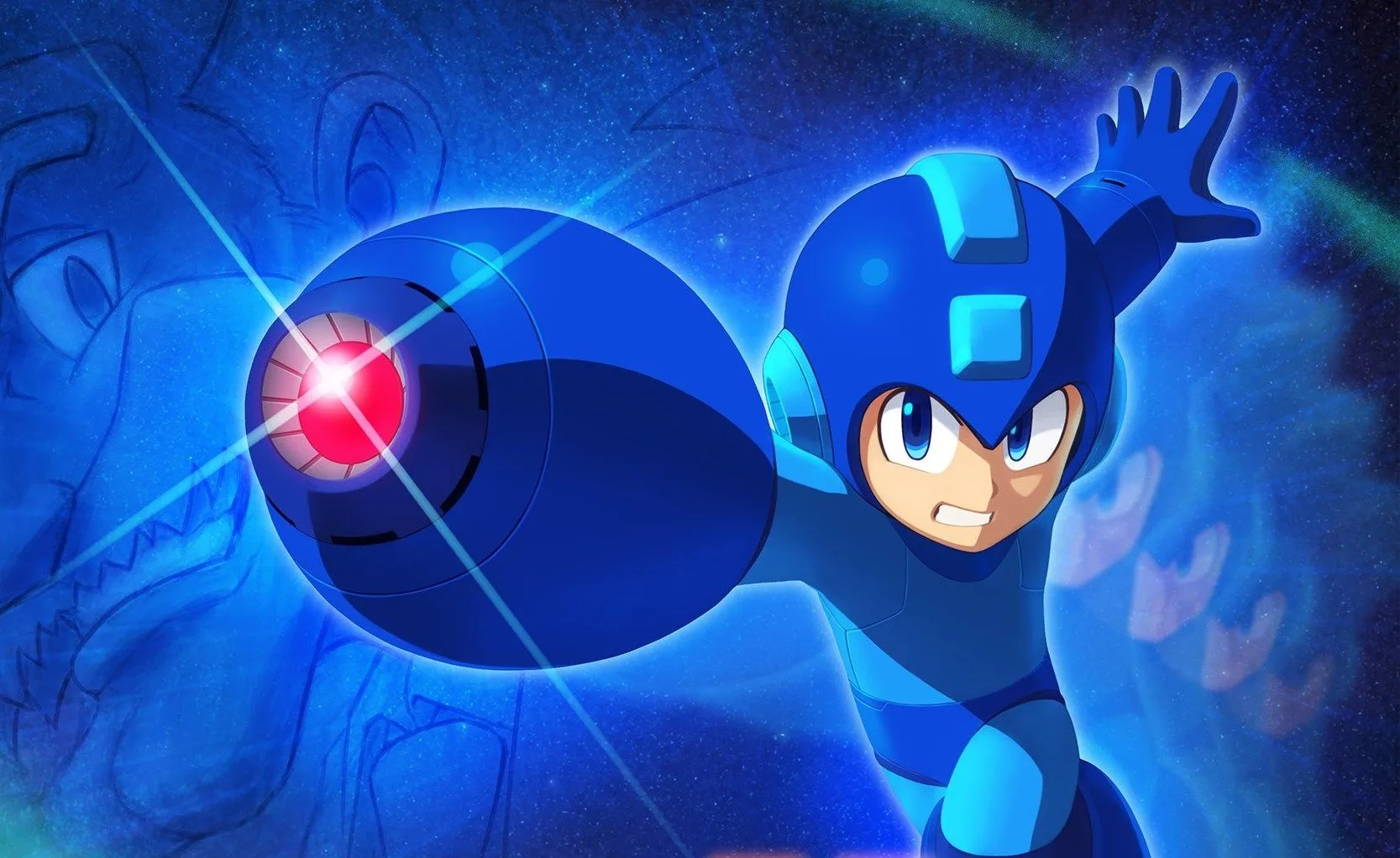
In an industry where casting changes are often framed as creative differences or scheduling conflicts, a recent announcement cut through the usual PR veneer with the sharp clarity of a Mega Buster shot. Ben Diskin, the voice behind the Blue Bomber in 2018’s acclaimed Mega Man 11, revealed he will not return for the upcoming sequel, Mega Man: Dual Override. This isn’t a simple recast story. It’s a frontline dispatch from the escalating clash between creative labor and corporate practice, a direct consequence of Hollywood’s seismic labor battles now decisively reshaping the video game production landscape. Diskin’s departure is a voluntary walk-off triggered by a fundamental refusal: Capcom’s offer of a non-union contract in an era where union-backed protections, especially concerning AI, have become a non-negotiable line in the sand for many performers.
The Breakdown: Why Diskin Declined the Role
The core issue is contractual. For Mega Man: Dual Override, Capcom extended an offer to Ben Diskin to reprise his role, but strictly under a non-union agreement. In response, the Screen Actors Guild‐American Federation of Television and Radio Artists (SAG-AFTRA) issued a formal "Do Not Work" order for the project. This order, a powerful union tool, was enacted because Capcom failed to initiate the required signatory process to hire unionized actors. It doesn't just advise members; it formally prohibits SAG-AFTRA's 160,000-plus members from accepting work on the project, severely limiting Capcom's immediate pool of professional voice talent.
For Diskin, the refusal was rooted in a very modern anxiety: the threat of unchecked artificial intelligence. He stated that while Capcom provided written assurances of "full A.I. protections" for his vocal performance, those promises rang hollow outside a union framework. The critical difference lies in enforcement. Under a non-union deal, if Capcom or a future licensee were to misuse a digital replica of his voice, Diskin’s sole recourse would be to personally sue the corporate giant—a daunting and financially perilous prospect for any individual actor. A union contract, by contrast, bakes these protections into a collectively bargained agreement, enforceable through a union grievance process without placing the entire legal burden on the performer.

Beyond One Role: The Stakes of the SAG-AFTRA Protections
Diskin’s stance, however, is not merely a personal preference; it's a direct application of a new industry standard forged in collective action. His decision is a direct application of the landmark protections won in the trenches of the 2025 SAG-AFTRA strike. That historic settlement established crucial guardrails around the use of AI and digital replicas in entertainment, including video games. Key victories included requiring informed consent and compensation for the creation and use of digital replicas, and clear boundaries on how synthetic voices can be employed.
By insisting on a union contract, Diskin is seeking to invoke this new, hard-won standard. He is drawing a direct line from the picket lines to the recording booth, arguing that the security of a union’s collective bargaining power is essential to make corporate promises legally ironclad. “The whole point of the union is that we have a contract that we can point to,” his reasoning implies. It’s the difference between trusting a company’s goodwill and relying on a legally enforceable industry standard.
A Compromise Refused: Diskin's Offer and Capcom's Stance
In a move that underscores this is a matter of principle, not purely pay, Diskin reportedly attempted to find a middle ground. He claimed he offered to work for a lower-budget contract if Capcom would agree to make the project a union production. The company refused this compromise.
Capcom’s stance, while not explained publicly, reflects significant corporate calculations. Agreeing to a union contract for Dual Override could set a precedent for future titles, potentially affecting budgeting and production flexibility across its portfolio. It also involves formally becoming a union signatory for the project, a process with its own administrative and financial implications. As of now, Capcom has not provided an official public statement on the dispute or announced a replacement voice actor, leaving a void of uncertainty around the project.
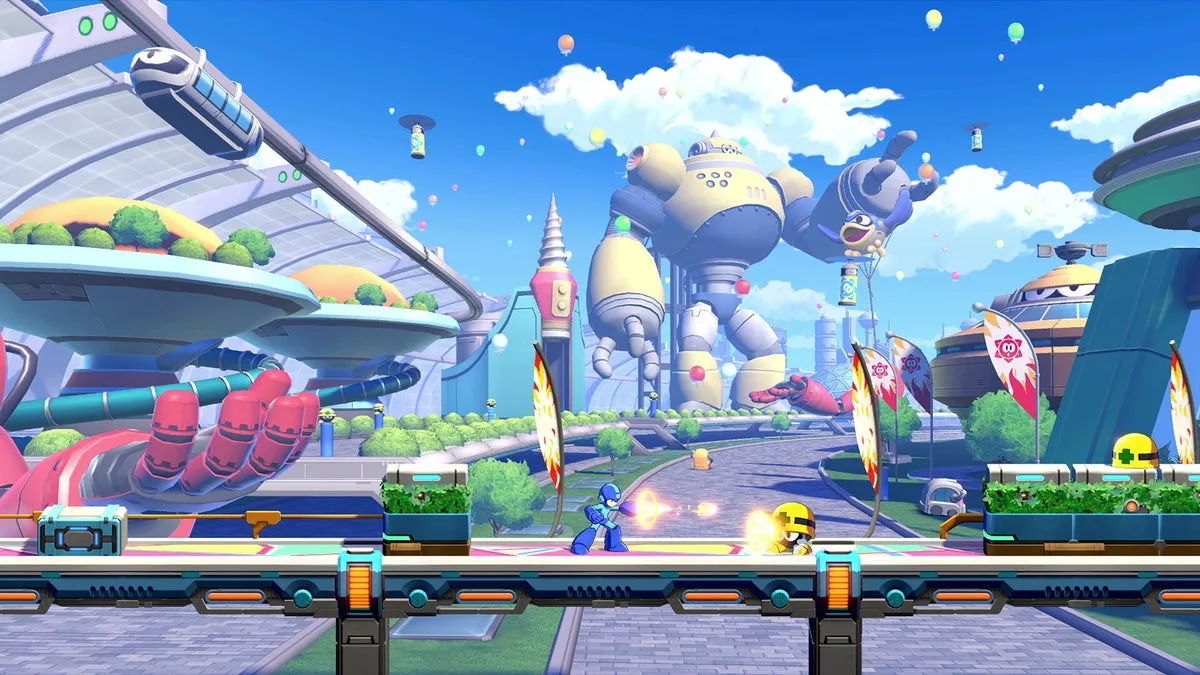
High-Risk Sequel: The Shadow Over Mega Man: Dual Override
The stakes for Capcom are particularly high with this title. Mega Man: Dual Override is the first new mainline game in the series since Mega Man 11, which itself is noted as the best-selling game in the series' history. Diskin’s performance was a celebrated part of that success, helping to define a modern incarnation of the beloved character after a long hiatus.
Recasting the lead role now carries substantial risk. It could alienate a fanbase that just recently re-embraced the franchise. Furthermore, the SAG-AFTRA "Do Not Work" order complicates the search, as it restricts access to a vast segment of experienced, high-profile talent, potentially leading to delays or compromises in casting. In an industry where ethical consumerism and fair labor practices are under increasing scrutiny, Capcom’s resistance to a union deal—especially after a performer offered to take less pay—risks positioning the company as out of step with evolving labor standards, a potentially damaging perception in an era of heightened consumer awareness.
Conclusion: A Microcosm of Industry Change
The search for a new voice for Mega Man is now about more than finding the right vocal tone. It is a public stress test for the new norms established by the SAG-AFTRA strike. This dispute is a microcosm of a pivotal shift: will major studios like Capcom adapt to these union-backed standards, viewing them as a necessary cost of securing top-tier talent and maintaining a positive public image? Or will they resist, seeking to maintain the pre-strike status quo?
The outcome will send a clear signal. If Capcom holds firm and successfully produces Dual Override with non-union talent, it may embolden other studios to resist the new standards. Conversely, if public pressure or production challenges force an adaptation, it would mark a significant victory for the post-strike labor movement within gaming. The resolution of this dispute over a single blue robot’s voice will likely influence not just future Mega Man games, but the tenor of negotiations and talent relations across the entire voice acting and game development industry for years to come.
Tags: Mega Man, Voice Acting, SAG-AFTRA, Capcom, Game Development