Why FromSoftware Said No: The Untold Story of the Bloodborne Remake That Never Was
Author's Note: This article explores a compelling "what-if" scenario based on the current industry landscape, the known philosophies of the key players, and fervent fan speculation. It is an...

Author's Note: This article explores a compelling "what-if" scenario based on the current industry landscape, the known philosophies of the key players, and fervent fan speculation. It is an analytical narrative imagining a future where commercial logic and artistic control collide with dramatic consequences.
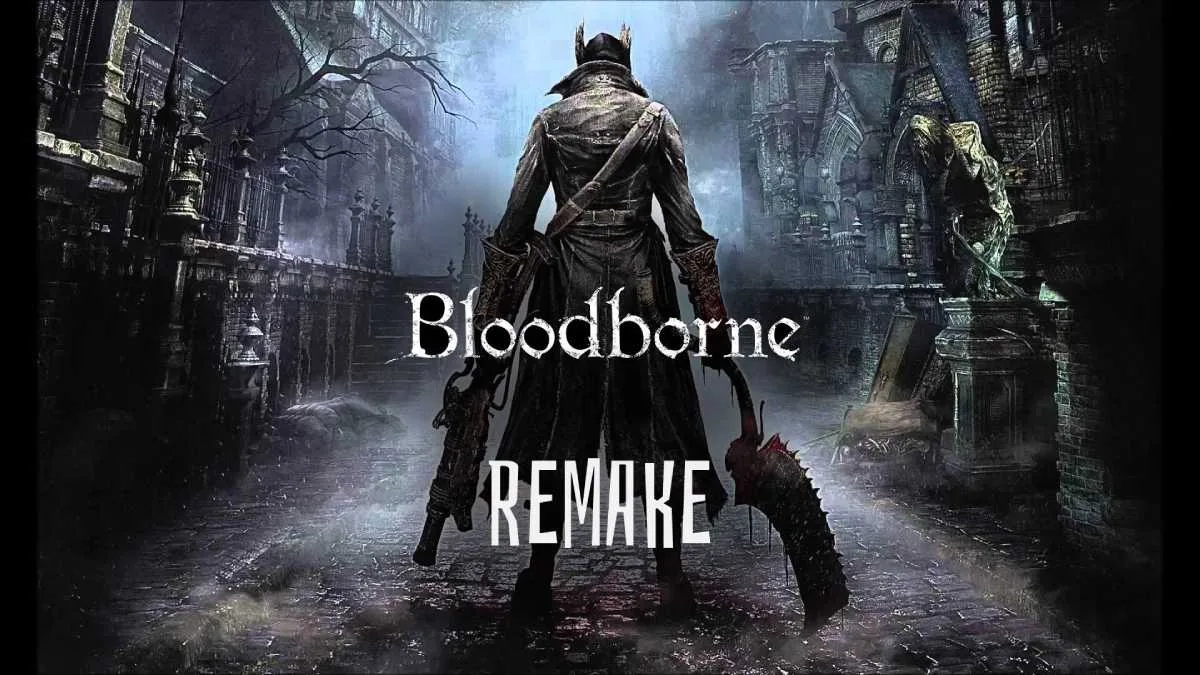
What if one of gaming’s most fervent community wishes was not just considered, but actively pitched by the industry’s most celebrated remake studio? Imagine a moment where that dream flickered to life. Bluepoint Games, the acclaimed studio behind the masterful Shadow of the Colossus and Demon’s Souls remakes, formally pitches a full-scale remake of Bloodborne to its parent company, Sony Interactive Entertainment. The logic seems impeccable: a beloved classic, a proven developer, and a fanbase begging for a modern release. Yet, the project dies before it can ever draw breath. In a twist that reveals the complex power dynamics behind beloved franchises, the veto does not come from the publisher holding the purse strings. In this hypothetical scenario, the rejection comes from the original creator, FromSoftware, guarding the sanctity of its grim masterpiece.
This is a story of a dream project colliding with the uncompromising vision of its creators, a clash between commercial potential and artistic control that could reshape the fate of a renowned studio. It’s a glimpse into the high-stakes decisions that shape the games we play.
The Pitch and the Unexpected Veto
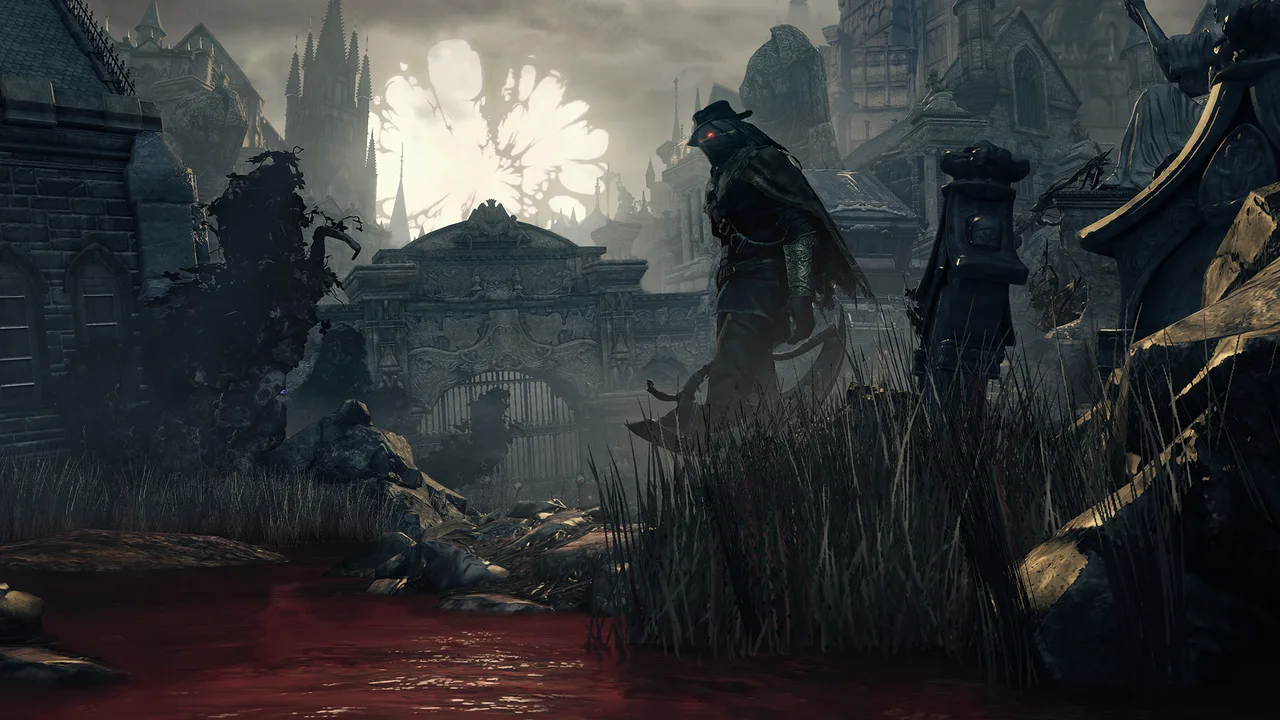
Following its acquisition by Sony in 2021, Bluepoint Games was in a position of strength. Its Demon’s Souls remake was a technical showcase and a commercial success for the PlayStation 5, proving the studio could not only faithfully recreate a FromSoftware classic but elevate it for a new generation. Emboldened, one can easily imagine the team turning its sights to what many consider the crown jewel of Sony’s exclusive catalog: Bloodborne.
In this scenario, Bluepoint formally makes its internal pitch. The case is strong. Bloodborne, released in 2015, remains trapped on the PlayStation 4, playable on PS5 only through backward compatibility without enhancements. A full remake could unlock 4K resolution, high frame rates, drastically reduced load times, and a visual overhaul leveraging the PS5’s power—the same treatment that revitalized Demon’s Souls. Sony’s leadership, understanding the built-in audience and prestige of the project, would likely be receptive to its commercial logic.
The roadblock, however, emerges not from Sony’s boardrooms, but from across the Pacific. FromSoftware, the game’s original developer, exercises a decisive, if informal, veto. Despite Sony owning the intellectual property, the creative lineage and legacy of Bloodborne are deemed inseparable from its creator. The message is clear: this is not a path Sony would be willing to walk without FromSoftware’s blessing, a blessing that, in this narrative, is not forthcoming.
The Guardians of Yharnam: FromSoftware's Protective Stance
To understand this hypothetical rejection, one must understand FromSoftware’s culture under president and creative director Hidetaka Miyazaki. This is a studio that has fiercely guarded its creative autonomy, even as its commercial success has skyrocketed. Former PlayStation executive Shuhei Yoshida has offered a telling theory, suggesting Miyazaki is “protective” of Bloodborne and might prefer to revisit it himself—a sentiment PlayStation would undoubtedly respect.
Miyazaki’s own public comments have been characteristically humble yet revealing. In a 2024 interview, when asked about a potential remake, he stated it was “not in my place” to discuss, as FromSoftware does not own the IP. However, he immediately followed by acknowledging the obvious: “I’m sure there’s a lot of benefits to having newer hardware.” This careful phrasing paints a picture of a creator in a passive position, acknowledging potential but not championing the cause. It underscores a philosophy where the original vision, warts, technical limitations, and all, is an intrinsic part of the experience. (It’s worth noting that while FromSoftware has supervised external remasters like Dark Souls: Remastered, they have never initiated or developed a full, ground-up remake of their own work.)
In an industry increasingly dominated by remakes, reboots, and live-service revisitations, FromSoftware’s stance is a notable anomaly. They move forward, not backward. Guarding Bloodborne from external reinterpretation, even by a talented studio like Bluepoint, would be consistent with protecting the artistic legacy and the specific, haunting atmosphere that defines the game. It sets a powerful precedent: a FromSoftware game is not just code and assets; it is a singular artifact of its creators.
A Studio in Limbo: The Road to a Hypothetical Closure
In this narrative, the rejection of the Bloodborne remake is not an isolated setback for Bluepoint; it becomes the first domino in a chain that could lead to the studio’s dissolution. Having staked its reputation and future on high-fidelity remakes, Bluepoint might find itself without a clear mandate. The studio would likely pivot, pitching new projects to fill the void.
One could imagine these including an updated version of its own Shadow of the Colossus remake or a spin-off set in the world of Ghost of Tsushima. Neither might gain traction. This period of uncertainty could follow the earlier cancellation of a live-service God of War project, painting a picture of a studio struggling to find a sustainable direction within the Sony ecosystem. Without a major greenlight, the talented team could be left in development limbo.
In the culmination of this scenario, Sony might eventually announce the closure of Bluepoint Games. While corporate restructuring is always multifaceted, the high-profile Bloodborne rejection could be portrayed as a major contributing factor and a symbol of the challenges that led to this point. The dream project would not only have been killed but, in a tragic turn, helped seal the fate of the studio that dreamed it. It would be a stark lesson in the volatility of the remake-focused development model when access to iconic IP is not guaranteed.
Bloodborne's Future and FromSoftware's Present
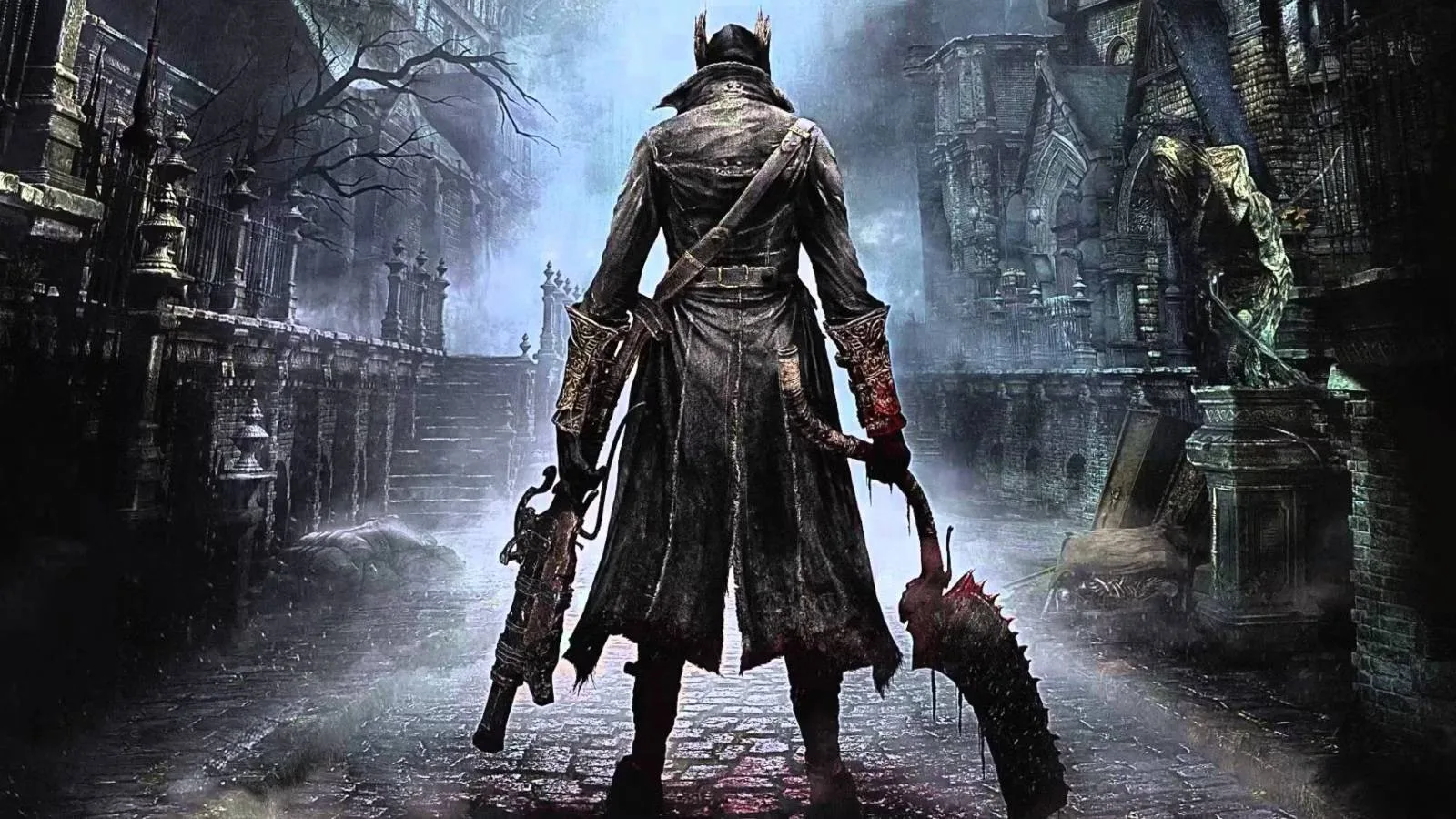
So, what becomes of Bloodborne in reality? The IP remains firmly in Sony’s vault, with no official plans for a remake, remaster, or sequel ever indicated. For now, hunters must continue their journey through Yharnam on the original software, its 30fps cap and lengthy load times preserved as part of its challenging character.
FromSoftware’s gaze, meanwhile, is fixed firmly on the future. The studio is reportedly deep in development on multiple projects, including Elden Ring expansions and new, original titles. Industry rumors and job listings often hint at projects with gothic horror aesthetics that evoke clear Bloodborne influences for platforms like the rumored Nintendo Switch 2.
This raises a compelling question: does a new, original project represent the spiritual or creative direction Miyazaki prefers over revisiting Bloodborne? For a creator like Miyazaki, the answer is likely yes. The freedom to explore new nightmares, untethered from the expectations of a past masterpiece, aligns with the forward momentum that has defined his career. A Bloodborne remake, even a brilliant one, would be an act of preservation. A new game is an act of creation.
The story of the Bloodborne remake that never was—whether real or imagined—is a powerful industry parable with complex morals. It is a tale of a studio’s dream potentially dashed by the very creators it sought to honor. It represents a hypothetical, perhaps pyrrhic, victory for uncompromising artistic control over near-guaranteed commercial profit. For fans, this narrative offers a potential, definitive closure on years of hopeful speculation—a future where the fate of Bloodborne is sealed not by corporate indifference, but by the protective hands of its architects. The legacy of Yharnam would remain, for better or worse, exactly as they left it: perfect, untouchable, and preserved in time.