Why Borderlands 4's Nintendo Switch 2 Port Was Paused: A Strategic Shift for Take-Two
The promise of looting and shooting on the go has hit a major snag. Take-Two Interactive has officially pressed pause on development of the Nintendo Switch 2 port for Borderlands 4 , a significant...

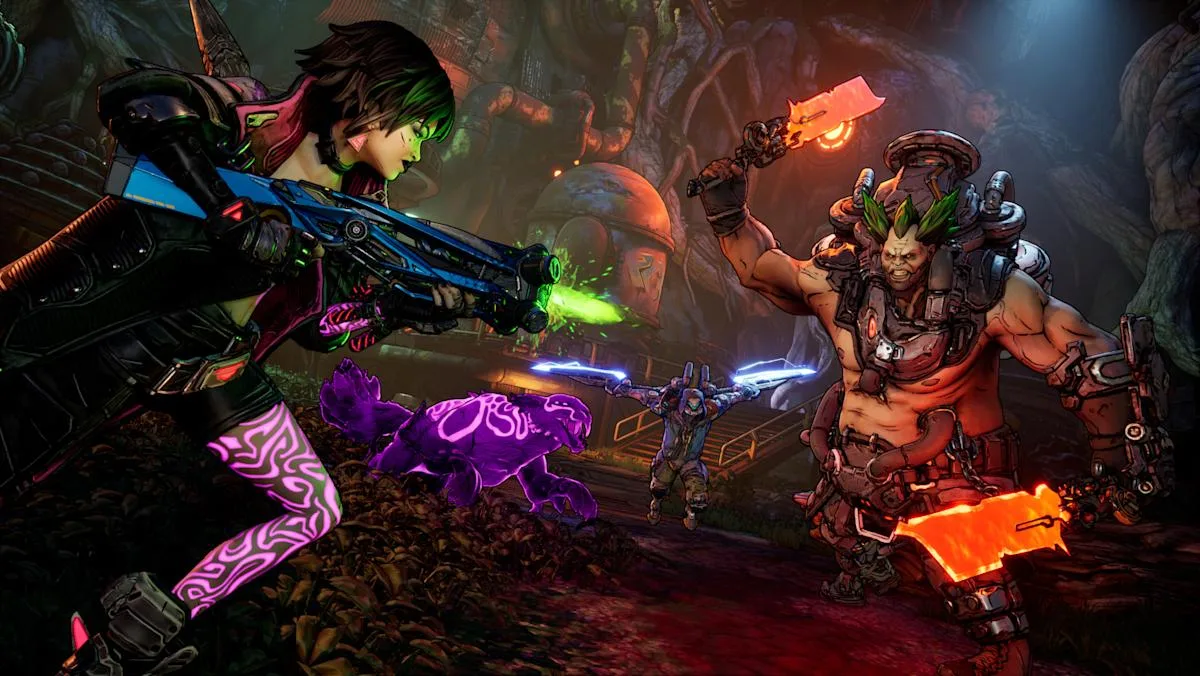
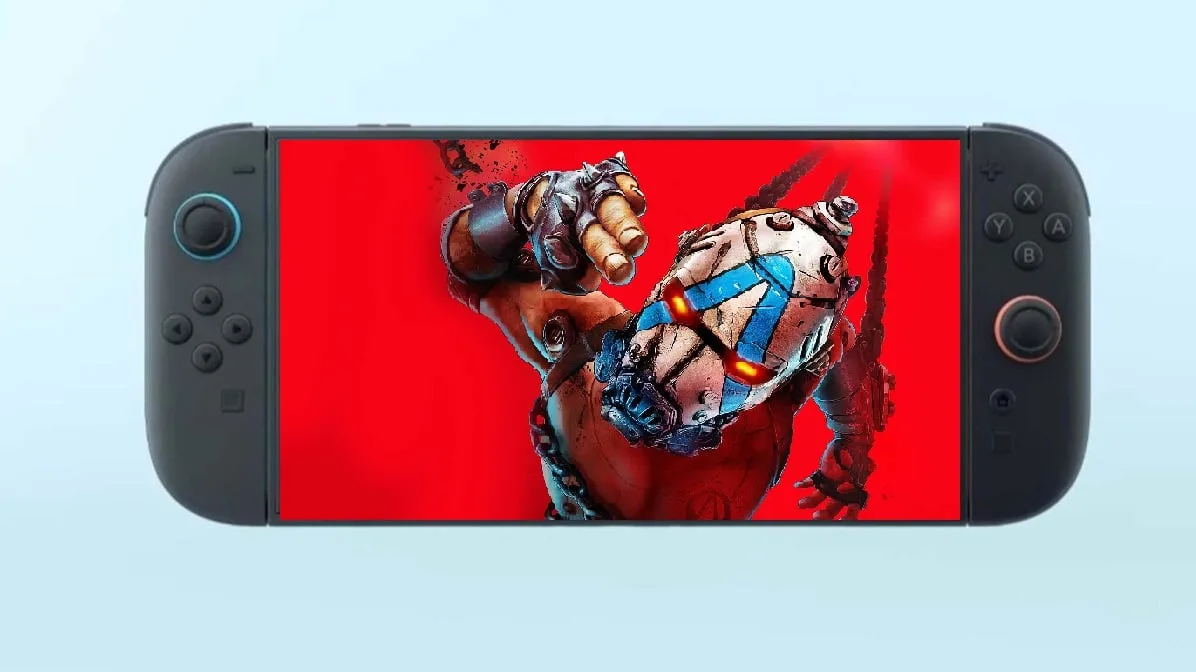
The promise of looting and shooting on the go has hit a major snag. Take-Two Interactive has officially pressed pause on development of the Nintendo Switch 2 port for Borderlands 4, a significant shift from its original multi-platform launch plan. This decision, confirmed during the company's recent Q3 2026 earnings presentation and in a statement to Variety, changes the outlook for major third-party support on Nintendo's newest hardware. What began as a promised launch window title has become a case study in corporate prioritization. This article will trace the timeline of this decision, analyze the stated and strategic reasons behind it, and explore the implications for both the Switch 2 ecosystem and the players waiting to take Pandora portable.
The Timeline: From Launch Day to Indefinite Pause
The road to this pause was paved with shifting dates. Borderlands 4 launched on PlayStation 5, Xbox Series X/S, and PC on September 12, 2025. The Nintendo Switch 2 version was scheduled to follow closely on October 3, 2025, positioning it as a key early title for the new console.
The first major setback arrived just eleven days after the main launch. On September 23, 2025, developer Gearbox Software announced an indefinite delay. The reasons cited were a need for “additional development and polish time” and a strategic desire to align the port’s release with cross-save functionality—a critical feature for a loot-driven game on a hybrid console.
By Take-Two’s Q2 earnings presentation on November 6, 2025, the status had shifted from “delayed” to a vague “TBA” (To Be Announced). The final confirmation came during the Q3 2026 earnings call. Take-Two formally announced the pause, a move underscored by the official Borderlands 4 post-launch content roadmap. This detailed plan for story DLC, raid bosses, and seasonal events conspicuously omitted any mention of the Switch 2 port, signaling its removal from the active development pipeline.
The Official Reasoning: Focus and Resources
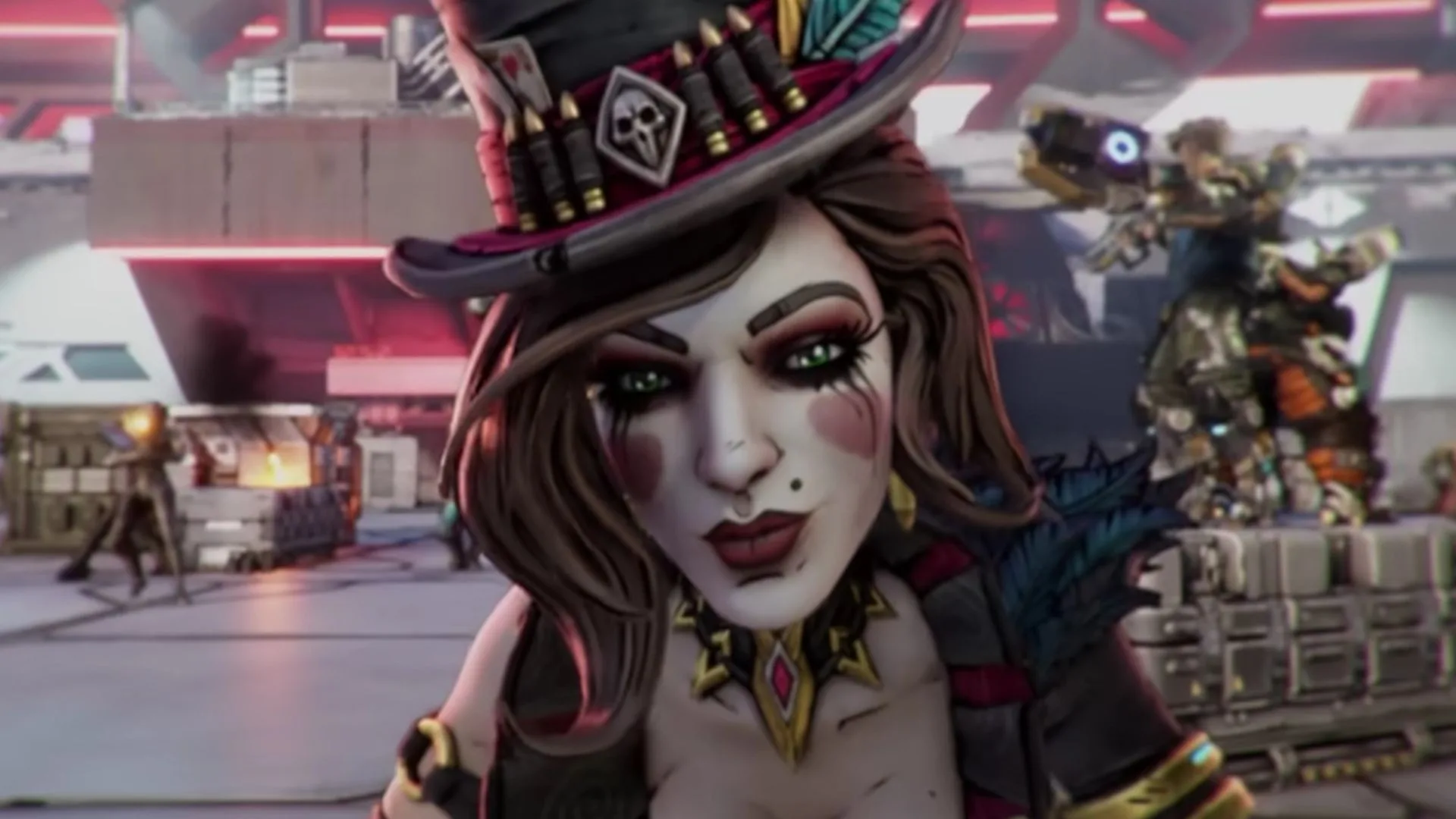
In its communications, Take-Two presented a clear, resource-focused rationale. The company stated its current priority is “delivering post-launch content and optimizing the base game experience” for the platforms where Borderlands 4 is already available. This points to a classic scenario in game development: finite manpower must be allocated where it will have the greatest impact on the largest player base.
The implication is that the Switch 2 port, likely requiring significant technical work to adapt the current-gen looter-shooter to a hybrid console, was consuming substantial development resources. By pausing it, those engineers, artists, and testers can be redirected to support the live game for millions of existing players.
Take-Two was careful to note this is a project-specific pause, not a platform abandonment. The publisher emphasized its “continued collaboration with Nintendo on other titles,” specifically naming PGA Tour 2K25 and the upcoming WWE 2K26 for Switch 2. This distinction is vital—it shows the decision stems from a calculation about Borderlands 4’s specific requirements rather than a loss of faith in the Switch 2’s market.

The Bigger Picture: Take-Two's Portfolio and Strategic Priorities
While resource allocation for Borderlands 4 itself provides a sufficient explanation, Take-Two's decision-making must also be viewed through the lens of its entire portfolio—a portfolio currently dominated by one impending release.
Take-Two’s corporate strategy for the latter half of this decade orbits the November 19, 2026, release of Grand Theft Auto VI. The game has already been delayed from Fall 2025, and a global marketing blitz is set to begin in the summer of 2026. The launch of a new Grand Theft Auto title is a singular event. For context, its predecessor, GTA V, has sold a staggering 225 million units since 2013 and remains a financial juggernaut. Ensuring GTA VI meets its astronomical potential requires an all-hands-on-deck approach across Take-Two’s entire organization.
In this environment, projects deemed non-essential to the core launch strategy face intense scrutiny. The Borderlands 4 Switch 2 port, a complex technical undertaking for a platform that would represent a fraction of the game’s total sales, likely appeared as a resource drain at a time when corporate focus must be absolute. It can be framed as a difficult but calculated decision to ensure every available resource is ready to support the company's most important product in a generation.
Implications for the Nintendo Switch 2 and Gamers
This decision sends ripples beyond Take-Two’s boardroom, directly impacting the Nintendo Switch 2 ecosystem and its community.
For the Switch 2’s library, it raises a pointed question: Will the console consistently miss out on simultaneous AAA third-party releases? While tech-heavy ports may still arrive, the pause suggests that the most demanding, cutting-edge titles might face significant hurdles or strategic delays. The hybrid console’s hardware, while a leap over its predecessor, may still necessitate compromises that some publishers are unwilling to make at launch.
For gamers, the disappointment is palpable. A core segment of the Nintendo audience values the flexibility of hybrid play, and the prospect of a full-fledged Borderlands experience on the go was a major selling point. The pause leaves these fans in limbo, forced to choose between missing out or investing in another platform.
The critical question now is one of permanence. Take-Two’s use of “paused” leaves the door technically ajar. A potential revival could occur post-GTA VI launch, or if the Switch 2 install base grows to a point that justifies the investment. However, with each passing DLC release for the main game, the technical challenge of creating a unified, up-to-date port only grows, making a resurrection less likely with time.
The pause of Borderlands 4 for Switch 2 is a multifaceted signal. It highlights the intense resource demands of modern game development and the tough prioritization calls publishers must make. For Nintendo, it serves as a reality check: while partnerships with major third parties remain strong, the path to securing every blockbuster day-and-date release on the Switch 2 may be fraught with technical and strategic obstacles. Ultimately, this move reflects a publishing landscape where portfolio management and monumental tentpole releases can reshape even the most anticipated launch plans. The dream of a portable Borderlands 4 isn't dead, but its fate now hinges on a broader corporate strategy that extends far beyond Pandora.
Tags: Borderlands 4, Nintendo Switch 2, Take-Two Interactive, Game Development, Third-Party Support