Why a PS6 Delay Could Be Sony's Chance to Reclaim Its Creative Edge
A recent Bloomberg report sent a ripple through the industry: Sony is reportedly considering a significant delay for its next console, potentially pushing the PlayStation 6 launch to 2028 or 2029....


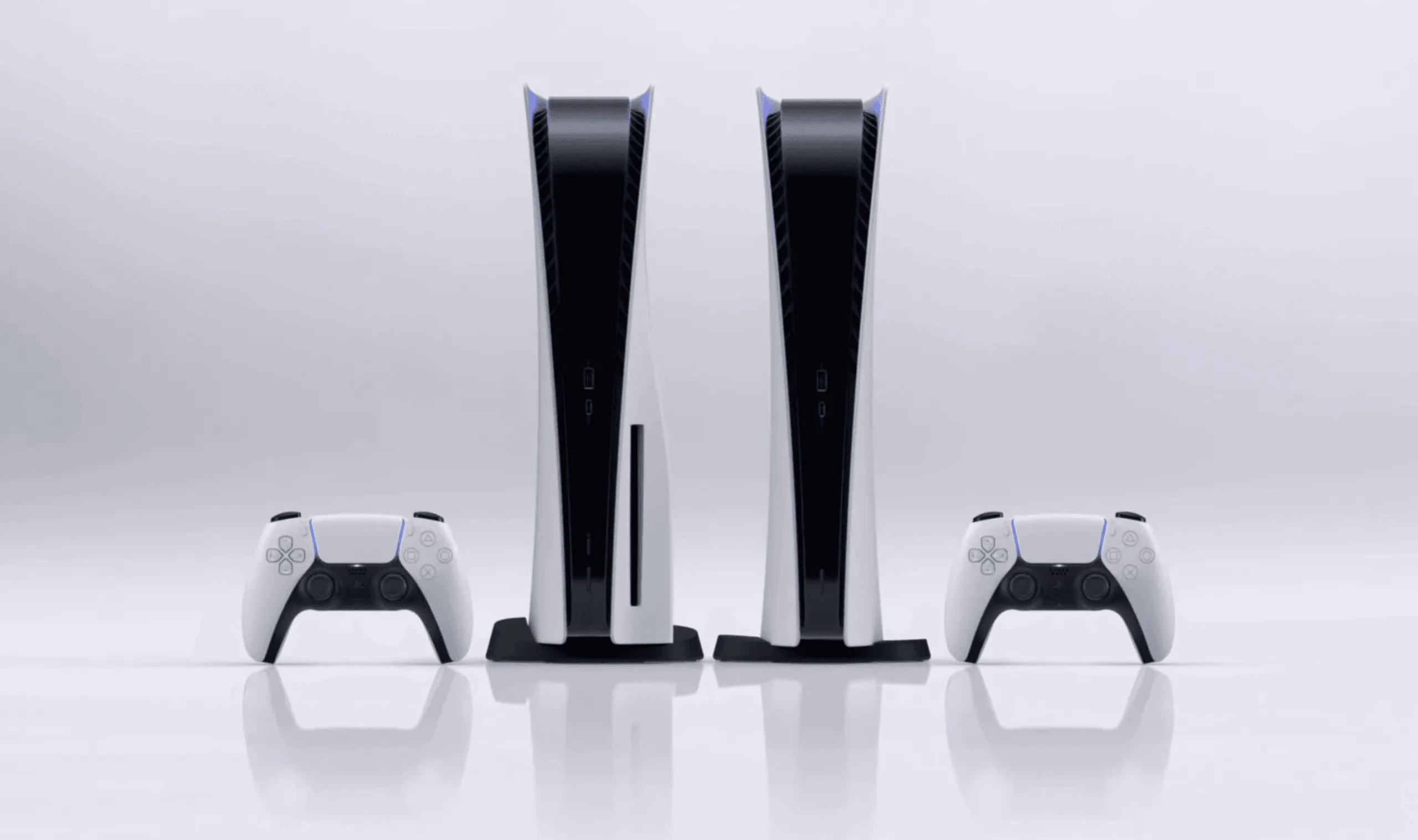
A recent Bloomberg report sent a ripple through the industry: Sony is reportedly considering a significant delay for its next console, potentially pushing the PlayStation 6 launch to 2028 or 2029. The cited culprit is a familiar foe—a global AI-fueled chip shortage driving up memory prices—creating a challenging economic landscape for all hardware manufacturers. While such news is typically framed as a setback, a different narrative is emerging. What if this extended PlayStation 5 lifecycle isn't a problem to be solved, but a unique, strategic opportunity? In an era defined by AAA games with triple-digit million-dollar budgets and painfully long development cycles, could this be the perfect moment for Sony to rediscover its creative soul? Could this delay be the catalyst for PlayStation to get weird again?
For decades, PlayStation's identity was built not just on power, but on a remarkably eclectic and innovative library. From the surreal Parappa the Rapper to the gritty Syphon Filter, the platform was a tent big enough for both blockbuster ambitions and creative experiments. The current landscape, however, has seen that diversity wane under the immense pressure of modern game development. An extended PS5 generation, free from the immediate pressure to showcase a graphical leap for a new box, could provide the breathing room Sony needs to reinvest in the mid-scale, creatively daring projects that built its brand in the first place.
The Pressure Cooker of the PS5 Era
The PlayStation 5’s journey has been a tale of two realities. On one hand, it is a monumental sales success, having moved over 92 million units as of early 2026, securing its place as the eighth best-selling console of all time. On the other, its lifecycle has been uniquely fraught, launching into a global pandemic, plagued by years of component shortages, and characterized by a slow drip of major first-party exclusives.
This software pacing is symptomatic of a broader, industry-wide crisis. The cost of making a top-tier AAA game has ballooned to unsustainable heights. Former PlayStation CEO Shawn Layden has been vocal about this shift, noting that with budgets now in the "triple-digit millions," corporate risk tolerance has plummeted "to zero." The result is a homogenization of the blockbuster space—a relentless focus on proven, safe sequels and live-service models, often at the expense of variety and pure creative experimentation. For a platform holder like Sony, this creates immense pressure: every first-party release must be a system-selling event, a behemoth that justifies its own existence. This environment leaves little oxygen for the smaller, quirkier ideas that once flourished.
A Blueprint in Nostalgia: The "AA" Advantage
If the AAA space is a high-stakes casino, the extended console generation could allow Sony to spend more time at the rewarding, lower-stakes tables. The blueprint for this strategy already exists and has proven wildly successful. Look no further than Astro Bot, the charming 3D platformer that captured hearts and a major prize at The Game Awards 2024. It was a polished, beloved, and commercially viable hit that didn't require a $200 million budget or a seven-year development cycle.
This is the "AA" advantage. With the PS6 potentially years away, the relentless drive to push graphical boundaries as a primary selling point temporarily subsides. This frees up resources—both financial and creative—to pursue smaller-scale projects. These games can revive cult classic franchises, test bold new ideas, or deliver polished experiences in genres that the blockbuster machine has left behind. They carry less financial peril than a tentpole launch title but offer immense value in rebuilding a diverse and vibrant software ecosystem, directly addressing the loss of variety Layden warned about.
Dusting Off the Toy Box: Franchises Waiting for a Comeback
An extended PS5 timeline is the perfect opportunity to reopen Sony's vast archive of dormant IPs. A mid-scale, "AA" approach is ideally suited for reviving franchises that fans have longed for, but which may not justify a full-blown, modern AAA budget. Imagine what could be done with a new, stylized entry in the anti-gravity racing series Wipeout, or a tense, narrative-driven revival of Syphon Filter for a new generation. The potential extends to the superhero saga Infamous, the charming cel-shaded heists of Sly Cooper, or even a localized release of the serene summer simulator Boku no Natsuyasumi.
Projects like these would be more than mere nostalgia plays. They would be strategic investments in portfolio diversity and fan goodwill. They cater to a passionate core audience, test creative waters with manageable risk, and, most importantly, they would signal that PlayStation's library is once again a place of surprise and variety. During the mature, latter phase of a console's life, these kinds of titles can be powerful tools for re-engaging lapsed players and maintaining platform momentum.
The Bigger Picture: Industry Crossroads and Divergent Paths
Sony's reported deliberation is not happening in a vacuum. It reflects a pivotal crossroads for the entire industry, where economic realities are forcing every major player to recalibrate. The same Bloomberg report that highlighted Sony's potential delay also noted that Nintendo is grappling with the same component shortages, considering a price hike for its upcoming Switch 2 successor. Nintendo President Shuntaro Furukawa acknowledged the pressure, stating that while recent memory price rises haven't yet "significantly" impacted hardware profitability, the situation is being watched closely.
This industry-wide squeeze presents two divergent paths: where Nintendo faces a classic hardware pricing dilemma, Sony is presented with a unique software strategy opportunity. Both scenarios underscore that the era of predictable, cost-contained console generations is under strain. The decisions made now—whether about hardware pricing, launch timing, or software investment—will define the competitive landscape for years to come. For Sony, the challenge is to turn a hardware delay into a software renaissance.
A delayed console is rarely headline-grabbing, positive news. Yet, the unique convergence of the PS5's commercial strength and the industry's current economic turbulence has created a rare and valuable window. Sony should use this time not merely to engineer more powerful silicon for the PS6, but to revitalize the creative spirit that has always been its greatest asset. By strategically investing in diverse, mid-scale projects—from beloved revivals to entirely new experiments—Sony can rebuild a software portfolio with personality and soul. The true goal for the next generation shouldn't be defined solely by teraflops and ray-tracing, but by the sheer, delightful breadth of experiences waiting to be played. The path to the future of PlayStation might just be found by courageously looking back into its own, wonderfully weird past.
Tags: PlayStation 6, Sony Interactive Entertainment, Video Game Industry, Game Development, Console Gaming