When War Games Meet Real War: Analyzing the White House's Call of Duty Video and Military Propaganda
Editor's Note: This analysis examines a potential future scenario to explore the real and growing trend of gamified state propaganda. The events, operations, and reactions described are constructed...

Editor's Note: This analysis examines a potential future scenario to explore the real and growing trend of gamified state propaganda. The events, operations, and reactions described are constructed for the purpose of analyzing this emerging phenomenon.
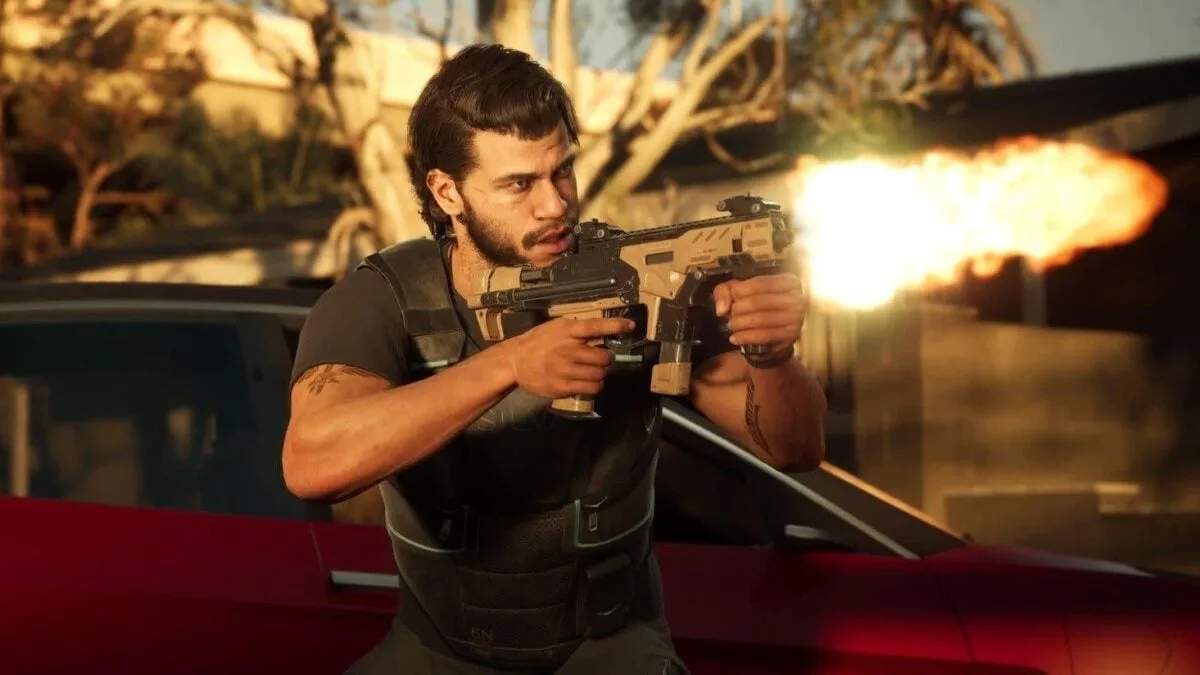
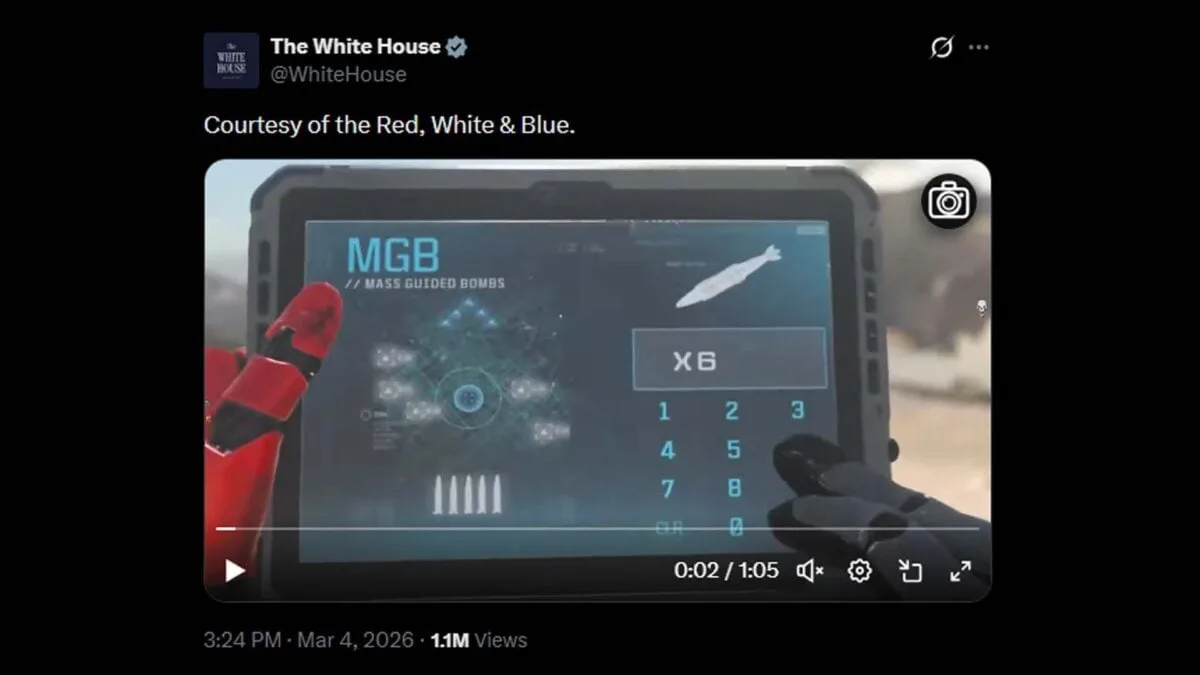
On March 4, 2026, as reports confirmed a missile strike on a girls’ school in Minab, Iran, killing over 165 children, the White House social media account posted a video. It was not a statement of condolence or strategic clarity, but a 30-second montage. The clip opened with the high-octane animation of a nuclear strike from Call of Duty: Modern Warfare III before cutting to grainy, real-world footage of explosions. Set to a driving soundtrack and captioned “Courtesy of the Red, White & Blue,” it was edited to resemble a gaming highlight reel.
This deliberate fusion of blockbuster video game spectacle and documented military action poses a stark, uncomfortable question. Is this a savvy, if cynical, piece of digital outreach designed for a media-saturated generation? Or does it represent a dangerous erosion of the line between sanitized virtual conflict and the messy, tragic reality of warfare? The video serves as a focal point where military strategy, political messaging, digital culture, and human cost violently intersect.
The Video Breakdown: A Tactical Montage
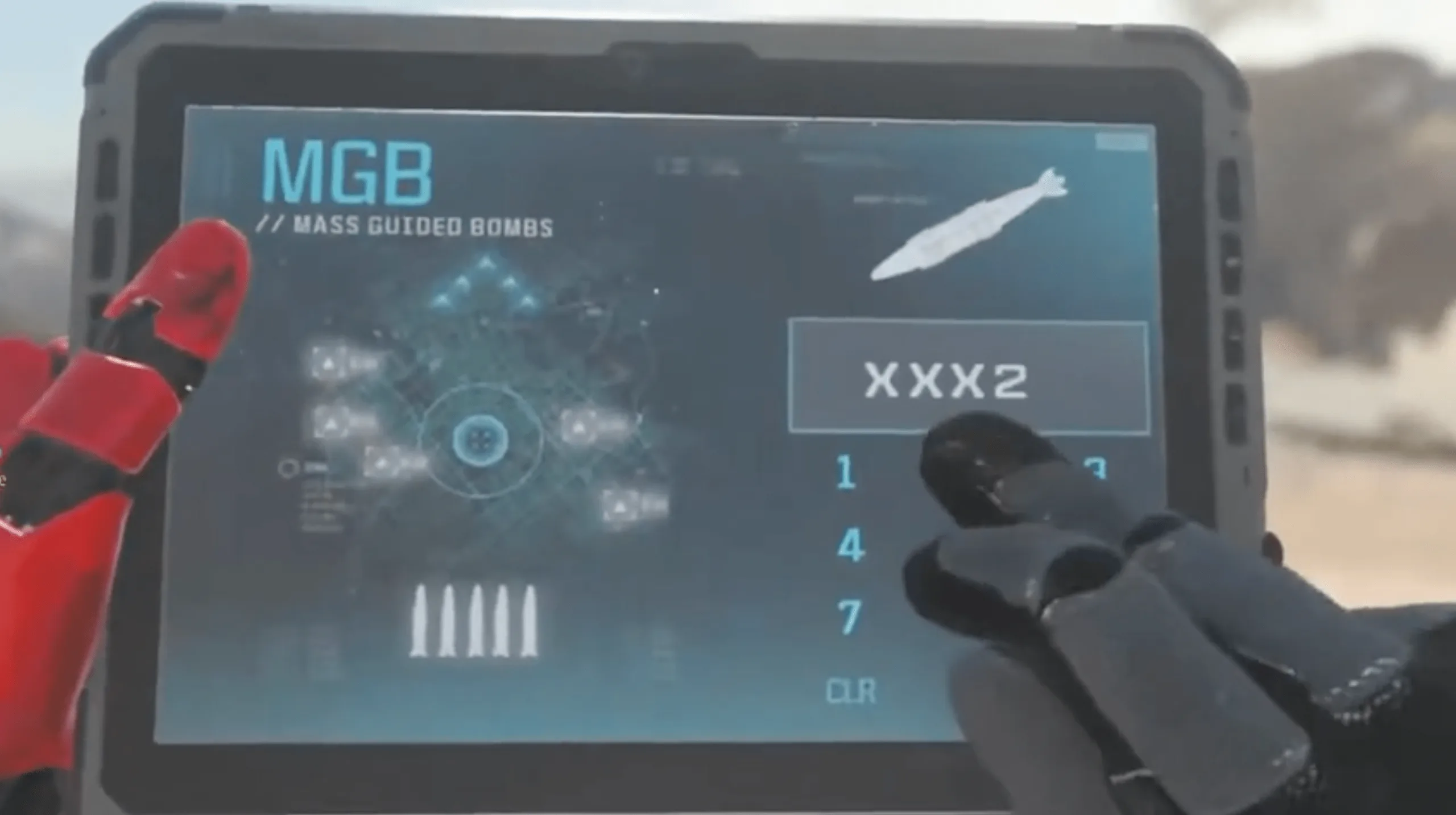
In this scenario, the video’s construction is a study in deliberate digital messaging. Sourced from the 2023 title Call of Duty: Modern Warfare III, the specific clip is the animation for the “MGB” (Mass Guided Bomb) killstreak, a reward players earn after achieving 30 consecutive kills. It depicts a satellite-guided nuclear device streaking toward Earth—a virtual weapon of mass destruction presented as a power fantasy.
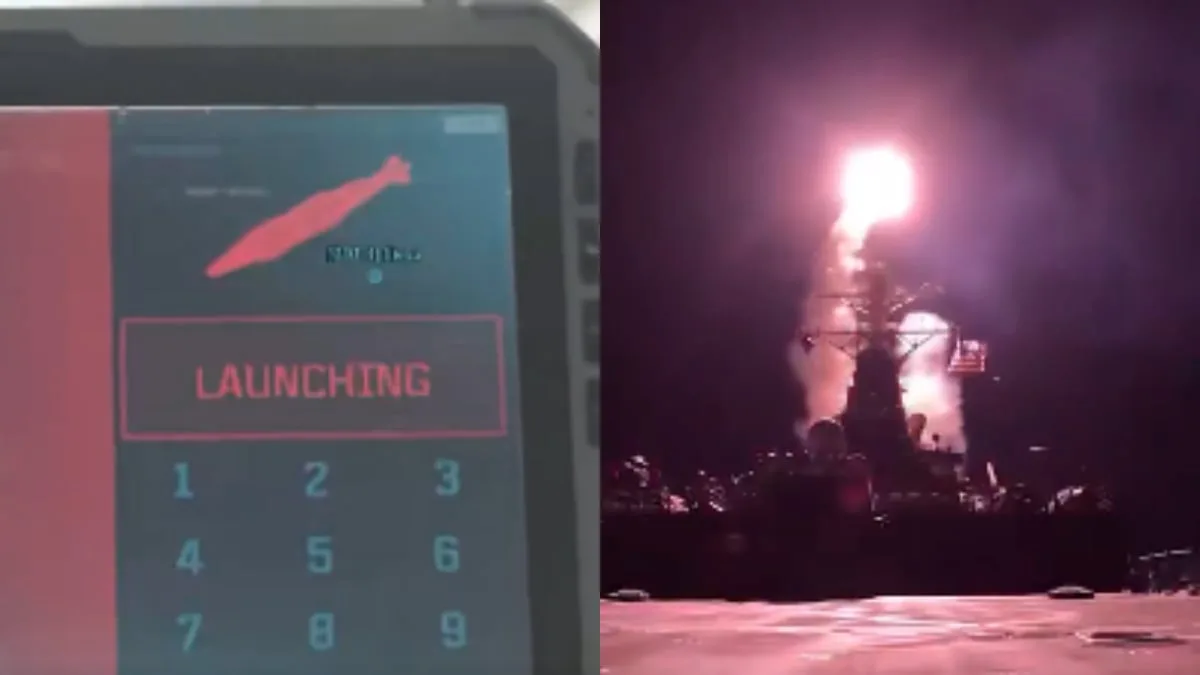
This was seamlessly spliced with what appears to be unclassified footage of U.S.-led airstrikes. The editing pace, musical cues, and overall aesthetic were meticulously crafted to mirror the “clip” or “montage” videos popular on gaming platforms like YouTube and TikTok, where players showcase their most impressive in-game moments.
The grim context of its posting defined the reaction: the celebratory, gamified presentation of military power, contrasted with the emerging narrative of significant civilian casualties. As of reports, the White House had not removed the post, and requests for comment to the White House, Activision (Call of Duty’s publisher), and Xbox had not been answered.
A Pattern, Not an Anomaly: The Gamification of State Power
The March 4 video would be the latest and most stark example of a documented communications strategy: leveraging the iconography of pop culture and gaming to frame state power.
This playbook was established months earlier in this scenario. In September 2025, the Department of Homeland Security (DHS) posted a video of Immigration and Customs Enforcement (ICE) raids, set audaciously to the upbeat theme song from Pokémon. The following month, DHS used imagery from Halo in a recruitment post, explicitly likening immigrants to the game’s parasitic, consuming alien threat known as “the Flood.” Around the same time, the White House itself posted an AI-generated image of a political leader clad in the armor of Halo’s protagonist, Master Chief.
A DHS spokesperson articulated the strategy in October 2025, stating the goal was to “reach people where they are with content they can relate to.” This approach seeks to translate complex, often controversial, policy actions into the instantly recognizable and emotionally resonant language of entertainment.
The strategy has not gone unchallenged by creators. Marcus Lehto, co-creator of the Halo franchise, condemned such use of its imagery as “absolutely abhorrent.” This highlights a central tension: the state co-opting cultural artifacts whose original context and meaning are often subverted for political messaging.
The Real-World Operation: "Epic Fury" and Its Consequences
The video was a digital echo of a very real, large-scale military campaign in this analysis. The footage depicted strikes from Operation Epic Fury, a major joint U.S.-Israel operation that commenced on February 28, 2026.
The scale was immense. The operation involved hundreds of aircraft, with precision munitions launched from air, land, and sea. The stated U.S. objectives were to defend the American people, destroy Iran’s missile program, and ensure Iran never obtains a nuclear weapon. Targets included Islamic Revolutionary Guard Corps (IRGC) facilities, air defense systems, and missile sites.
The human cost, however, quickly came into focus. Iranian officials reported at least 201 killed in the strikes, with the Iranian Red Crescent confirming the figure. The most devastating single incident was the strike on the girls’ school in Minab, which Iranian authorities stated killed 85. U.S. officials emphasized that the school strike was under investigation and that the U.S. does not intentionally target civilians.
The regional fallout was immediate and significant. Iran launched counterattacks targeting several countries, leading to widespread flight cancellations and airspace closures across the Middle East.
Reactions and Ramifications: Propaganda, Perception, and Policy
The reaction to such a video would illuminate a deep divide in how modern conflict is perceived and packaged. Online, responses would likely be polarized. Some users would accuse the post of being blatant propaganda or a crude recruitment tool aimed at a generation raised on military shooters. Others would defend it as a robust show of strength. The discourse itself would become gamified, unfolding in the same social media arenas where gameplay clips are typically shared.
Official reactions would be similarly split. While U.S. defense and state officials would maintain a focus on investigatory details, other political figures would directly criticize the human toll. One governor condemned “the use of U.S. or Israeli bombs against school children.” Iran’s Foreign Minister would likely issue a formal condemnation, labeling the strikes “wholly unprovoked, illegal, and illegitimate.”
The broader ramifications touch on the very psychology of public perception. By framing lethal military action through the aesthetics of a Call of Duty highlight reel, what is being communicated—and potentially lost? The format inherently emphasizes spectacle, precision, and victorious conclusion, mirroring the narrative arc of a successful gaming session. It risks sanitizing the chaos, collateral damage, and profound human suffering that are inherent to war. This gamification can distance the audience from the gravity of consequences, transforming real-world geopolitical violence into just another piece of consumable digital content.
The hypothetical White House Call of Duty montage is more than a controversial social media post; it is a symbol of a deliberate and unsettling evolution in statecraft. It represents a calculated strategy to package the complex, brutal reality of warfare in the familiar, often emotionally detached language of digital entertainment. This fusion occurs against the backdrop of operations carrying a severe human toll, evidenced by strikes on sites like a school.
The ethical questions this trend raises are profound. When the tools of propaganda are borrowed from the world of play, does it make the public more engaged or more desensitized? Does it clarify objectives or obscure consequences? The power of this approach is its visceral reach and cultural resonance. Its peril lies in the potential to trivialize sacrifice, obscure accountability, and reframe tragedy as content. As the lines between virtual and real, between game and war, continue to blur, this incident signals a new frontier in public discourse—one where the stakes are anything but virtual.
For gamers, who understand the constructed fantasy of these digital battlefields, such incidents serve as a critical reminder: to actively interrogate when the language of our hobby is used to reframe reality, and to discern the avatar from the atrocity.
Tags: White House, Call of Duty, Military Propaganda, Iran Strikes, Digital Culture, Speculative Analysis