When Propaganda Plays Games: The White House, Halo, and the Ethics of Using Pop Culture in War Messaging
The "Justice the American Way" Video: Anatomy of a Viral Propaganda Clip On March 6, 2026, the official White House X/Twitter account posted a video titled "Justice the American way." It quickly went...

The "Justice the American Way" Video: Anatomy of a Viral Propaganda Clip
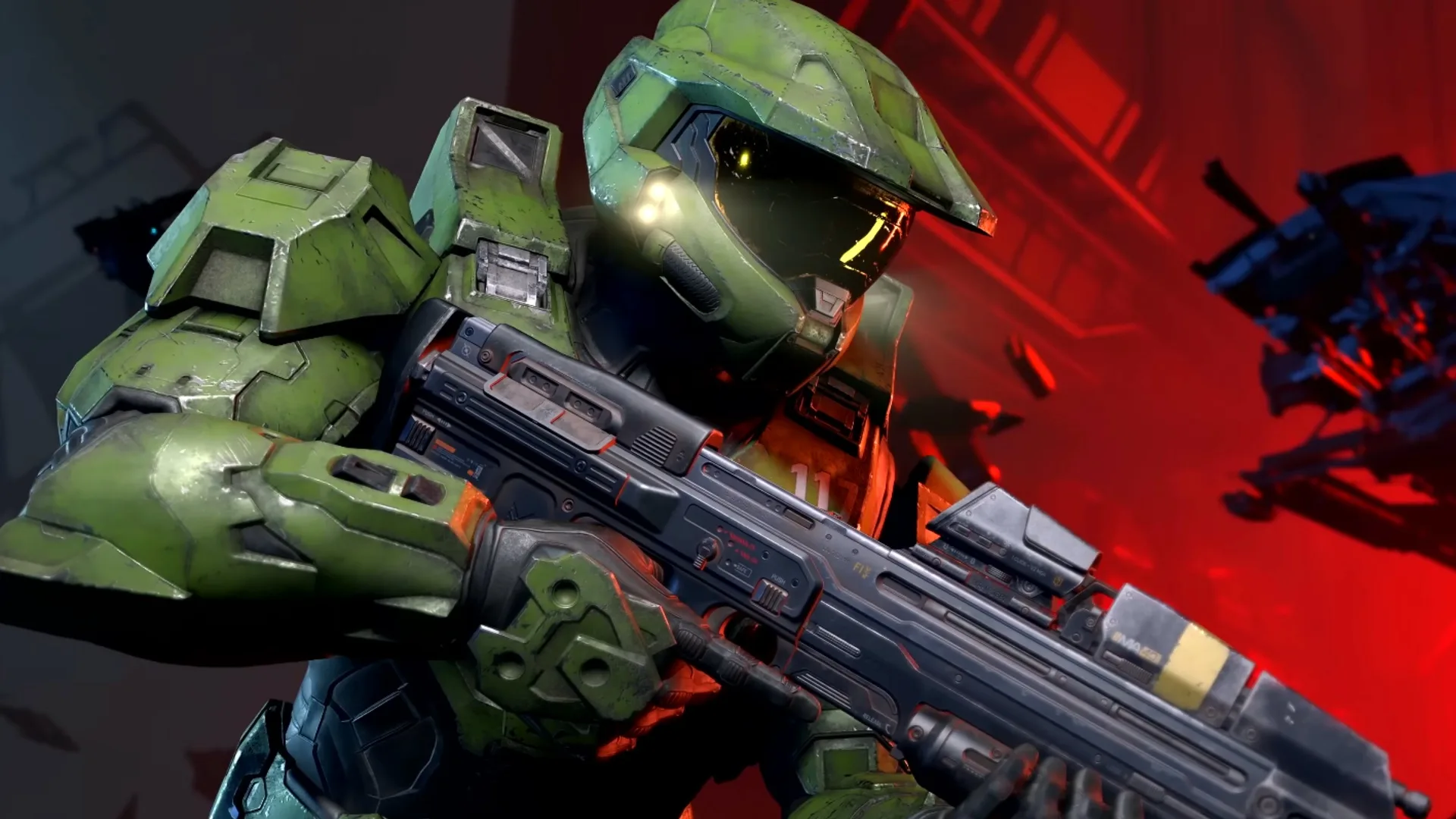
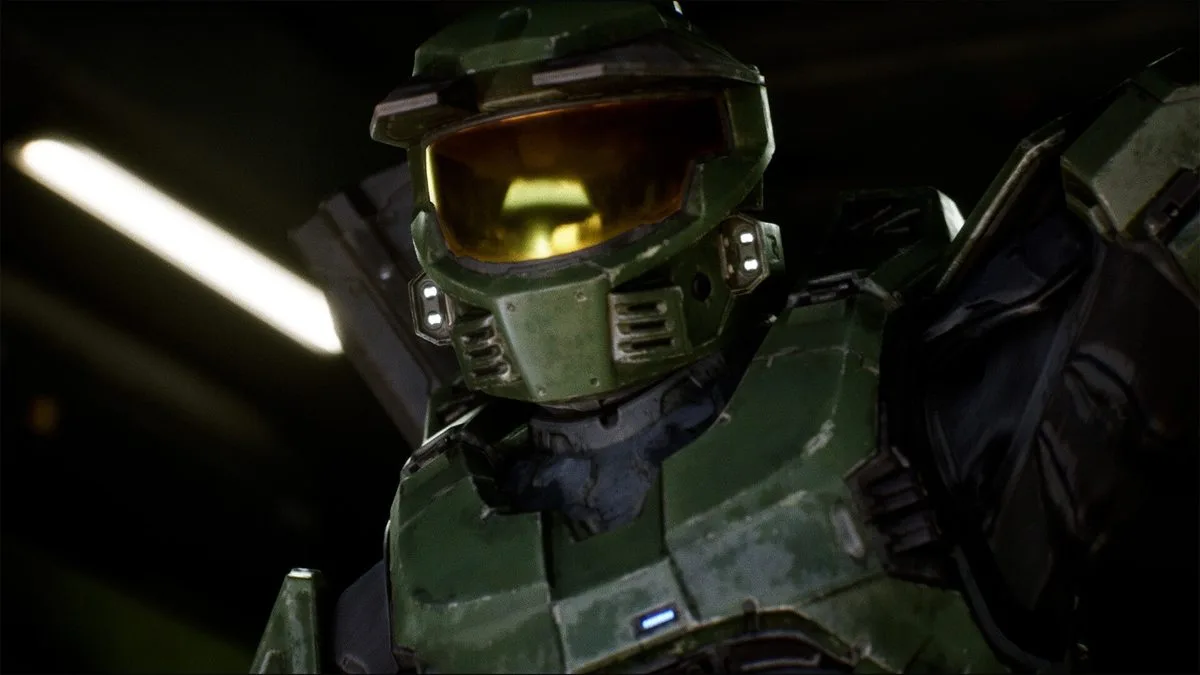
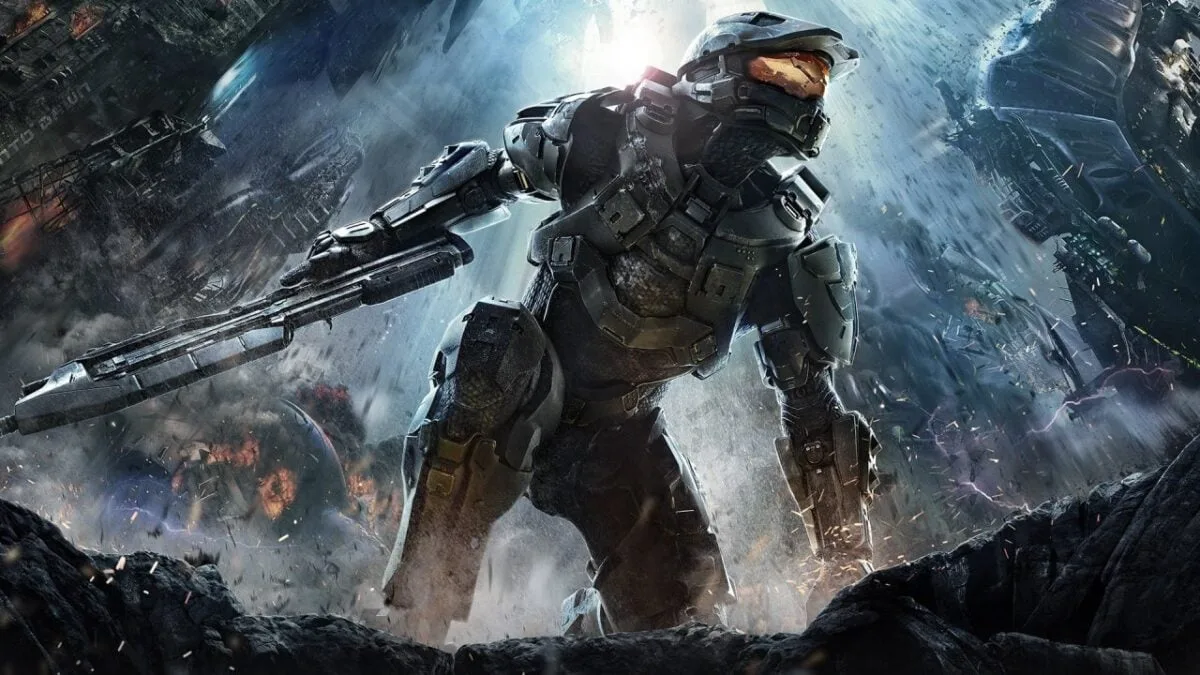
On March 6, 2026, the official White House X/Twitter account posted a video titled "Justice the American way." It quickly went viral, amassing over 63 million views. The clip was a rapid-fire media collage, a disorienting blend of reality and fiction. It intercut real-world footage from U.S. and Israeli airstrikes with iconic scenes and audio from a roster of pop culture titans: the Spartan laser from Halo, Robert Downey Jr.'s Iron Man suit powering up, the rallying cries from Braveheart, the dogfight sequences from Top Gun, and explosive action from John Wick, among others.
The White House's defense was framed in the language of internet culture. Spokesperson Abigail Jackson characterized such posts as "engaging posts and banger memes," a strategy explicitly designed to capture the fragmented attention of the online world. Communications Director Steven Cheung further suggested that any backlash was not a bug, but a feature—controversy generated attention, and attention translated into views and engagement. The message was clear: this was a calculated media tactic, not an oversight.
Voices of Outrage: Artists Condemn the Co-Opting of Their Work
The response from the creative community was swift and unequivocal. On March 8, Steve Downes, the voice of Master Chief for over two decades, issued a forceful public condemnation. He stated he was not consulted, did not give permission, and "does not endorse this message or the use of my voice for this purpose." His most searing critique was the label "disgusting and juvenile war porn," accusing the administration of using the spectacle of fictional heroism to sanitize the grim reality of warfare.
He was not alone. A chorus of other artists joined in. Dan Green, the voice of Yami Yugi in Yu-Gi-Oh!, objected, stating the use was disrespectful to the legacy of the franchise's late creator, Kazuki Takahashi. Ben Stiller, director and star of Tropic Thunder—a satire about Hollywood's ignorance of war—demanded the removal of his film's clip, bluntly stating, "War is not a movie." This echoed pop star Kesha's prior call-out in 2024 when the White House used her song "Blow" in a video she said aimed to "incite violence."
The core ethical argument from these creators centered on the violation of artistic intent. Their work—crafted for entertainment, storytelling, or satire—was being stripped of context and repurposed as a soundtrack for geopolitical messaging. The heroic archetypes of Master Chief or Iron Man were being leveraged to imply a moral clarity and cinematic glory onto complex, real-world conflicts, a blurring of lines many found morally reprehensible.
A Pattern, Not an Isolated Incident: The White House's Propaganda Playbook
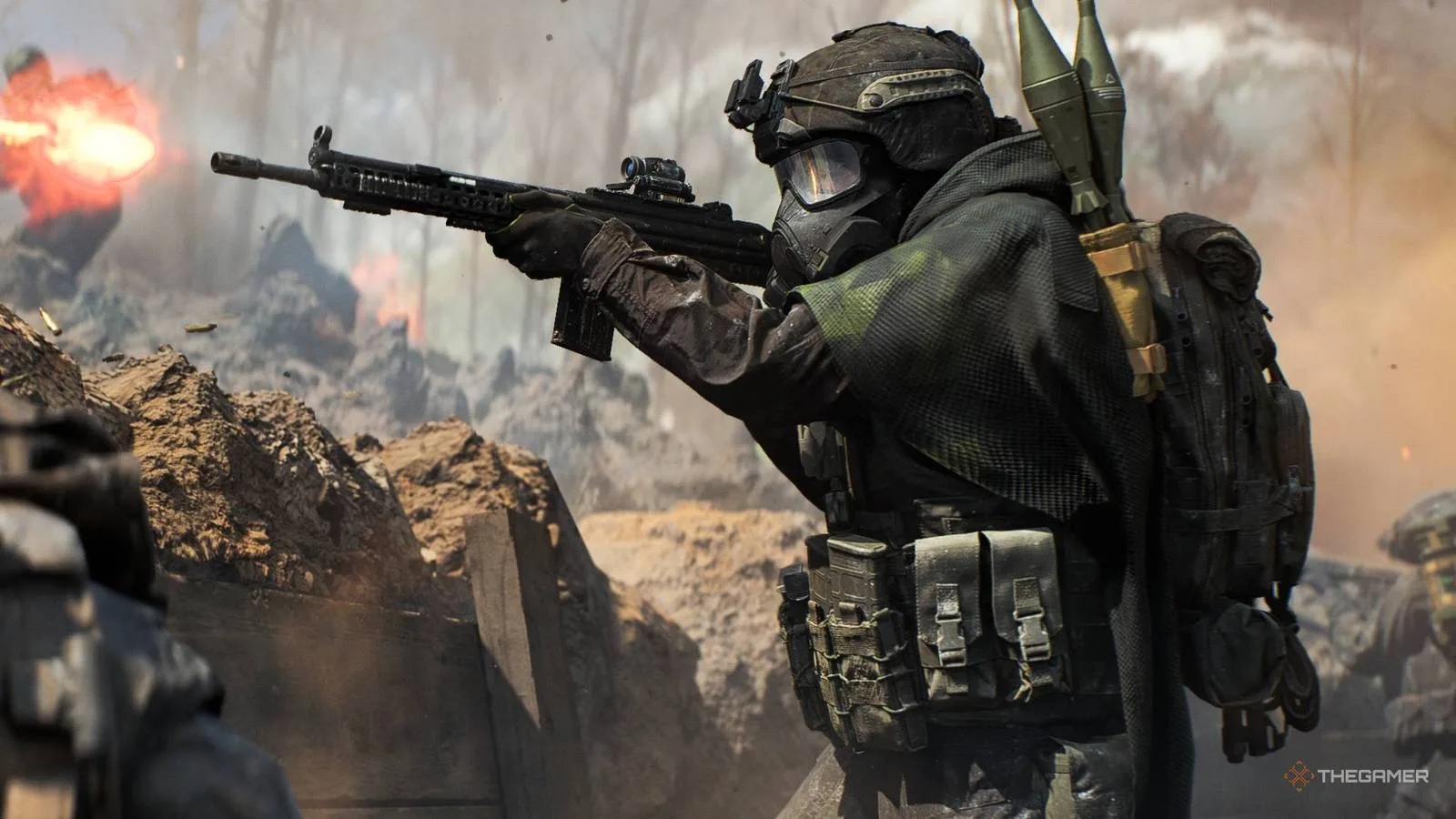
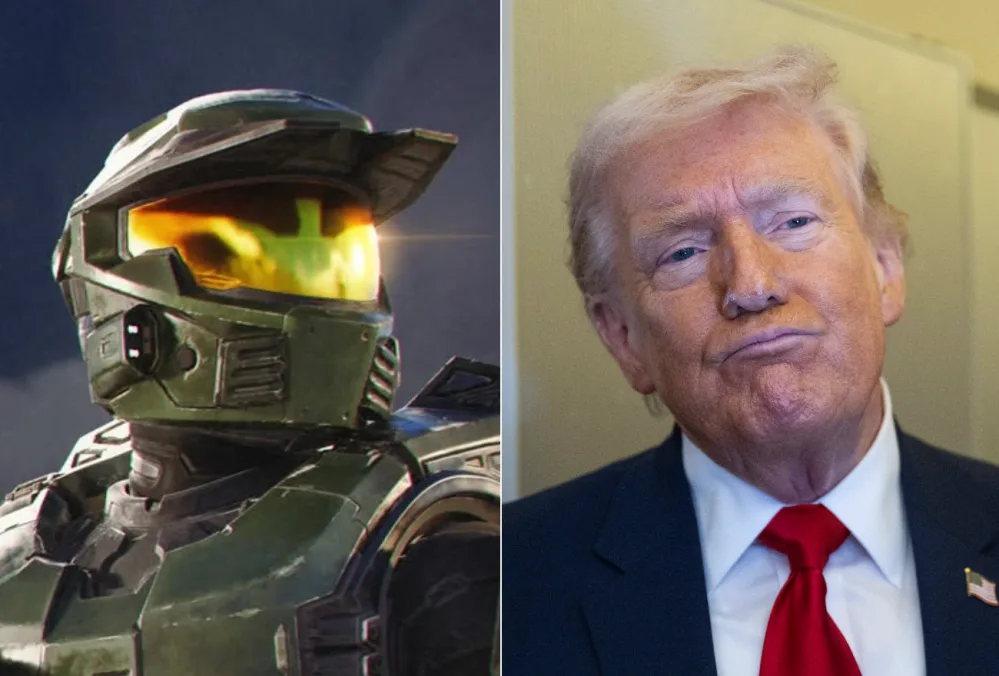
The "Justice the American way" video was not an anomaly but the latest entry in a recurring playbook. Just the week prior, the administration had posted a video mixing bombing footage with gameplay from Call of Duty: Modern Warfare 3. In October 2024, a post had digitally morphed then-President Donald Trump into the Master Chief armor. The strategy had even drawn an official objection from The Pokémon Company after its intellectual property was used for a political meme.
This established pattern reframes the incident from a one-off controversy to a deliberate communications strategy. As Communications Director Steven Cheung implied, the backlash itself is metabolized as fuel for the engagement engine. The tactic relies on the viral nature of recognizable IP to bypass traditional political discourse, speaking directly to a generation steeped in gaming and film culture, while simultaneously daring copyright holders to pick a public fight with the government.
Legal Gray Zones and Corporate Silence: Why Isn't This Copyright Infringement?
The situation plunges into a complex legal gray zone. While the White House's use likely leans on "fair use" arguments—particularly for purposes of commentary or news—it clashes with creators' rights of publicity and moral rights concerning the use of their likeness and voice. Steve Downes's concern is particularly poignant; in January 2026, he had already expressed discomfort with AI reproductions of his voice, framing it as an issue of consent and potential deception. The White House video represents a parallel, state-sanctioned version of that same problem: using a performer's iconic identity without permission for an unintended purpose.
This legal ambiguity creates a powerful deterrent for the corporations who own the IP. A striking aspect of the fallout has been the notable silence from these entities. When asked for comment, Microsoft (owner of Halo) and Activision (owner of Call of Duty) offered no public response. No lawsuits were immediately filed. This corporate hesitation highlights the power imbalance at play. Taking legal action against the executive branch of the U.S. government is a daunting, expensive prospect with uncertain PR outcomes. The calculus for these companies may favor quiet diplomacy over a public legal battle, leaving individual artists like Downes to voice their objections alone.
The "Justice the American way" video is more than a viral blip; it is a stark case study in the normalization of using entertainment as a tool of statecraft. It raises urgent questions about the responsibility of platforms that host this content, the vulnerability of individual artists against the machinery of government messaging, and the long-term corrosion of meaning in our shared stories. When the heroic fantasy of Halo is cut into the reality of airstrikes, it risks teaching us to see real conflict through the deceptively simple, consequence-free lens of a game over screen. The battle isn't just about copyright; it's about preventing our shared stories from becoming mere soundtracks for what their own creators condemn as "juvenile war porn."