When Politics Meets Poké Balls: The Pokémon Company's Stance on Political Memes
This article explores a plausible future scenario based on the current trajectory of political communication and intellectual property disputes. In the ever-evolving landscape of political...

This article explores a plausible future scenario based on the current trajectory of political communication and intellectual property disputes.
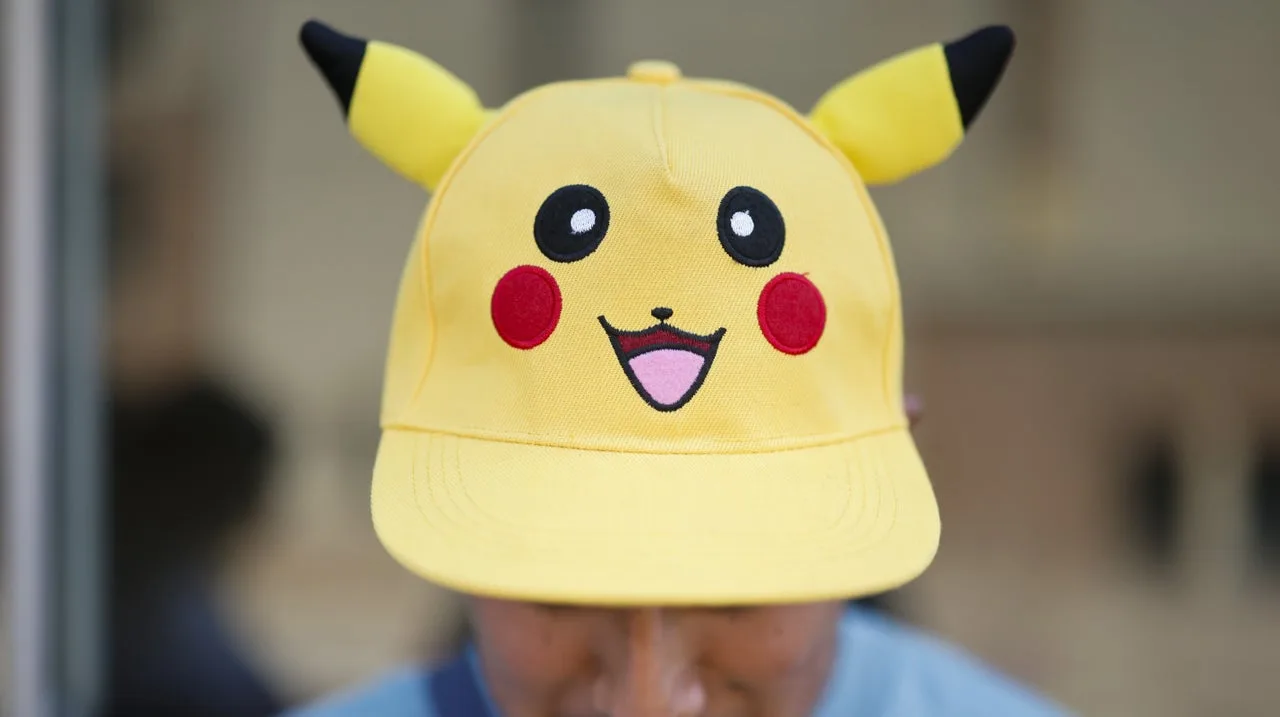
In the ever-evolving landscape of political communication, a new frontier has emerged: meme warfare. Imagine a future where, on March 5, 2026, the digital battleground sees an unexpected combatant drafted into service. The official White House X account posts a meme that splices the iconic, apolitical world of Pokémon with a potent political slogan. Featuring Pikachu, Magikarp, and Slowpoke against the backdrop of the newly released Pokémon Pokopia game, the image is emblazoned with the words “Make America Great Again.” The collision is immediate and jarring. Within hours, The Pokémon Company issues a swift and firm rebuttal, marking the latest skirmish in a growing tension. As political campaigns increasingly mine pop culture for viral engagement, a central question is forced to the forefront: in an era of meme-driven politics, where should the guardians of our shared entertainment icons draw the line?
The Meme in Question: A Breakdown of the White House Post
The post is a classic piece of modern political messaging, designed for the scroll. Shared from the @WhiteHouse account, it leverages the immediate recognizability of Pokémon’s most famous mascots. The use of Pokémon Pokopia imagery is particularly pointed, tying the administration’s message directly to a contemporary cultural moment, just as the game captures fan attention.
The intent, as explained by the political operatives behind it, is clear. A Trump administration spokesperson, Abigail Jackson, defends the broader social media strategy, telling The Washington Post that such posts are “engaging” and represent “banger memes” designed to communicate the president’s agenda to the public. The calculus is straightforward: co-opt the positive, widespread affection for a global franchise to lend a familiar, engaging veneer to a political platform. It’s a tactic that treats intellectual property as a public utility for viral reach.
"Not Affiliated": The Pokémon Company's Swift Rebuttal
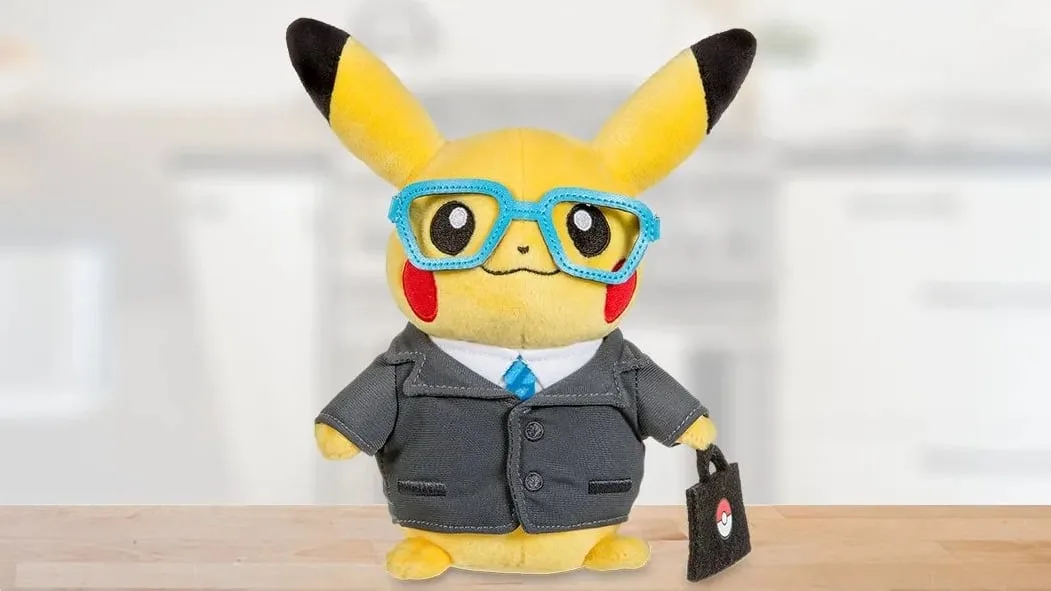
The response from The Pokémon Company is unambiguous and delivered with corporate precision. Spokesperson Sravanthi Dev releases a formal statement that leaves no room for interpretation: “We were not involved in its creation or distribution, and no permission was granted for the use of our intellectual property.”
More than just a copyright notice, the statement articulates a core brand philosophy in direct opposition to the meme’s usage. The company reiterates its mission “to bring the world together through Pokémon” and explicitly declares it is “not affiliated with any political viewpoint or agenda.” This isn’t merely a legal clarification; it is a defense of the brand’s carefully cultivated identity as a unifying, apolitical space—a sanctuary from the divisiveness that characterizes modern political discourse. The stark contrast between this ethos and the politically charged deployment of Pikachu could not be more pronounced.
A Recurring Problem: This Isn't the First Time
For The Pokémon Company, the March 2026 incident is a frustrating case of déjà vu. This marks the second public objection the company has had to lodge against the same administration in less than a year. In September 2025, the Department of Homeland Security (DHS) posted a video depicting Immigration and Customs Enforcement (ICE) arrests, audaciously soundtracked by the triumphant original Pokémon theme song and its slogan, “Gotta Catch ‘Em All.”
This pattern confirms that the White House’s use of the Pokopia meme is not a one-off intern’s mistake, but a deliberate and repeated strategy. Furthermore, Pokémon is far from the only franchise pulled into the political arena. The administration’s social media playbook has similarly repurposed iconography from Halo, Call of Duty, South Park, and Stardew Valley, alongside a slew of AI-generated images casting the president as various pop culture heroes. This systemic approach treats the entire landscape of entertainment IP as a grab-bag of relatable imagery, ready for political remixing.
To Sue or Not to Sue: The Legal and PR Dilemma
Following the company’s statement, a segment of the fan community erupts with calls for legal action. The sentiment is clear: defend the brand’s integrity and set a precedent. However, the path to litigation is fraught with complex calculations.
Legal experts point to a strong prima facie case for copyright infringement. Yet, the decision to sue is not purely legal; it’s a public relations and strategic minefield. A former Pokémon Chief Legal Officer, speaking on background, suggests a lawsuit is highly unlikely. The reasons are multifaceted: The Pokémon Company is historically publicity-shy regarding legal disputes, preferring quiet resolutions. The officer also pointed to the uniquely high-stakes nature of a lawsuit against the federal government, which could involve significant cost, a protracted timeline, and potential logistical complications for the company.
The strategic dilemma is profound. While a lawsuit could reinforce IP boundaries, it would also guarantee a lengthy, politically-charged spectacle, potentially further entangling the brand in the very political fray it seeks to avoid. The company’s public statement may represent its preferred weapon: a clear disavowal that protects its brand ethos without escalating the conflict.
The Bigger Picture: IP in the Age of Political Meme Warfare
This incident illuminates a fundamental tension reshaping both copyright law and political communication. On one side lies the doctrine of fair use and the chaotic, transformative nature of internet memes, often protected as political speech. On the other stands the right of creators and corporations to control the context in which their properties are used.
The political strategy hinges on a bet: that the engagement value of a recognizable meme outweighs the risk of alienating the franchise’s core community. Does using Pikachu to sell a political agenda actually resonate with undecided voters, or does it primarily preach to the converted while angering a massive, global fanbase? Furthermore, this repeated pattern of appropriation forces every major entertainment company to confront a new reality. Will they need to preemptively issue guidelines or “off-limits” declarations to political entities, or is a reactive, case-by-case rebuke the only feasible approach?
The clash between The Pokémon Company’s vision of a unifying, apolitical brand and the political world’s hunger for recognizable, engaging iconography is a defining conflict of our digital age. The Pokopia meme incident is not an anomaly; it is a benchmark for a new normal. Pop culture assets, from pocket monsters to Spartan soldiers, are now routine ammunition in political messaging campaigns, leaving IP holders in a perpetual state of reactive defense. They must constantly weigh legal recourse against PR fallout, brand protection against unwanted controversy. The lasting impact of these disputes remains to be seen. Will they force a recalibration of political social media strategies, or lead to stronger, more proactive defenses from corporate rights-holders? For now, the battle lines are drawn not in regions or districts, but in the feeds and forums where our political and pop culture lives are perpetually, and often contentiously, intertwined.
Tags: Pokémon, Political Memes, Intellectual Property, The Pokémon Company, Social Media Politics