Warzone's Black Ops Royale: Why the Bot Experiment is Sparking a Player Revolt
The launch of Call of Duty: Warzone ’s new Black Ops Royale mode on March 12, 2026, was meant to be a celebration—a return to the gritty, loot-driven roots of the beloved Blackout battle royale. The...

The launch of Call of Duty: Warzone’s new Black Ops Royale mode on March 12, 2026, was meant to be a celebration—a return to the gritty, loot-driven roots of the beloved Blackout battle royale. The community's anticipation was palpable. Hours before the servers went live, however, developer Raven Software dropped a bombshell announcement: a test to integrate AI-controlled bots into player lobbies. In an instant, the celebratory mood curdled into one of the most unified and vocal backlashes in recent Warzone history, setting the stage for a fundamental clash over the soul of the battle royale experience.
The Black Ops Royale Experiment - A New Vision for Warzone
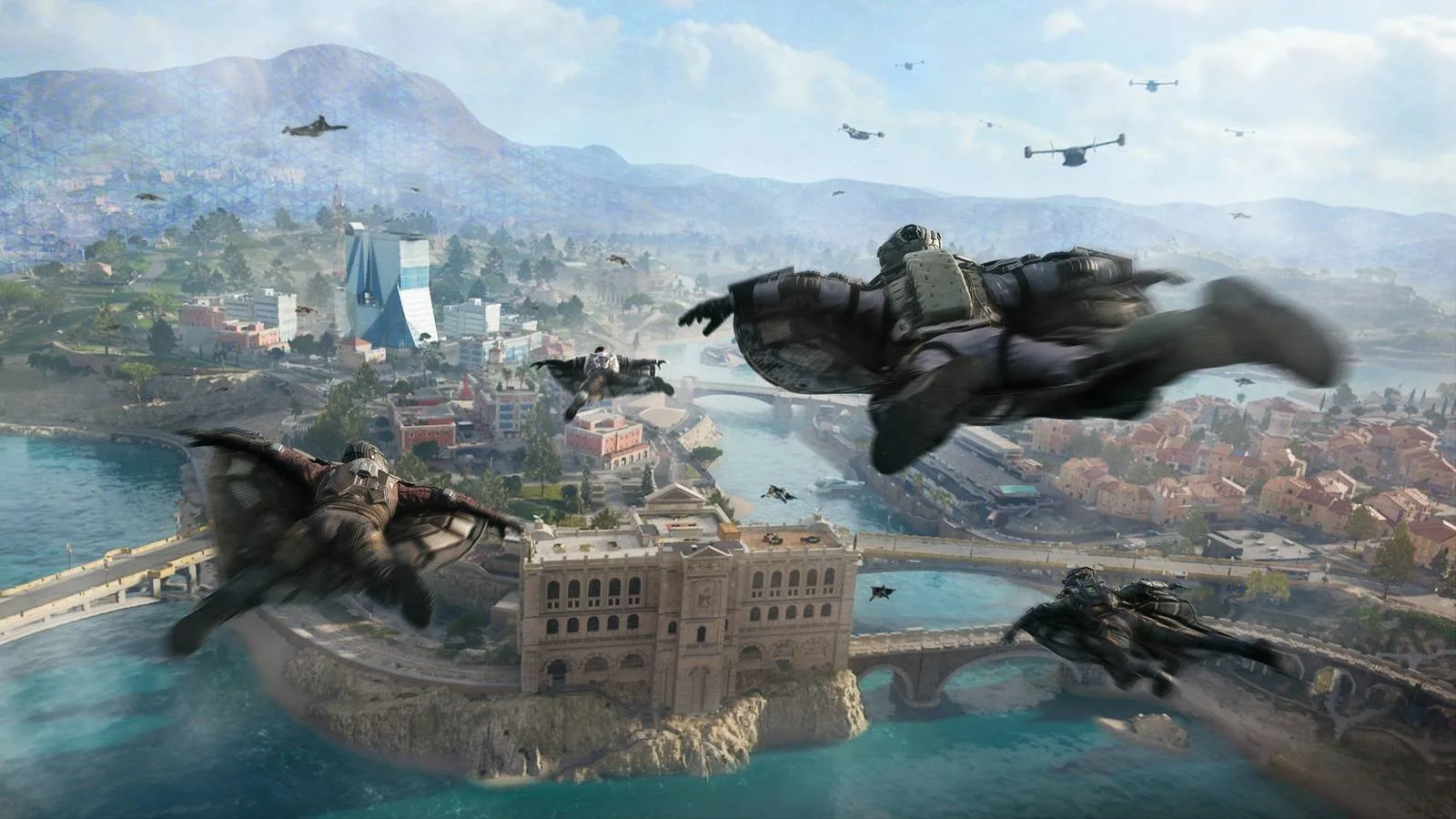
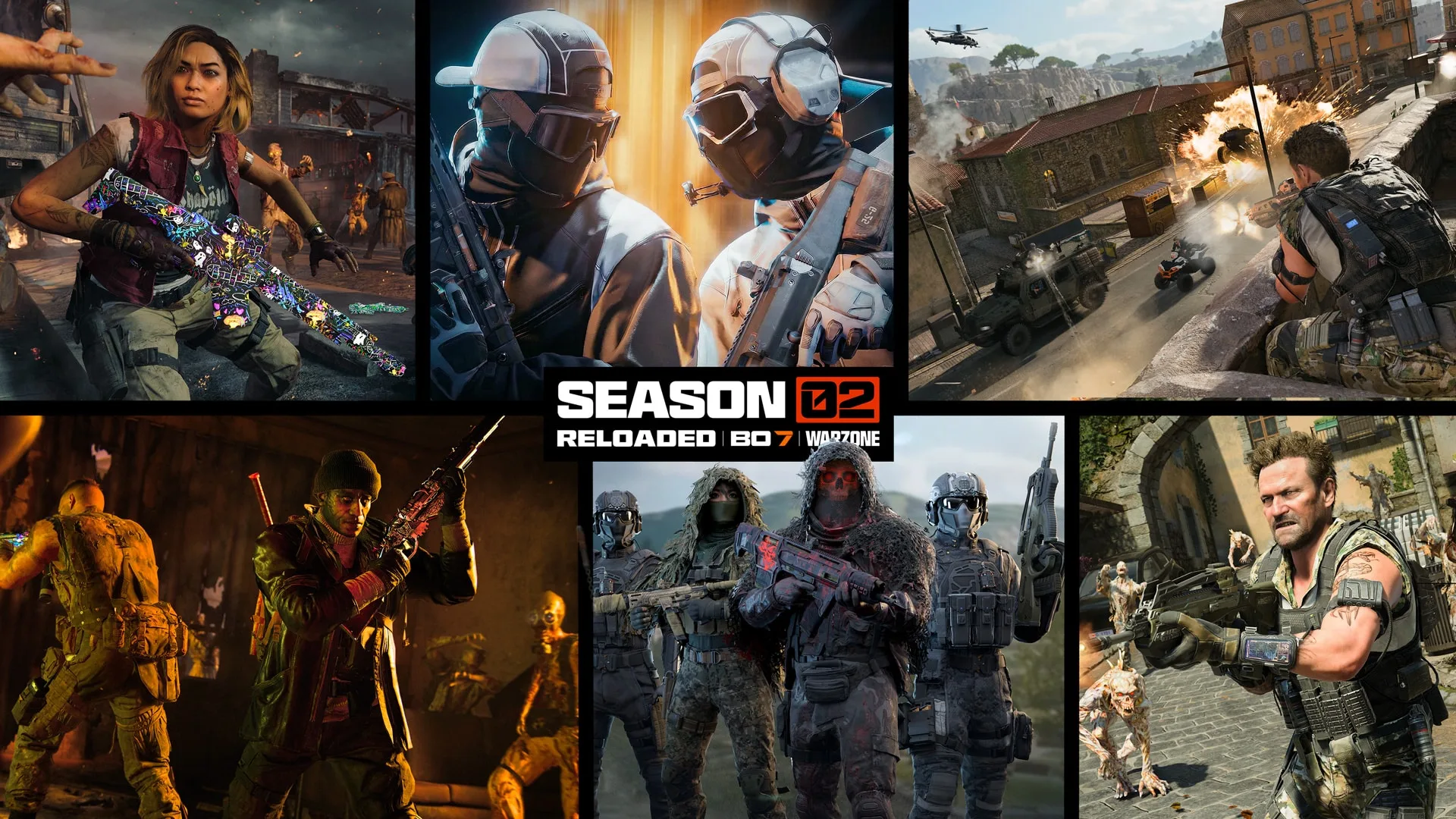
Debuting as the flagship addition of the Season 2 Reloaded update, Black Ops Royale was positioned as a bold, distinct branch of the Warzone ecosystem. It transports 100 players to the new, sprawling map of Avalon for squad-based combat and represents a significant departure from the established formula.
The mode overhauls core systems:
- It strips away the iconic Loadout system, forcing pure reliance on looted weapons and gear—a deliberate callback to Blackout.
- Movement receives a complete overhaul, granting every operator a default Wingsuit for traversal, a Wall Jump, and a Grappling Hook.
- The health system is revised, starting players with 150 health and 150 armor, replenished via lootable items.
- New mechanics like Redeployment Tokens and map-based Redeploy Towers add fresh strategic layers.
A separate point of contention was the launch playlist structure. Raven Software launched the mode with only Quads matchmaking, omitting Solo, Duo, and Trios options. The developer’s rationale, stated at launch, was that internal data showed Quads as the most popular team size. For a segment of the player base, this felt like a removal of choice—a theme that would soon be magnified by the larger controversy.
The Bot Controversy - A Test That Backfired
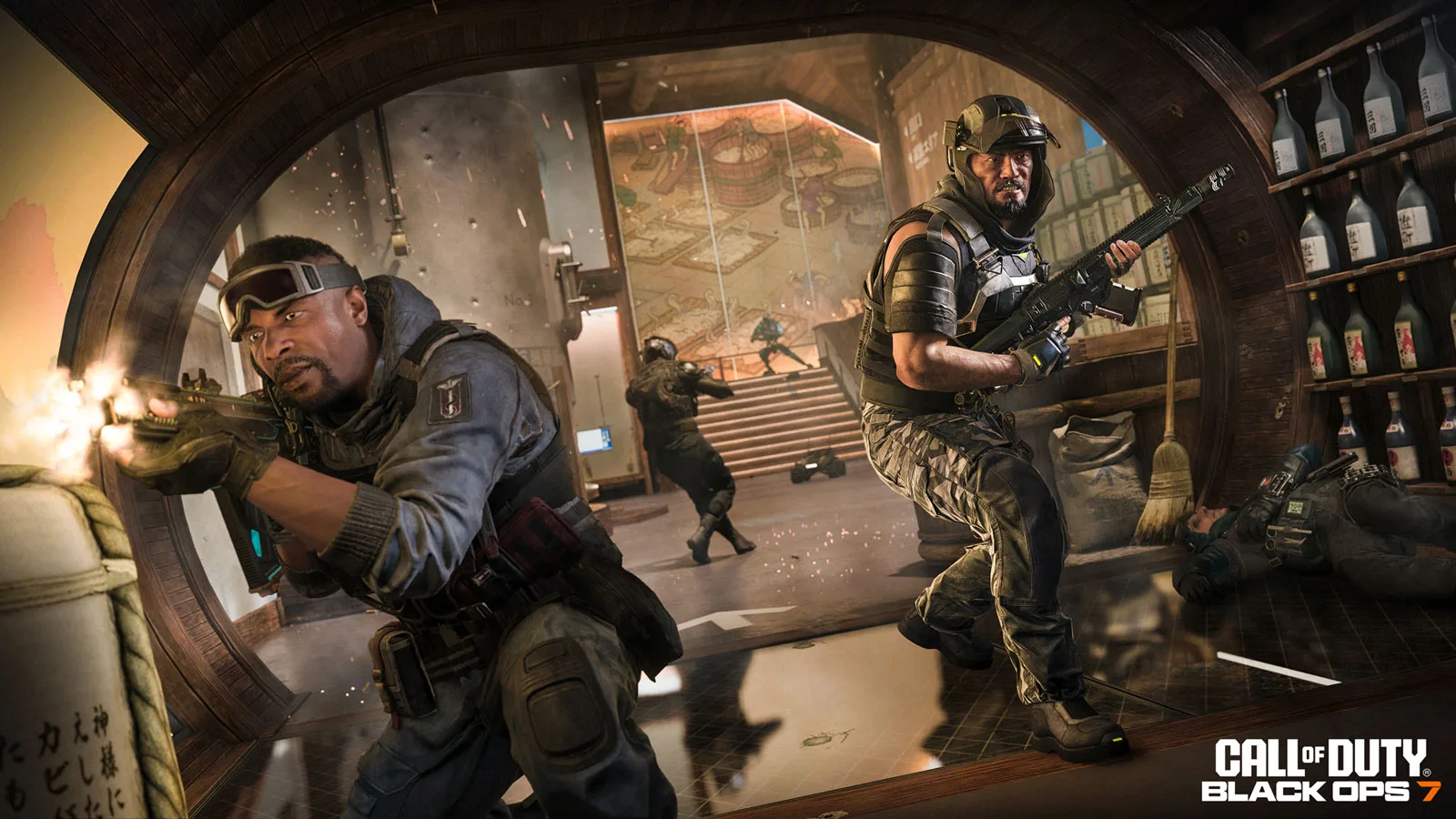
The core of the firestorm was not the map or mechanics, but the occupants of its lobbies. In a last-minute blog post, Raven Software revealed a "test" to integrate AI bots into Black Ops Royale matches. This test, active initially for players in Europe and the Middle East starting the week of March 12, was framed as an extension of technology used in Black Ops 6’s "Casual" multiplayer playlists. The exact scope of the test was not detailed, but it was confirmed for the specified regions.
The community’s reaction was explosive and immediate. For a dedicated battle royale audience, the introduction of bots into a mainline mode was perceived as a profound breach of trust. The genre’s appeal is fundamentally rooted in human-vs-human (PvP) competition. The announcement, made just hours before the mode's release, was seen by many as a tactical move to avoid pre-launch criticism, which only fueled player anger.
The criticism is multifaceted. Players argue that bots dilute the competitive spirit, creating "fake" engagements that offer no satisfaction. They disrupt the flow of authentic combat and can artificially inflate player stats, rendering a "Warzone Win" potentially meaningless if a significant portion of the lobby was AI. Furthermore, the community fears this undermines skill-based matchmaking (SBMM), as bots could be used to pad out lobbies and shorten queue times at the expense of competitive integrity.
Voices of the Community - From Pros to Casual Players
The backlash was not confined to anonymous forum posts. High-profile community figures, whose opinions carry significant weight, voiced strong opposition. Renowned analyst and content creator Xclusive Ace captured the sentiment succinctly, stating that putting bots in a "pure PvP environment takes so much away from the experience." Popular pro player and streamer Swagg directly urged Raven Software to reverse the decision.
Amidst the outrage, a clear player-suggested compromise emerged: a separate, permanently available, and clearly labeled "Casual" playlist. This would allow bots to serve their intended purpose—providing a lower-stress onboarding experience for new players or a relaxed environment for others—without infringing upon the sanctity of the core competitive mode. This demand for choice directly mirrors the separate disappointment over the lack of solo or duo options, highlighting a growing player frustration with perceived limitations on how they can engage with the game.
Raven's Dilemma - Balancing Accessibility with Core Integrity
From a development perspective, Raven Software’s motives are understandable, if poorly communicated. Integrating bots can serve several practical goals: ensuring faster queue times in all regions, especially during off-peak hours; providing a less punishing skill gap for newcomers in an increasingly complex game; and serving as a large-scale test bed for AI behavior. In the competitive world of live-service gaming, retaining new players is a constant battle.
The dilemma Raven faces is one of balance and perception. Does the potential benefit of marginally improved accessibility for some justify the risk of alienating the dedicated core audience that sustains the game’s ecosystem? There is also the logistical challenge of player base fragmentation. Adding a separate Casual playlist, while a popular community request, could split the population, potentially leading to longer wait times in the very "pure" mode players want to protect.
This controversy is particularly poignant because it overshadows what many agree are successful innovations within Black Ops Royale. The movement mechanics, loot-driven economy, and Avalon’s design have been praised. The mode is even being leveraged for the ongoing "Altitude Tactics" in-game event (running from March 17 to April 2), where players can earn rewards like the new Voyak KT-3 Assault Rifle. The bot issue, however, has become the dominant narrative.
The revolt over Black Ops Royale’s bots represents more than a disagreement over a gameplay feature; it is a referendum on player expectation in a premium competitive space. The community has drawn a line, defining a battle royale win as a victory earned solely against human opposition. Raven Software now stands at a crossroads. Will it heed the overwhelming backlash, revert the test, and potentially relegate bots to an optional side playlist? Or will it view this as a necessary step toward a new paradigm for Warzone? The decision will not only determine the fate of Black Ops Royale but will set a significant precedent for how live-service giants navigate the tension between broadening appeal and preserving the core competitive integrity that built their empires. Raven Software's next move will send a clear signal: whether Warzone views its players primarily as participants in a competitive sport, or as users of an accessible service. The community, having voiced its verdict, is now waiting to see which vision wins.