Warhammer 40,000: Dawn of War 4 Delayed to December 3 - King Art Games Cites Quality and Performance
The Dawn of War name carries a particular weight in real-time strategy circles. Relic Entertainment's 2004 original redefined how the genre handled base building and squad tactics, and its 2009...

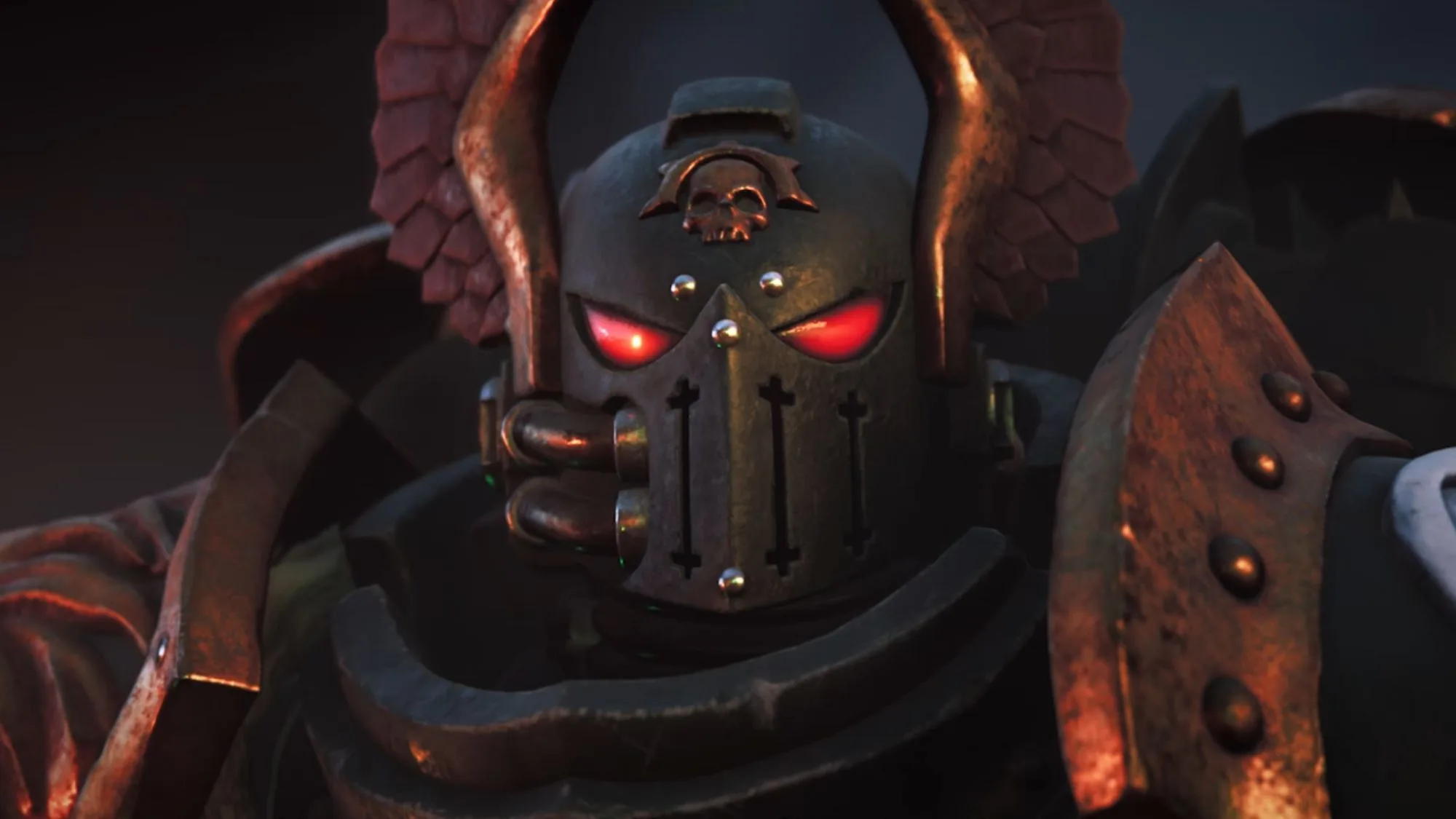
The Dawn of War name carries a particular weight in real-time strategy circles. Relic Entertainment's 2004 original redefined how the genre handled base building and squad tactics, and its 2009 sequel pushed the series in a bold new direction. Then came 2017's Dawn of War III, a misstep that left the franchise's future in doubt. Now, for the first time in series history, Relic is out of the picture. A German studio with an adventure-game pedigree, and one RTS already under its belt, is carrying the banner, and its first major public decision is a delay.
King Art Games has pushed Warhammer 40,000: Dawn of War 4 from September 17, 2026 to December 3, 2026, a slip of roughly two and a half months. That is not just a scheduling tweak. It is a calculated bet, made in front of a fanbase that has heard promises before: extra time, an early access window, and a pledge to "deliver the quality of experience we've always envisioned" will be enough to prove the franchise is in safe hands.
The Delay at a Glance
The new release date is December 3, 2026, with early access arriving a few days earlier on November 30. King Art Games framed the decision in straightforward terms: the studio wants to refine the experience and optimize performance before the game reaches players.
"We want to deliver the quality of experience we've always envisioned," King Art said in a statement reported by TechRadar, promising that the extra months will be spent polishing and tuning the game ahead of launch.
The Steam pre-order page is live, with a 10 percent launch discount to keep momentum across the extended wait. The official page on the Deep Silver site carries a fitting tagline for a franchise trying to find its footing: "At last, back to war!"
Timing Is Everything: Escaping September's Crowded Slate
The choice of December is hardly accidental. The original September date would have dropped Dawn of War 4 into one of the most congested windows on the 2026 calendar, with a dense cluster of major releases vying for attention. IGN France's coverage highlighted exactly that concern, describing September as an "embouteillage", a traffic jam, and December as a quieter lane in which a Warhammer RTS can actually be seen.
King Art Games has been careful to frame the delay around quality assurance rather than calendar logistics. The stated reasons are refinement and performance, not competition. But the two are not mutually exclusive. A game that launches with a stable frame rate, a clean interface, and a well-tuned campaign is also a game that stands a better chance of standing out in a less crowded window.
The longer runway also matters for the game's long-term prospects. A well-established DLC roadmap is already in place, which signals support well beyond launch day. That makes a clean day-one launch all the more critical. A rocky rollout would poison the well for months of planned content; a strong one gives the roadmap a foundation to build on.
A New Studio Takes the Helm
King Art Games, formally KING Art GmbH, is a Bremen-based studio founded in 2000 with roughly 110 employees. Its best-known work is The Book of Unwritten Tales, a beloved adventure game series with a hand-painted aesthetic and a sharp sense of humor. On paper, that pedigree made the studio's appointment seem like an unusual fit for a large-scale Warhammer 40,000 RTS, until one remembers that King Art also developed Iron Harvest, the dieselpunk real-time strategy game released in 2020. That is not a small credential. Iron Harvest was a full-sized RTS with base building, unit micro, and mech-scale warfare, and it gives King Art a body of relevant experience that a point-and-click reputation would otherwise obscure.
The choice is still a genuine departure for the franchise. Dawn of War (2004), Dawn of War II (2009), and Dawn of War III (2017) were all Relic Entertainment productions. Dawn of War 4 is the first entry with a different developer at the helm, and the shift brings a different studio culture to the series. King Art built its reputation on narrative-driven adventures, and Iron Harvest was a more contained contender than Dawn of War. That invites an obvious question: can a team known for dialogue trees and puzzles, and one smaller-scale RTS, deliver the brutal, large-scale warfare that RTS fans expect from the Warhammer 40,000 universe?
The studio knows the stakes. Publishing a Warhammer 40,000 game means working inside a universe where the aesthetic is overwhelming violence, gothic architecture, and the relentless machinery of war. The early trailers suggest King Art is leaning into that tone, and the announcement at Opening Night Live 2025 was a surprise precisely because the pairing seemed so improbable. But trailers only go so far. The real proof will be in the build players get their hands on this November.
The Long Shadow of Dawn of War III
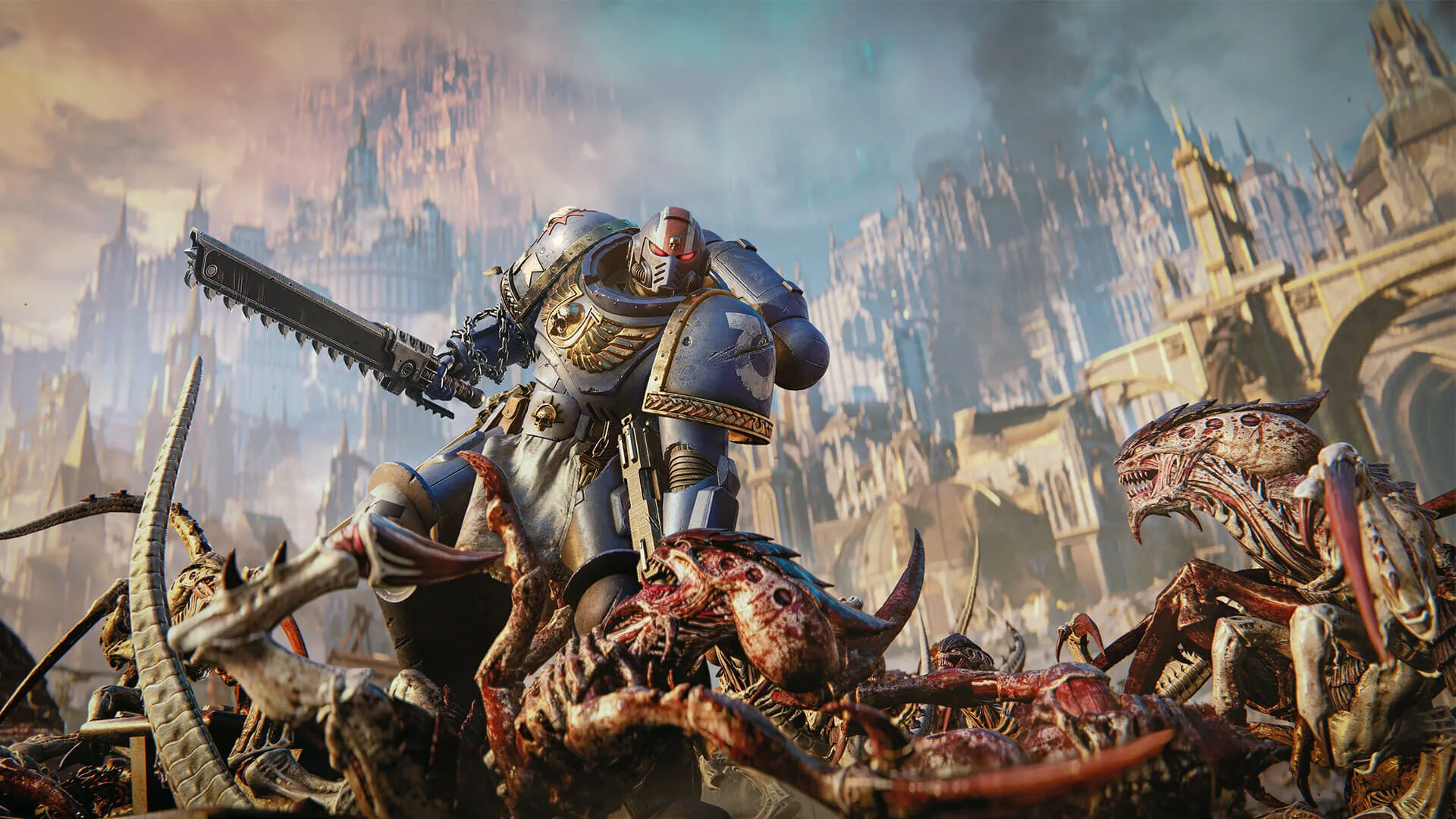
It is impossible to discuss Dawn of War 4's delay without acknowledging the elephant in the room: the dusty wreckage of Dawn of War III. Relic's 2017 entry underperformed both critically and commercially. It attempted to merge the squad-based tactics of Dawn of War II with the larger-scale base building of the original, and the result satisfied few. The game's failure is widely cited as the reason the franchise went quiet for years, and it is the backdrop against which every Dawn of War 4 announcement will be judged.
Relic's first two games remain RTS classics. The original's strategic depth and the sequel's cover-and-suppression mechanics set a benchmark that the new developer must now meet or exceed. King Art is not just building a new game; it is rebuilding trust in a name that was tarnished nearly a decade ago.
The delay reads, in part, as a confidence-building gesture. By publicly committing to extra development time, King Art is signaling that it will not repeat Dawn of War III's mistakes, that it will not be rushed to market, and that it understands the weight of the franchise it now carries. The early access period, beginning November 30, is a particularly strategic trust play. It gives the community a chance to play the game, offer feedback, and see the studio's response before the full launch on December 3. That is not a small thing. An early access window is an invitation to scrutiny, and for a new developer taking over a beloved series, it is a chance to demonstrate good faith in the most direct way possible.
A Promise Measured in Two and a Half Months
Two and a half months is not a long time in game development, but it is enough time to matter. It is enough time to optimize a troublesome engine, to rebalance a faction, to fix the kind of launch-week bugs that become forum threads and cautionary tales. King Art Games has made its promise publicly and attached a date to it. Now the community will hold the studio to that promise.
The early access period will be the first honest look under the hood, and the reaction from players in late November will tell us more than any press release ever could. The question hanging over December 3 is simple: is "quality of experience" enough to redeem the Dawn of War name? For King Art Games, and for the Warhammer RTS fans who have waited years for a return to form, the answer will be decisive. At last, back to war, indeed.