Warframe's Human Touch: Why Digital Extremes is Taking a Stand Against AI-Generated Content
In an industry racing to adopt generative AI for everything from concept art to voice acting, one major studio is drawing a hard line in the digital sand. This wasn't just a studio policy tweet; it...

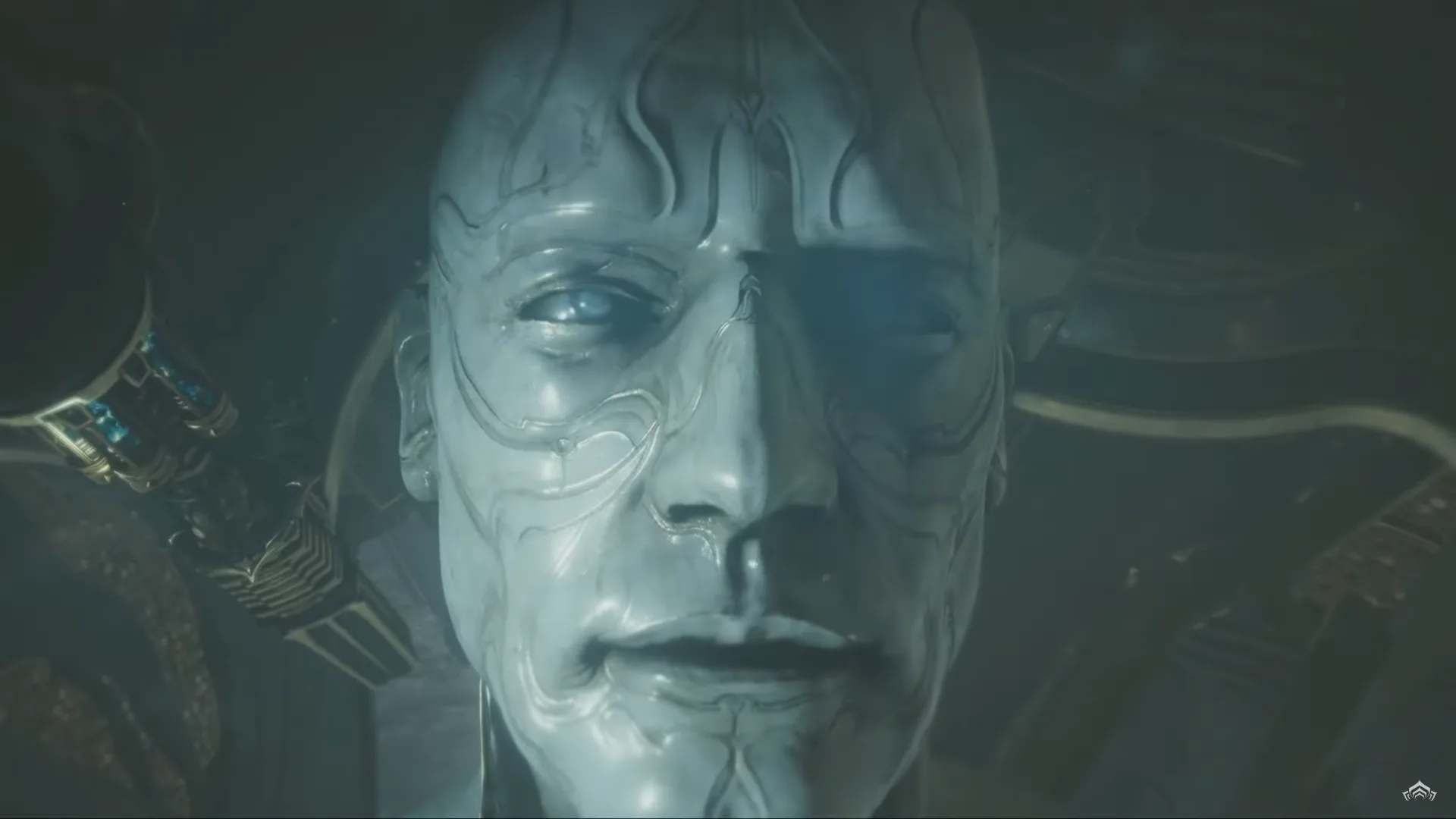
In an industry racing to adopt generative AI for everything from concept art to voice acting, one major studio is drawing a hard line in the digital sand. This wasn't just a studio policy tweet; it was a manifesto fired directly into the heart of the industry's biggest debate. While tools like Midjourney and ChatGPT have become commonplace in development pipelines, Digital Extremes, the developer behind the enduring hit Warframe, has issued a definitive, public rebuttal. During the game’s 13th-anniversary celebration in April 2026, Community Director Megan Everett made the studio’s position unequivocally clear: "nothing in our games will be AI-generated, ever." This bold declaration, set against the launch of the horror-themed Shadowgrapher update, is a statement of artistic philosophy and a direct response to growing player concerns about authenticity in an increasingly AI-saturated gaming landscape.
The "Very Non-AI Company" Policy
The policy was announced as a core tenet of the studio’s identity. On April 4, 2026, Megan Everett publicly cemented Digital Extremes’ stance, with the developer now self-describing as a "very non-AI company." The scope of this commitment is comprehensive, applying to both the live-service juggernaut Warframe and its highly anticipated upcoming fantasy title, Soulframe.
The motivation behind this hardline stance is deeply personal for Everett. She revealed that a pivotal moment came from an incident on a community stream, where she was "devastated" after accidentally showcasing and praising a piece of AI-generated fan art, mistaking it for human-made work. This experience highlighted the increasing difficulty in distinguishing between AI and human artistry—a confusion the studio now vows never to introduce into its own products. The policy is a preemptive guarantee to players: every asset, line of dialogue, and environmental detail will bear the mark of human intention.
Warframe in Context: Anniversary and Artistic Identity
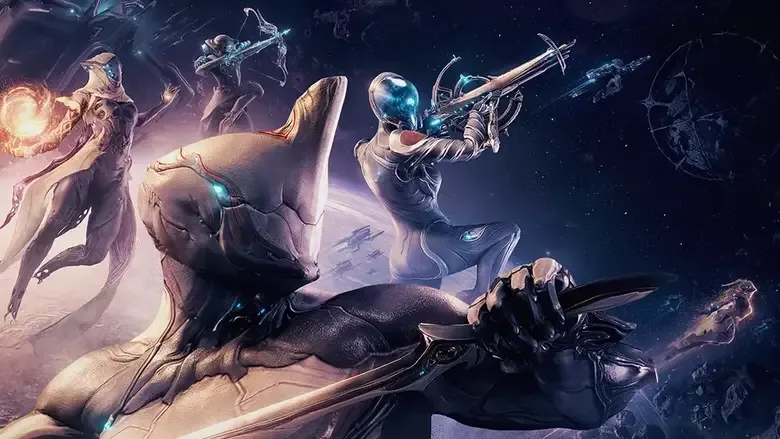
This principled stand was announced during a significant milestone: Warframe’s 13th anniversary. Celebrating over a decade of live service success is a rarity, built upon a fiercely dedicated community and a consistently evolving game world. The launch of the Shadowgrapher update, with its distinct horror aesthetic, served as a timely example of the studio’s commitment to crafted, thematic content. Digital Extremes’ statement reinforces the artistic identity that has sustained Warframe for so long, betting that human creativity is the key to player loyalty.
Digital Extremes is not entirely alone in this position. Their public commitment aligns with similar stances from other notable companies like Capcom, Hooded Horse, and Games Workshop, suggesting a growing faction within the industry prioritizing human-led development.
The Industry Backdrop: Ubiquity, Backlash, and Debate
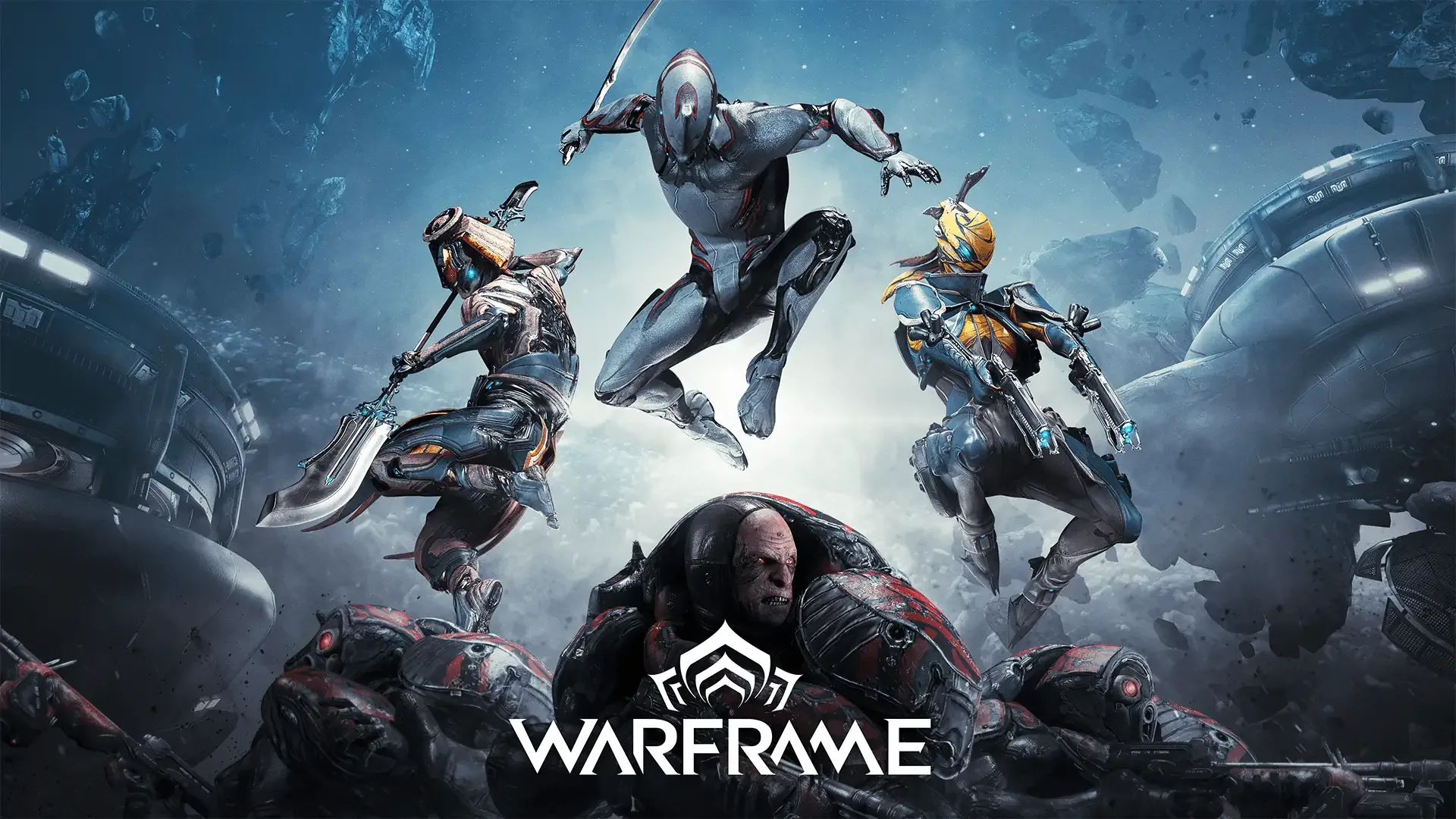
Digital Extremes’ definitive "no" stands in stark contrast to the prevailing winds of the industry. According to recent surveys and reports, generative AI has become "ubiquitous in gamedev," touted as a tool for rapid prototyping and overcoming resource constraints. However, its integration has been fraught with controversy, creating a significant divide and a clear demand for transparency.
Several high-profile case studies illustrate the backlash. The extraction shooter Arc Raiders faced criticism for its use of AI voice acting, though its developers have since committed to phasing it out. More damning are allegations against titles like Crimson Desert and Anno 117, where AI-generated "placeholders" were allegedly left in final retail builds, leading to accusations of misleading consumers. This climate of uncertainty is why a recent survey found that 9 out of 10 developers desire more explicit AI disclosure on storefronts like Steam.
The Crimson Desert controversy became a flashpoint for the broader debate. Defenders of AI integration, like former Blizzard President Mike Ybarra, argue from a position of inevitability and efficiency. Ybarra has stated that AI "will be in every single video game," positioning it as an unstoppable force that can handle tedious tasks and scale content creation.
That argument doesn't sit well with players or many developers, as veteran game director David Jaffe (God of War) found out the hard way. He faced significant online backlash after dismissively characterizing player concerns about AI art as "dumb," highlighting a potent and growing sentiment within the gaming community: a desire for human artistry and a deep skepticism toward AI-generated content perceived as hollow.
Digital Extremes’ policy is a direct engagement with this debate. By siding unequivocally with human creation, the studio is making a public bet on artistic integrity and transparency as non-negotiable components of player trust.
Conclusion: Betting on the Human Hand
Digital Extremes’ "very non-AI" policy is more than a development guideline; it is a public declaration of principles in a time of technological uncertainty. It bets on the enduring value of human artistry as the foundation for meaningful player connection and long-term trust. This isn't a Luddite rejection of all technology, but a deliberate, curated choice about what kind of technology defines their creative process.
In an era where AI promises efficiency and infinite scale, Digital Extremes asks—and answers—a fundamental question about what gives a game world its soul. By betting on the human hand, Digital Extremes isn't just preserving an artistic process—it's safeguarding the unique, imperfect, and ultimately human connection that has kept players in the world of Warframe for over a decade. In the race for efficiency, they're choosing resonance. The final question now passes to players and the industry at large: in the future of gaming, what will be valued more: the efficiency of the machine, or the authentic touch of the human hand?
Tags: Warframe, AI in Gaming, Digital Extremes, Game Development, Soulframe