Wait, No, Zach Cregger Knows Ball: Why the New *Resident Evil* Movie Might Actually Work
When Zach Cregger says his favorite Resident Evil scare is a giant, fleshy baby chasing him in VR, you start to understand why his movie might be different. That moment—from Resident Evil Village...

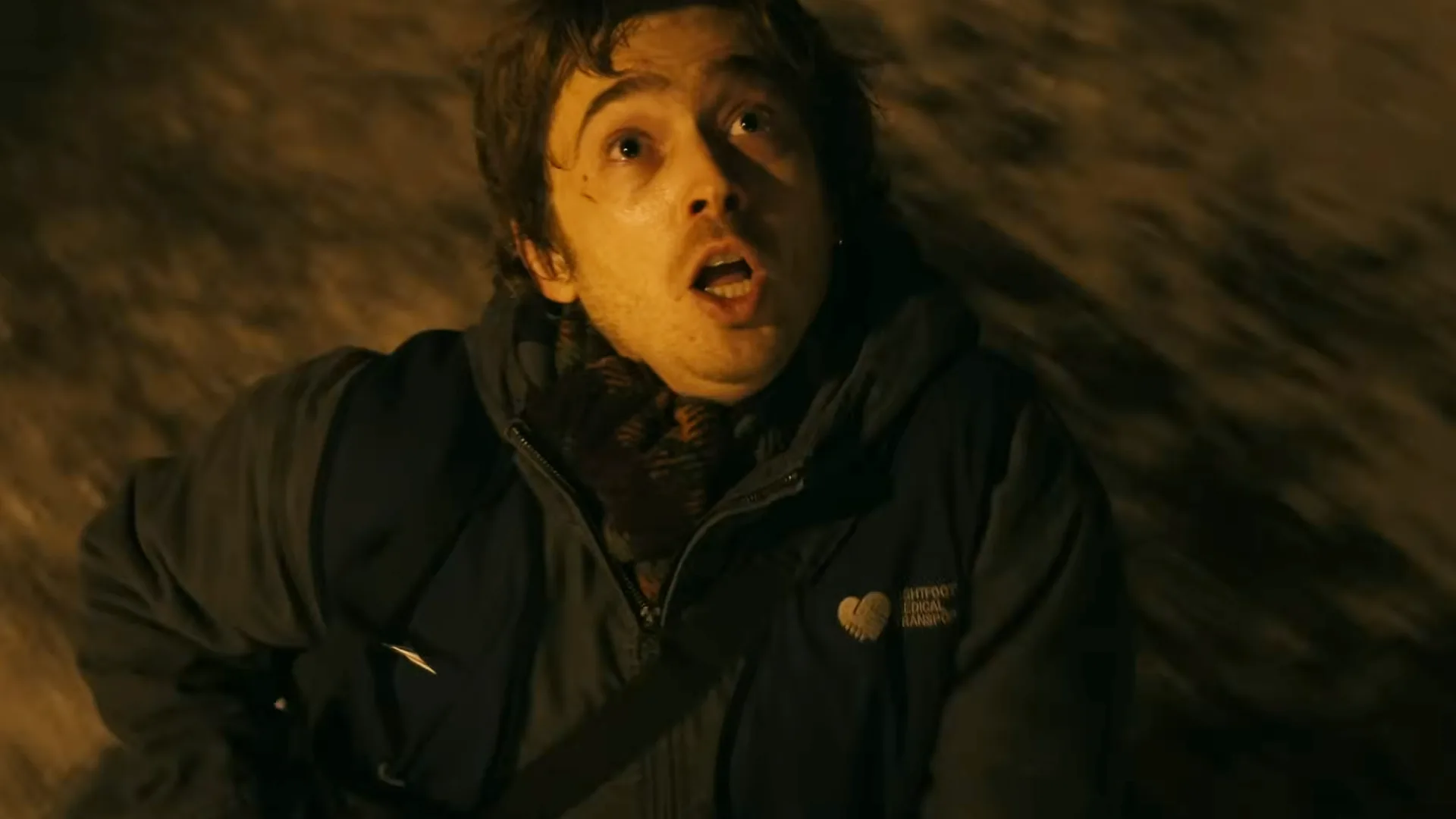
When Zach Cregger says his favorite Resident Evil scare is a giant, fleshy baby chasing him in VR, you start to understand why his movie might be different. That moment—from Resident Evil Village—relies on spatial dread and helplessness, not jump scares. It reveals a director who has internalized the series' evolution from fixed-camera tension to immersive, first-person horror. When Sony announced that the Barbarian director would helm a new live-action Resident Evil film, the internet predictably split. Long-time fans screamed "lore inaccuracy" after the trailer dropped, while others cautiously raised an eyebrow. But here's the twist: Cregger isn't just a director who played a few games—he's a "thousands of hours" veteran who understands survival horror on a cellular level. This article breaks down why his unconventional approach might be exactly what the franchise needs.
The Director Who Actually Plays the Games
Hollywood has a long, painful history of handing beloved game franchises to directors who treat the source material as little more than a brand name. Cregger is not that director. In interviews, he has described playing Resident Evil games for "thousands of hours," including completing Resident Evil Requiem twice. This isn't a director who skimmed a Wikipedia summary; this is a man who has lived inside those claustrophobic corridors.
His earliest memory of the series is playing Resident Evil 2, and when asked about his favorite scare, he cited the giant baby sequence in Resident Evil Village played in VR—a moment that relies on spatial dread and helplessness, not jump scares. That choice reveals a deep understanding of how the series has evolved from fixed-camera tension to immersive, first-person horror.
Cregger specifically cites Resident Evil 7: Biohazard and Resident Evil Requiem as core inspirations, focusing on the "overwhelming feeling of dread," limited resources, and tense exploration. These are the very mechanics that define survival horror. He doesn't talk about action set pieces or one-liners; he talks about the suffocating pressure of conserving ammunition while opening a door you know hides something terrible. Barbarian proved he can build dread from mundane settings—a skill directly transferable to Raccoon City's suburban nightmare.
An Original Story, Not a Remake
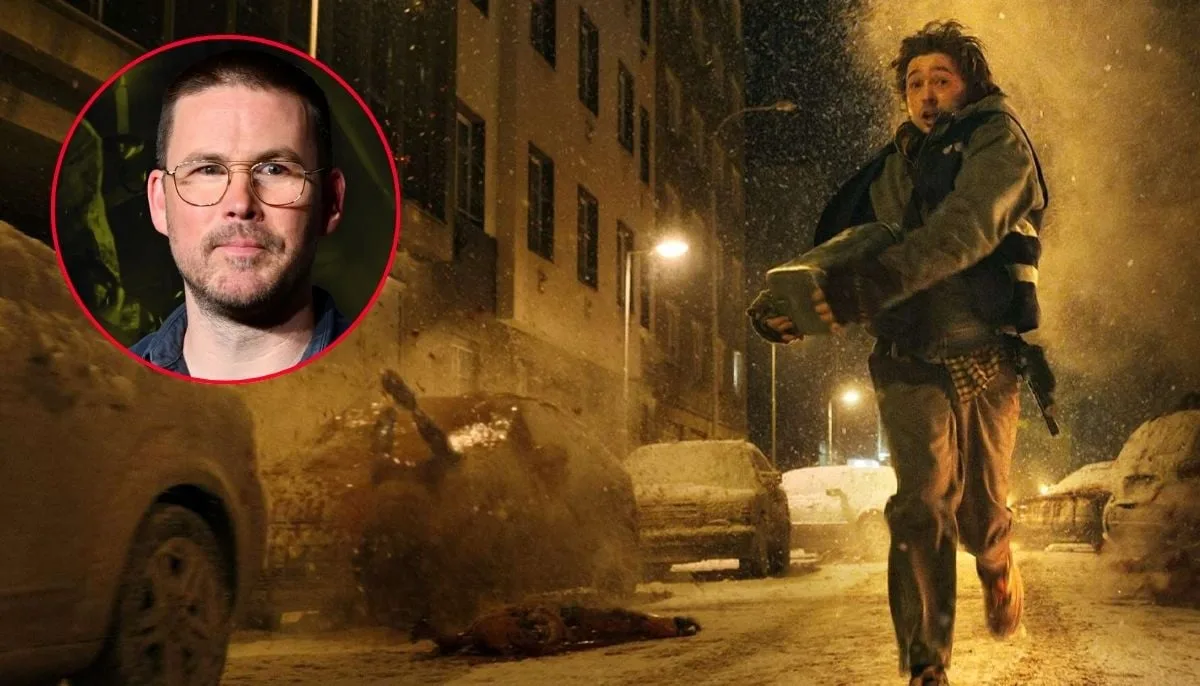
The most controversial decision Cregger has made is also his most promising. The film is set alongside the events of Resident Evil 2 in Raccoon City, but it does not feature Leon Kennedy, Jill Valentine, or Chris Redfield. Instead, the protagonist is Bryan (played by Austin Abrams), a civilian medical courier with no combat training or weapon knowledge.
Cregger's own admission is telling: "I'm terrible with guns... I would miss 99% of my shots." This is a director who understands that survival horror isn't about being a badass—it's about being terrified because you're not one. Bryan isn't a trained operative; he's a normal person dropped into an impossible situation, which is exactly the kind of protagonist that makes horror work.
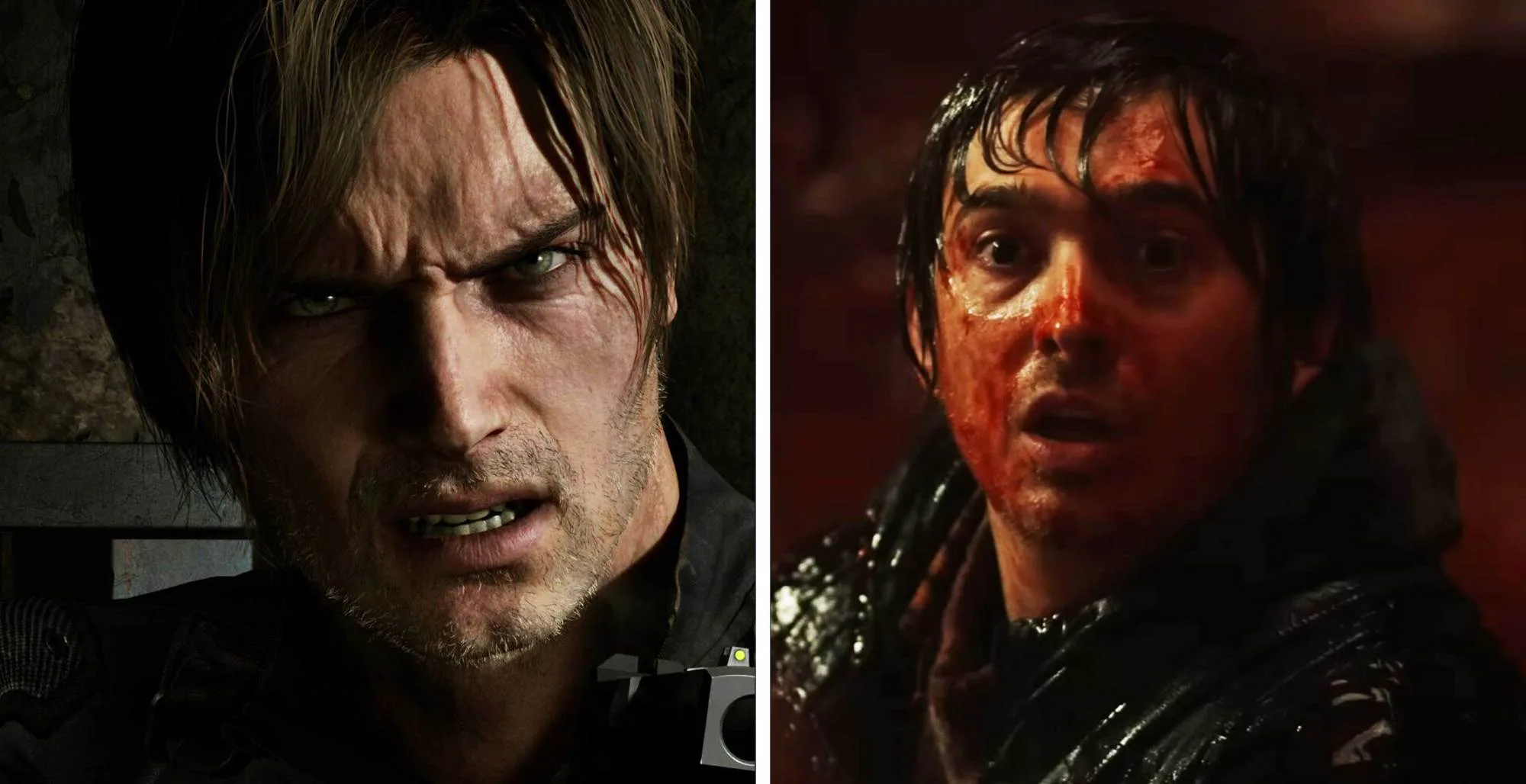
Cregger has stated plainly, "I'm not telling the games' story and that's the point." This echoes the Resident Evil 7 approach, which introduced Ethan Winters and a disconnected plot. That game was met with skepticism before release but is now considered a masterpiece. The lesson is clear: when it comes to Resident Evil, fidelity to lore matters far less than fidelity to the feeling of playing the games.
Critics argue that without iconic characters like Leon or Jill, the film risks feeling like a generic zombie movie—a concern Cregger himself has addressed by focusing on the experience of survival horror rather than the lore. It's a gamble, but one rooted in a clear philosophy.
Game Mechanics Translated to Film
Perhaps the most exciting aspect of Cregger's vision is his commitment to translating gameplay mechanics into cinematic language. The film emphasizes resource management as a core narrative device, with weapon progression moving from pistol to shotgun to MP5, and environments that change to reflect the player's journey through a game.
Easter eggs are present—including healing items from Resident Evil 4, Cregger's most-played game—but they are rewards for attentive fans, not crutches for the story. This approach mirrors the best game adaptations, which understand that the audience's knowledge should be acknowledged without being required.
The decision to film for IMAX and set a theatrical release date of September 18, 2026, signals a premium, immersive experience designed to replicate the tension of playing the games. This isn't a straight-to-streaming cash grab; it's a big-screen attempt to capture the feeling of being trapped in a room with limited ammo and a door that just creaked open. The screenplay, written by Cregger himself, and produced by Barbarian studio New Line Cinema, adds further credibility to the project.
The Backlash vs. The Optimism
The trailer sparked predictable backlash. A viral X post called it a "generic horror movie" using the Resident Evil name, with long-time players decrying lore inaccuracies. This is a familiar refrain for any adaptation that dares to deviate from established canon. More specific criticisms have emerged: why not just make an original horror movie? Why not adapt Resident Evil 2 faithfully? These are valid questions, but they miss the point of Cregger's approach.
But critics and some players have praised the direction, drawing comparisons to Resident Evil 7's successful reinvention. The lesson of that game is clear: sometimes the best way to honor a franchise is to stop trying to recreate its past and instead capture its essence.
The article expresses cautious optimism—a rare positive sentiment for a Resident Evil movie adaptation. But it concludes with an honest caveat: it remains to be seen if the film will be considered a great Resident Evil movie specifically, not just a good horror movie wearing the franchise's skin.
Zach Cregger isn't just a director with a vision—he's a fan who understands that Resident Evil isn't about plot points or character cameos; it's about the suffocating tension of conserving ammo, the dread of an unknown corridor, and the helplessness of being a normal person in an abnormal world. By crafting an original story that prioritizes survival horror mechanics over lore accuracy, he might finally deliver the adaptation the franchise deserves. If he succeeds, we won't just get a good Resident Evil movie—we'll get proof that the best adaptations don't copy the story; they capture the feeling of holding a controller with sweaty palms. September 2026 can't come soon enough.