Valve's AMD-Powered Steam Machine: On Track for 2026, But Can Its Price Compete?
The Official Word: AMD Confirms Valve's Timeline The confirmation came during the typically dry proceedings of a financial earnings call. On February 3-4, 2026, while discussing AMD’s performance,...

The Official Word: AMD Confirms Valve's Timeline
The confirmation came during the typically dry proceedings of a financial earnings call. On February 3-4, 2026, while discussing AMD’s performance, Dr. Lisa Su pointed to the Steam Machine as a forthcoming product, stating Valve was on schedule for an early 2026 shipment. This wasn't a revelation of new information so much as a powerful reaffirmation. It validated the timeline Valve itself set when it formally announced the hardware in November 2025, demonstrating a consistent and apparently smooth development path over several months.
Significantly, this key update originated from AMD, not Valve. The developer of Half-Life and operator of Steam has yet to announce a specific launch date or, most importantly, a price. This strategic silence is classic Valve. It allows the company to control the narrative, building anticipation while carefully observing market reaction and analyst predictions. AMD’s statement serves as a credible external validation that the project is moving from blueprint to reality, shifting the community's focus from "if" to "when and for how much."
Under the Hood: Specs and Living-Room Ambitions
Based on Valve’s announcements and reports, the Steam Machine is shaping up to be a compelling piece of specialized hardware, built around two core value propositions: mainstream performance and living-room convenience.
Raw Power for the Mainstream
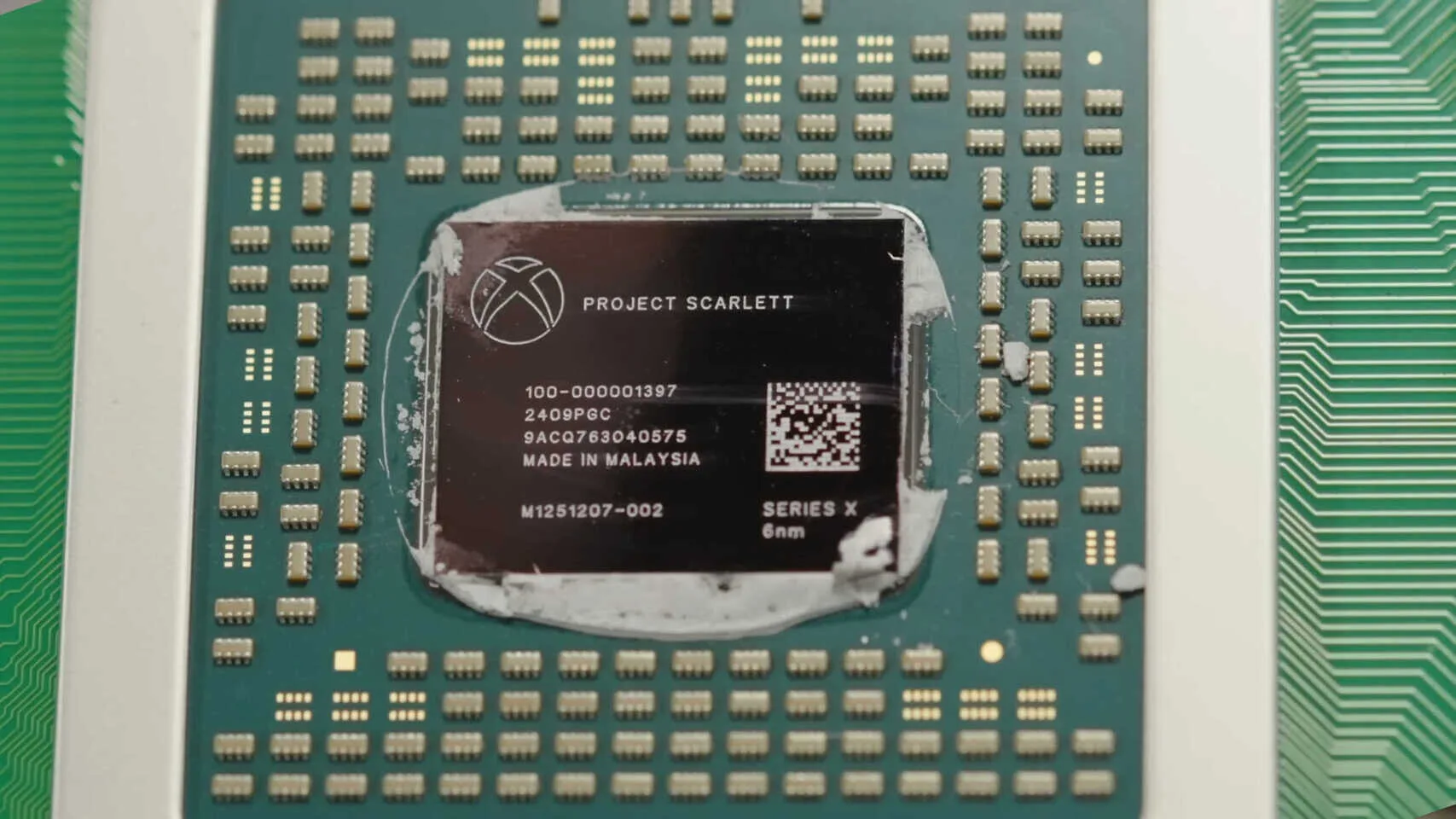
At its heart is a custom AMD semi-custom APU, combining a 6-core, 12-thread Zen 4 CPU with an RDNA 3 GPU featuring 28 Compute Units, all within a 110W thermal design power (TDP) envelope. Valve has translated these specs into a gamer-centric claim: this machine’s GPU will be more powerful than approximately 70% of the gaming PCs registered in its monthly Steam Survey. In practical terms, this positions it as a solid mid-tier system capable of handling modern games at 1080p and 1440p resolutions with high settings, a tier that represents the mainstream of the PC gaming ecosystem.
Designed for the Couch
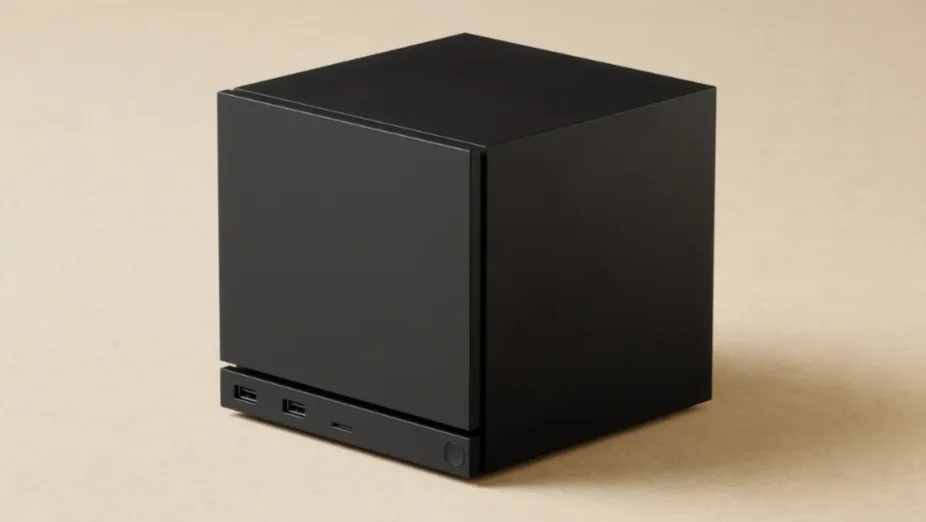
Beyond raw power, Valve’s design philosophy is laser-focused on the living room. The device sports a sleek, cube-like form factor intended to blend into an entertainment center, not a gamer’s desk. It promises quiet operation, a critical feature for a shared space. Thoughtful integrations include HDMI-CEC support, allowing a TV remote to control basic functions, and robust Bluetooth/wireless connectivity for multiple controllers. Perhaps most telling is the feature to power on the entire system directly from a wireless controller—a small but significant detail that erases a key point of friction between PC flexibility and console convenience.
The Billion-Dollar Question: Analyzing the Unknown Price
Here lies the crux of the entire Steam Machine proposition. Valve has been unequivocal about its pricing principle: there will be no subsidized loss on the hardware. The company’s executives have stated the target is "cost parity" with a DIY PC built from parts to achieve "basically the same level of performance." This principled stance draws a clear line in the sand against the business models of Sony, Microsoft, and Nintendo, who often sell consoles at a loss to build a massive installed base and recoup costs through software sales and subscriptions.
Industry analysis has attempted to fill the information vacuum. Outlets like IGN have estimated a price point in the $700 to $800 range, based on current component costs. This would place the Steam Machine notably above the base PlayStation 5 and Xbox Series X, and roughly in line with the premium PlayStation 5 Pro. This potential price tag has sparked debate within the industry itself. Michael Douse, Publishing Director at Larian Studios (creators of Baldur’s Gate 3), publicly questioned the strategy. He suggested that by forgoing a subsidy, Valve might limit its initial user base growth, thereby sacrificing potential long-term software revenue from Steam game sales—the company's core profit engine. It’s a classic strategic dilemma: maximize margin on the hardware, or maximize the platform's reach?
Bigger Picture: The Steam Machine in AMD's and Valve's Strategies
The timing of AMD’s confirmation is revealing within its own corporate narrative. The Q4 2025 earnings call reported a strong 50% year-over-year growth for AMD’s Gaming segment, reaching $843 million. However, the company also forecast a "significant double-digit percentage" decline in 2026 revenue for its semi-custom SoC business—the division that makes the chips for current-generation consoles—as that cycle matures. The Steam Machine, therefore, represents a vital new product stream for this division. It joins the confirmed next-generation Xbox, slated for 2027 with an RDNA 5-based SoC, as part of AMD’s strategy to diversify its semi-custom portfolio beyond the traditional console duopoly.
For Valve, the Steam Machine is a multi-faceted strategic play. It is, first, a direct effort to expand Steam’s presence from the desk to the living room, competing for leisure-time hours. Second, it is the flagship vessel for promoting SteamOS and its Proton compatibility layer, advancing Valve’s long-term goal of a more open, Linux-based gaming ecosystem less dependent on Windows. Finally, it aims to create a standardized, known performance tier for developers—a fixed target akin to a console, but within the open PC environment. This could simplify optimization and ensure a quality experience for a large segment of Steam users.
The known elements of Valve’s Steam Machine are impressive: a confirmed launch window, a living-room-optimized design with mid-tier performance, and a clear, principled stance on pricing. Yet, the single greatest unknown—the final price tag—looms over all of it. Success will hinge less on technical capability, which seems assured, and more on Valve’s ability to communicate value. The company must convince a specific segment of PC enthusiasts that the premium over a mainstream console is justified by the convenience of a pre-built, living-room-optimized form factor, the openness of the Steam/PC platform, and freedom from subscription paywalls.
As "early 2026" approaches, all eyes are on Valve to reveal that final, crucial number. The price won't just be a cost; it will be Valve's ultimate bet on whether principles can trump subsidies in the battle for the living room.
Tags: Steam Machine, Valve, AMD, PC Gaming, Console Market