Valve vs. New York: How a $4.3 Billion Skin Market Sparked a Landmark Loot Box Gambling Lawsuit
The Lawsuit's Core Allegation: "Quintessential Gambling" A potential complaint from a state attorney general would cut straight to a legal argument the gaming industry has long contested. It would...

The Lawsuit's Core Allegation: "Quintessential Gambling"
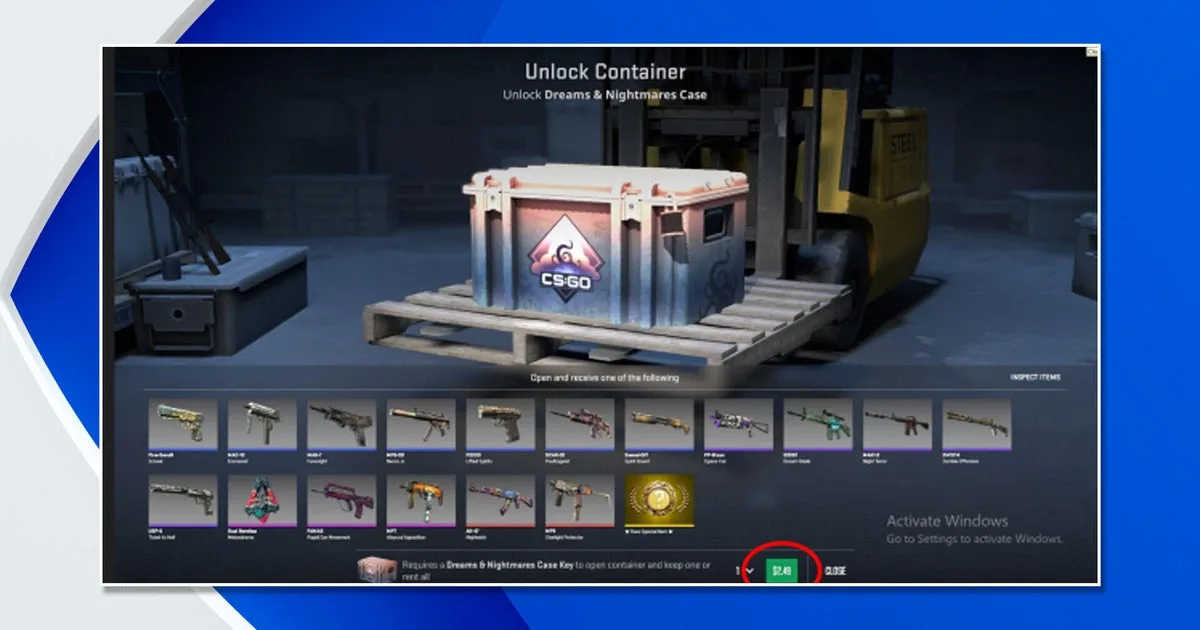
A potential complaint from a state attorney general would cut straight to a legal argument the gaming industry has long contested. It would allege that the loot box systems in Counter-Strike 2, Team Fortress 2, and Dota 2 constitute illegal gambling under state law. The prosecution would draw a direct, three-part comparison to a slot machine.
First, a player makes a payment to open a crate or case. Second, the contents are determined purely by chance, with odds of receiving rare, valuable items typically undisclosed. Third, the player receives a prize of value: a virtual cosmetic item, or "skin." Valve has historically defended such mechanics by stating items are "cosmetic-only" and do not affect gameplay. However, the potency of a lawsuit would lie in its rebuttal, focusing entirely on the real-world monetary value these digital goods accrue. By arguing that the prize has tangible worth, a state would seek to satisfy a classic legal definition of gambling, transforming a virtual transaction into a potentially illegal bet.
The Engine of Value: From Pixels to a Multi-Billion Dollar Market
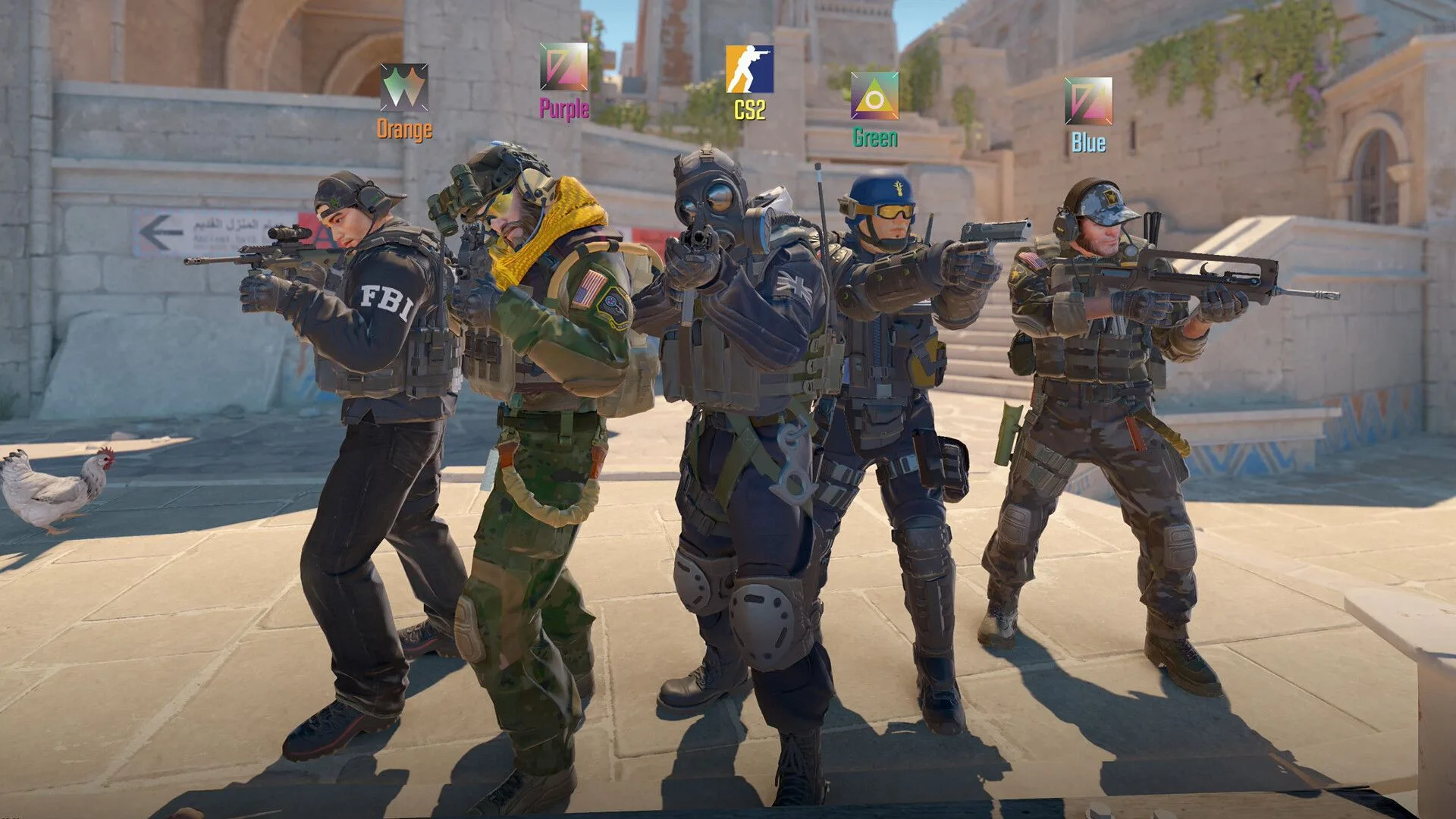
The allegation of gambling hinges on one critical factor: the ability to "cash out." A state's case would meticulously detail the ecosystem Valve created that facilitates this. The primary venue is Valve's own Steam Community Market, where users can sell skins to other players for Steam Wallet credit. This creates a closed-loop economy with real-world value, as that credit can purchase other games, software, and items.
The true scale, however, is revealed in the unregulated third-party cash marketplaces that operate externally. Here, skins are traded for actual currency. Current data illustrates this parallel economy: as of early 2024, the overall market for Counter-Strike skins was valued at more than $4.3 billion. The extreme example is a single AK-47 skin, "Case Hardened (Pattern 661)," which reportedly sold for over $1 million in June 2024. A lawsuit would allege Valve has knowingly profited from this system to the tune of "billions of dollars." This secondary market, a complaint would argue, is the essential "cash-out" mechanism that completes the gambling loop, granting randomized digital items a clear, liquid financial value.
Alleged Harms: Addiction, Youth Risk, and Secondary Crime
A lawsuit would move beyond financial mechanics to outline significant societal harms, justifying severe legal action. It would claim the loot boxes are "addictive and harmful" by design, employing psychological hooks similar to those found in gambling. A complaint would likely point to features like the dramatic audio-visual reveal of a rare item—a sensory reward mimicking a slot machine payout—as part of this design. A particularly damning statistic often cited in such debates is research indicating that children introduced to gambling by age 12 are four times more likely to develop a gambling problem as adults. Given the popularity of Valve's games with younger audiences, a state would position the loot boxes as a direct gateway risk.
Furthermore, a complaint would link the high-value skin economy to a surge in secondary crime. The allure of valuable inventories has allegedly led to rampant account hacking, phishing scams, and theft. Valve itself has acknowledged receiving "hundreds of thousands" of user reports related to item theft. This paints a picture of an ecosystem where the pursuit of virtual loot fosters real-world victimization, adding a layer of consumer protection urgency to a potential case.
What a State Could Want: Fines, Restitution, and an Industry Reckoning
The remedies sought in a major lawsuit would be not merely punitive, but existential for Valve's current business model. A state could ask the court for a permanent injunction to stop the alleged illegal gambling activity within its borders. The financial penalties would be designed to be devastating: full restitution for all affected consumers, the disgorgement (surrender) of all profits Valve earned from the system, and an additional fine of three times the amount of those alleged illegal gains. If successful, this could represent a multibillion-dollar liability.
This action would be part of a clear and growing regulatory trend. A complaint would likely reference the January 2025 settlement where the Federal Trade Commission fined Cognosphere (HoYoverse), the maker of Genshin Impact, $20 million for deceptive practices related to loot boxes. A state-level gambling lawsuit, however, would escalate the fight from consumer protection violations to a criminal allegation, seeking far more consequential penalties.
Potential Ramifications for Valve and the Gaming Industry
The immediate stakes for Valve would be colossal. A loss could force a fundamental redesign of the monetization systems in its flagship live-service games, potentially dismantling a core revenue stream. The financial liability alone would pose a massive threat. Valve would likely mount a vigorous defense, arguing it does not control third-party cash markets and that its official Steam Market constitutes a closed, non-cash ecosystem.
The wider industry impact, however, could be transformative. If a state succeeded in establishing a legal precedent that tradable, randomized microtransactions constitute gambling, it would send shockwaves through the entire gaming landscape. Dozens of major titles across mobile, console, and PC that rely on similar "loot box" or "gacha" mechanics with player-to-player trading would face immediate legal vulnerability in jurisdictions that followed suit. The central question a court would have to decide is profound: At what point does a randomized microtransaction, facilitated by a secondary market, cross the legal line into gambling?
This hypothetical lawsuit represents the peak of a high-stakes conflict between state governments acting on a duty to protect consumers—particularly minors—from perceived harm, and a technology company defending an economic model that has fueled gaming's growth for over a decade. The outcome would hinge entirely on a court's interpretation of "value" and "chance" in a digital age where pixels can be worth a fortune. Regardless of the verdict in any single case, this escalating legal pressure signals that the era of unscrutinized loot boxes is conclusively over. Beyond fines and injunctions, the most lasting impact may be forcing the industry to finally answer a question it has long avoided: if the thrill of the spin is the product, what are companies really selling?
Tags: Loot Boxes, Valve, Gambling Regulation, Video Game Law, Microtransactions