Valve Delays Steam Machine Launch Amid Component Shortages and Pricing Reevaluation
The Delay Announcement and Its Core Causes Valve confirmed the delay for its trio of hardware products—the Steam Machine, Steam Frame VR headset, and Steam Controller—on February 4, 2026 . The core...

The Delay Announcement and Its Core Causes
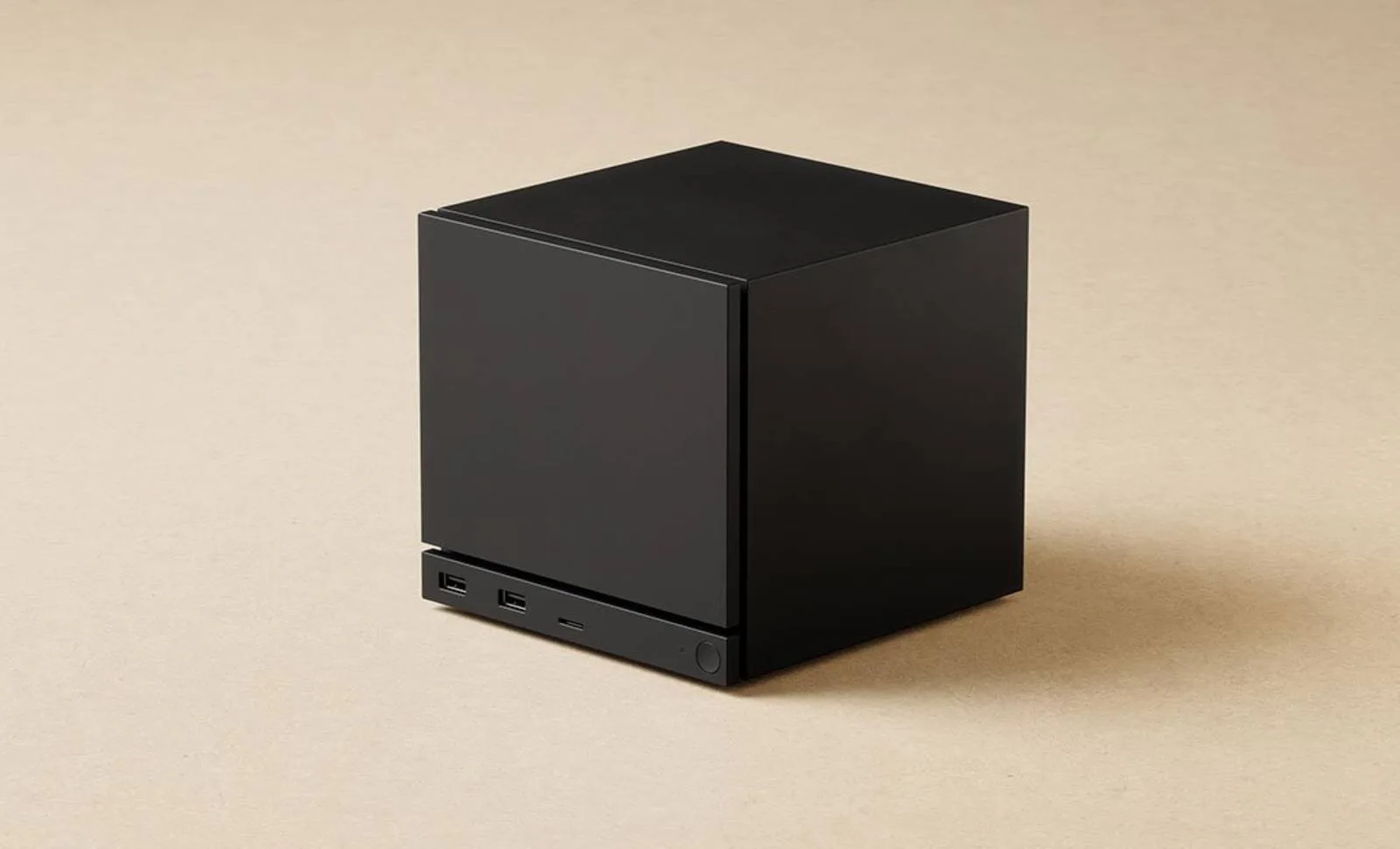
Valve confirmed the delay for its trio of hardware products—the Steam Machine, Steam Frame VR headset, and Steam Controller—on February 4, 2026. The core reason is a familiar yet persistent thorn in the side of the tech industry: severe, industry-wide shortages and rising prices for critical components. Specifically, Valve pointed to volatile costs for RAM (memory) and storage, which have increased significantly since the products were first announced.
This supply chain turbulence has forced a shift in the launch window. The original target of “Early 2026” has been pushed back to an uncertain target sometime within the first half of 2026. This vague timeline underscores the unpredictability Valve faces, as securing components at stable, viable prices is now the critical path forward, not just final assembly.
Pricing in Flux: The $599 Question Mark
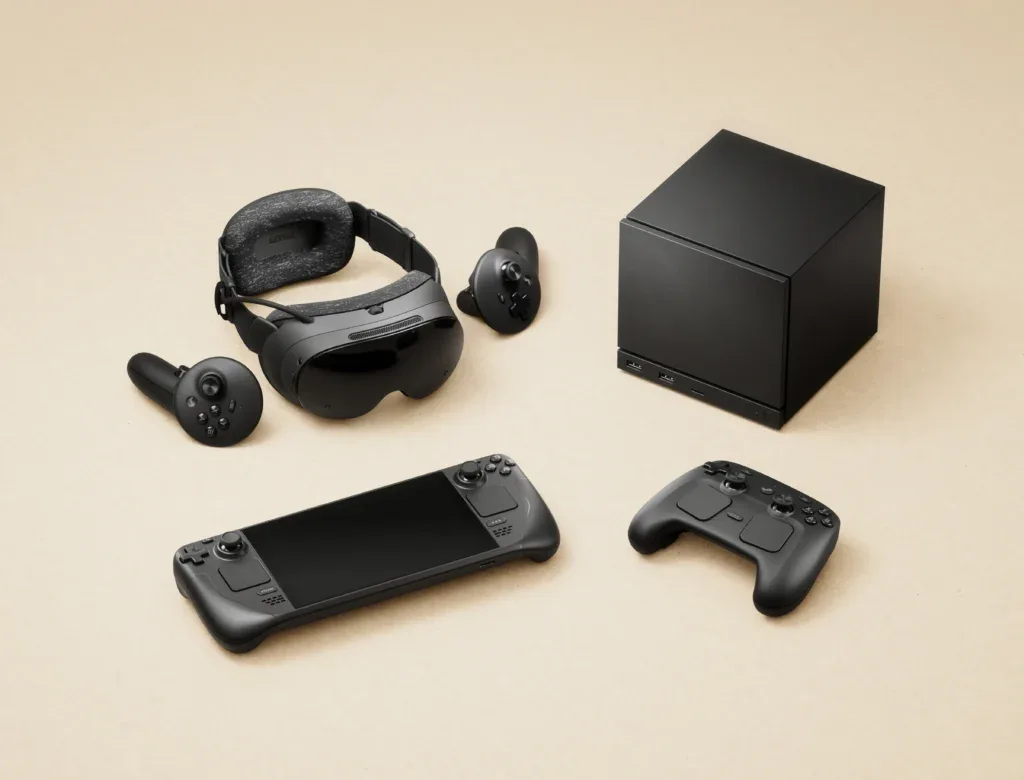
Perhaps the most immediate consequence for consumers is the complete uncertainty surrounding final pricing. Valve has stated it has not finalized pricing for the Steam Machine and Steam Frame due to the ongoing component cost volatility. This directly impacts the speculated price point that had many gamers intrigued.
The Steam Machine was previously rumored to target a competitive price of around $599, a figure that positioned it as a compelling "PC-power-at-console-price" alternative. That target is now officially under review. The delay is explicitly tied to the need to revisit the entire pricing strategy to ensure commercial viability. The looming question is whether Valve can absorb these increased costs or if they will be passed on to consumers, potentially throwing its value proposition into doubt at launch.
Steam Machine Specifications: What's Still Promised
Despite the delay, Valve’s technical promises for the Steam Machine remain a silver lining for its potential. The company has confirmed several user-friendly and performance-oriented features that differentiate it from closed-box consoles, including:
- Support for user upgrades for the SSD and RAM, a nod to the PC gaming ethos.
- Ongoing development for HDMI VRR (Variable Refresh Rate) support to reduce screen tearing.
- Software work on improved upscaling techniques and optimized ray tracing performance.
- Plans to support third-party face plates by sharing CAD files for physical customization.
Most crucially, Valve maintains its key performance claim: that the majority of tested games run at 4K resolution and 60 frames per second. Upholding this promise will be the essential benchmark it must hit to win over skeptical PC gamers and justify the final price, whenever it is set.
The Broader Hardware Ecosystem: Steam Frame and Industry Context
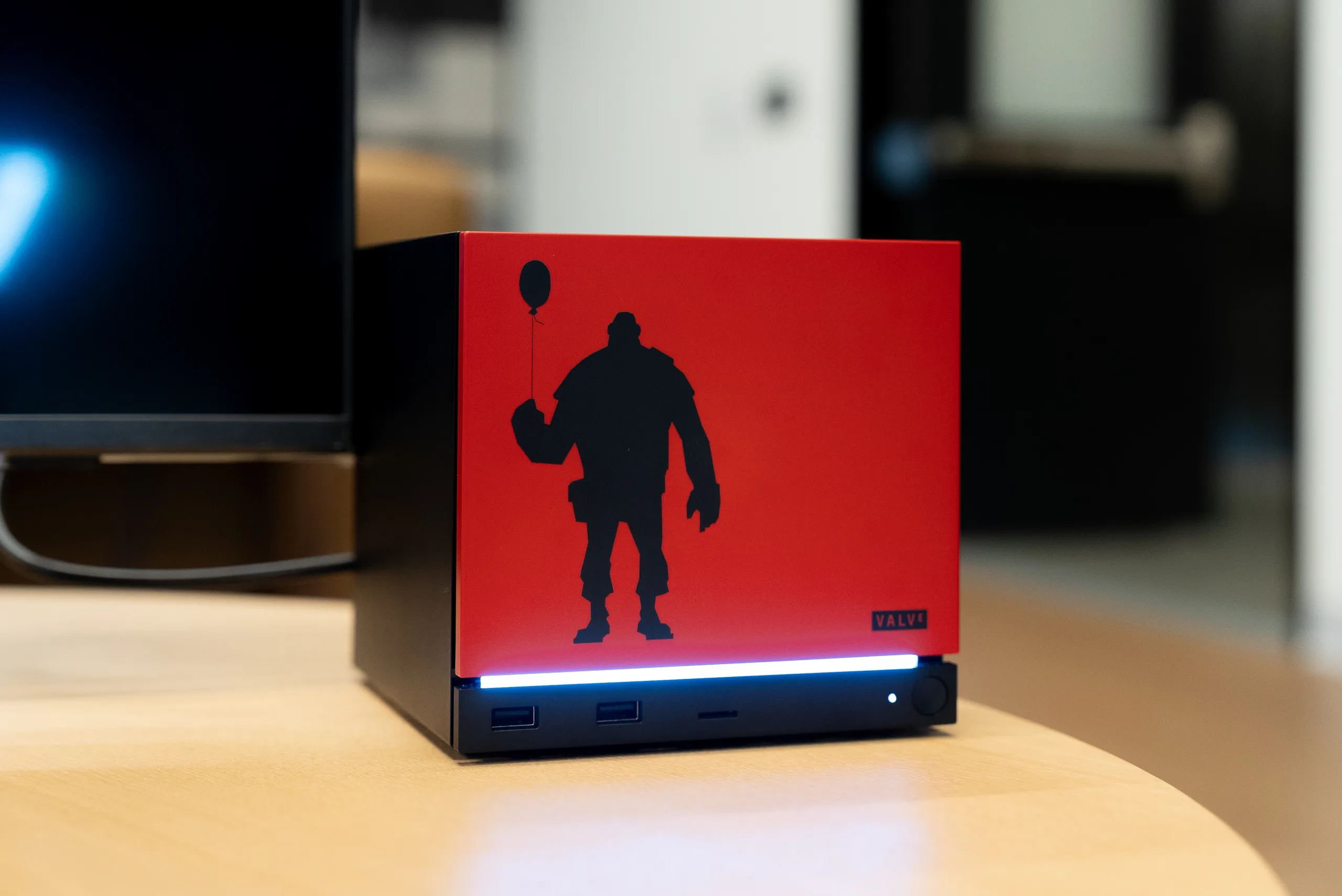
The delay extends to Valve’s VR ambitions. The Steam Frame VR headset is also postponed, though Valve is currently sending out "limited" Steam Frame VR dev kits to game developers. The headset’s original goal was to be priced below the $999 Valve Index—another target now in question due to the same component pressures.
The situation presents a contrasting signal from the manufacturing side. In a separate comment, AMD CEO Lisa Su noted that from a product and manufacturing standpoint, Valve is on track to begin shipping its AMD-powered Steam Machine early in 2026. This highlights a stark disconnect: the physical units might be ready to roll off production lines, but the commercial launch is hamstrung by the economics of sourcing parts at a sustainable cost. It’s a reminder that building a product and profitably bringing it to market are two distinct challenges.
Analysis: A Brutal Strategic Dilemma
The market and community response to this delay has been overwhelmingly negative. For a community eagerly awaiting a new, Valve-backed hardware contender, this news is a significant disappointment that dampens launch hype.
The immediate strategic dilemma for Valve is a brutal one: launch later at a higher price, losing its carefully positioned value edge, or absorb massive costs to hit the $599 target, jeopardizing profitability. With every month of delay, the question becomes more pressing: has the window for a Steam Machine to make a splash already closed in a landscape dominated by established consoles and a vibrant DIY PC market?
Conclusion
Valve now faces a race against time and economics. The promised, gamer-friendly specs of the Steam Machine offer a compelling vision, but that vision will be meaningless if it arrives too late or costs too much. The delay is a stark reminder of the fragile global supply chain's enduring impact. The coming months aren't just about securing components; they're a test of whether Valve can translate its software dominance into a viable hardware proposition in a market that won't wait. Its ability to navigate these challenges will determine if the Steam Machine can ever regain its momentum and successfully stake a claim in the intensely competitive hardware arena.
Tags: Valve, Steam Machine, Hardware Delay, PC Gaming, VR Gaming, Supply Chain