Ubisoft in Crisis: Analyzing the 2026 International Strike and the Growing Labor Movement in Gaming
For three days in February 2026, the creative engines powering one of the world's largest game publishers fell silent. From Paris to Milan, over a thousand Ubisoft employees staged a coordinated...

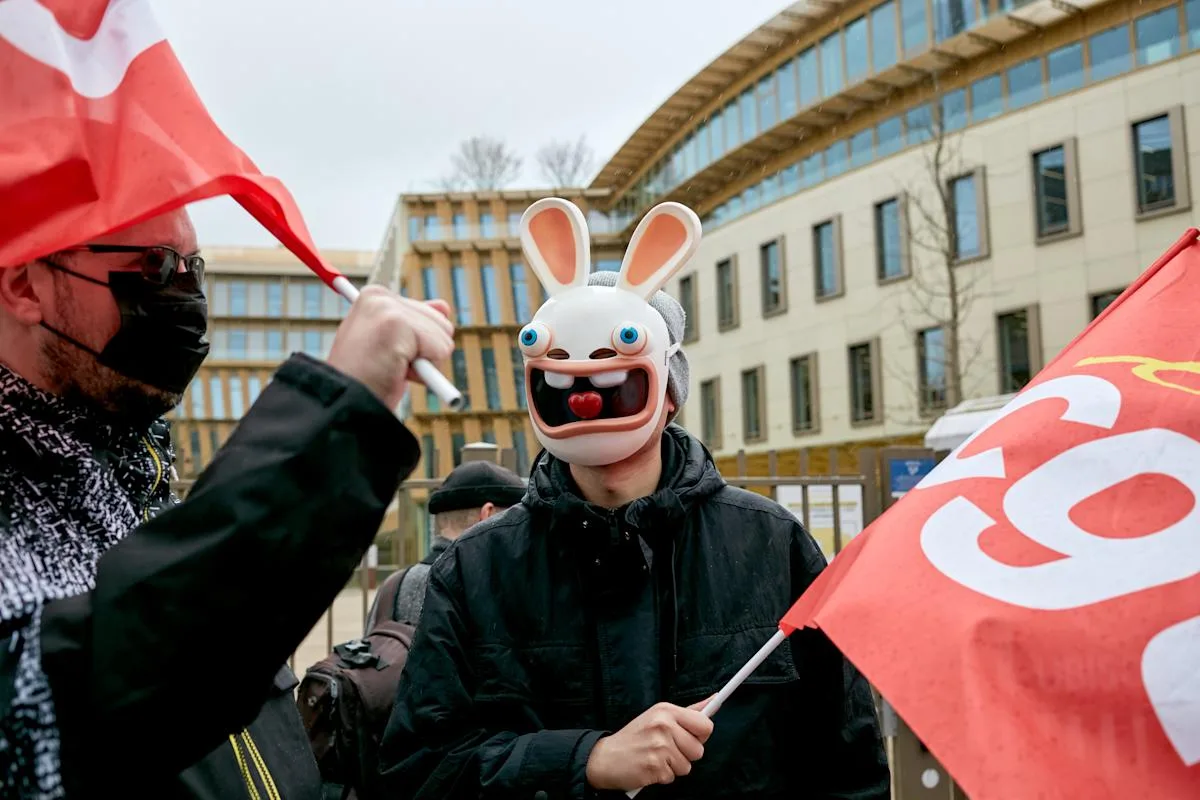
For three days in February 2026, the creative engines powering one of the world's largest game publishers fell silent. From Paris to Milan, over a thousand Ubisoft employees staged a coordinated international strike—a direct and unprecedented challenge to corporate leadership. This was not a spontaneous walkout but a calculated, organized response to a series of corporate decisions that have laid bare a deepening fracture within the AAA gaming machine. It poses a critical question for an industry long celebrated for its culture and creativity: Have years of mass layoffs, studio closures, and top-down mandates finally pushed developer welfare to a breaking point?
The Spark: Ubisoft's "Major Reset" and Employee Grievances
The fuse for this explosive action was lit on January 21, 2026, when Ubisoft’s leadership announced what it termed internally as a “major reset.” This corporate restructuring was drastic, designed to steer a company that financial reports indicated had lost a staggering 95% of its value over the preceding eight years. The reset’s human cost was immediate and severe: the closure of several studios, including Ubisoft Halifax; the cancellation of six in-development games, notably the long-anticipated Prince of Persia: The Sands of Time remake; and layoffs affecting hundreds of employees.
For the workforce, this restructuring was the final, devastating straw atop a pile of long-simmering grievances. Union representatives outlined three core issues that fueled the strike. First was the restructuring itself, viewed not as a necessary evil but as a brutal disruption that discarded projects and people. Second was the company’s mandatory return-to-office (RTO) policy, demanding five days on-site per week—a policy so contentious it had already sparked a significant strike in September 2024. Third, and perhaps most corrosive, were widespread reports of stagnant wages, with employees citing no meaningful pay raises for several years even as living costs soared.
As unions like Solidaires Informatique framed it, these layoffs were particularly galling because teams were already chronically understaffed and operating under intense pressure. The “reset” was seen not as streamlining for efficiency, but as a betrayal that sacrificed job security and morale for corporate survival.
Organized Action: The Scope and Leadership of the Strike
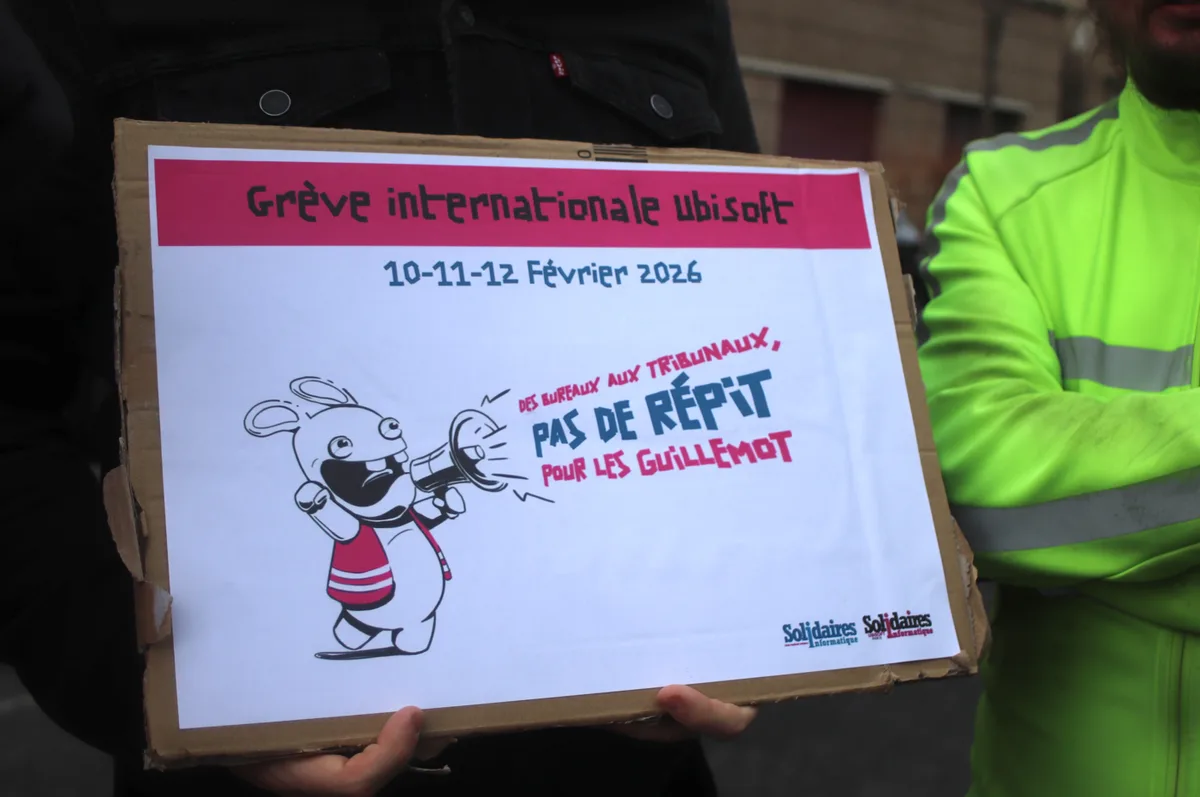
This was not a disorganized protest. The February 10-12, 2026, strike was a coordinated international effort orchestrated by the French union Solidaires Informatique, a growing force in organizing tech and game workers. The action demonstrated a new level of tactical coordination in game industry labor disputes, moving beyond single studios or countries.
The primary action was concentrated in France, home to Ubisoft’s Paris headquarters and a significant portion of its workforce. Participation was also confirmed at the Ubisoft Milan office in Italy, highlighting the cross-border solidarity among European developers. A notable point of contention emerged in the aftermath: while the union firmly stated at least 1,200 Ubisoft employees participated, the company’s official count was just 538. This gap not only reflects a dispute over facts but symbolizes the profound lack of trust and alignment between the workforce and corporate communications.
The strike’s scale also reveals a pattern of escalating conflict. It directly followed a smaller strike on January 22, 2026, and was a clear escalation from the September 2024 strike by over 700 Ubisoft France workers, which was specifically against the same RTO mandate. The recurrence and growth of these actions signal that employee dissatisfaction has hardened into sustained, organized resistance.
A Clash of Perspectives: Management vs. Workforce
The strike laid bare a fundamental disconnect in how Ubisoft’s crisis is viewed from the boardroom versus the development floor. Management’s public response, as captured in an official statement, aimed to project control and conciliation. The company acknowledged the “strong feelings” generated by its changes, stated it had held discussions to address concerns, and reaffirmed a commitment to “maintaining an open and constructive dialogue.”
This calibrated corporate language was sharply contradicted by the voices from the picket lines. Marc Rutschlé, a Solidaires Informatique union representative at Ubisoft Paris, delivered a scathing indictment of leadership, stating: “At this stage, it seems clear to us that Yves Guillemot has no knowledge or understanding of his company or its employees.” This quote cuts to the heart of the labor relations crisis. It frames the conflict not merely as a dispute over policies, but as a failure of vision and empathy from the very top—a belief that the CEO and C-suite are fundamentally out of touch with the realities of the teams that build their games.
The Financial Imperative: Ubisoft's Survival Tactic
Ubisoft’s drastic “reset” and the fierce backlash it provoked cannot be divorced from intense financial pressure. The company’s restructuring announcement was met with a brutal 34% drop in its stock price, a market verdict that underscores the precariousness of its position. The move was a survival tactic, a desperate attempt to reassure investors and stabilize a floundering ship after years of commercial disappointments and a collapsing share price. This context clarifies the management's position: facing an existential threat to the company's viability, leadership enacted a painful, top-down strategy for corporate survival. However, this financial imperative directly collided with the workforce's demand for stability and respect, creating the central conflict that erupted in the strike.
A Bellwether for the Industry: The Maturing Labor Movement
The 2026 strike represents something far larger than one company’s internal troubles. It signals a potential maturation of labor activism within the global gaming industry. For decades, the industry’s workforce, often driven by passion, has been characterized by a culture of “crunch” and acceptance of volatile job security. What we are witnessing now is a shift from isolated complaints and anonymous forum posts to coordinated, international strike action led by formalized unions. Developers are no longer just voicing frustration; they are leveraging collective power to demand a seat at the table.
This event is not an outlier but part of a growing trend. It follows other significant labor actions across the sector, including strikes and unionization efforts at companies like Activision Blizzard, Keywords Studios, and Sega of America. The tactics used by Solidaires Informatique—international coordination, clear articulation of multi-faceted grievances (pay, policy, job security), and sustained action—provide a potential blueprint for workforces at other publishers facing similar pressures of restructuring, mandated RTO, and cost-cutting. The era where mass layoffs and top-down mandates could be executed without the risk of organized, public resistance may be coming to an end.
Conclusion
The international strike at Ubisoft is a powerful symptom of a deep and growing conflict. It pits unsustainable corporate financial models, designed to appease shareholders, against the fundamental demands of a workforce seeking stability, fair compensation, and respect. Ubisoft’s crisis is a microcosm of the tensions threatening the entire AAA development ecosystem. The question now is whether this dramatic action will force genuine structural dialogue and meaningful change, or if the disconnect between leadership and labor is so profound that further, even more confrontational clashes are inevitable. The answer will resonate far beyond the streets of Paris and Milan, shaping the future of how games are made and who holds the power in the process.
Tags: Ubisoft, Video Game Industry, Labor Strike, Game Development, Corporate Restructuring