Todd Howard on AI in Gaming: Bethesda's Cautious Tool, Not a Creative Replacement
In a recent industry interview, Bethesda Game Studios director and executive producer Todd Howard delivered a definitive verdict on the artificial intelligence revolution sweeping through game...

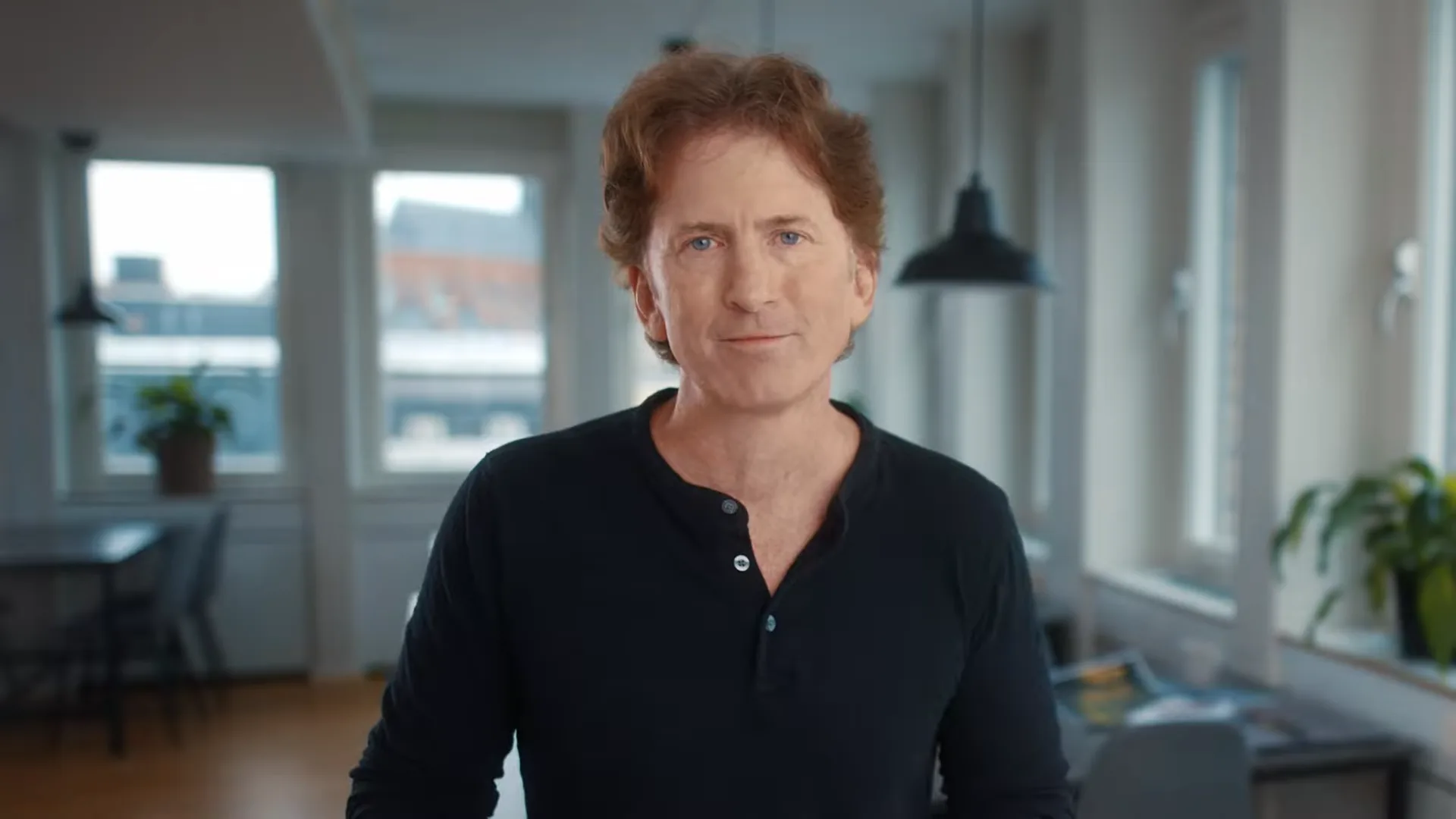
In a recent industry interview, Bethesda Game Studios director and executive producer Todd Howard delivered a definitive verdict on the artificial intelligence revolution sweeping through game development: it is "certainly not a fad."
This statement, coming from one of the most influential figures behind franchises like The Elder Scrolls and Fallout, immediately frames AI as a transformative, permanent force. Yet, in the same breath, Howard attached a crucial caveat that defines Bethesda’s unique stance: the studio is "not using it to generate anything" creative for its games.
This creates a compelling tension at the heart of modern AAA development. How does a legendary studio known for vast, intricate worlds harness the raw power of AI while fiercely protecting the human artistry that defines its identity? Howard’s comments offer a rare glimpse into a pragmatic, preservationist philosophy navigating this uncertain technological shift.
The "Handcrafted" Philosophy: Why Bethesda Says No to Creative AI
For Bethesda, the line in the sand is drawn at the point of creation. Howard’s emphasis is on "handcrafted human intention" and preserving "artistic intention" as non-negotiable studio values. This isn't merely a preference for traditional tools; it's a foundational belief that the creative vision—the soul of a game—is intrinsically human. In this view, AI-generated art, writing, quests, or level design are seen as potential threats to that vision, introducing an algorithmic element where a director’s or designer’s specific intent should reside.
This stance positions Bethesda interestingly within the broader, often heated, industry debate. As other studios experiment with AI for generating NPC dialogue, environmental textures, or even code, Bethesda is publicly championing the artisan. Howard’s comments suggest a belief that the perceived shortcuts of generative AI could erode the unique, sometimes quirky, character that fans associate with a Bethesda RPG. The studio seems to be betting that players can feel the difference between a procedurally generated landscape and one placed by hand, between a quest written by an algorithm and one crafted by a writer who understands narrative pacing and player agency.
AI as a Tool: The Analytical and Productive Applications
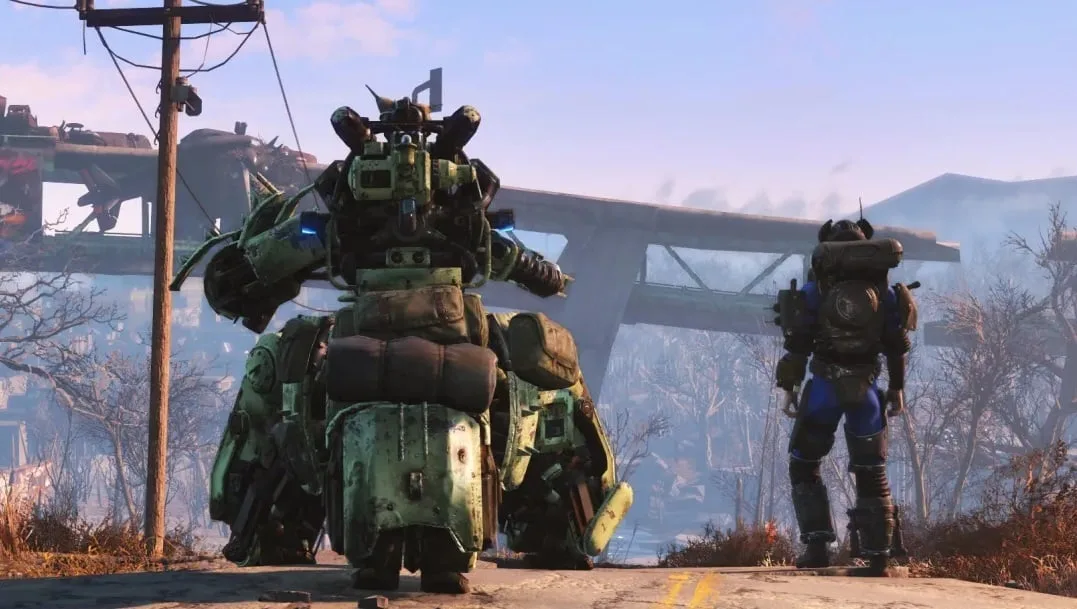
If AI is barred from the creative suite, where does it fit into Bethesda’s pipeline? Howard describes it as a "tool" for analytical and productivity tasks. This is the pragmatic side of the philosophy: leveraging technology to support the human creators, not replace them.
Currently, this means using AI for back-end, data-heavy work. Think of processing vast amounts of in-game data for balancing, analyzing player metrics to understand behavior patterns, or improving code productivity by automating routine, technical tasks. The goal is to "save time" on the non-creative grunt work, freeing developers to focus more energy on design, storytelling, and world-building. Howard is clear-eyed about the technology's infancy, describing this era as "very, very early days" and noting the studio is "incredibly cautious" as new models emerge "every few months." Bethesda’s approach is one of watchful utility—using AI where it clearly serves the human-led process, not where it might subvert it.
Preservation Over Reinvention: The "Anti-Remake" Mentality
This principle of protecting human artistic intention doesn't only apply to new games using AI; it fundamentally shapes how Bethesda views its own legacy. Howard stated he is "sort of anti-remake," expressing a belief that a game’s age is part of its identity and charm. This philosophy rejects the trend of ground-up, modernized remakes in favor of a specific model: the faithful remaster.
The blueprint is The Elder Scrolls IV: Oblivion Remastered. Howard describes the goal as creating "the absolute best version" of the original game, as if it had been continuously patched and updated for modern hardware over the years. This means significant technical overhauls—higher resolutions, improved frame rates, better stability—while meticulously preserving the original art direction, gameplay systems, and overall vision. The iconic, painterly faces of Cyrodiil’s citizens would remain, just in sharper detail.
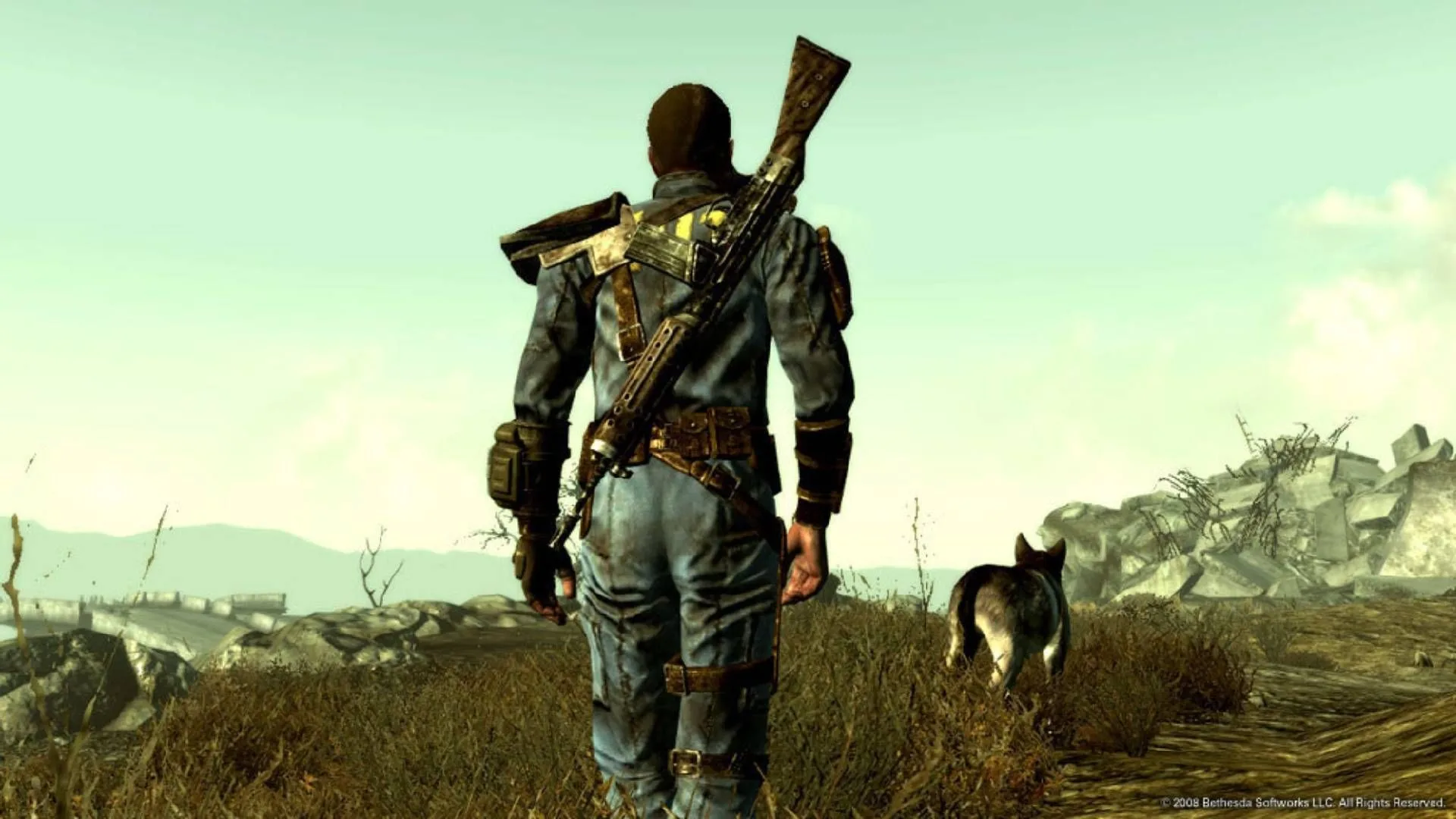
This has clear implications for fan-requested titles like Fallout 3 and Fallout: New Vegas. Howard’s comments strongly suggest that any future re-releases would follow this remaster philosophy, not receive full remake treatments. For Bethesda, the value lies in honoring and re-presenting a past creative achievement, not reinterpreting it through a contemporary lens. It’s another facet of protecting artistic intention, this time across decades.
The Road Ahead: Multiple Projects and Strategic Patience
Amidst this discussion of philosophy and technology, Howard also addressed the studio’s bustling future. He confirmed there are "multiple" Fallout projects in development, validating years of fan speculation and heightened interest following the success of the Fallout television series. While details remain scarce, this confirmation signals that the Wasteland will continue to be a major pillar for Bethesda.
The timeline, however, reflects the studio’s methodical pace. New Fallout content appears to be on a "nearer-term horizon", while the long-awaited The Elder Scrolls VI remains further out. This pipeline perfectly embodies the overarching theme of Howard’s commentary: a studio applying its deliberate, human-centric philosophy across both nurturing legacy titles and building new worlds. Each project, whether a remaster or a new chapter, is an exercise in controlled scale and intentional design.
Todd Howard has outlined a dual-pillar strategy for Bethesda Game Studios: embrace AI’s analytical utility with clear-eyed caution, while doubling down on human creativity and preservationist design. This isn't a Luddite resistance to change, but a deliberate, identity-driven strategy to integrate powerful technology without compromising the "handcrafted" soul that defines their work.
In an industry rushing to adopt every new tool, Bethesda’s stance establishes a compelling benchmark. As AI continues its inevitable evolution, the question of how to wield it without eroding artistic integrity will only grow louder. Bethesda, under Howard’s guidance, is already crafting its answer: as a supportive tool in service of a vision that remains resolutely, and intentionally, human. As the industry grapples with AI's role, Bethesda's 'handcrafted' benchmark poses a critical question for players and developers alike: in the pursuit of efficiency, what intangible quality of human creation might we lose?