Titanium Court Review: A Dreamlike Fusion of Match-Three Puzzles and Fairy Tale Strategy
In the crowded landscape of indie games, true originality is a rare gem. Enter Titanium Court , a 2026 release that presents players with a delightful paradox. On one screen, you see the sterile,...

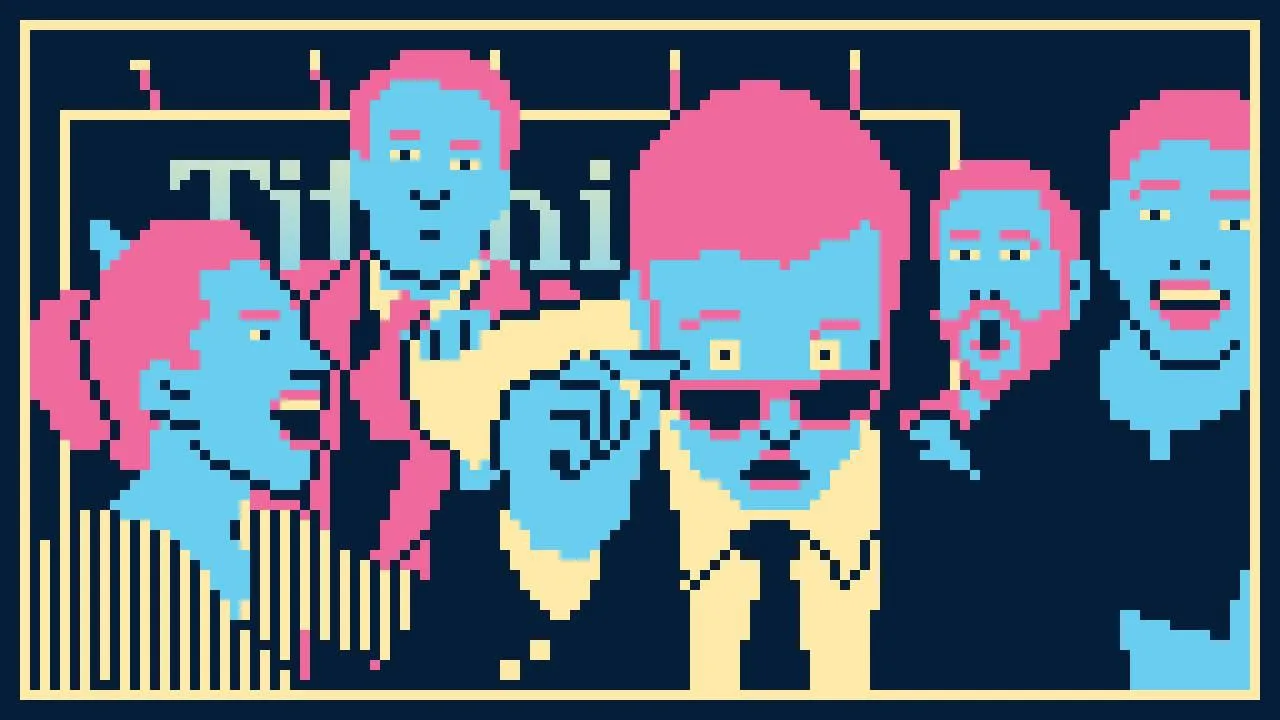
In the crowded landscape of indie games, true originality is a rare gem. Enter Titanium Court, a 2026 release that presents players with a delightful paradox. On one screen, you see the sterile, beige aesthetics of corporate office life—a "corpcore" fantasy of filing cabinets and ergonomic chairs. On another, you’re embroiled in a magical, Shakespearean power struggle within a fairy court, complete with a mischievous Puck and meditations on the nature of spoons. This striking contrast is the first clue that developer AP Thomson has crafted something special. An Independent Games Festival (IGF) Award winner published by Fellow Traveller, Titanium Court boldly mashes together the compulsive tile-matching of Candy Crush with the thoughtful pre-planning of a real-time strategy autobattler. But does this award-winning hybrid create a cohesive masterpiece, or does its ambitious genre blend create frustrating friction? The answer, like the game itself, is beautifully complex.
The Core Loop: Tides, Tiles, and Tactics
At its heart, Titanium Court is a roguelike structured around a serene, yet tense, daily cycle. Your time as the trapped queen of the fairy court is divided into two distinct phases: High Tide and Low Tide.
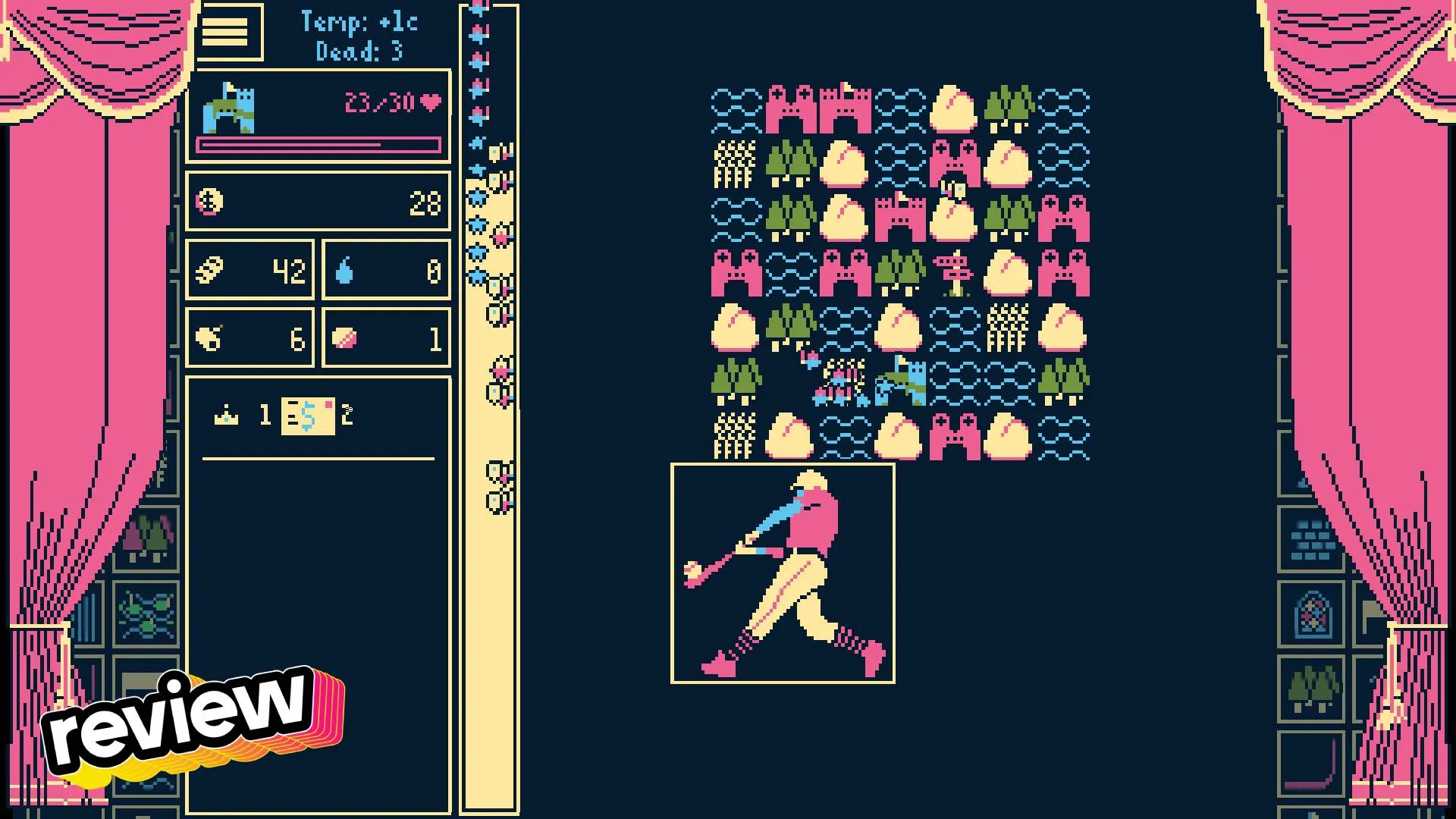
High Tide is the match-three puzzle phase. The battlefield is presented as a grid of tiles depicting resources like trees, water, and stone, alongside enemy encampments. With a simple click-and-drag, you slide entire rows or columns, matching tiles to gather resources, eliminate enemy bases, and—most crucially—sculpt the very terrain of the coming battle. Matching water tiles creates lakes that slow ground units; matching mountain tiles erects impassable barriers. This phase is a puzzle of precise, satisfying manipulation where every move has direct tactical consequences.
When the tide recedes, Low Tide begins. Here, you spend the resources you’ve gathered to deploy units, cast spells, and brew potions onto the now-terraformed battlefield. You position your fairy knights, archers, and mages, set up defensive structures, and lay traps. Once your preparations are complete, the battle commences in an automated fashion. Your carefully laid plans either triumph or crumble, with success wholly dependent on the strategic foresight exercised during the puzzle phase.
Failure is part of the journey. A lost run resets your progress on the overworld grid, but you earn "Comfort"—a meta-progression currency used to purchase permanent buffs that make subsequent attempts slightly easier. This loop of puzzle-solving, strategic deployment, and incremental growth is hypnotic, creating a rhythm that feels both meditative and deeply strategic.

Depth Through Diversity: Court Jobs and Strategic Endings
Where Titanium Court truly shines is in its staggering replayability, driven by its "Court Jobs" system (also called Crowns). Unlocking new jobs doesn't just change your starting deck; it fundamentally rewrites the rules of the game. For example, choosing the Arsonist job transforms basic tree tiles into sources of explosive fire damage, turning a resource-gathering exercise into a pyromaniac's delight. Another job might make water tiles heal your units or allow mountain tiles to spawn defensive golems. Each of the several jobs provides a unique starting army, special cards, and a completely fresh approach to both the puzzle and strategy layers, encouraging multiple campaign playthroughs.
This strategic diversity culminates in the innovative boss fights. Confronting the major antagonist of a run isn't a simple battle of attrition. Instead, you must pursue one of three distinct victory conditions: a straightforward offensive victory, a stalwart defensive victory, or a cunning economic victory achieved by controlling key resources. The path you choose determines which of the game’s multiple endings you unlock. Furthermore, secret, plot-altering endings are buried deeper, rewarding players who master the synergies of specific jobs and strategies. This system ensures that the narrative mystery—why you are trapped, and what the fairy court truly is—unfolds gradually across many runs, making each playthrough feel like a new chapter in an obscure, magical tale.
Aesthetics and Atmosphere: Lo-Fi Pixels and Hypnagogic Pop
Titanium Court’s presentation is a masterclass in cohesive, off-kilter style. Its visual language is "lo-fi" pixel art, evoking the feel of a forgotten desktop application from the early 2000s. Characters are charmingly rendered as colored stick figures, and the pastel-colored environments are clean and simple, making the puzzle grid effortlessly readable. This minimalism allows the player’s imagination to fill in the gaps, painting a grand fairy tale over a framework of corporate flowcharts.
The atmosphere is cemented by an outstanding soundtrack described as "easy-listening jazzy" and "hypnagogic pop." It’s a gently dreamlike, cabaret-style score that wouldn’t feel out of place in a late-night lounge. This music, combined with the game’s gloriously funny and often absurd writing—where characters philosophize about office supplies—creates a uniquely compelling mood. The tonal blend of magical realism, mundane corporate life, and Shakespearean riffing (primarily on A Midsummer Night's Dream) results in what one reviewer aptly called "lovely vibes." It’s a game you get lost in, not just through its gameplay, but through its hypnotic, mysterious aura.
The Verdict: Brilliant Singularity vs. Strategic Friction
Titanium Court’s ambition is a double-edged sword. Its "Foucault’s Pendulum meets Candy Crush" fusion is a brilliantly singular achievement, earning its IGF Award with sharp writing and potent creativity. However, as noted in reviews like PC Gamer's (74/100), this innovation creates a palpable "strange friction" between the precise, controlled puzzle phase and the somewhat imprecise, chaotic automated battle phase. You can craft a perfect strategic setup, only to watch it unravel due to subtle unit pathing or unpredictable AI behavior.
Other criticisms are noted: some daily tasks can feel overly reliant on random tile generation (RNG), the plot’s ethereal nature can sometimes feel "too effortless," and after mastering several jobs, players may crave more late-game variety or challenge. From a value perspective, Kotaku’s Zack Kotzer reported completing the core campaign and experimenting with several jobs in about eight hours—a satisfying length for a narrative-driven roguelike, with plenty of incentive to return for alternate endings and job mastery.
Titanium Court is not a perfectly streamlined machine. It is a fascinating, sometimes unwieldy, piece of artistic game design that prioritizes mood, originality, and clever systems above polished balance. It is a must-play for gamers who cherish innovation, atmospheric world-building, and games that dare to be different, even with rough edges. For those seeking a tightly balanced, purely challenging strategic experience, the friction may prove too great. But for anyone willing to meet it on its own terms, Titanium Court is a captivating and memorable experience, a testament to the potent rewards of defying genre conventions. Its vision is potent, its execution is brave, and its world is absolutely worth visiting.