The Women Behind Kratos: How Female Developers Shaped God of War's Most Notorious Mini-Games
The Revelation: A New Perspective on Development The bombshell was dropped by Alanah Pearce, a writer who worked at Santa Monica Studio during the development of God of War (2018). Speaking on her...

The Revelation: A New Perspective on Development
The bombshell was dropped by Alanah Pearce, a writer who worked at Santa Monica Studio during the development of God of War (2018). Speaking on her podcast and in subsequent discussions, Pearce provided specific, behind-the-scenes details that challenge the narrative surrounding these mini-games.
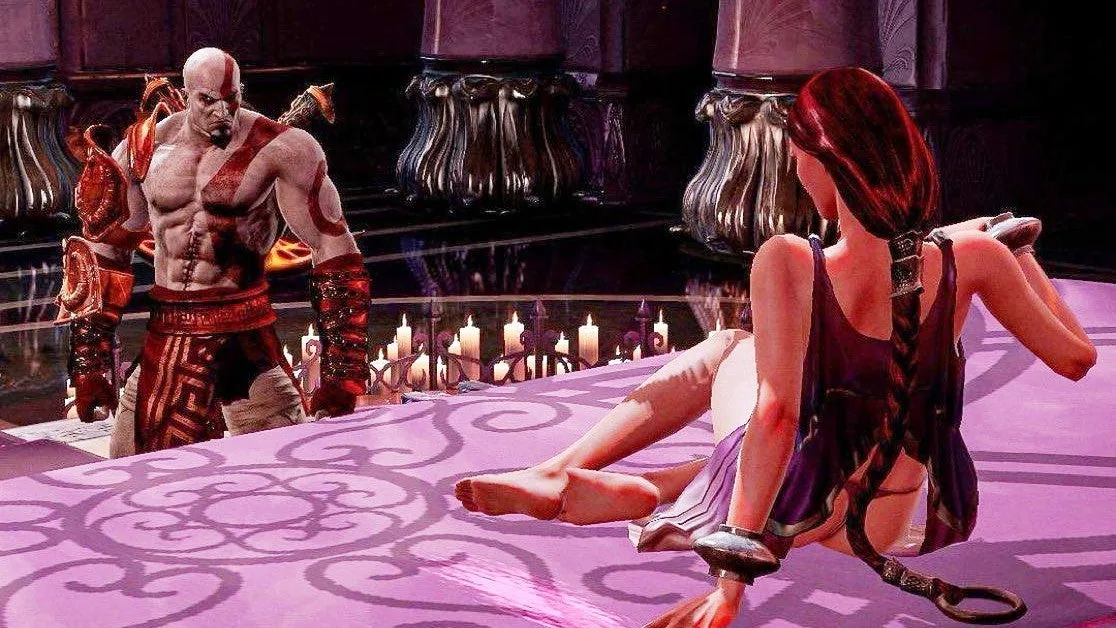
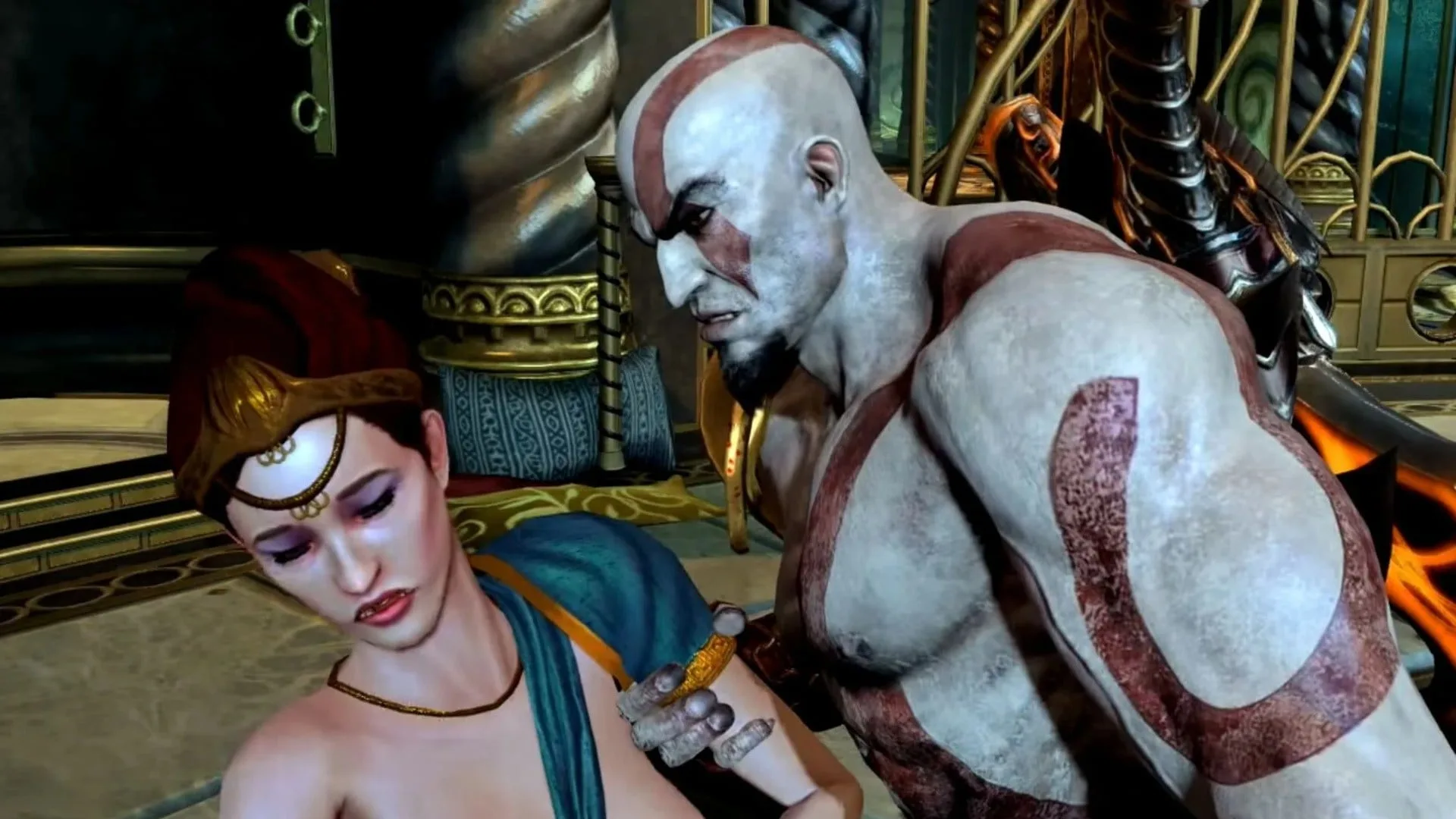
Pearce confirmed that the interactive sequences in the original trilogy and God of War: Chains of Olympus had significant female creative leadership. The most striking example she provided concerns God of War III's infamous visit to Aphrodite's chamber. According to Pearce, the ornate, fleshy, pulsating design of the room itself was intentionally crafted by a group of women artists to be evocative of vaginal and labial imagery—a deliberate artistic choice tied directly to the goddess of love's domain.
Adding a crucial personal dimension to the story, Pearce noted she worked with one of the developers involved, Ariel Lawrence. Far from being embarrassed or dismissive of the work, Lawrence was reportedly "very proud" of the design. This sentiment paints a picture of a team approaching the content with creative purpose and ownership, rather than as a cringe-worthy assignment handed down by male directors.
Design with Intent: Character vs. Sensationalism
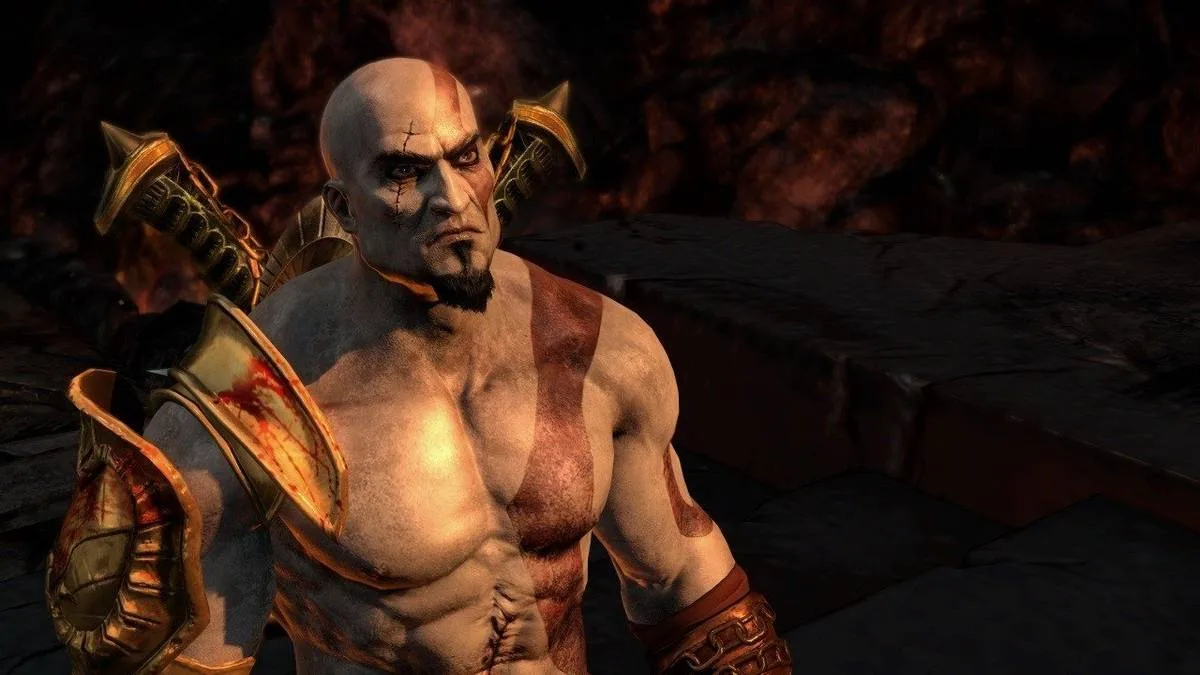
This revelation shifts the analytical lens from presumed exploitation to examined intent. Pearce has been a vocal advocate for the mini-games' artistic validity, arguing they were not disrespectful to women but served a clear narrative function: illustrating Kratos's character.
In the Greek era, Kratos was not a hero. He was a profoundly flawed, rage-and-lust-driven demigod, a slave to his base impulses as much as to the gods he sought to destroy. The mini-games, from this perspective, were a mechanical extension of his character. They were not rewards for the player in a traditional sense, but reflections of Kratos's state—another form of consumption and domination on his path of vengeance. The pleasure was brief, animalistic, and empty, mirroring the hollow nature of his quest.
This female-led design work directly challenges the automatic assumption that such content is inherently exploitative or created solely for a "male gaze." It suggests the scenes could be viewed as a deliberate, if extreme, character study crafted by developers considering how to visually and interactively manifest a broken protagonist's psyche. The common external perception of gratuitousness now stands in contrast to an internal development narrative of intentional, character-driven design.
The Remake Debate: To Include or Not to Include?
The conversation has moved from historical analysis to immediate practical debate with Sony's confirmation that remakes of the Greek saga are in "very early" development. The question of whether to preserve, alter, or remove the sex mini-games is a primary point of contention.
On one side, advocates like Pearce argue for faithful inclusion based on artistic and character integrity. To remove them, in this view, would be to sanitize a key facet of the original Kratos and the unapologetic tone of the early games. It would be a revision of history, softening a character defined by his harsh edges.
The opposing perspective considers modernization. The God of War franchise has evolved dramatically, with the Norse-era games achieving critical acclaim for mature storytelling and a more nuanced Kratos. Some argue the remakes could reflect this evolution, perhaps replacing interactive sequences with cutscenes (as God of War: Ascension did in 2013) or omitting them to better align with the series' current prestige reputation.
Player sentiment, however, appears to lean strongly toward preservation. A Push Square poll conducted in the wake of these discussions found that 70% of readers voted to retain the mini-games in a potential remake. This data grounds the debate in demonstrable fan interest for historical accuracy over alteration.
From Greece to Midgard: The Evolution of Kratos and Content
This debate is inherently linked to a transformation that has already occurred within the franchise itself. The sex mini-games were a recurring, if sporadic, feature of the Greek era. Their fate was already being questioned internally by 2013's God of War: Ascension, which replaced an interactive scene with a narrative cutscene. With the 2018 soft reboot, they disappeared entirely.
This evolution is inextricably linked to Kratos's character arc. The Norse-era Kratos is a father, a mentor, and a man desperately trying to bury his past and control his rage. The mechanics of the game reflect this: combat is more strategic and weighty, and narrative intimacy replaces carnal distraction. The removal of the sex mini-games wasn't merely a content choice; it was a mechanical declaration that this was a different Kratos. The man who once sought oblivion in violence and pleasure is now fighting for a future.
Therefore, the remake debate is not just about a specific type of content. It is a question about the purpose of a remake itself. Should it be a meticulous preservation of a historical artifact, mechanics and all, allowing players to experience the original character in all his problematic glory? Or should it reframe that history through the lens of the character and franchise it ultimately became?
The revelation that women were central to designing God of War's most controversial elements forces a nuanced reckoning. It complicates the easy critique and re-contextualizes the scenes as intentional, character-focused work. As the remakes loom, developers and players alike must grapple with a core tension. For the developers of the remake, the choice is now this: is their duty to preserve a challenging piece of their studio's history, or to curate a legacy for the character Kratos has become?