The Week In Games: Dwarven Dungeons, Pirate Survival, And The Pause Button's Secrets
Headliners & Heavy Hitters The week’s marquee releases offered something for nearly every major platform. Capcom’s enigmatic sci-fi adventure, Pragmata , finally materialized on April 17, launching...

Headliners & Heavy Hitters
The week’s marquee releases offered something for nearly every major platform. Capcom’s enigmatic sci-fi adventure, Pragmata, finally materialized on April 17, launching simultaneously on PS5, Xbox Series X/S, Nintendo’s Switch 2, and PC. Nintendo provided a dose of wholesome social simulation with Tomodachi Life: Living the Dream for the Switch, while Supergiant Games’ acclaimed roguelike Hades 2 expanded its reach to PlayStation and Xbox consoles.
They were joined by a strong supporting cast. The visually striking 2.5D cyberpunk platformer Replaced launched, alongside charming indies like the detective noir Mouse: P.I. For Hire and Outerloop Games’ food-themed RPG Dosa Divas. However, not all major releases enjoyed a smooth landing. The long-delayed PS5 port of Bethesda’s Starfield served as a stark counterpoint, with numerous player reports of persistent technical issues plaguing its debut on the platform three years after its initial release—a reminder that a high-profile name is no guarantee of a flawless launch.

The Indie & Early Access Spotlight
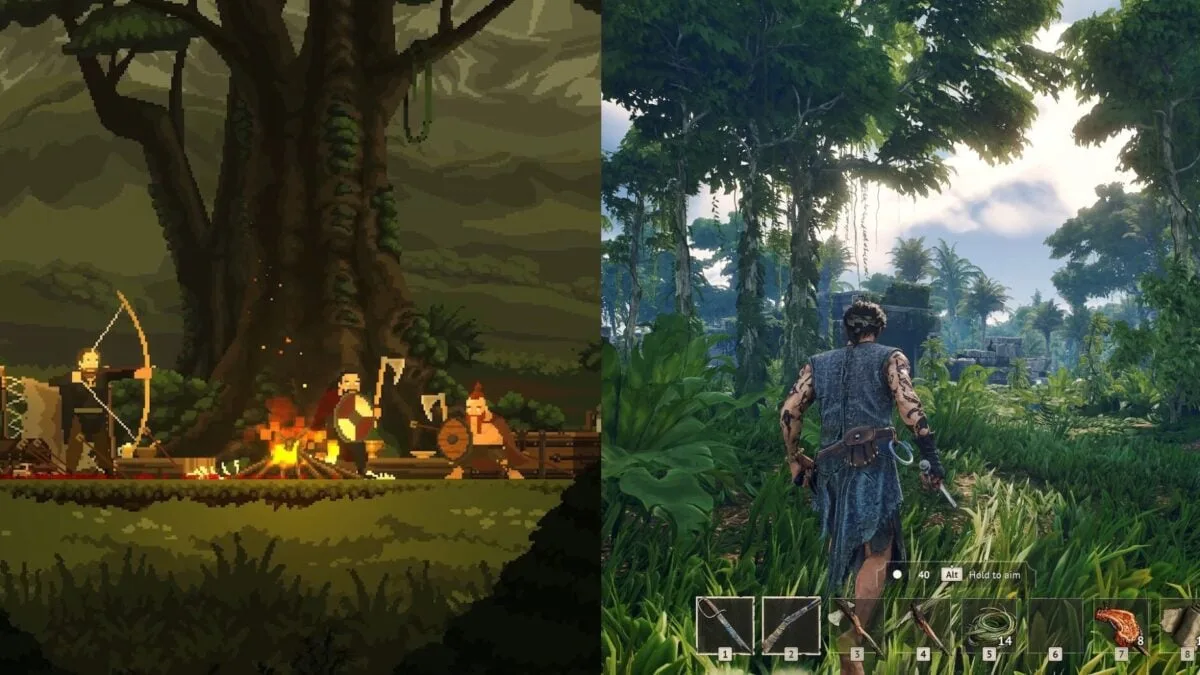
While the AAA space commanded attention, the most intriguing narratives emerged from the grassroots level. The sequel Regions of Ruin: Runegate, a pixel-art dungeon crawler centered on dwarven fantasy, launched into the volatile waters of Steam. Its immediate reception of “Mixed” user reviews highlighted the perilous journey of a sequel: balancing fan expectations for more of the same with the need for meaningful evolution.
The week’s undeniable breakout story, however, was Windrose. This pirate-themed PvE survival game sailed into Early Access on April 14, buoyed by massive interest from a successful Steam Next Fest demo. Drawing immediate and favorable comparisons to Valheim for its cooperative, progression-driven loop, Windrose tapped directly into a specific player fantasy. Its success framed a poignant industry case study. As noted in coverage, Windrose’s appeal lies in its embrace of being a “tree-punching adventure”—a foundational survival game trope that Ubisoft’s beleaguered live-service title Skull & Bones “never managed to make the jump from ship management sim to.” Here was a smaller team, through Early Access, directly delivering on a core pirate survival fantasy that a giant had struggled to capture.

Industry Pulse: Announcements, Funds, and Futures
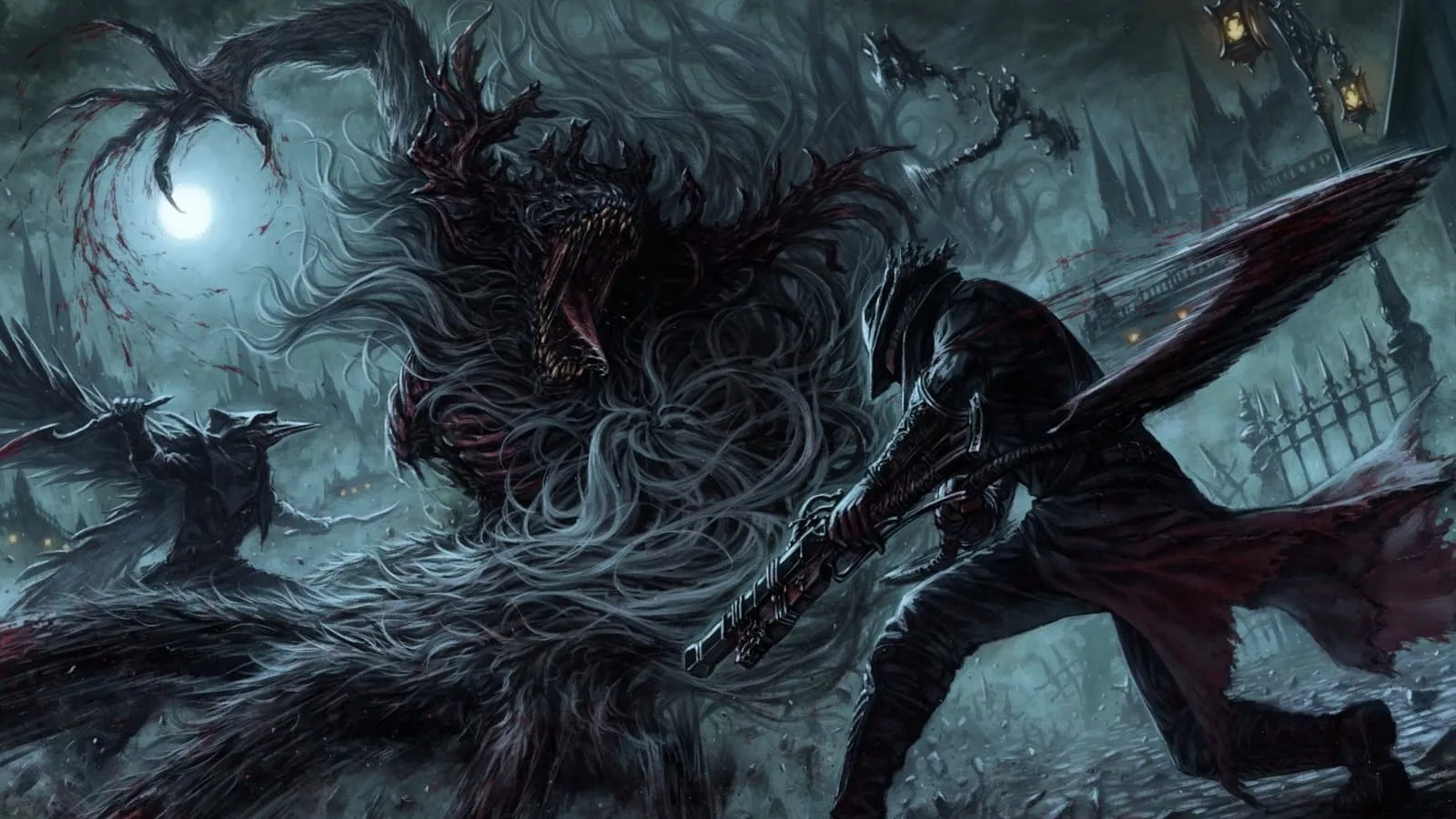
Beyond the games themselves, the industry’s gears were turning with significant news. The most surprising announcement came from Hollywood: an R-rated animated film adaptation of Bloodborne is in development, co-produced by PlayStation Productions, Lyrical Animation, and influential YouTuber JackSepticEye, signaling a continued push for gaming IP in new media.
The business landscape saw potential tremors. Reports from reliable industry publications suggest Xbox CEO Asha Sharma is considering changes to the Xbox Game Pass model, with one potential seismic shift being the removal of Call of Duty as a day-one offering—a move that, if true, would significantly alter the service's value proposition. In more positive funding news, the UK government announced a new £28.5 million (approximately $38.3 million) fund to support its domestic video game developers.
Looking ahead, the pipeline is crowded. Undead Labs will begin alpha tests for State of Decay 3 in May, focusing on its four-player co-op. 4A Games officially revealed Metro 2039, continuing its collaboration with author Dmitry Glukhovsky. Bloober Team, fresh off the Silent Hill 2 remake, has reportedly appointed new senior leadership and has seven projects in development. Perhaps most intriguingly, Hello Games announced Xeno Arena for No Man’s Sky: a full, turn-based creature battling game inspired by Pokémon, seamlessly integrated into the existing universe.
Developer Deep Dive: The Art of Hitting Pause
Amidst the noise of releases and announcements, a brilliant technical article by Zack Zwiezen quietly celebrated one of gaming’s most fundamental, yet complex, feats: the pause button. The piece peeled back the curtain on the surprisingly intricate engineering required to make a game world stand still.
Developers explained that pausing is rarely as simple as setting the game’s timescale to zero. Often, it’s manipulated to a near-zero value to keep background systems ticking. Many engines use a hierarchical state system to manage what pauses and what doesn’t—the UI might need to animate while the game world freezes, or online functionality must persist in a paused single-player session. The anecdotes humanized the challenge. Jan Willem Nijman of Vlambeer described a “screenshot” method for pause menus, which can cause a one-frame visual delay. Multiple developers admitted to implementing “hacky” solutions, noting that managing pause states is a notorious rite of passage and a common source of early-career bugs. This deep dive served as a powerful reminder of the unseen, elegant complexity that makes our seamless interactive experiences possible.
This week perfectly encapsulated the vibrant, multi-faceted engine of modern gaming. It’s an ecosystem sustained by both the gravitational pull of blockbuster events and the passionate, niche-focused innovations of indie developers who deliver on specific fantasies where others have faltered. The stories of dwarven sequels, pirate survival hits, and ingenious code aren't footnotes to the big releases; they are the signals of where player passion and developer creativity are heading next. If this week is any indicator, that future is built as much in Early Access and engine hierarchies as it is on the main stage.
Tags: video game news, game releases, indie games, game development, gaming industry