The Untold Story: Why Shuhei Yoshida Says He Was Fired From Leading PlayStation Studios
The Architect of an Era: Yoshida's PlayStation Legacy To understand the weight of this revelation, one must first appreciate the legacy from which Yoshida was removed. For 11 years, from 2008 to...

The Architect of an Era: Yoshida's PlayStation Legacy
To understand the weight of this revelation, one must first appreciate the legacy from which Yoshida was removed. For 11 years, from 2008 to 2019, he served as President of SIE Worldwide Studios, the division now known as PlayStation Studios. His tenure wasn't just a period of management; it was an epoch that defined a console generation.
Under his stewardship, PlayStation’s first-party studios delivered a staggering run of critical and commercial titans that became synonymous with the PlayStation 4’s identity. These were not just games; they were cultural landmarks. The cinematic mastery of Uncharted 4: A Thief’s End and The Last of Us Part II, the mythic rebirth of God of War (2018), and the breathtaking open world of Ghost of Tsushima all launched under his watch. Yoshida cultivated a reputation as a champion of ambitious, narrative-driven, single-player experiences. He was seen not merely as an executive, but as a patron and protector of creative vision, earning deep respect from developers within the PlayStation family and across the industry. He was the architect of PlayStation’s "prestige game" strategy, a legacy that continues to pay dividends today.

The Sudden Exit: "Fired" for Not Listening
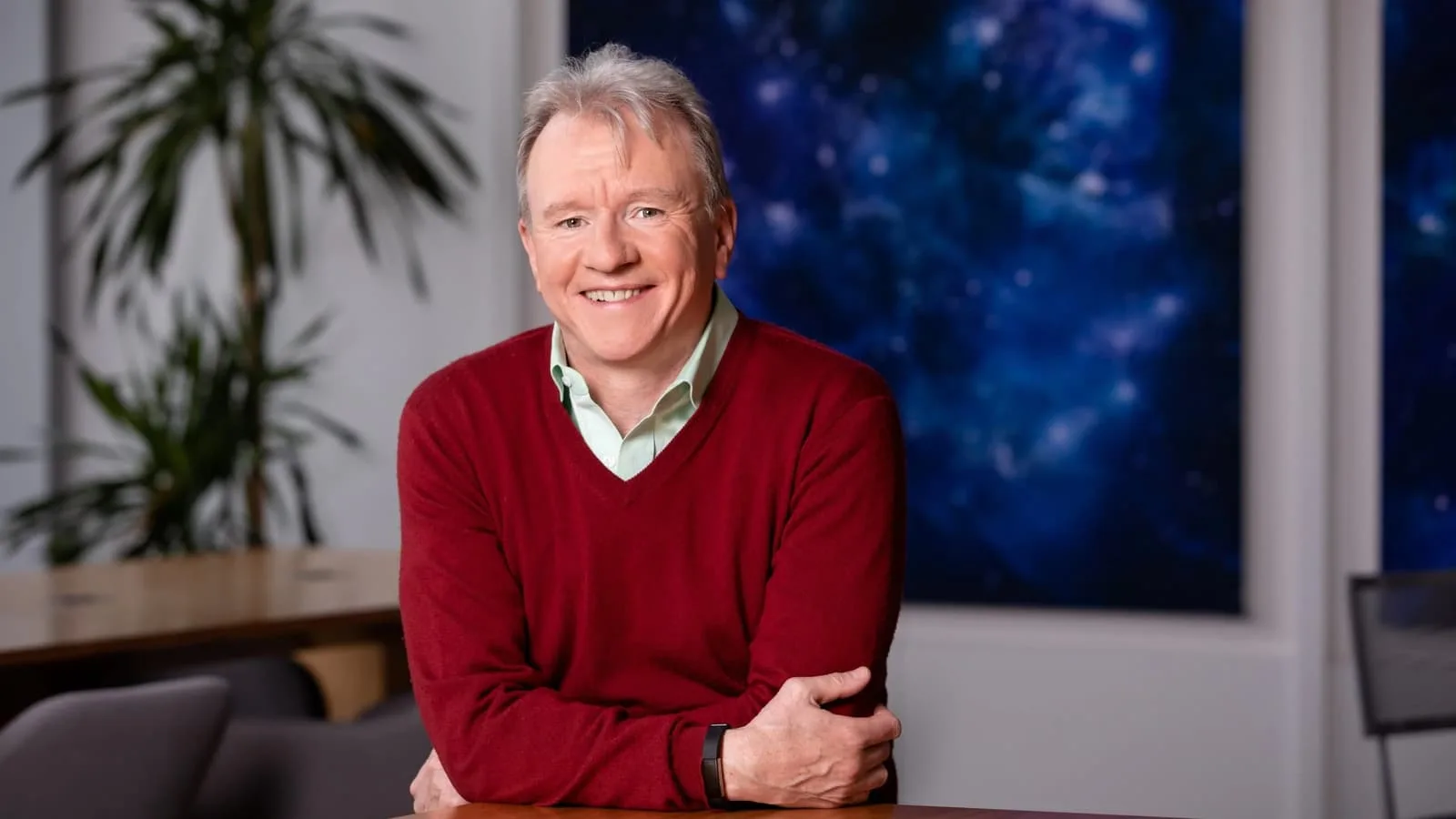
The idyllic view of that legacy was sharply reframed during Yoshida’s appearance at the ALT: Games festival in Australia in April 2026. As reported by This Week in Video Games, Yoshida stated plainly that he was "fired" from his studio leadership role in 2019. The reason given was starkly personal: a direct clash with incoming CEO Jim Ryan.
Yoshida claimed Ryan removed him because he "didn't listen to him" and refused to do what Yoshida characterized as "some ridiculous things." The phrasing is deliberately vague yet profoundly telling. "Didn't listen to him" suggests a fundamental breakdown in hierarchy and alignment, far beyond simple creative disagreement. It implies an outright refusal to execute on directives from the top. While Yoshida did not specify the nature of these "ridiculous" requests, the language paints a clear picture of a deep philosophical rift. This was not a mutual decision for a new direction; it was, by Yoshida’s account, a termination for insubordination rooted in a defense of his creative principles.

A New Path: The Indie Initiative and an Eventual Farewell
The story, however, did not end with a clean break. Following his removal, Yoshida was presented with a choice: accept a newly created role leading an indie games initiative for PlayStation or leave the company entirely. He chose the former, pivoting from overseeing blockbuster factories to becoming a champion for independent developers through the PlayStation Indies program.
Publicly, Yoshida has expressed genuine positivity about this chapter. He has stated he "really enjoyed" the role and has even said he does not think "anything bad about Jim," suggesting a lack of personal bitterness. This indie advocacy became his final major contribution at Sony, lasting until January 2025. After an incredible 31-year career at the company, Yoshida departed to found his own consulting firm, Yosp Inc. His replacement in 2019, Hermen Hulst of Guerrilla Games, stepped into the studio president role, ensuring continuity of leadership from within the PlayStation development stable.
Reading Between the Lines: Corporate Shifts and Creative Tensions
While Yoshida found a new purpose championing indie developers, his removal from studio leadership coincided with a fundamental strategic shift for PlayStation itself. The timing of his 2019 ouster is crucial context. This was the twilight of the PS4’s dominance and the final stretch of preparation for the PlayStation 5 launch. It was a moment of strategic inflection. Jim Ryan, a veteran with deep roots in Sony’s European business operations, had just been named CEO, signaling a potential shift in corporate focus.
The speculation around what constituted those "ridiculous things" Yoshida refused to do is where this personal story intersects with broader industry trends. In the years following 2019, PlayStation’s strategy under Ryan visibly expanded beyond the single-player crown jewels. The company made aggressive moves into live-service gaming, announcing plans for multiple titles, and pursued major acquisitions like Bungie, explicitly for its live-service expertise. Could Ryan’s early "requests" have involved accelerating a pivot toward games-as-a-service models or acquisition targets that Yoshida, the champion of bespoke narrative experiences, found philosophically misaligned? Alternatively, it could have involved portfolio management, resource allocation, or other corporate mandates that clashed with Yoshida’s studio-centric worldview.
The contrast in Yoshida’s sentiments is fascinating. He expresses gratitude for his indie role and bears no stated ill will, yet the factual bluntness of being "fired" from the job that defined his legacy speaks volumes. This story reveals the often-unseen pressure points where artistic legacy meets future-facing business strategy. Yoshida’s departure from studio leadership appears as a key moment in the evolution of PlayStation under Jim Ryan—a move that safeguarded a new corporate direction, even at the cost of removing the figurehead of the old one.
Yoshida’s narrative arc—from celebrated studio head, to indie advocate, to founder of his own venture—encapsulates a significant industry transition. His story is a personal footnote in PlayStation’s history that reflects a universal tension: the balancing act between nurturing an artistic identity and pursuing growth in a rapidly changing market. While the specific "ridiculous things" may remain a mystery, Shuhei Yoshida’s candid account ensures his final, decisive act as studio president—choosing not to listen—will be remembered as powerfully as the iconic games he helped bring to life. His positive legacy at PlayStation is secure, but his departure now stands as an intriguing marker of the changing of the guard, and the difficult choices that redefine giants.