The Sweeney Settlement: How Epic's CEO Lost His Voice in the App Store War Until 2032
For years, Tim Sweeney’s public persona was defined by his blistering, unfiltered criticism of tech’s biggest gatekeepers. The Epic Games CEO branded Apple and Google’s app store practices as...


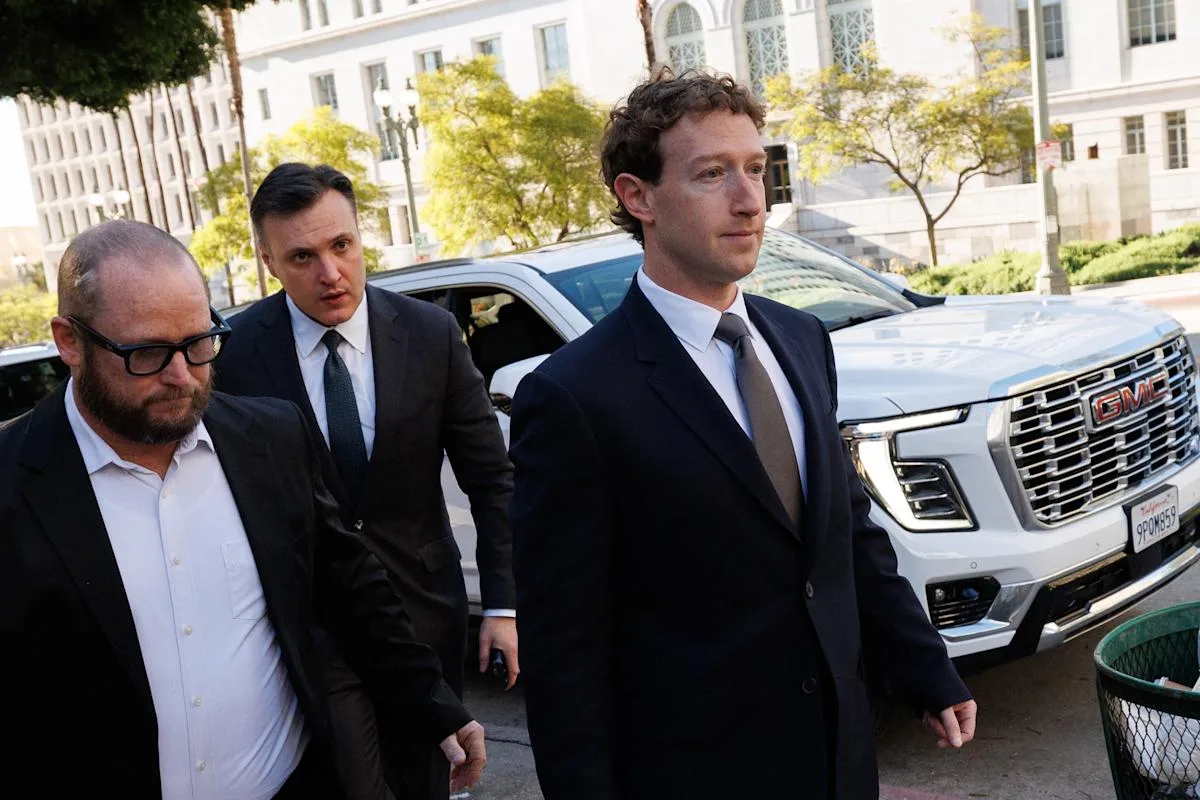
For years, Tim Sweeney’s public persona was defined by his blistering, unfiltered criticism of tech’s biggest gatekeepers. The Epic Games CEO branded Apple and Google’s app store practices as “crooked,” “deceitful,” and “gangster-style businesses,” becoming the fiery public face of a global movement for digital market reform. That voice has now been legally silenced—at least when it comes to one of those giants. In March 2026, Sweeney signed a binding term sheet with Google that isn’t just a business settlement; it’s a profound, personal gag order. Until approximately September 2032, one of tech’s most vocal critics is contractually muzzled from disparaging Google, a startlingly ironic outcome for the crusader who launched the very war he can no longer publicly fight.
Section 1: The Muted Victory: From "Project Liberty" to a Gag Order
This settlement is the complex, muted epilogue to a story that began with "Project Liberty," Epic’s pre-planned, coordinated legal assault launched in August 2020. On the same day, Epic activated a hidden payment system in Fortnite to bypass Apple’s rules and filed parallel lawsuits against both tech giants, challenging their core app store economics.
The paths of these two wars have dramatically diverged, leading to this paradoxical moment. The fight with Apple remains a contentious, public legal slugfest. After a mixed 2021 ruling, Epic scored a significant victory in April 2025 when a judge found Apple in contempt for imposing a 27% commission on external payment links. Fortnite returned to iOS with its own payment system, a tangible win.
Against Google, Epic secured a clearer legal triumph: a landmark jury verdict in December 2023 that found Google unlawfully maintained a monopoly. Yet, from this position of strength, Epic chose to settle. The strategic calculus is clear: avoiding the immense financial drain, operational distraction, and uncertain appeals process of continued litigation, even at the cost of Sweeney’s signature rhetoric. The jury victory was traded for a guaranteed, if constrained, operational outcome and peace on the Android front. The crusader had won in court, but the price was his own voice.

Section 2: The New Rules of Engagement: The Gag Order's Specifics
The legal document Sweeney signed imposes a set of restrictions unprecedented for a CEO of a major gaming company, fundamentally changing the rules of engagement. The core of the agreement is a ban on Sweeney and Epic Games from publicly disparaging Google’s app store policies or advocating for further changes to them. More strikingly, it flips the script on Sweeney’s previous advocacy: it now requires Epic to make “good faith efforts to advocate” that the Google/Android platform, with the settlement’s changes, represents a “procompetitive and a model for app store / platform operations.”
The enforcement mechanisms for this new narrative are equally remarkable. Google retains approval rights over Sweeney’s future public statements regarding the deal itself. Furthermore, Sweeney may be obligated to appear in courts globally to defend the settlement, effectively turning the former antagonist into a potential witness for the defense. This isn’t merely a non-disparagement clause; it’s a comprehensive re-writing of Epic’s public stance, the ultimate condition for ending the legal battle.
Section 3: Ripples and New Battlegrounds: CAF, AI, and What's Next
The settlement’s impact extends far beyond Epic’s headquarters, sending immediate ripples through the ecosystem. It fundamentally alters the Coalition for App Fairness (CAF), the advocacy group Epic solely funded to rally developers against app store rules. The CAF’s mandate is now surgically narrowed: it can continue to target Apple, but its criticism of Google must cease. This bifurcates the movement, dismantling the unified "app store problem" front. For a small developer relying on that collective voice, the fight just got more complicated and the opposition less coordinated.
With the Google app store fight legally off-limits until 2032, where does Sweeney’s agitator energy go? His recent public focus provides clear clues, pointing to a new sanctioned battleground. He has made bold predictions about AI, stating in June 2025 that soon a team of only 10 people could create a game like The Legend of Zelda: Breath of the Wild using AI tools. Concurrently, Fortnite has experimented with licensed AI characters like Darth Vader that respond to player voice chat in real-time. These aren’t just product announcements; they are declarations in the next major platform war—over the tools, ownership, and economics of AI-generated content. Having been silenced on one front, Sweeney appears to be rallying his troops for a new, defining conflict over the future of game development itself.
Section 4: The 2032 Countdown: A New Precedent for Tech Wars?
The timeline is staggering: seven years of enforced silence in an industry where seven months can bring revolutionary change. Until roughly September 2032—a date set five years after Google completes its own fee changes—Sweeney cannot publicly critique Google’s policies, no matter how they evolve. This period will encompass multiple hardware cycles, the maturation of AI, and the rise of new computing platforms like VR and AR. On the Google debate during its most formative years, Sweeney will be a benched player.
This settlement forces a difficult, final question directly relevant to every developer and gamer: is this a pragmatic corporate compromise, the kind of deal that ends costly wars, or does it set a dangerous new precedent for tech criticism? It demonstrates that legal settlements can be used not just to resolve disputes, but to actively mute criticism and reshape public discourse. The precedent suggests that winning in court can sometimes cost you your voice in the court of public opinion. For the movement that started with "Project Liberty," this is the ultimate irony: a landmark victory that secured operational changes but silenced its most powerful orator. The fight for an open digital ecosystem continues, but it is now a more complex, fragmented, and quieter war. The most vocal general has been ordered to retreat from half the battlefield, his silence until 2032 a testament to the high price of victory and a new, unsettling playbook for ending platform conflicts.
Tags: Epic Games, Tim Sweeney, Google Antitrust, App Store Wars, Legal Settlement