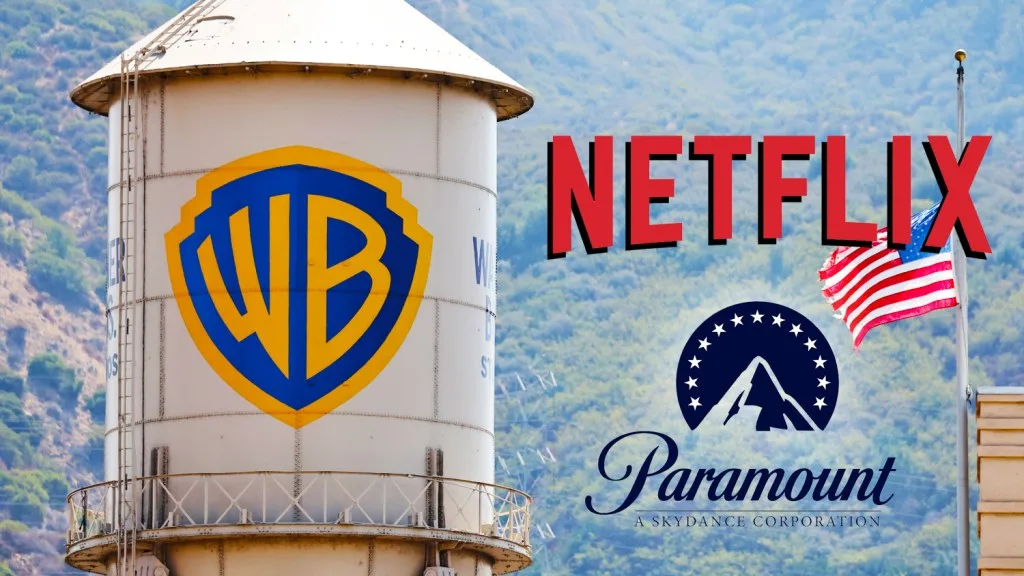
The Streaming Wars Shake-Up: Why Paramount Outbid Netflix for Warner Bros. Discovery
The Billion-Dollar Bidding War At its core, this was a showdown defined by two very different corporate philosophies and the staggering sums required to back them up. Netflix’s final offer was a...

The Billion-Dollar Bidding War
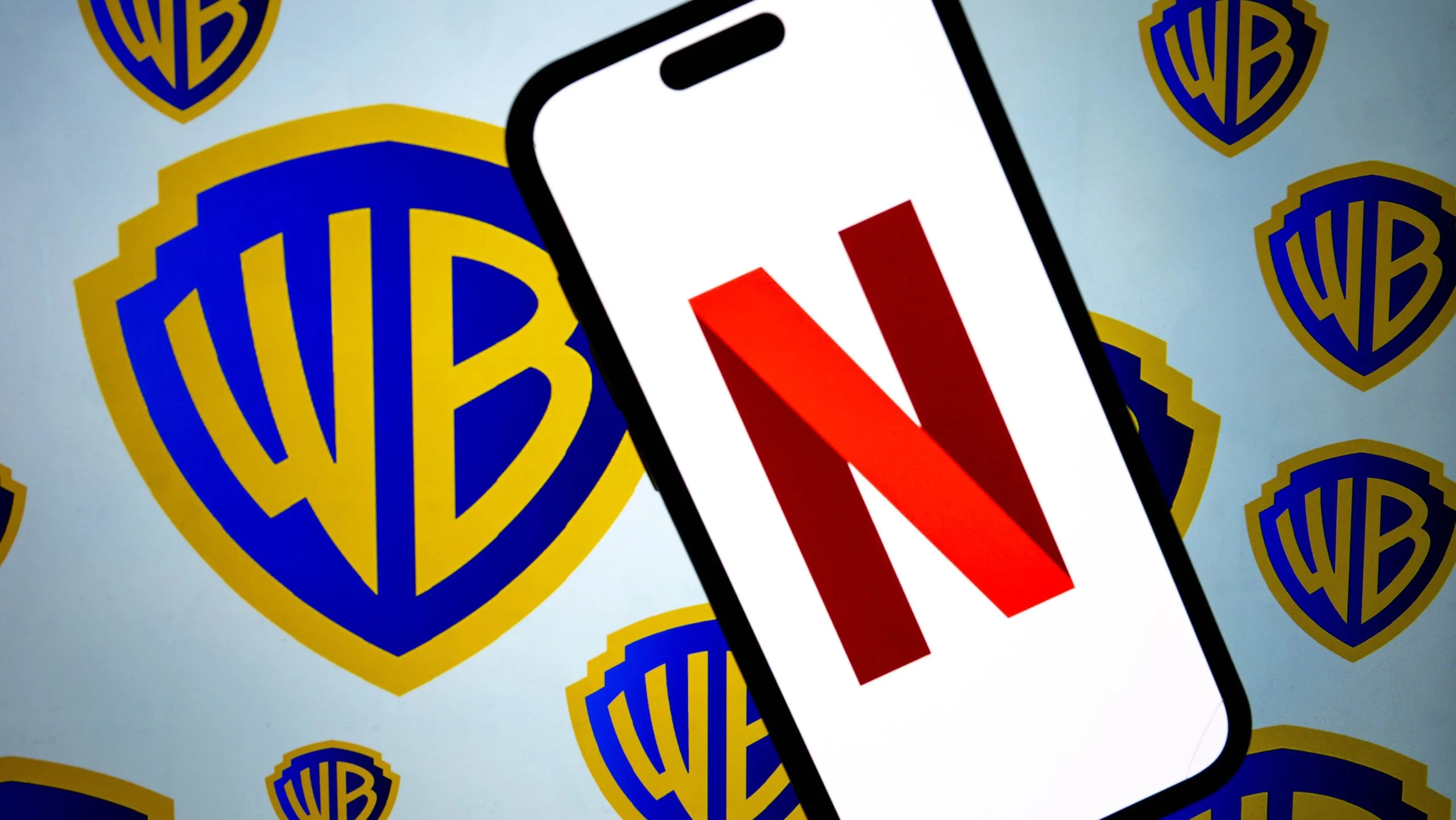
At its core, this was a showdown defined by two very different corporate philosophies and the staggering sums required to back them up. Netflix’s final offer was a solid $27.75 per share, a bid that reflected a calculated, opportunistic approach. In a telling public statement, Netflix’s leadership framed the WBD portfolio as a "nice to have" at the right price, not a "must have." For the streamer, already boasting global scale and a robust original content machine, Warner’s assets were an accelerant, not life support.
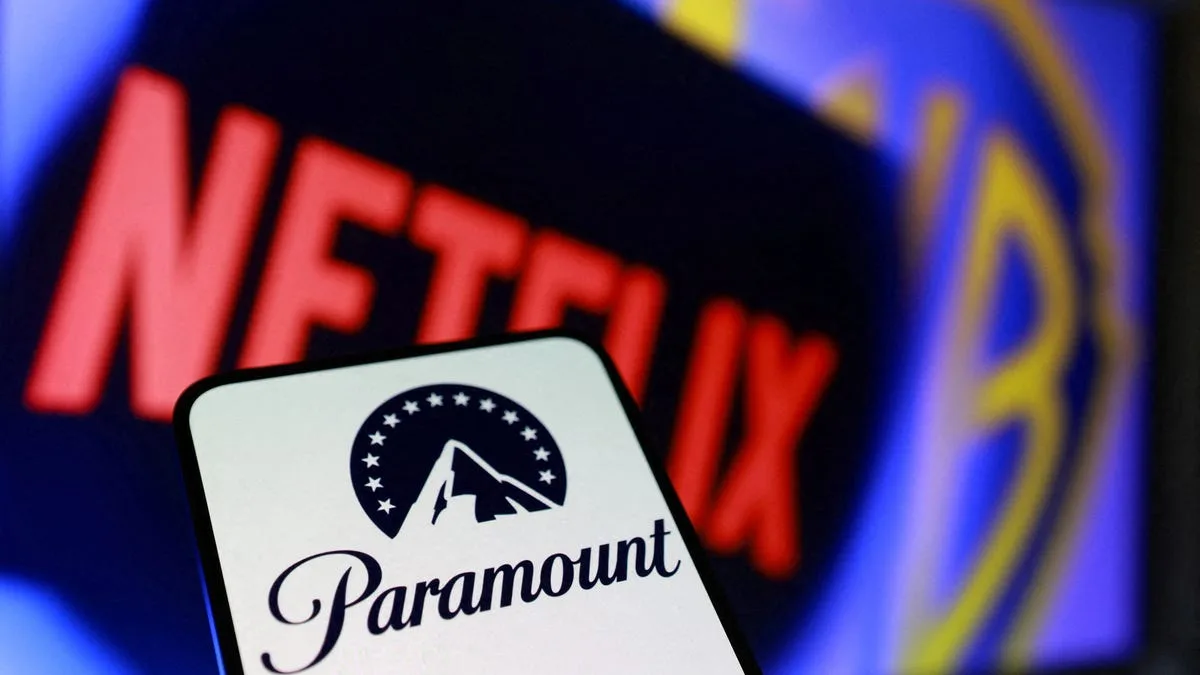
Paramount Skydance, however, was playing a different game entirely. Its winning bid—$31 per share in cash, plus a colossal $45.7 billion in equity personally guaranteed by Oracle co-founder Larry Ellison—was a declaration of existential necessity. Industry analysts widely interpret this aggressive move as Paramount’s "must have" moment. To compete in a market dominated by behemoths like Disney, Paramount needed the sheer mass and iconic IP that WBD provides. The financial commitment is further underscored by the $2.8 billion termination fee Paramount has agreed to pay Netflix for the collapsed deal. This isn't just the price of acquisition; it's the monumental cost of winning a war Paramount felt it could not afford to lose.
The Prize: What Paramount is Buying
So, what exactly did Paramount pay a historic premium to acquire? The crown jewels of Warner Bros. Discovery represent one of the most valuable content libraries on the planet. The portfolio includes the prestige powerhouse HBO, the legendary Warner Bros. film and television studios, and a suite of iconic cable networks like CNN, Cartoon Network, and HGTV.
Perhaps the most strategically intriguing asset in the modern media landscape is Warner Bros. Games. This division is no mere licensing arm; it is a major developer and publisher responsible for blockbuster franchises like Hogwarts Legacy, the Batman: Arkham series, and Mortal Kombat. In an era where every media conglomerate is eyeing the gaming industry’s revenue and engagement, controlling this studio outright provides Paramount with a formidable entry into the gaming arms race. It offers direct access to beloved IP, live-service potential, and a crucial bridge to the younger, gaming-centric demographic.
Integrating these assets into Paramount’s existing structure—which includes the Paramount+ streaming service, the Paramount film studio, Showtime, and CBS—will be a monumental challenge. The potential strategic payoff, however, is vast. The merger could enable a super-sized streaming bundle combining Paramount+, HBO Max, and Showtime, while creating opportunities for cross-studio cinematic universes. This would build a content library with the depth to rival Disney’s.
Politics and Antitrust: The Unseen Battlefield
While the financial figures are eye-watering, the battle for WBD was fought just as fiercely in the halls of Washington, D.C. The initial Netflix-WBD deal faced a firestorm of bipartisan political opposition. Republican Senator Mike Lee and Democrat Elizabeth Warren jointly criticized the merger on antitrust grounds, arguing it would stifle competition. Former President Donald Trump added to the pressure, suggesting the deal "could be a problem." This intense scrutiny created a significant regulatory hurdle for Netflix.
Now, that spotlight has pivoted to Paramount. Senator Cory Booker has already called for a hearing of the Senate Judiciary antitrust subcommittee, requesting Paramount CEO David Ellison to testify. The political landscape for this deal is further complicated by reported connections. David Ellison and his father, Larry Ellison, are noted allies of the Trump administration. Reports suggest that as part of his acquisition strategy, David Ellison promised the administration changes at CNN if he acquired WBD, adding a layer of political maneuvering to the corporate calculus. The regulatory journey for Paramount may prove just as rocky, but the political winds, for now, appear to have shifted.
Strategic Implications: A New Media Triopoly?
Paramount’s victory in the bidding war fundamentally alters the hierarchy of the media world. Its willingness to pay a premium stems from a clear strategic vision: to escape the middle tier and solidify itself as a foundational pillar of the industry. If the merger clears regulatory hurdles, it would effectively create a new "Big Three" in entertainment: Disney, a combined Paramount-WBD entity, and Comcast (owner of NBCUniversal). This consolidation leaves Netflix in a unique, and potentially isolated, position.
Netflix, the once-disruptor, now finds itself as a pure-play streaming giant surrounded by vertically integrated conglomerates that control vast libraries, theatrical distribution, television networks, and gaming studios. While Netflix’s global subscriber base and content budget remain immense, its lack of a broad ecosystem beyond streaming could become a long-term vulnerability in a market moving toward bundling and cross-platform integration.
For consumers, the implications are significant. We can expect further content library shifts as exclusive properties are shuffled behind the walls of competing services. Aggressive subscription bundling—combining streaming, news, sports, and perhaps even gaming—is likely to become the norm, potentially offering value but also reducing à la carte options. Most critically, the reduction of major players raises enduring questions about market competition, creativity, and the cost of access to our favorite stories and characters.
The collapse of Netflix’s bid marks a pivotal moment where raw financial power and nuanced political maneuvering proved more decisive than first-mover advantage in streaming. Netflix calculated and retreated; Paramount bet its future and charged ahead. While Paramount Skydance stands to emerge with a historic, if astronomically costly, victory pending regulatory approval, the entire industry must brace for intensified consolidation and bruising regulatory battles. The fate of iconic studios, beloved franchises, and the very structure of how we consume entertainment now hinges on this pending deal. The streaming wars are over. The era of the media empire has begun anew.
Tags: media consolidation, streaming wars, Warner Bros Discovery, Netflix, Paramount