The Seven Deadly Sins: Origin Review - A Faithful but Familiar Open-World Adventure
A New Tale for Britannia: Story & Setting The Seven Deadly Sins: Origin wisely chooses not to retell the original saga. Instead, it propels players a generation forward, casting them as the children...

A New Tale for Britannia: Story & Setting
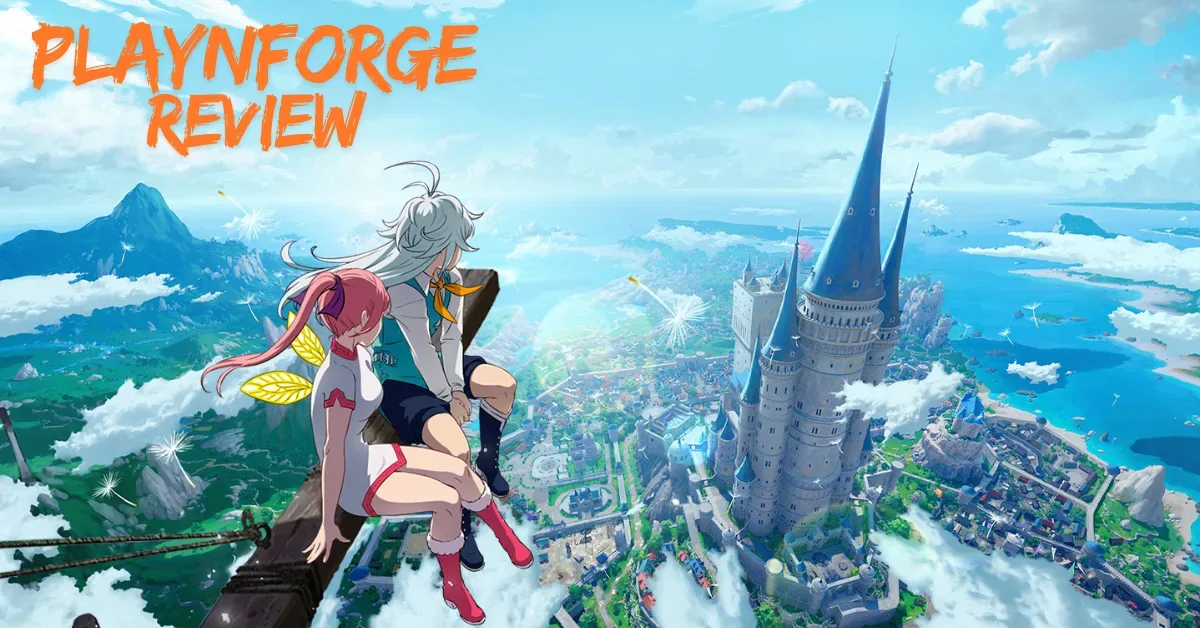
The Seven Deadly Sins: Origin wisely chooses not to retell the original saga. Instead, it propels players a generation forward, casting them as the children of legends. You primarily guide Prince Tristan, the son of Meliodas and Elizabeth, and Tioreh, daughter of King and Diane, as they investigate a mysterious corruption and temporal disturbances linked to a powerful artifact: the "Book of Stars." This setup provides a compelling hook for series veterans, offering a fresh story that respects the established world while allowing new characters to shine.
The setting is where Origin’s faithfulness becomes its greatest strength. The Kingdom of Britannia is rendered in a vibrant, colorful art style that perfectly captures the aesthetic of the anime. From lush forests to bustling towns, the world feels authentically part of the Seven Deadly Sins universe. This authenticity is supercharged by the audio presentation. The main story features full Japanese voice acting with the anime's original cast, a treat for fans that adds immense narrative weight. Hearing familiar voices breathe life into this new chapter is a standout feature. However, the notable absence of an English dub at launch is a significant barrier for a segment of players, potentially limiting the game's reach and immersion for those who prefer western voiceovers.
Exploring the Kingdom: Open World & Activities
The Britannia you explore is a sizable, inviting open world built on a foundation of familiar traversal mechanics. You’ll climb cliffs, glide across chasms, and ride mounts—including the series’ iconic flying pig, Hawk. Discovery is encouraged through a network of "Warp Points" for fast travel and a steady drip of collectibles. The core activity loop will be instantly recognizable to genre fans: main quests drive the narrative, while side content, dungeons, and world bosses provide diversion and rewards.
Life-sim elements like fishing and cooking are present, adding a layer of casual immersion. A key system governing the pace is the World Level. As you increase your Adventure Rank, the world level rises, making enemies tougher but also improving the quality of loot. This creates a tangible sense of progression and adds replayability, encouraging you to revisit earlier areas for better rewards. While the activities are competently executed, they rarely surprise, adhering closely to the blueprint established by its genre predecessors.
While the world and activities offer comfortable familiarity, the combat system presents Origin's most compelling argument for originality.
The Heart of the Combat: Team-Based Action
If the exploration feels familiar, the combat system is where Origin attempts to plant its flag. The game employs a real-time, four-character team system that allows for seamless switching during battle. This fluidity is the combat's backbone. Each character has a standard Normal Attack combo, two active Skills, and a cinematic Ultimate Move that delivers satisfying, screen-filling spectacle.
The most engaging strategic layer comes from Tag Skills. By perfectly timing a character switch as an enemy attacks, you can execute a powerful counter-attack. This mechanic encourages active play and mastery over passive button-mashing. Character progression involves standard leveling via EXP potions and a "Potential" system unlocked by acquiring duplicate characters, a common gacha progression trope that ties directly into the game's economy.
The Gacha Reality: Economy, Progression, and Monetization
As a free-to-play title, The Seven Deadly Sins: Origin’s longevity is intertwined with its monetization. The primary currency for summoning is "Star Memories," which is earned slowly in-game by trading "Star Fragments" found through exploration and quests. Early analysis suggests the gacha rates for characters and weapons are acceptable by market standards, but the accumulation of free summoning currency is a deliberate grind. This slow drip is clearly designed to incentivize spending.
The monetization model reveals a stark contrast. While you can capture monsters as pets using non-purchasable "potions of charm," fully maximizing a character's combat potential is a different story. Reports from the launch period indicate that maxing out a single character through the duplicate-based "Potential" system can cost hundreds of dollars, raising valid "pay-to-max" concerns for competitive or completionist players. It’s a system that is generous for casual play but reveals a steep ceiling for those seeking peak performance.
Launch State Verdict: Performance & Early Reception
Technically, Origin launches in a solid state. On PC and PS5, the game is well-optimized, with a preview noting smooth performance on a lower-spec machine at 1080p on Very High settings, albeit with some CPU intensity. The art style is charming, though some environmental textures can appear murky up close, and the overall visual detail is less polished than genre leaders like Genshin Impact.
This context is crucial to understanding its "Mixed" early user reviews on Steam. Some criticism stems from players hitting early progression walls or expressing fatigue with the genre formula. The comparisons are inevitable and often unfavorable when stacked directly against the depth of Genshin Impact or the combat fluidity of Wuthering Waves. Origin stands out most clearly through its beloved IP and its solid, counter-attack focused combat, but it follows the genre handbook closely in almost every other aspect—from its world design to its monetization structure.
The Seven Deadly Sins: Origin is a competent, faithful, and thoroughly familiar open-world RPG. For fans of the series, it is an easy recommendation. The new story, the vibrant world, and the stellar original Japanese voice cast deliver a compelling extension of the Britannia saga. However, for the general action RPG player seeking innovation, Origin offers little that hasn't been done before, and often done with more polish or a more generous economy. It is, in the end, a polished homage to its source material and its genre forebears, but not a revolution. For fans, that will be enough; for others, it may feel like a sin of omission.
Tags: The Seven Deadly Sins: Origin, Netmarble, Open-World RPG, Gacha Game, Action RPG