The PS5's Surprising Holiday Dominance: How Sony's Supply Strategy Is Beating the Next-Gen Competition
The Holiday Quarter Showdown: PS5 vs. Switch 2 The raw numbers tell a compelling story of resilience. Achieving 8.1 million sales in its sixth holiday season is a stronger-than-expected performance...

The Holiday Quarter Showdown: PS5 vs. Switch 2
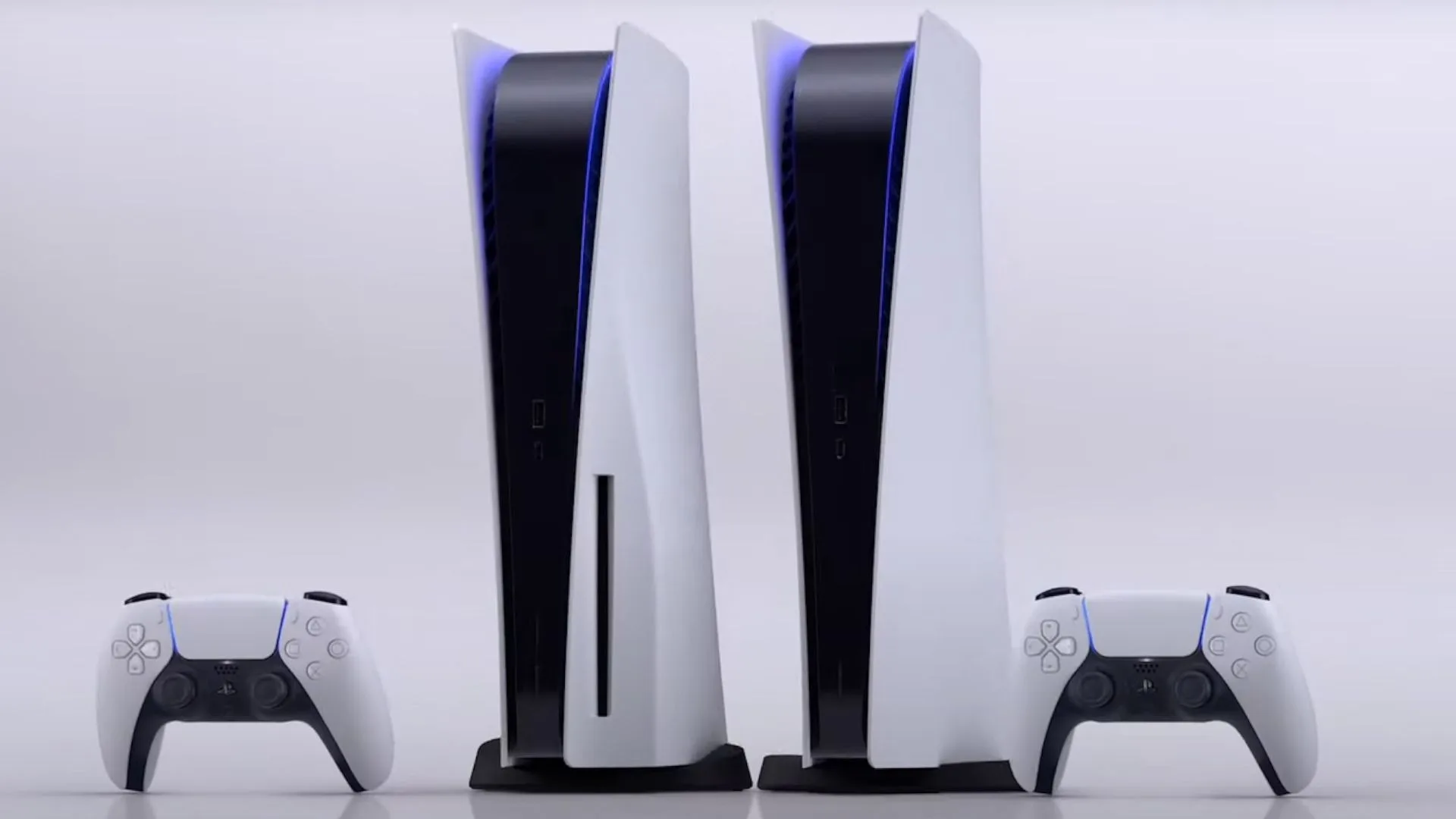
The raw numbers tell a compelling story of resilience. Achieving 8.1 million sales in its sixth holiday season is a stronger-than-expected performance for the PS5, a testament to its enduring appeal. This surge propelled its cumulative lifetime sales to 92.2 million units, officially surpassing the lifetime total of the PlayStation 3 (87.4 million). More than just hardware, the platform is thriving financially. Sony raised its full-year gaming sales forecast by 4% and operating income forecast by 2%, buoyed by record-breaking software revenue on the PlayStation Store and a monumental 132 million Monthly Active Users (MAUs) in December 2025.
In contrast, the Switch 2’s launch, while solid, fell short of dethroning the established king. The 7.01 million units sold, though a strong debut, highlight the challenges of launching into a volatile market. The sales gap signals that consumer choice is being driven by factors far beyond the novelty of a new device, setting the stage for the deeper, behind-the-scenes battle that decided this holiday season.
The Secret Weapon: Sony's Memory Stockpile Strategy
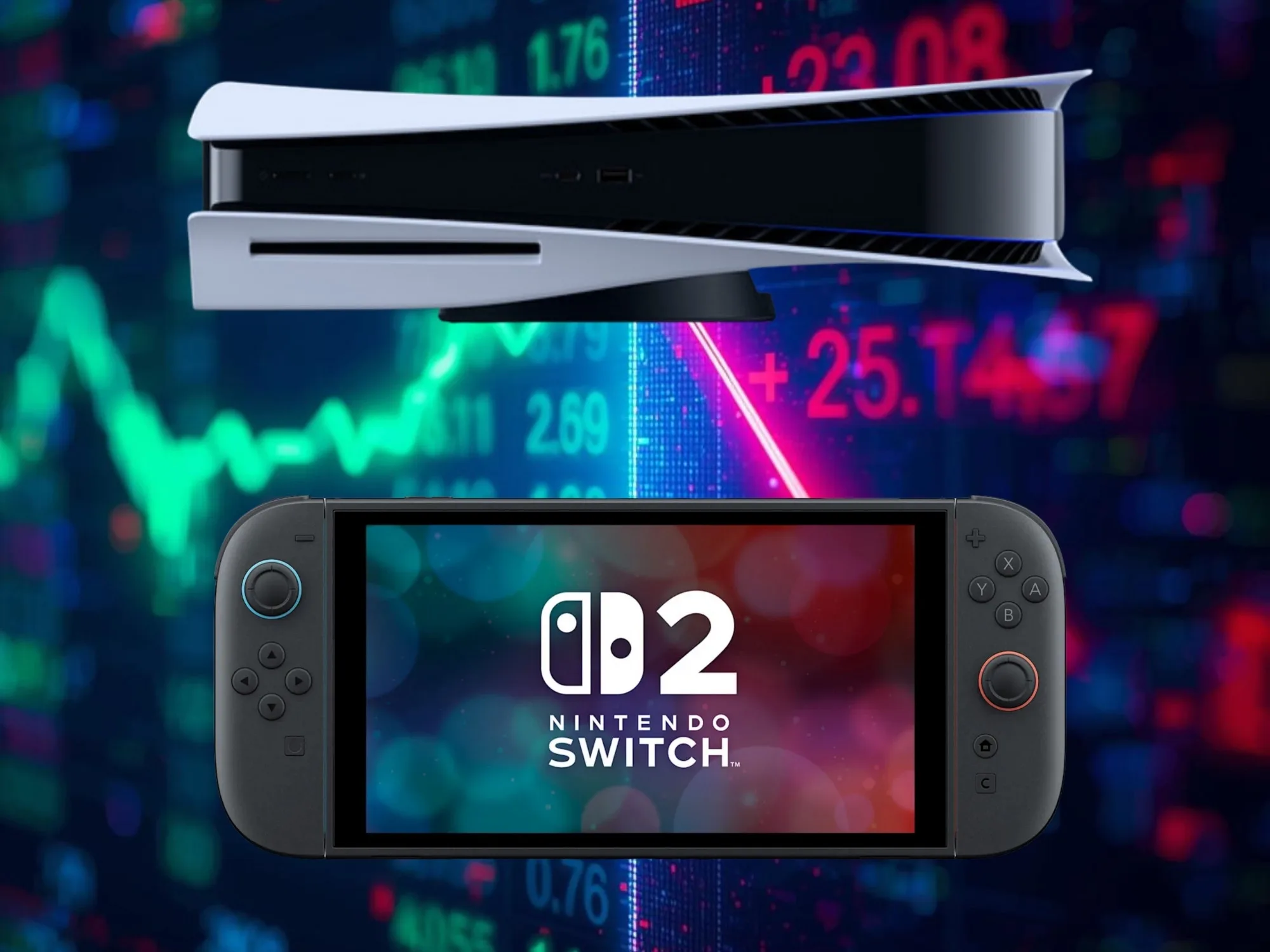
Beneath the surface of these sales figures lies Sony’s crucial, and perhaps decisive, advantage: supply chain foresight. At a time when a global memory shortage—fueled by AI companies' massive demand for the same type of high-speed memory (DRAM) used in graphics cards and consoles—is crippling segments of the tech industry, Sony has secured its GDDR6 memory supply for the PS5 through at least the end of 2026. This strategic stockpile has insulated the company from the worst of the cost inflation and scarcity plaguing the market.
This move is not merely about having enough parts; it’s a calculated play to protect the console’s market position. Sony has publicly stated its goal is to absorb rising memory costs and avoid a PS5 price hike, thereby safeguarding its massive and monetizable install base. This stability breeds consumer and developer confidence. Conversely, reports suggest Nintendo’s preparations for Switch 2 memory (LPDDR5X) are less clear, with suppliers reportedly reluctant to offer the long-term contracts needed for predictable pricing and volume. This creates a tangible risk of a Switch 2 price increase or constrained production, directly hampering its ability to compete on both availability and value. In the holiday quarter, Sony’s logistical preparedness translated directly into retail dominance.
Beyond the Chip: A Multi-Layered Ecosystem Advantage
A secure hardware pipeline needs compelling software to drive sales, and during the holidays, the PS5’s multi-year head start created a perfect storm. The quarter was powered by a powerhouse software lineup that gave consumers immediate reasons to buy: third-party blockbusters like Battlefield 6 and NBA 2K26, the critically and commercially successful first-party hit Ghost of Yotei (which exceeded its predecessor’s sales), and live-service pillars like Helldivers 2 and MLB The Show that provide consistent engagement.
This software strength was amplified by broader market shifts. As noted by industry analyst Dr. Serkan Toto, Microsoft’s reduced hardware focus and rising PC gaming costs have pushed more users toward the PlayStation ecosystem as a consolidated, high-value platform. Looking beyond the holiday, the momentum appears sustainable. Sony’s preview of its next fiscal year includes major titles like Marvel’s Wolverine, Grand Theft Auto VI, and the imminent launch of Bungie’s Marathon on March 5, 2026. This formidable future slate not only justifies continued hardware sales but also fuels analyst speculation about an extended PS5 lifecycle, with a PlayStation 6 potentially delayed beyond 2028.
Reading the Market Signals: What This Means for the Console War
The holiday results have sent clear signals to the market and redefined the metrics of competition. Analysts now see that supply chain mastery is becoming as critical as game development. The ability to guarantee hardware production and stable pricing is a foundational advantage that enables everything else.
The market reaction has been telling. While Sony raised its financial forecasts, Nintendo’s stock price had fallen approximately 33% from its August 2025 high by January 2026, a steeper decline than Sony’s, reflecting investor concerns over near-term supply chain risks and competitive pressure. The prospect of an extended PS5 generation also reshapes the landscape for developers and consumers, promising a larger, more stable target platform for years to come, while potentially lengthening the wait for a true next-gen leap.
The PS5’s holiday victory is a definitive case study in modern platform management. It demonstrates that in today’s volatile global market, long-term success is built on a triad of strengths: securing critical components years in advance, cultivating a deep and diverse software ecosystem, and capitalizing on broader market shifts. Sony’s foresight in stockpiling memory provided the stable foundation. Its investment in blockbuster and live-service content provided the fuel. The result is a five-year-old console not just surviving, but powerfully thriving, proving that strategic depth can outmuscle the allure of what’s simply new. The holiday season of 2025 may be remembered as the moment the console war evolved from a sprint of specs to a marathon of logistics, ecosystem, and strategic foresight.
Tags: PlayStation 5, Nintendo Switch 2, Console Sales, Supply Chain, Gaming Industry