The Nostalgia of Fear: How Modern Horror Games Are Reviving Early 2000s Aesthetics
The Analogue Terror of Shutter Story Remember the specific dread of early 2000s horror? The grainy textures of a foggy town, the eerie hum of a CRT monitor in a dark room, the tension of managing a...

The Analogue Terror of Shutter Story
Remember the specific dread of early 2000s horror? The grainy textures of a foggy town, the eerie hum of a CRT monitor in a dark room, the tension of managing a tiny inventory while something lurked in the shadows. A distinct chill is creeping back into the gaming landscape, one that feels intimately familiar yet unsettlingly fresh. The horror genre, in its perpetual quest for new ways to unsettle, is looking backward. We are in the midst of a pronounced throwback trend, where a wave of new and upcoming titles are deliberately channeling the unique atmosphere, mechanics, and visual style of early 2000s horror. This movement transcends simple nostalgia; it’s a conscious curation of a specific era’s design philosophy to forge new, deeply resonant experiences. From investigative photo analysis to resurrected classics and minimalist surrealism, developers are proving that the past holds potent terrors. Titles like Shutter Story, the Fatal Frame II remake, Hundred Doors, and Outbreak: Shades of Horror exemplify this renaissance, each leveraging retro inspiration to ask a compelling question: what if the scariest thing is a feeling we’ve half-forgotten?
The Analogue Terror of Shutter Story
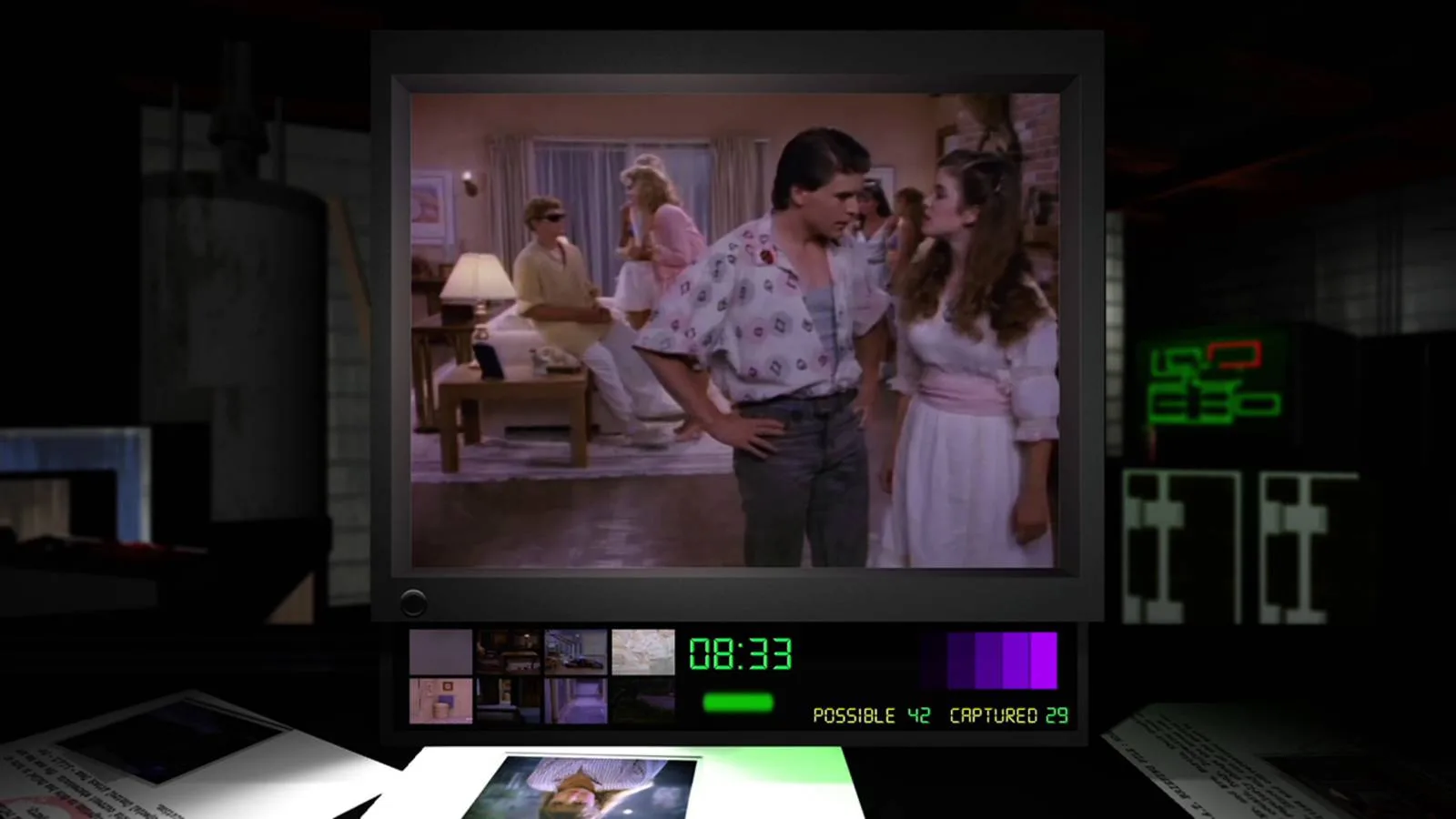
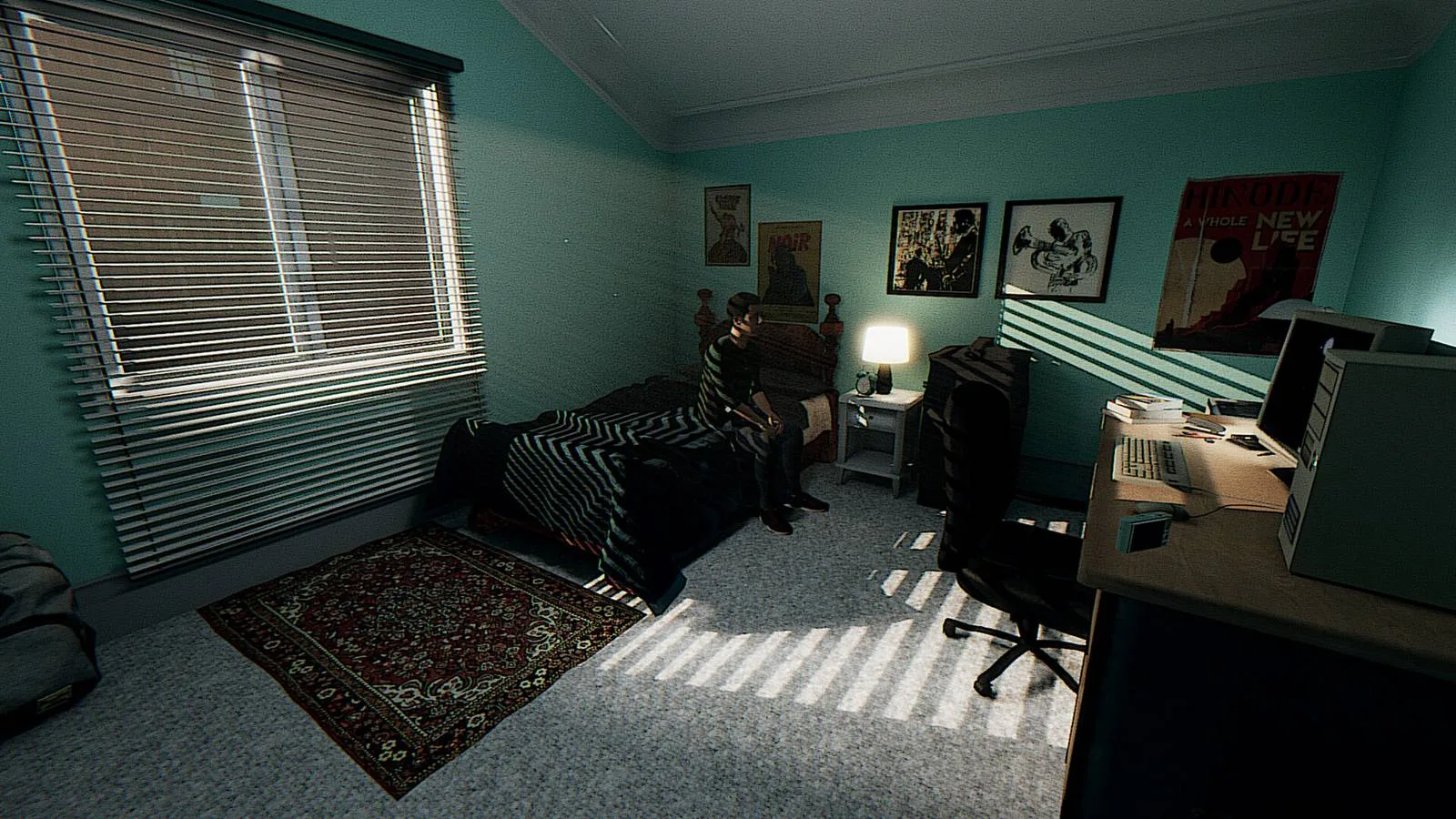
Scheduled for a mid-2026 release on Steam, Shutter Story from Frostwood Interactive embodies the investigative, tech-based horror that began to flourish in the early 2000s. Its core mechanic is a brilliant fusion of past and present: players must analyze family photos using an in-game software suite called SpectralAware 2.1, logging and categorizing supernatural entities like Apparitions or Demonic Entities. Incorrect analysis has consequences, creating a slow-burn terror rooted in meticulous observation rather than frantic action. It captures the specific anxiety of early internet-era software—the fear that a digital tool might reveal something you weren’t meant to see.
The game builds its unease through a deliberate blend of aesthetics. The retro-styled OS interface for photo analysis—reminiscent of period-specific software—is juxtaposed with modern first-person exploration of a cursed house. This creates a unique immersion, where the terror exists both within the digital artifacts and the physical space. The developers cite clear inspirations from this era’s experimental spirit, naming the analogue horror of Home Safety Hotline, the narrative database sleuthing of Her Story, and the techno-horror of the film Pulse. Currently seeking funding via an active Kickstarter campaign, Shutter Story represents the vanguard of this thoughtful, retro-inspired wave, proving that fear can be found in the granular details of a pixelated photograph.
Remaking a Classic: Fatal Frame II's Return
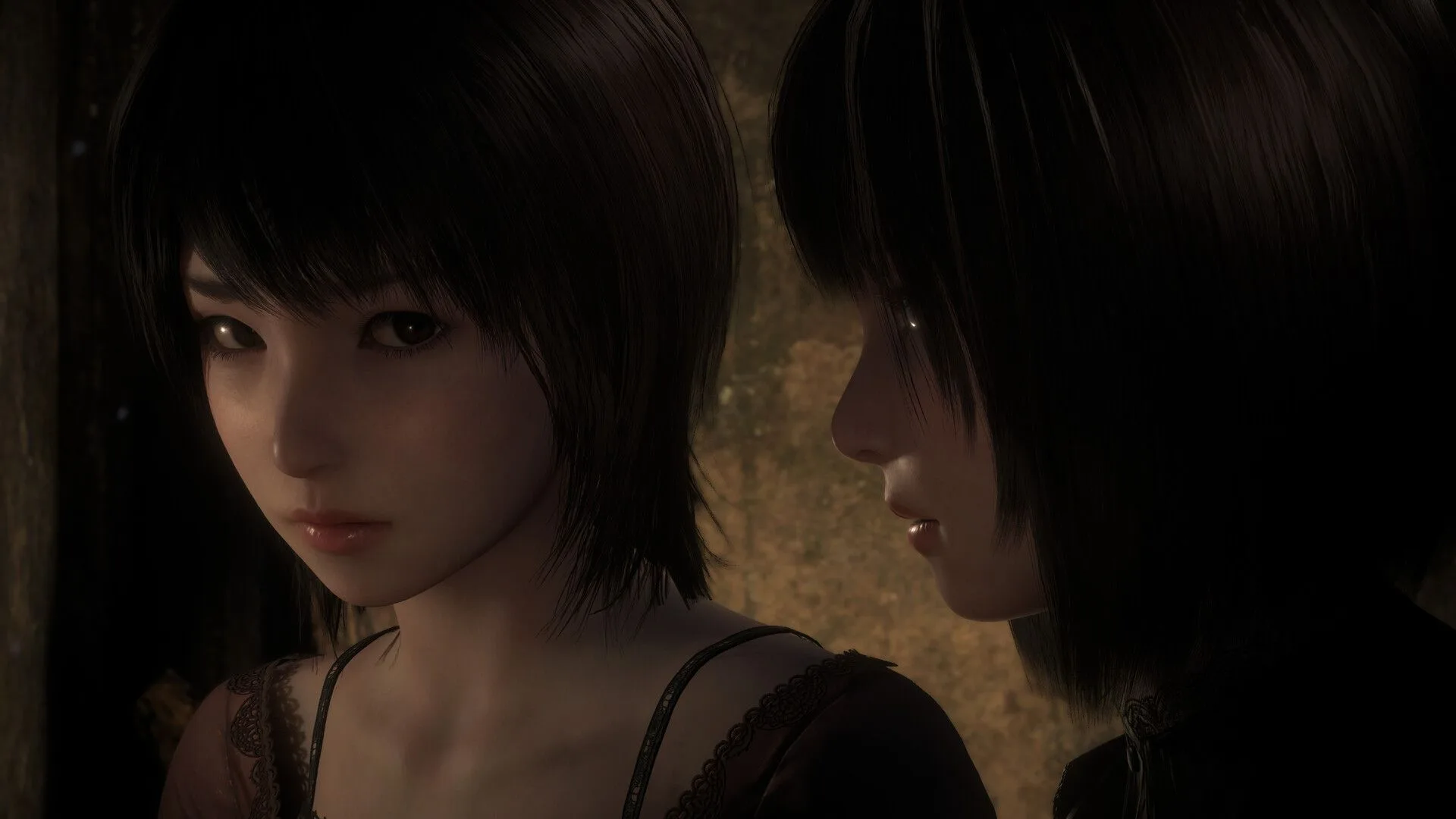
Sometimes, the throwback is a direct resurrection. The upcoming remake of Fatal Frame II: Crimson Butterfly, developed by Koei Tecmo and slated for release on March 12, is a testament to the enduring power of early 2000s horror design. Directors Makoto Shibata and Hidehiko Nakajima have explicitly cited direct fan demand as the catalyst for this project, highlighting the lasting impact of the series’ unique vision.
Fatal Frame’s iconic “Camera Obscura” combat—using a mystical camera to fend off spirits—remains a singular mechanic that defines the series’ focus on atmosphere over aggression. The directors emphasize a commitment to a Japanese horror aesthetic centered on “beauty and atmosphere” rather than reliance on jump scares. This remake is part of a clear franchise revival, following the recent remasters of Maiden of Black Water (2021) and Mask of the Lunar Eclipse (2023). It bridges the old and new not just through visual enhancements, but with modern quality-of-life features like updated character costumes and a dedicated Photo Mode, allowing players to frame the haunting beauty for themselves.
Minimalist & Surreal: The Hundred Doors Approach
Not all retro-inspired horror requires complex mechanics or legendary franchises. Hundred Doors, released by Ink Ribbon Studios in January 2026, demonstrates the power of minimalist design rooted in a distinct aesthetic. This first-person psychological horror game strips away combat entirely, focusing instead on exploration and consequential choice. The core loop is simple yet deeply unsettling: players navigate a series of surreal rooms by selecting which door to open next. What’s scarier than a monster? The dread of what might be behind the next door, fueled by a visual style that feels like a half-remembered dream.
The horror here is generated through atmosphere and implication, a philosophy central to many early 2000s titles. Its stylized, deliberately “Old School” visual identity, referencing the low-poly and textured looks of the 1990s and early 2000s, is not a limitation but a key part of its horror identity. The aesthetic fuels the player’s imagination, making the surreal environments feel both dated and dreamlike. With a “Positive” Steam rating and a budget-friendly price point of 4.99€, Hundred Doors proves that a successful, potent horror experience can be built from curated nostalgia and psychological dread alone.
Co-op & Survival: Outbreak: Shades of Horror's Retro Mechanics
The throwback trend also encompasses the revival of specific gameplay pillars. Outbreak: Shades of Horror from Dead Drop Studios, which entered Early Access in October 2025, is a multiplayer co-op experience built squarely on the foundations of classic survival horror. It explicitly styles itself as a throwback to the 1990s and early 2000s, enforcing tension through restricted inventory management and offering the ability to switch between fixed or third-person perspectives. It asks players to rediscover the strategic panic of sharing limited resources with friends.
Its development model, however, is thoroughly modern. With an Early Access period estimated at 6 to 12 months, the game is evolving with community input, currently offering Raid and Invasion modes for 1-4 players while its Story Mode is in development. This blend of old-school design and new-school service is further emphasized by its commercial positioning, featuring periodic discounts and DLC crossovers like the “Dinobreak Crossover” pack. It demonstrates how the tense, resource-conscious gameplay of the past can be successfully repackaged for today’s connected, co-op hungry audience.
Why Now? The Allure of Retro Horror
This collective pivot to early 2000s aesthetics is more than a nostalgic fad. It addresses a specific craving in the modern horror landscape. For players, these games offer a deliberate, often slower pace and an emphasis on atmospheric tension that can be overshadowed by the high-action, cinematic set-pieces of many contemporary AAA titles. It’s a return to horror that simmers rather than shocks.
Furthermore, the movement taps into a broader cultural nostalgia for Y2K and early internet aesthetics, which have become pervasive across media. The technology and aesthetics of that era—low-poly models, CRT scanline filters, clunky UI design, and grainy textures—have acquired a new, uncanny quality with time. What was once a technical limitation now feels alien, dreamlike, and inherently unsettling to a modern eye.
Developers are not simply replicating the past; they are curating and refining its most effective elements. They are isolating the design philosophies that prioritized player imagination, resourceful mechanics, and environmental storytelling, then blending them with modern sensibilities, controls, and distribution platforms like Steam, Kickstarter, and Early Access. The result is a hybrid genre: games that feel authentically of a bygone era yet are undeniably crafted for the present-day player.
Conclusion
The horror genre is looking backward to move forward. These games—from the investigative dread of Shutter Story to the classic revival of Fatal Frame II, the minimalist surrealism of Hundred Doors, and the co-op survival of Outbreak—are not mere copies. They are thoughtful evolutions, proving that the early 2000s design philosophy remains a potent and versatile source of fear. As we await the full release of titles like Shutter Story in 2026, it’s clear this trend is just beginning. It may well inspire AAA studios to revisit atmospheric roots or lead to revivals of other cult classics from the era. Ultimately, these games understand a fundamental truth: sometimes, the most potent fear is the one that feels like a memory, resurfacing in a new and terrifying form.
Tags: horror games, retro gaming, survival horror, indie games, Steam