The First Descendant's Retention Crisis: Why Nexon's Live-Service Shooter Lost Its Player Base
In the high-stakes arena of live-service gaming, a strong launch is the dream. For Nexon’s looter-shooter The First Descendant , that dream became a reality in July 2024, as hundreds of thousands of...

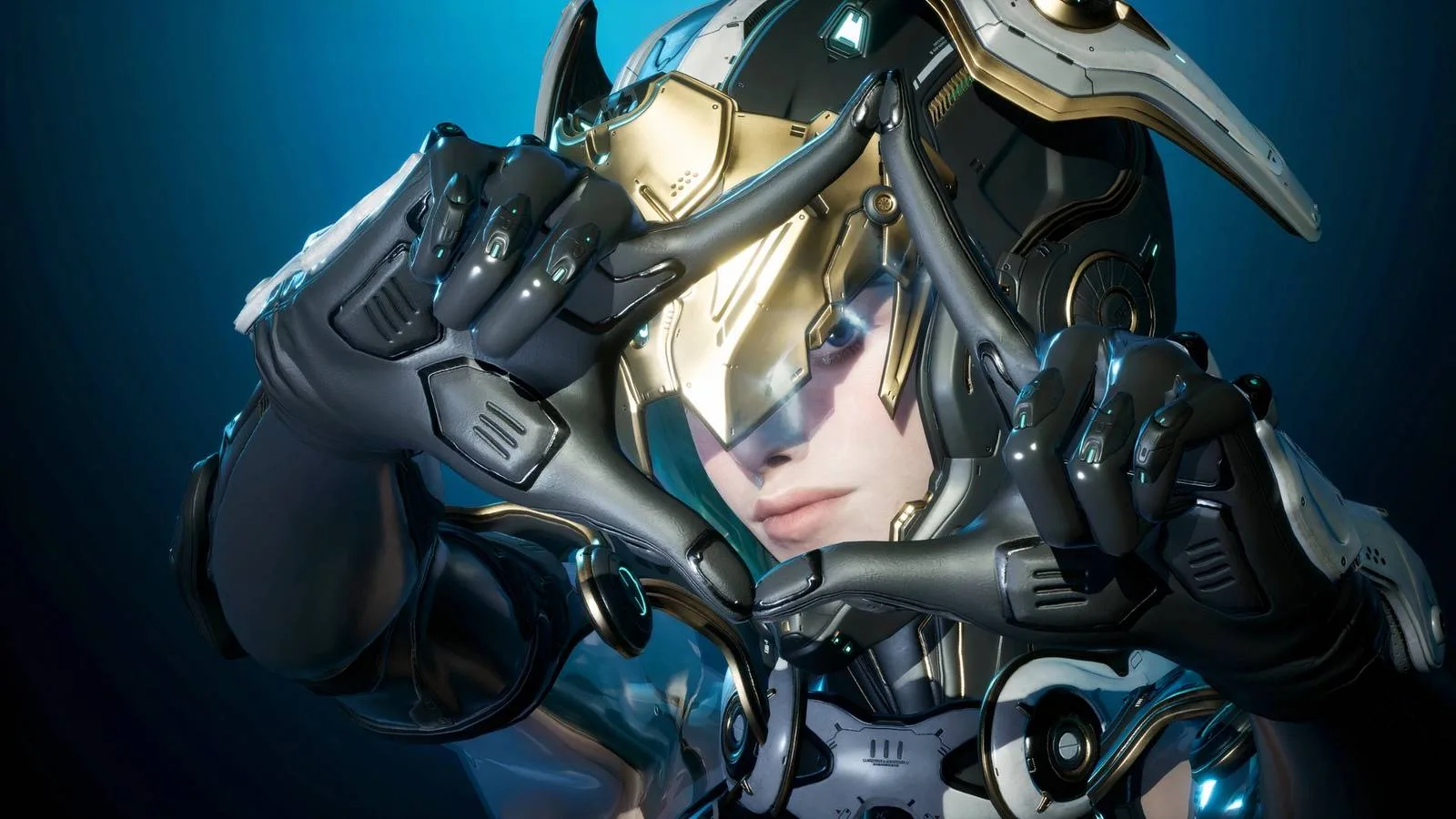
In the high-stakes arena of live-service gaming, a strong launch is the dream. For Nexon’s looter-shooter The First Descendant, that dream became a reality in July 2024, as hundreds of thousands of players flooded its servers, drawn by its slick visuals and promises of a deep, cooperative grind. Yet, less than two years later, the game’s own CEO delivered a brutal, final-sounding diagnosis. In a recent capital markets briefing, Nexon CEO Junghun Lee placed the title in the “What Did Not Work” category, describing its trajectory with a damning, six-word phrase: “strong launch, no staying power.”
This official autopsy raises a critical question for the industry: what goes so fundamentally wrong that high-profile collaborations, seasonal updates, and content patches cannot stop the hemorrhage? The answer, according to Nexon’s top executive, lies not in superficial bugs or a lack of content, but in a fatal, foundational flaw in the game’s very design—a structural weakness that no amount of cosmetic surgery could repair.
The Official Autopsy: Nexon's Diagnosis of a "Structural" Failure
The most telling insight into The First Descendant’s fate comes straight from the top. During the briefing, CEO Junghun Lee didn’t mince words. Categorizing the game alongside the underperforming Dungeon & Fighter Mobile, he moved beyond typical corporate euphemisms for underperformance. The core issue, he stated, was not something a simple patch could fix. The problems required “structural changes to the game mechanics themselves.”
This distinction is critical in live-service development. A buggy launch, server instability, or balance issues are often addressable with updates and community goodwill. A structural flaw implies that the core gameplay loop—the fundamental cycle of play, reward, and progression that hooks players for the long term—was flawed from its foundation. It suggests the retention mechanics, the very systems designed to make players return day after day, failed to resonate or, worse, actively pushed them away. Nexon’s diagnosis points to a game built on shaky pillars, where adding more rooms (in the form of new content) couldn’t prevent the entire house from leaning.
The Flawed Foundation: A Core Loop That Failed to Engage
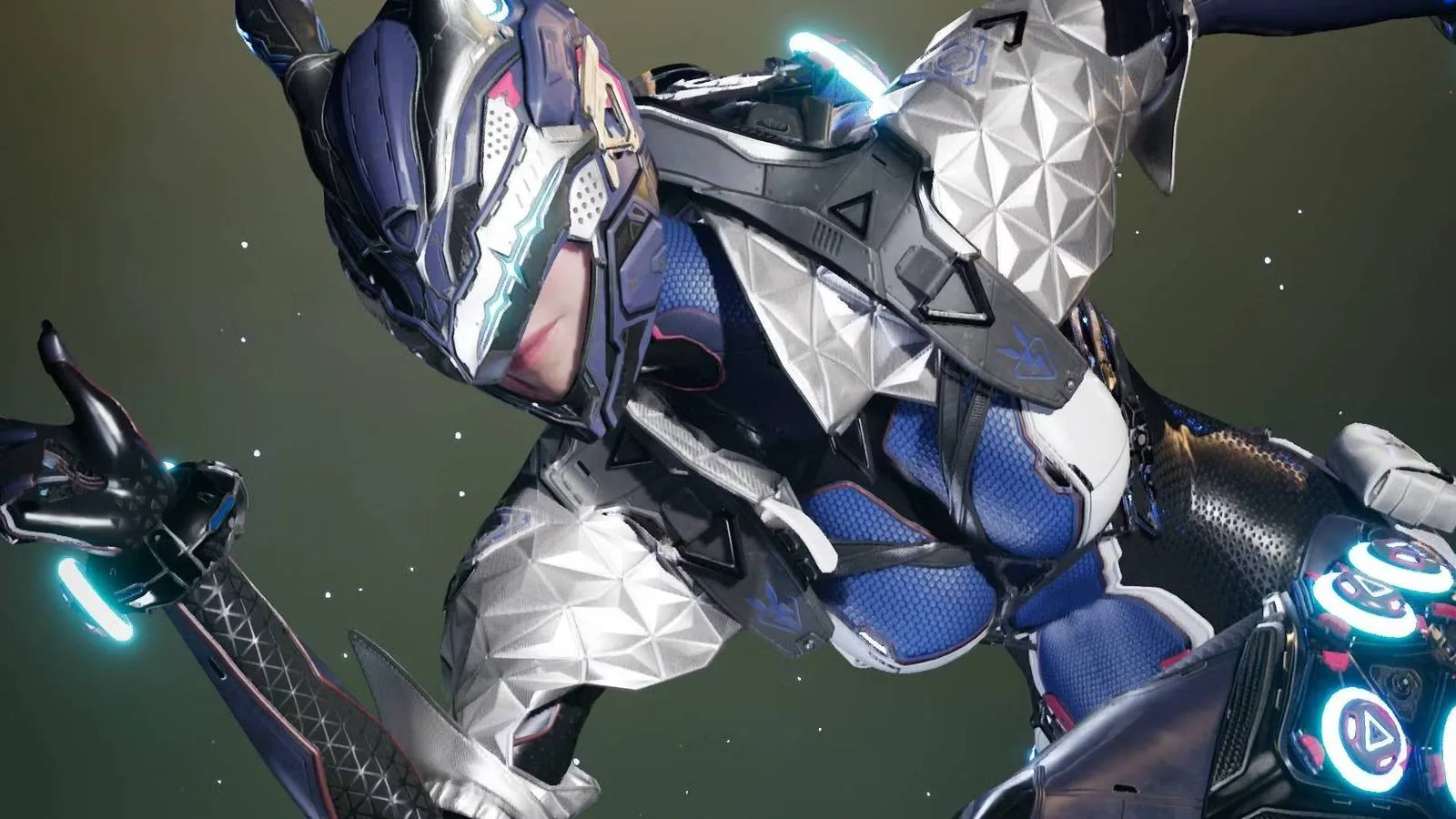
To understand the "structural" failure, one must examine the core loop players were asked to repeat. The First Descendant was built on a familiar looter-shooter chassis: complete missions, gather loot and materials, and grind to unlock and upgrade new "Descendant" characters and their powerful weapons. The intended long-term chase centered on acquiring specific, rare modules to perfect builds.
However, player feedback from forums and reviews consistently highlighted why this loop broke down. Mission design was criticized as repetitive, lacking meaningful variety or compelling objectives. More damning was the progression system; the grind for essential upgrade materials and specific modules was governed by punishing layers of RNG, often feeling like an insurmountable chore rather than an exciting pursuit. This created a scenario where the core activity—playing the game—ceased to be fun, undermining the entire live-service model from within. This specific design is the "structural flaw" the CEO referenced—a progression treadmill that players had no desire to stay on.
By the Numbers: Charting the Steep Decline
The data paints a stark picture of this structural failure in action. On Steam, the game’s trajectory is a classic case study in player evaporation.
- Launch Peak (July 2024): 264,860 concurrent players.
- Late 2024/Early 2025: ~58,000 concurrent players.
- One Year Post-Launch (July 2025): ~9,800 concurrent players.
- Early 2026: Struggles to maintain 5,000 concurrent players.
This represents a staggering 96% decline from its all-time peak. As of early 2026, the game ranks around 175th for Daily Active Users on Steam, a dramatic fall from its top-ten launch position.
The collapse extends beyond mere logins. Social engagement and viewership, key vitality indicators for a live-service title, have evaporated. On Twitch, concurrent viewership plummeted from over 160,000 at launch to a meager ~200. The critical reception solidified into a lasting warning: a “Mixed” rating on Steam from over 110,000 reviews and a lukewarm 56/100 score on OpenCritic. The numbers unanimously tell the same story: players arrived, experienced the flawed core loop, and left.

The Vicious Cycle: Failed Fixes and Misplaced Efforts
Nexon and developer Nexon Games did not sit idle. Their post-launch strategy followed a standard live-service playbook, but each effort seemed to treat symptoms rather than the disease.
To address player burnout, the team spent multiple seasons easing the punishing end-game grind for unlocking new characters and weapons. They pursued high-profile collaboration deals, bringing in iconic characters like Nier: Automata’s 2B and Bayonetta. These generated short-lived spikes in interest but failed to provide the lasting boost needed to reverse the trend. The collaborations were attractions, but they couldn’t fix the underlying amusement park.
More recently, the content direction appeared to drift, focusing on features like a social “hot tub” and cosmetic “dress-up” elements. This drift was compounded by a public relations misstep in August 2025, when the game faced backlash for using AI-generated TikTok ads that allegedly used the likeness of streamers without consent. This scandal exacerbated existing player distrust, framing the developers as out of touch—focused on controversial marketing gimmicks over addressing fundamental gameplay complaints. To a community concerned with core progression and reward structures, these moves were perceived as misaligned, reinforcing the sense that the development roadmap was not addressing the "structural" issues the CEO would later cite.
An Uncertain Future in a Changing Industry
So, what comes next for The First Descendant? The current state is one of minimal maintenance. Nexon has confirmed support continues in a “small capacity,” with a patch released as recently as April 2, 2026, and plans for future updates. However, the language from leadership hints at a grim calculus.
The “structural changes” Lee described would require a massive reinvestment—akin to a ground-up redesign of the game’s core systems. In the same briefing, the CEO highlighted the industry’s rising development costs, schedule slips, and a new imperative: games must become entities “players build their lives around.” For a title that has already demonstrated an inability to retain its audience, securing budget for such a high-risk overhaul seems unlikely.
Nexon has hinted at a strategic pivot to focus resources “onto what works.” The First Descendant’s long-term outlook thus hangs in a precarious balance between a slow wind-down, a surprise last-ditch revival attempt, or, most probably, becoming a cautionary tale in the genre.
The First Descendant’s journey from record-breaking launch to CEO-designated case study is a definitive lesson for the live-service era. It demonstrates that no amount of marketing hype, cosmetic content, or celebrity crossovers can compensate for a weak foundational design. In today’s saturated market, where player time is the ultimate currency, a “strong launch” is merely an opening gambit. Without the meticulously crafted “staying power” built into its core mechanics, even the most promising game is destined to become a footnote. For players, it serves as a warning to look beyond launch hype to the sustainability of a game's core reward cycle. For developers, it underscores the non-negotiable imperative: a progression system that feels like a chore, not a chase, is a structural flaw no live-service game can survive.
Tags: The First Descendant, Nexon, Live-Service Games, Player Retention, Game Development