The End of an Era: PlayStation Shuts Down Bluepoint Games, Studio Behind Iconic Remakes
Editor’s Note: This article is a speculative analysis based on current industry trends, imagining the potential consequences of a future strategic decision by Sony. The video game industry reeled in...

Editor’s Note: This article is a speculative analysis based on current industry trends, imagining the potential consequences of a future strategic decision by Sony.
The video game industry reeled in late February 2026 as Sony Interactive Entertainment delivered a devastating blow to its own portfolio: the imminent closure of Bluepoint Games. The studio, celebrated for its breathtaking, faithful remakes of genre-defining classics like Demon’s Souls and Shadow of the Colossus, is set to be shuttered in March, leaving approximately 70 developers without a studio and fans without its unique artistic touch. This sudden announcement cuts deep, not merely as another corporate restructuring, but as the loss of a singular preservationist voice within AAA development. In an era defined by relentless layoffs and studio shutdowns, Bluepoint’s demise forces a critical question: What does sacrificing the industry’s premier remake studio signify for the future of game preservation and PlayStation’s own strategic identity?
The Announcement and Immediate Fallout
On February 19-20, 2026, Sony Interactive Entertainment confirmed the closure of its wholly-owned subsidiary, Bluepoint Games, with operations ceasing entirely by March 2026. The human cost is stark: around 70 skilled developers, artists, and technicians are set to lose their jobs. In a statement now grimly familiar, Sony attributed the decision to a "recent business review," pointing to an "increasingly challenging industry environment" characterized by rising development costs, slowed market growth, and evolving player behavior.
This move is not an isolated incident but part of a distressing pattern for PlayStation. It follows the 2024 closure of Firewalk Studios, which was working on the multiplayer title Concord, and significant, repeated layoffs at Destiny-maker Bungie, another Sony acquisition. The closure of Bluepoint, however, carries a different weight. This isn't the shuttering of an unproven team but the dissolution of an acquired asset with a nearly two-decade track record of critical and commercial success. The immediacy of the decision—coming just over a year after a major project cancellation—highlights the severe pressure Sony’s studios are under to justify their existence in a hyper-competitive, cost-intensive market.
Bluepoint's Legacy: Masters of the Remake
Founded in 2006, Bluepoint Games spent over a decade cultivating a reputation as the industry’s most reliable and technically gifted "remaster house." Before its acquisition, it was the go-to partner for publishers wanting to bring beloved classics to new hardware with care and precision. Its resume reads like a hall of fame for iconic PlayStation franchises: The God of War Collection, The Nathan Drake Collection, and the Metal Gear Solid HD Collection.
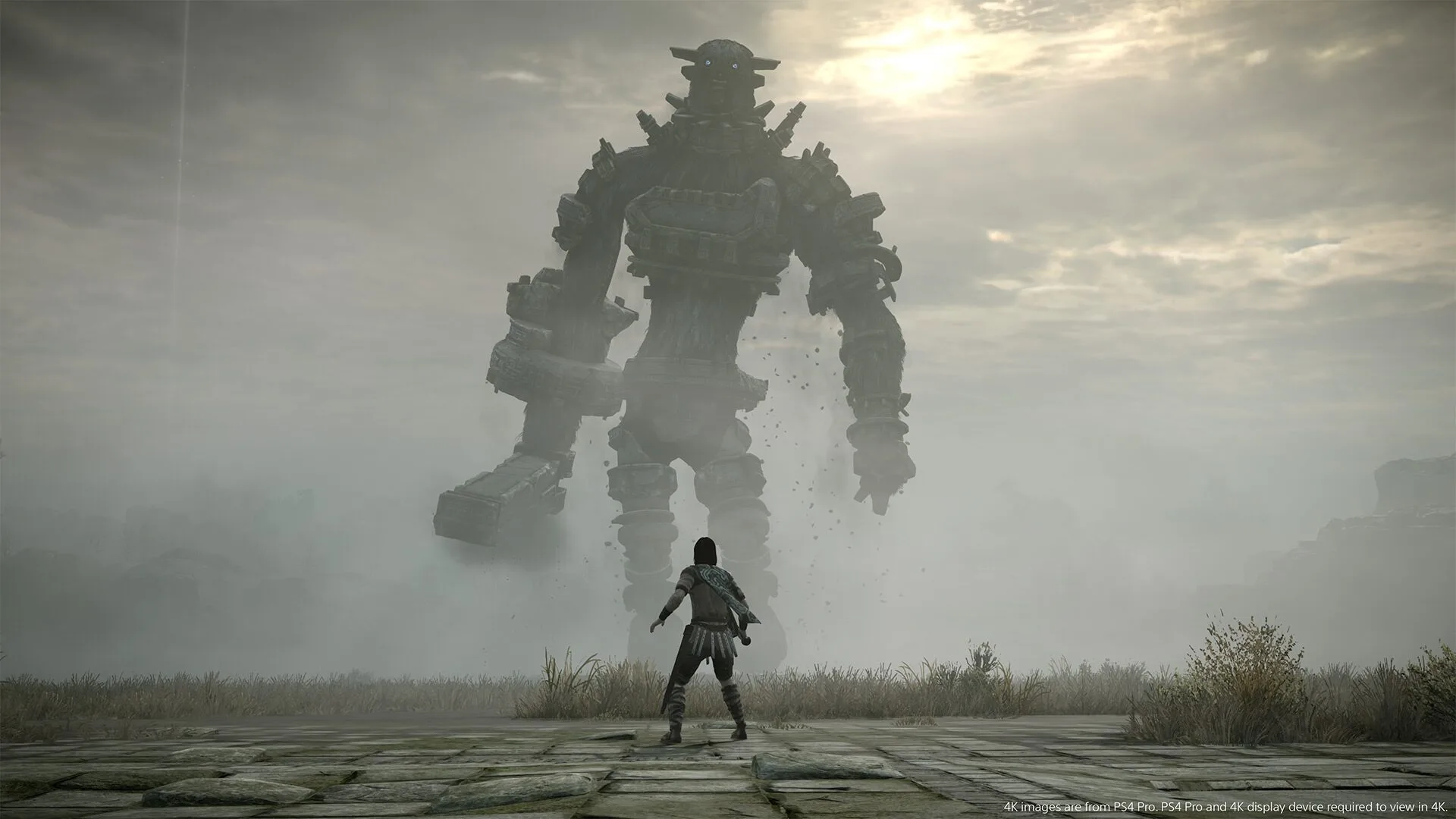
The studio’s legacy, however, was cemented by two landmark projects that redefined what a remake could be. 2018’s Shadow of the Colossus remake was a revelation. It meticulously rebuilt Team Ico’s haunting masterpiece from the ground up, preserving its profound, melancholic soul while bestowing it with visuals that rivaled contemporary AAA titles. It wasn't just a port; it was a restoration of a fading masterpiece for a new generation.
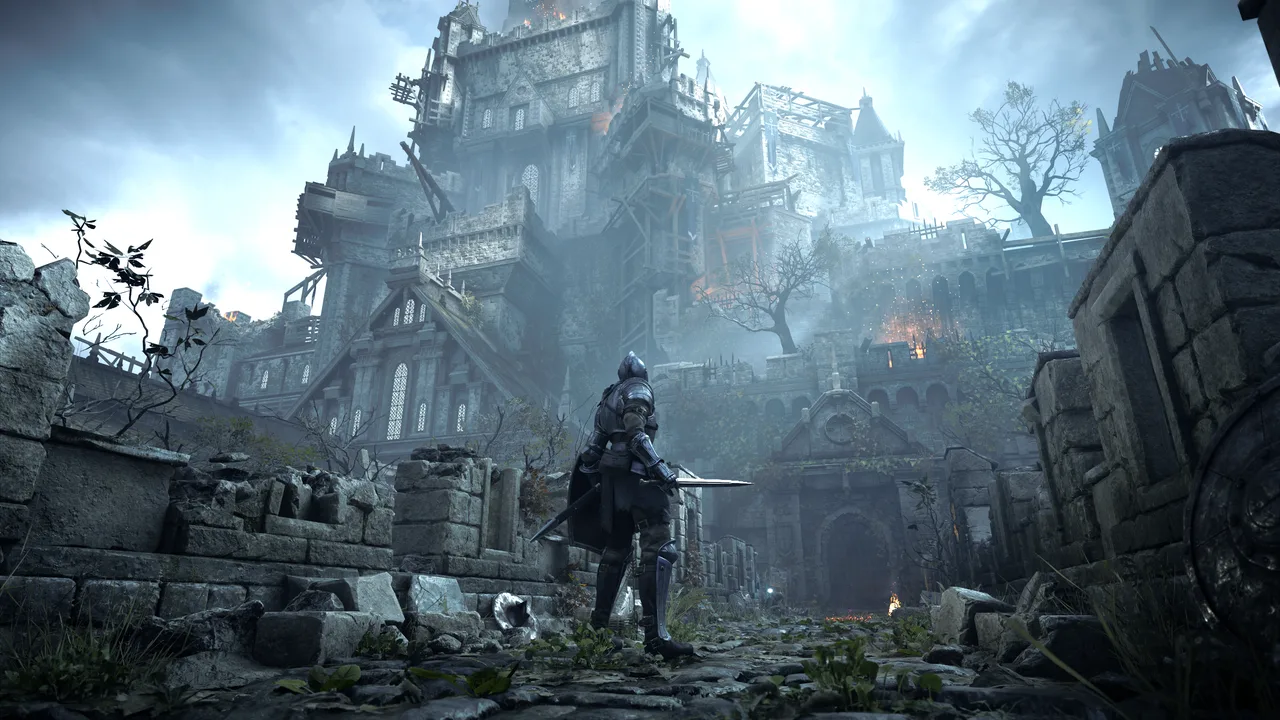
Then came 2020’s Demon’s Souls. As a launch title for the PlayStation 5, Bluepoint faced the daunting task of resurrecting the game that spawned a genre. The result was a triumph of respectful reinterpretation. The studio maintained the punishing, precise combat and atmospheric dread of FromSoftware’s original while implementing breathtaking visual fidelity, immersive 3D audio, and quality-of-life improvements. It was both a faithful historical document and a modern graphical showcase, selling millions and proving there was massive appetite for premium, high-end remakes. Bluepoint’s prowess wasn't just technical; it was artistic, earning a rare trust from players who believed the studio would handle their cherished memories with reverence.
The Sony Acquisition and Unfulfilled Potential
Sony’s acquisition of Bluepoint in September 2021 was met with optimism. The stated goal was to empower the studio to evolve "from a premier remaster studio to a premier development studio," with promises of creating new, original IP. The first step in this transition seemed promising: Bluepoint served as a co-developer on 2022’s monumental God of War Ragnarök, contributing to its technical polish and proving its team could excel within a massive, ongoing franchise.
The turning point, and likely the beginning of the end, came with the studio’s first major post-acquisition project: a live-service God of War title. This project represented a dramatic pivot, aligning with Sony’s broader—and increasingly troubled—push into the games-as-a-service arena. When this title was canceled in January 2025 as part of a company-wide reassessment of its live-service portfolio, Bluepoint was left in a precarious position. Its proven, profitable niche (single-player remakes) had been deprioritized for a risky new direction that was then abruptly abandoned.
Insider reports indicate the studio spent its final year pitching new projects to PlayStation leadership, attempting to find a new creative footing. This period of uncertainty and creative limbo ultimately proved fatal. This left Bluepoint in a no-man's land, raising a critical question: in Sony's current strategic calculus, what was a studio like Bluepoint actually for?
Analyzing the "Why": Industry Pressures and Strategic Shifts
Sony’s cited reasons—"challenging environment," rising costs, changing tastes—are not corporate spin but reflections of a harsh industry reality. The cost of developing AAA blockbusters has skyrocketed, while market growth has slowed. In this climate, consolidation and portfolio pruning become inevitable. For PlayStation, this has meant a strategic retreat from risky bets, particularly in the crowded live-service space, and a renewed focus on its core strength: blockbuster narrative-driven experiences.
The calculus behind closing Bluepoint appears to be one of streamlining. Why maintain a mid-sized studio in Texas, especially one whose last original project was canceled and whose proven specialty (remakes) may be seen as non-essential to a pipeline focused on tentpole sequels and new IP from larger, more established houses like Naughty Dog or Santa Monica Studio?
This logic, however, may represent a significant strategic miscalculation. In shuttering Bluepoint, PlayStation hasn't just cut costs; it has eliminated a unique and highly effective cultural asset. Bluepoint operated in a vital space between pure preservation and new development. Its work extended the commercial and cultural lifespan of PlayStation’s crown jewels, introduced classics to new audiences, and provided a technical bridge between console generations. It fulfilled a role that players valued deeply, one that also generated reliable revenue with presumably lower risk and development cycles than brand-new IP. In a business increasingly obsessed with service games and decade-long franchises, the value of a studio that could expertly revitalize a catalog title in 3-4 years should not be underestimated.
Bluepoint Games’ closure is more than a line item in a financial report. It represents the loss of gaming’s most skilled curator, a studio that acted as both archivist and artist. Its work on Shadow of the Colossus and Demon’s Souls stands as a testament to the idea that classic games are not merely products with expiration dates but cultural artifacts worthy of meticulous restoration.
While the economic realities forcing these painful decisions are undeniable, the shuttering of Bluepoint signals a worrying trend for mid-sized, specialist studios in an industry hurtling toward consolidation. It also leaves a void in the ecosystem of game preservation. Who will now be entrusted to shepherd PlayStation’s revered classics into future generations with the same technical mastery and profound respect? PlayStation may have removed a pillar of its past to shore up its future, but in doing so, it risks letting the foundation of its legacy quietly erode.