The End of an Era: How Digital Shifts and Strategy Changes Led to GAME's Final Store Closures
This article presents a speculative analysis of a potential future scenario for GAME, based on current market trends, its recent strategic direction, and historical patterns within the retail sector....

This article presents a speculative analysis of a potential future scenario for GAME, based on current market trends, its recent strategic direction, and historical patterns within the retail sector.
The End of an Era: How Digital Shifts and Strategy Changes Could Lead to GAME's Final Store Closures
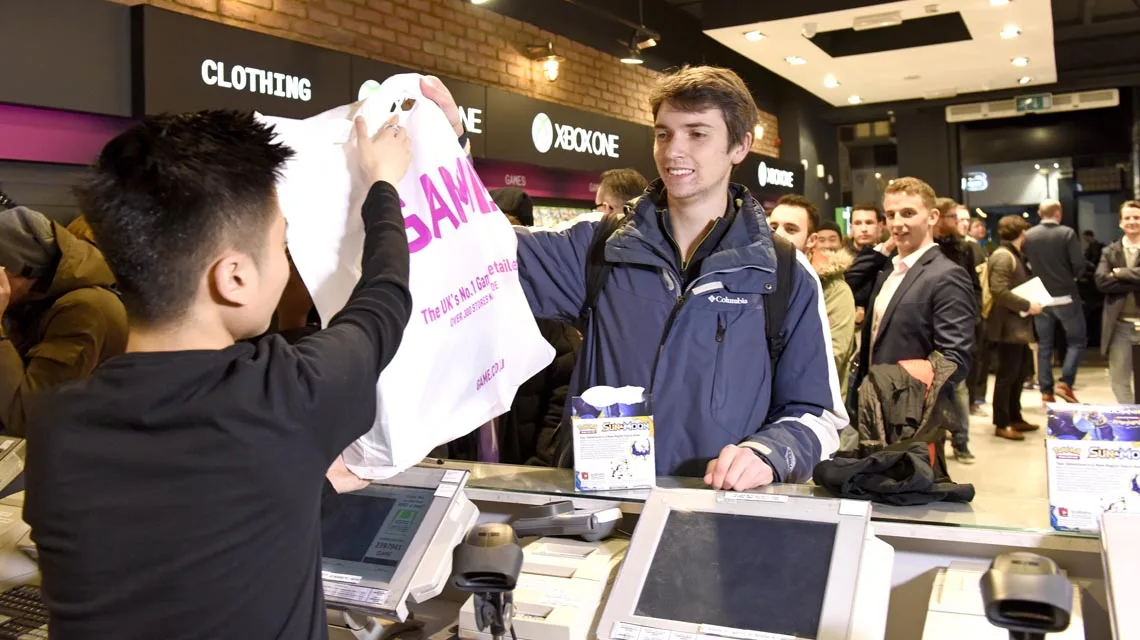
For a generation of UK gamers, a trip to the high street was incomplete without a visit to GAME. The ritual was familiar: the buzz of the entrance, the walls lined with vibrant game cases, the hunt for a bargain in the pre-owned section, and the palpable excitement of collecting a long-awaited pre-order on launch day. It was a physical, social cornerstone of gaming culture. That chapter now appears to be closing. Should current trajectories hold, the last standalone GAME stores in the UK could shut their doors, marking the definitive end of its physical retail presence. This final act would follow a potential second entry into administration—a path the retailer has been skirting. How did a chain that once boasted over 600 stores and whose managing director vowed it would be "the last man standing" selling physical games reach this precipice? The story is one of relentless market evolution, transformative ownership under Mike Ashley’s Frasers Group, and a business model struggling to withstand the tide.
From High Street Titan to Administration: A Timeline of Decline
GAME’s journey from dominance to its current precarious state is a stark narrative of the retail sector’s volatility. At its zenith, the retailer, formed from a lineage including Electronics Boutique and Gamestation, was an inescapable high street fixture with a sprawling estate. Its first major fall was precipitous; in 2012, the company entered administration, leading to the closure of 277 stores and the loss of over 2,000 jobs. This was a brutal early warning of the challenges facing physical media retail.
A potential lifeline arrived in 2019 when Frasers Group acquired the struggling chain for £51.9 million. The acquisition by Mike Ashley’s retail empire was framed as a rescue, a chance to leverage its scale and logistics. However, the decline has continued. The 2025 closure of its Basingstoke headquarters was a symbolic retreat from its operational heart. The company now faces the looming threat of a second administration, which could swiftly lead to the departure of leadership and the decisive shuttering of its remaining standalone stores, drawing a line under GAME’s life as a dedicated retail chain.
The Frasers Group Strategy: Diversification and Service Stripping
The ownership under Frasers Group precipitated a fundamental shift in strategy, moving GAME away from its identity as a pure-play games specialist. The post-acquisition period has been characterized by a systematic winding down of the very services that had defined the core gamer experience. The company has phased out its pre-order business, dismantled trade-in programs, ended customer reward schemes, and ceased sales of pre-owned games.
This stripping back of core offerings stands in stark tension with public statements of intent. In a 2023 interview with GamesIndustry.biz, then-MD Nick Arran asserted that gaming was GAME's core business and that the company aimed to champion physical games. Yet, he simultaneously acknowledged a strategic pivot to diversify into toys and other items. This created an inherent contradiction: how could a retailer vow to be the last bastion of physical games while actively dismantling the ecosystem—trade-ins, rewards, pre-orders—that supported and incentivized that very market? The strategy appeared to dilute the brand’s specialist appeal without clearly establishing a new, sustainable identity.
The Unstoppable Tides: Digital Sales and Market Competition
Beyond internal strategy, GAME is battling profound, industry-wide shifts. The most formidable force is the consumer migration to digital game downloads and subscription services like Xbox Game Pass and PlayStation Plus. Purchasing a download code or buying directly from a console’s digital storefront has become the default for millions, eroding the necessity for a physical middleman for new releases.
Simultaneously, GAME’s retreat from the pre-owned market created a vacuum that was expertly filled by specialists. Competitor CeX, which focuses squarely on buying, selling, and exchanging used tech and games, now dominates that sector with roughly 390 UK stores. Where GAME stepped back, CeX expanded, capturing the value-conscious consumer GAME once served. These dual pressures—the digital erosion of primary new game sales and the ceding of the pre-owned market to a focused rival—have systematically dismantled the pillars of GAME’s traditional business model. The retailer finds itself squeezed on both fronts.
What Remains: The Concession Model and Online Future
It is crucial to note that the GAME brand is unlikely to vanish entirely. Its future, however, would be unrecognizable from its past. The most probable outcome is its continuation as an operational arm of Frasers Group, primarily through two channels: its e-commerce website and as concessions housed within the group’s broader retail empire. The logical endpoint of the current strategy would be to maintain a presence inside Sports Direct and House of Fraser stores.
This "brand within a store" model represents a radical diminution of its footprint and focus, aligning with Frasers Group's established playbook of absorbing acquired brands into its retail ecosystem. This strategy reduces overheads by leveraging existing store footprints and shifts focus from specialist retail to brand monetization within a larger portfolio. The customer experience would shift from a destination dedicated to gaming to a small section within a larger sports or department store. The product range would likely be curated and limited, a far cry from the extensive libraries and specialist services of old. This future positions GAME not as a market leader, but as a complementary accessory to Frasers Group’s wider portfolio, its fate inextricably linked to the footfall and strategy of its host stores.
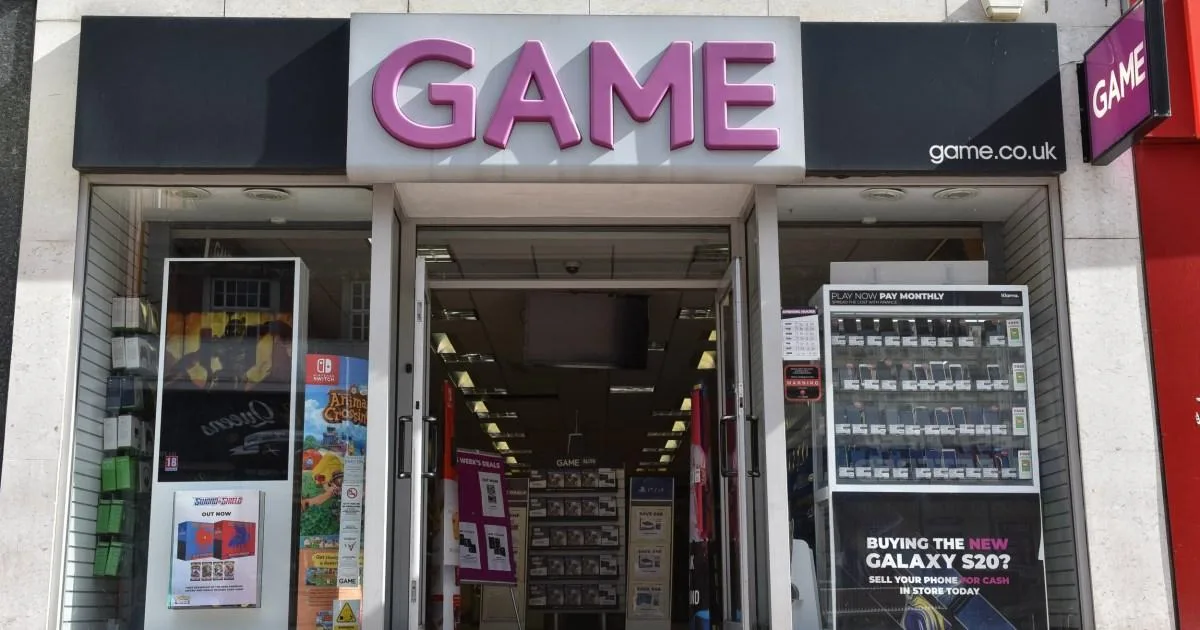
The potential closure of GAME’s final standalone stores would be more than a corporate restructuring; it is a significant milestone in the cultural history of UK gaming. It would mark the definitive end of a specific type of community space and retail experience that shaped decades of players. The nostalgia for browsing shelves and the social ritual of a launch day collection would belong firmly to the past. This outcome is not the result of a single cause, but the inevitable result of a perfect storm: the unstoppable digital transformation of software distribution, fierce competition in the secondary market, and a corporate strategy that ultimately failed to carve out a defensible new niche. While the GAME brand may soldier on in a concession-stand form, the era it once dominated—the era of the dedicated video game store on the British high street—would be over.
Tags: GAME, Retail, Frasers Group, Video Games, High Street