The Elder Scrolls IV: Oblivion Remastered Arrives on Nintendo Switch 2: A Portal to Tamriel Reforged
The Announcement: A Historic Gate Opens Howard's presence underscored a strategic shift. His confirmation of a 2026 release for The Elder Scrolls IV: Oblivion Remastered was framed within a broader,...

The Announcement: A Historic Gate Opens
Howard's presence underscored a strategic shift. His confirmation of a 2026 release for The Elder Scrolls IV: Oblivion Remastered was framed within a broader, renewed partnership between Bethesda and Nintendo, highlighted by the simultaneous reveal of Fallout 4 for the Switch 2.
For a generation of players whose primary gaming device has been a Nintendo console, this unlocked a legendary realm they had only heard tales about. The Partner Showcase was presenting a new era of third-party support for the Switch 2, with Bethesda planting a massive, Daedra-emblazoned flag at the start.
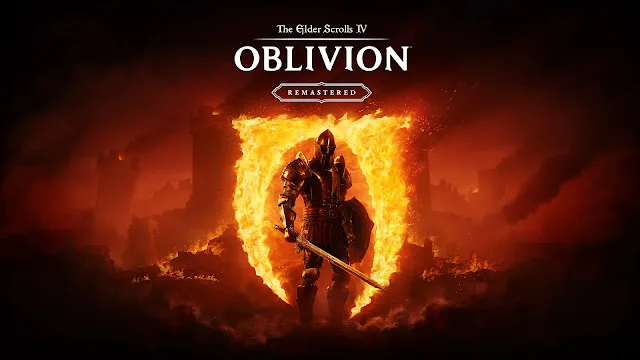
What's in the Remaster? From Overhaul to "Near-Remake"
Calling this release a simple "remaster" undersells the project. Developed by support studio Virtuos in collaboration with Bethesda, the effort has been described internally as a "fairly thorough overhaul" that borders on a full remake. The foundation is the seismic engine shift from the aging Gamebryo to Unreal Engine 5.
This technological leap enables a comprehensive suite of upgrades:
- Visual Reforging: The rolling hills of Cyrodiil, the foreboding Oblivion Gates, and bustling cities have been completely remade. Landscapes boast new geometry, atmospheric effects are dramatically enhanced, and character models have been rebuilt with modern detail. An advanced real-time lighting system replaces the original's baked lighting, fundamentally changing the mood and immersion.
- Gameplay Modernization: Quality-of-life and mechanical updates are extensive. A sprinting mechanic has been integrated, character locomotion and combat animations have been completely redone, and the once-awkward third-person perspective has been overhauled. The famously divisive leveling system has been redesigned, taking inspiration from both the original Oblivion and the more streamlined Skyrim approach.
- Audio and Interface Polish: The UI/UX has been updated for modern displays, and newly recorded dialogue for each playable race adds freshness. The package is definitive, including the base game, the monumental Shivering Isles expansion, the Knights of the Nine questline, and all previously released DLC.
For newcomers and veterans alike, this is positioned as the ultimate way to experience the crisis that shaped the world before Skyrim.
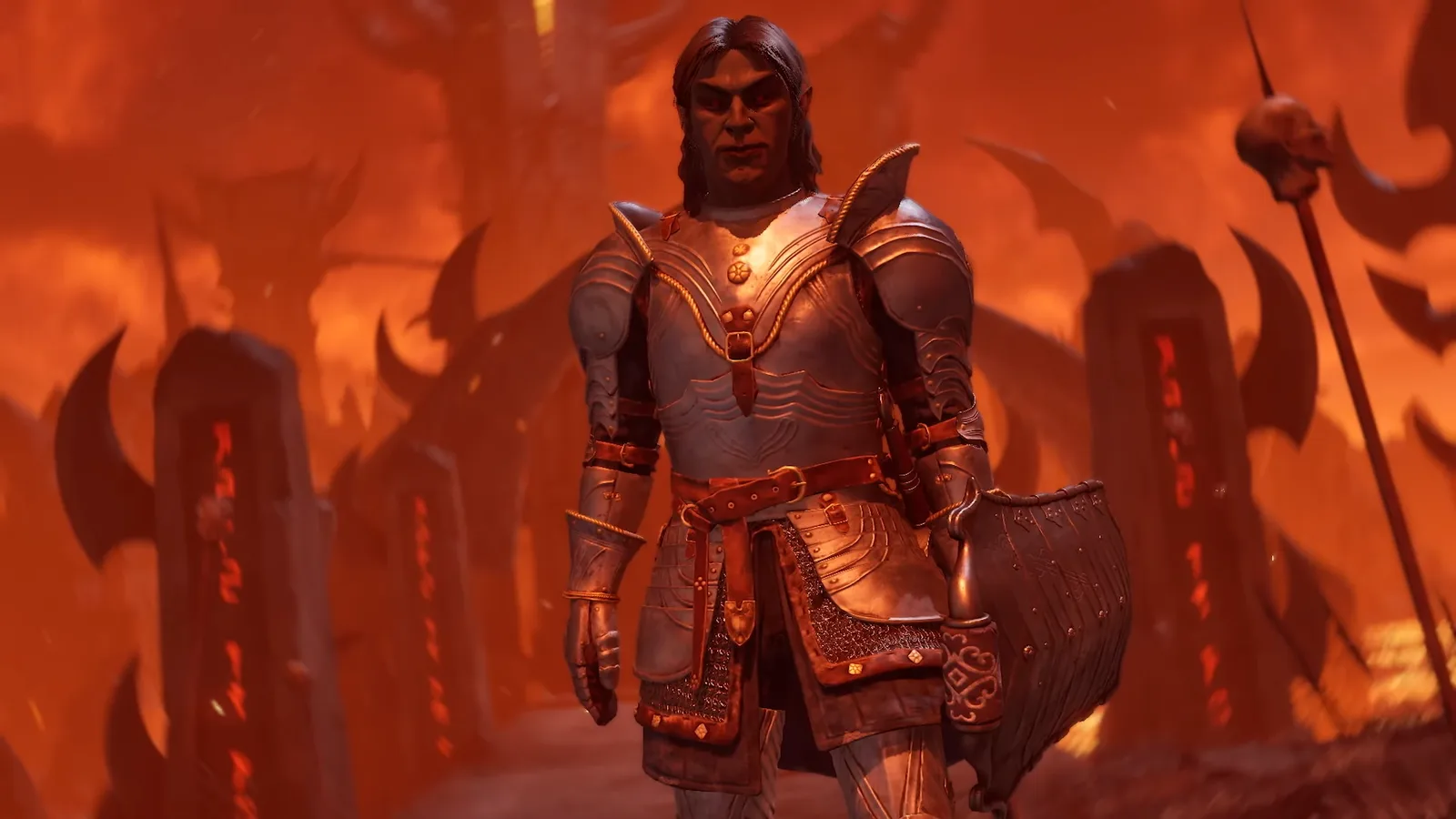
The Switch 2 Challenge: Power vs. Compromise
The ambition of the remaster collides with the practical realities of the Switch 2 hardware. Bethesda has confirmed the technical targets for the system: 4K resolution at 60 frames per second when docked. They have also openly acknowledged that "visual compromises" were necessary to achieve this performance on portable hardware.
This frank admission points directly to the project's greatest technical hurdle.
The Shadow of 2025
The concern is rooted in the remaster's rocky launch on more powerful platforms in April 2025. The PC, PlayStation 5, and Xbox Series X/S versions were plagued with reported persistent performance issues, bugs, and instability—common yet concerning growing pains for a complex UE5 project.
This history defines the central challenge for the Switch 2 port: Can its hardware reliably run this demanding project where more powerful fixed consoles have struggled? The promise of a portable, modern Oblivion is compelling, but its success is entirely contingent on achieving a level of polish and stability that eluded the initial 2025 release.
Legacy and Impact: More Than a Port
Beyond the technical specs, the arrival of Oblivion Remastered on Switch 2 carries substantial weight. Narratively, it fills a crucial gap. The game's story—the apocalyptic "Oblivion Crisis"—is the direct prelude to the events of Skyrim. For Switch players who entered the series with the Dragonborn, this is a chance to experience the world-shaking event that defines the modern era of The Elder Scrolls.
For the platform itself, this release is a statement. By securing such a deep, graphically enhanced, and content-rich Western RPG at the dawn of its lifecycle, Nintendo is positioning the Switch 2 as a serious destination for core, immersive experiences beyond its first-party staples. The Deluxe Edition offerings, including exclusive armor sets, a digital artbook, and soundtrack, cement this as a premium, definitive release meant to attract dedicated RPG fans.
The promise of Oblivion Remastered on Nintendo Switch 2 is a landmark event, offering a refined classic packed with every piece of content and modernized for contemporary sensibilities. Yet, that promise is tightly wound with technical peril. When it arrives in 2026, it won't just be another game—it will be a benchmark. A smooth, stable experience will validate the Switch 2 as a true home for ambitious third-party titles, while a repeat of 2025's troubles would be a missed opportunity of historic proportions. The gate to Cyrodiil is open; its stability will define the journey.
Tags: The Elder Scrolls IV Oblivion, Nintendo Switch 2, Bethesda, Game Remaster, RPG