The Elder Scrolls 6: Why Bethesda's Return to Classic RPG Roots Relies on Its Veteran Skyrim Team
After years of silence following a 2018 teaser, Bethesda Game Studios director Todd Howard has finally offered concrete details on The Elder Scrolls 6 . His most reassuring statement? "The majority...

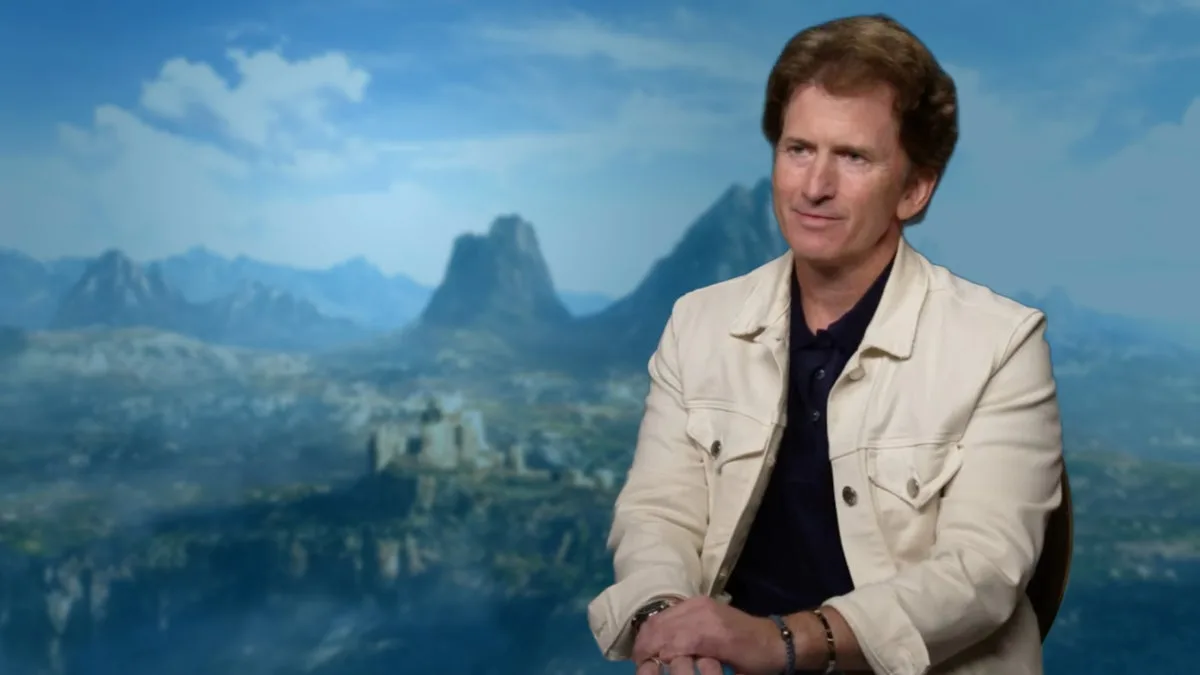
After years of silence following a 2018 teaser, Bethesda Game Studios director Todd Howard has finally offered concrete details on The Elder Scrolls 6. His most reassuring statement? "The majority of people who made Skyrim are still here." This raises the pivotal question for the community: How will this veteran core—armed with new technology and hard-won lessons from ambitious projects like Starfield—orchestrate the highly anticipated return to Tamriel?
A Deliberate Return to a "Classic Style"
Todd Howard has explicitly framed The Elder Scrolls 6 as a return to Bethesda’s "classic style." For Howard, this style is defined by the immersive, single-player, handcrafted worlds of The Elder Scrolls IV: Oblivion, Skyrim, Fallout 3, and Fallout 4. These are games built on exploration of a curated landscape, deep lore, character-driven narratives, and the signature "radiant" AI that makes the world feel alive. They are experiences defined by player agency within a persistent, believable fantasy or post-apocalyptic setting.
This stated direction gains its significance from what it is not. Howard characterized both Starfield and Fallout 76 as "creative detours." Starfield ventured into sci-fi and leveraged procedural generation for its thousand planets, a structural departure from a single, dense landmass. Fallout 76 was the studio's foray into always-online, live-service multiplayer. While both projects expanded Bethesda’s toolkit and audience, they also diverged from the core formula that built the studio's reputation. By labeling The Elder Scrolls 6 a return to classic form, Howard is sending a clear message to the fanbase: the next chapter will prioritize the deep, solitary, handcrafted fantasy RPG experience that made the series a landmark.
The Enduring Skyrim Team: Continuity and New Blood
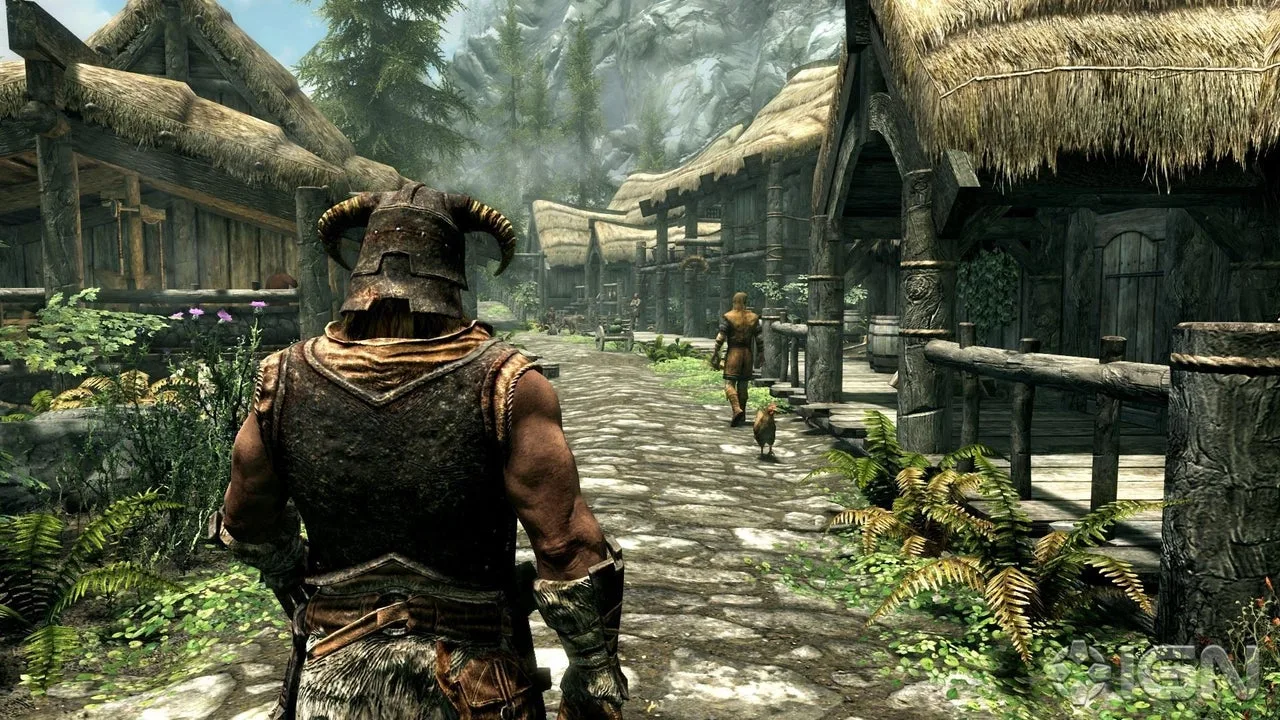
The heart of Howard’s reassurance lies in the team itself. The fact that the majority of the developers who built the 2011 phenomenon Skyrim are still at Bethesda and working on this project is monumental for maintaining the series' soul. This veteran core carries the institutional knowledge of what makes an Elder Scrolls game feel unique—the philosophy behind environmental storytelling, the balance of freedom and narrative, and the creation of those unforgettable "emergent" moments that players share for years.
However, Howard also noted this core is being "supplemented by new hires from other studios." This suggests a deliberate strategy: preserve the foundational identity while injecting fresh perspectives and expertise. This blend of continuity and new blood is directly tied to Howard’s philosophy of "taking our time" to ensure quality. In defending the lengthy development cycle—which will extend well beyond 15 years since Skyrim—he is arguing that the combination of experienced stewards and new talent requires that time to properly iterate and polish. It’s a defense against the rush, positing that the team’s heritage is too valuable to squander on a hurried release.
The Foundation: Creation Engine 3 and Internal Milestones
The vision for a next-generation Tamriel requires a next-generation foundation. Howard confirmed that The Elder Scrolls 6 is being built on Creation Engine 3, a significant leap from the Creation Engine 2 that powered Starfield. The development of this new engine has been a multi-year undertaking in itself. For a return to a dense, handcrafted fantasy world, this new bedrock is essential. Creation Engine 3 will need to deliver transformative improvements in areas critical to that classic feel: the density of environments and cities, the complexity of NPC AI and physics, and the depth of world interaction—all fundamental to building a Tamriel that surpasses Skyrim’s legacy.
As for the current state of development, Howard offered a tantalizing but measured update. He stated that the majority of Bethesda Game Studios is now working on the project, the team is "able to play it" internally, and they are approaching a "big milestone." This indicates the game has moved from pre-production into a tangible, playable state where core systems and world-building are being tested and refined. Yet, Howard was quick to temper excitement with realism, emphasizing the project remains "a long way off" and "it's gonna be a while yet." The "big milestone" likely represents a major internal review or content lock, not an imminent public reveal.
The Shadow of an Early Announcement and Fan Expectations
Acknowledging the elephant in the room, Todd Howard expressed regret over the game’s initial announcement at E3 2018, calling it an "error" and stating he "would have preferred not to have announced it so early." This admission is a rare piece of corporate introspection. The 2018 teaser, intended to assure fans the series had a future after Fallout 76, instead ignited a hype cycle that has stretched for nearly a decade without substantial fuel. This prolonged wait has inevitably shaped fan expectations, breeding both intense anticipation and heightened scrutiny for any scrap of information.
Howard’s recent comments are a clear attempt at expectation management. By providing substantive details on direction, team, and technology, he offers genuine insight to satisfy the community's hunger. However, by consistently reiterating that the game is years away, he is also trying to recalibrate the timeline in the public consciousness. The challenge for Bethesda is to balance this necessary transparency with the risk of sustaining another multi-year "information winter" after this recent glimpse.
Bethesda now finds itself in a unique position: a veteran team with decades of institutional knowledge is applying lessons from its most ambitious experiments to a deliberate return to its foundational formula. The synthesis of that classic Elder Scrolls magic with new technology and perspective is the studio's defining challenge. While patience remains the key virtue, the recent insights confirm the journey back to Tamriel has moved from a distant promise to a methodical, active construction. The next "big milestone" may still be behind closed doors, but for the first time in years, the path forward feels tangible.
Tags: The Elder Scrolls 6, Bethesda Game Studios, Todd Howard, Skyrim, RPG