The Elder Scrolls 6: Inside Bethesda's Creative Crossroads and the Long Road to Tamriel
The development of The Elder Scrolls VI is a black box. Announced in 2018 with a 36-second teaser, the project has been shrouded in silence for over six years, its progress measured only by Todd...

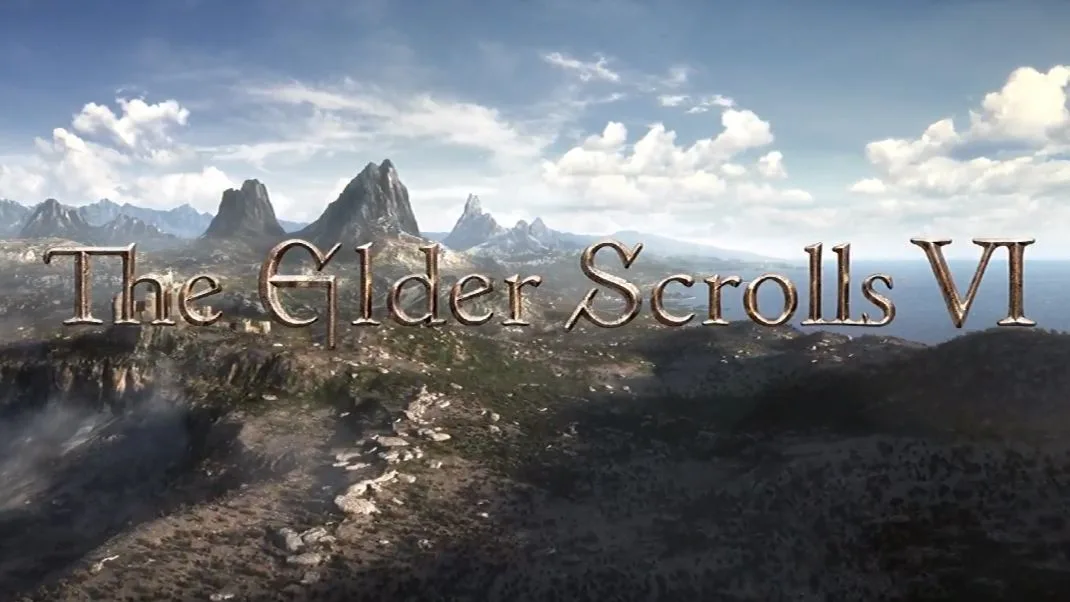
The development of The Elder Scrolls VI is a black box. Announced in 2018 with a 36-second teaser, the project has been shrouded in silence for over six years, its progress measured only by Todd Howard’s repeated assurance that it remains “a long ways off.” This silence was recently pierced by a rare, critical voice from within Bethesda Game Studios. A former artist’s observations have cast a new, questioning light on the studio’s creative process, framing a central dilemma for one of gaming’s most beloved franchises. What do these internal critiques and corporate shifts mean for the future of Tamriel?
The Eternal Tease: TES6's Development Timeline and Announcement Regret
The journey to The Elder Scrolls VI began with a strategic whisper. At E3 2018, following the grand reveal of Starfield, Bethesda closed its showcase with a brief, atmospheric glimpse of a mountainous landscape. The message was clear: Starfield is next, but Tamriel awaits. This early announcement, as Howard has since admitted, was a calculated move to manage fan expectations.
That patience has been tested for over six years. With no release date, gameplay, or confirmed setting, the project exists in a nebulous “active development” phase. Industry analysts point to a 2026 release as the absolute earliest possibility, a timeline that would place nearly a decade between announcement and arrival. Howard himself has expressed regret over the premature reveal, quipping to fans in 2023, “You should just pretend we didn’t announce it.” This sentiment underscores a unique challenge: how does a studio manage the ever-growing, mythologized hype for a game still years from completion? The weight of expectation for TES6 is not just for a new game, but for a generational leap—a burden no other title in development carries quite the same way.
The "Yes Man" Culture: An Insider's Critique of Bethesda's Creative Process
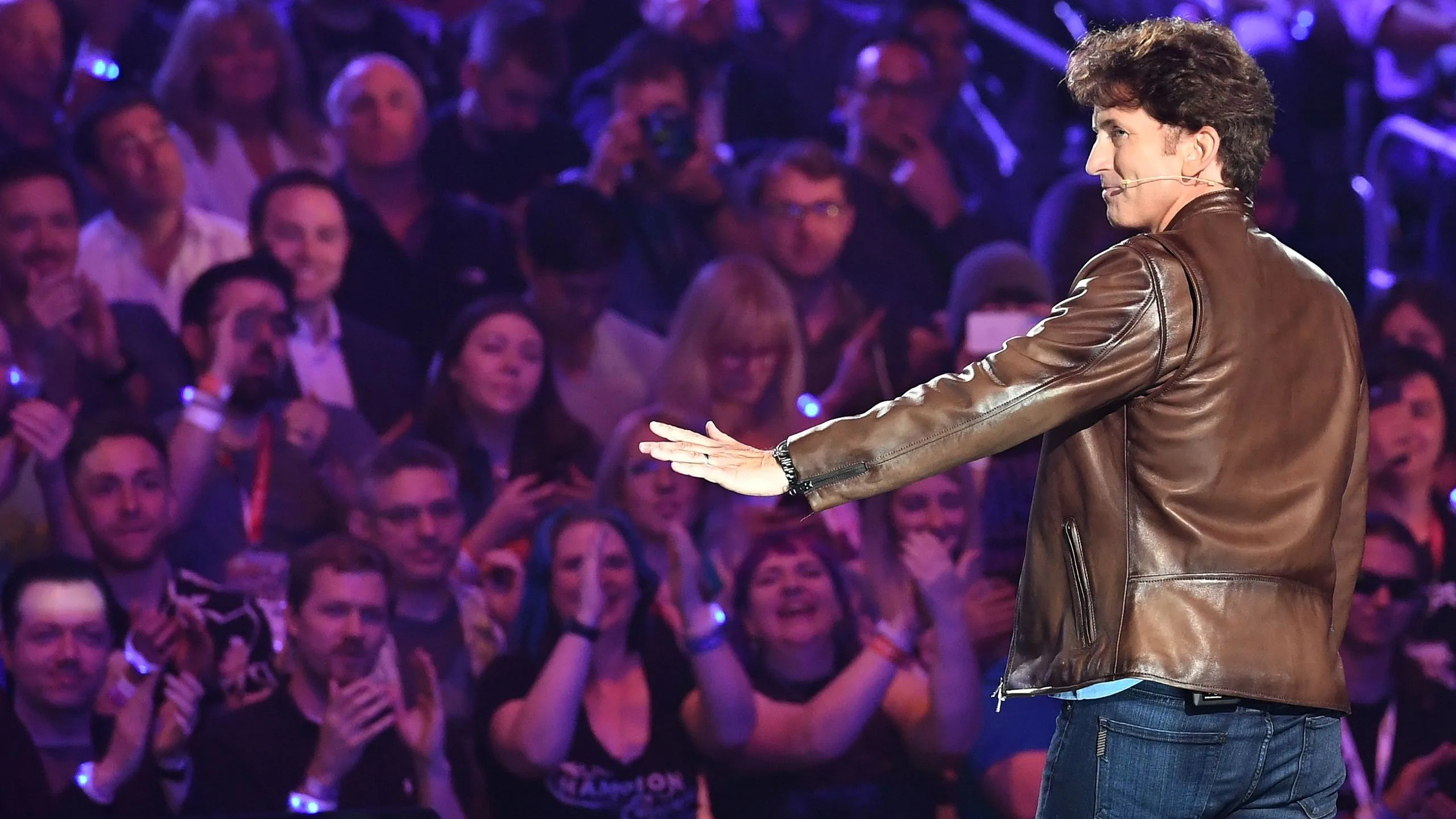
The veil on Bethesda’s internal workings was pulled back by former senior artist Dennis Mejillones, who spent over a decade at the studio from 2009 to 2021. His critique was pointed: he suggested a “yes man” culture has developed around legendary creative director Todd Howard. The implication is that Howard’s iconic status, built on the pillars of Morrowind, Oblivion, and Skyrim, may have inadvertently stifled critical internal feedback.
Mejillones drew a comparison to filmmaker George Lucas, an auteur who famously benefited from collaborators who would challenge his ideas. The concern is that without that rigorous internal critique, potential issues go unaddressed. This observation is given stark context by another of Mejillones’ claims: he estimated that approximately 95% of player complaints post-launch were already raised as internal concerns by developers. If accurate, this statement reframes the rocky launches of Fallout 76 and the divisive reception to Starfield not as unforeseen surprises, but as known quantities where creative or production decisions overrode developer apprehension.
The Mantra and Its Limits: "We Can Do Anything, But We Can't Do Everything"
At the heart of Bethesda’s philosophy is a mantra often repeated by Todd Howard: “We can do anything, but we can’t do everything.” This statement is a double-edged sword. On one level, it’s a necessary, sobering principle of game development—a recognition of finite resources and time that forces focus. It defines the Bethesda ethos of creating vast, systemic worlds where players can “go anywhere, do anything,” but within a curated scope.
On another level, this mantra invites scrutiny. Does it successfully manage scope, or does it highlight a recurring cycle of over-ambition leading to under-polished releases? The mantra suggests an awareness of limitation, yet the player complaints cited by Mejillones indicate that the line between “anything” and “everything” can become dangerously blurred, with core features sometimes shipping in a compromised state. For The Elder Scrolls VI, this philosophy faces its ultimate test. The game must evolve beyond Skyrim in every meaningful way to meet modern expectations, all while deciding what “everything” it realistically can’t do. The success of the project hinges on where Bethesda draws that line.
The Microsoft Era: Corporate Integration and the Search for Authenticity
The landscape for TES6’s development is fundamentally different from that of its predecessors. Bethesda Game Studios is now a first-party studio under Microsoft, a shift that adds a complex new layer. Mejillones’ commentary extended to this new reality, suggesting that from his perspective, post-acquisition, Bethesda was not part of something “genuine” or “authentic” within the Microsoft ecosystem.
This remark speaks to the tension between Bethesda’s historically insular, Maryland-based development culture and its integration into one of the world’s largest tech corporations. The potential benefits are immense: virtually unlimited resources, the security of Game Pass as a launch platform, and freedom from quarterly earnings pressures. A critical question for TES6 is whether Microsoft's "unlimited resources" will empower Howard's "anything but not everything" philosophy or exacerbate its risks by expanding the scope of "anything" even further. The risks involve creative dilution, the pressure of platform exclusivity, and absorption into a vast corporate machine with its own priorities. The challenge is whether Microsoft’s ownership will provide the runway for a longer, more polished development cycle, or introduce new pressures that could chip away at the studio’s unique identity.
Learning from Launches: The Post-76 and Starfield Support Model
Bethesda’s recent history offers two divergent blueprints for post-launch support, both of which will inform the strategy for The Elder Scrolls VI. Fallout 76 launched to widespread criticism but underwent a years-long, transformative “2.0” redemption arc, evolving into a respected live-service game. This demonstrated a remarkable commitment to salvaging a project and listening to players.
Conversely, for Starfield, Todd Howard has explicitly stated the studio does not plan a similar, total overhaul. The support model appears to be one of substantial expansions and updates, but within the framework of the original release. This presents a fork in the road for TES6. Will it follow a more traditional Skyrim-esque model of expansive DLCs and a decade of modding legacy? Or, given the industry’s shift and the success of 76’s revival, will it incorporate “games as a service” elements from the start to ensure a longer tail of content and engagement? The studio’s approach will reveal much about its confidence in the base product and its vision for Tamriel as a persistent, evolving world.
The path to The Elder Scrolls VI is a journey through Bethesda’s most challenging era. It must contend with the immense weight of legacy, internal cultural critiques that question its creative feedback loops, and the uncharted territory of Microsoft ownership. This moment is a painful, necessary evolution. The studio’s legendary ambition now operates with unprecedented resources but under a microscope of heightened scrutiny. The ultimate test is whether Bethesda can synthesize its hard-learned lessons, harness its new corporate backing without losing its soul, and finally deliver an experience that feels authentically Elder Scrolls. The success of The Elder Scrolls VI will be measured not just by sales, but by whether it proves Bethesda can navigate this crossroads without losing the creative soul that built its legacy.
Tags: The Elder Scrolls 6, Bethesda Game Studios, Microsoft, Game Development, Video Game Industry