The Division 2's Remarkable Resurgence: How a 7-Year-Old Game Just Shattered Its Steam Records
In the fast-paced world of live-service gaming, a title's peak is often measured in months, not years. The conventional narrative dictates a steep climb at launch, a gradual decline, and eventual...

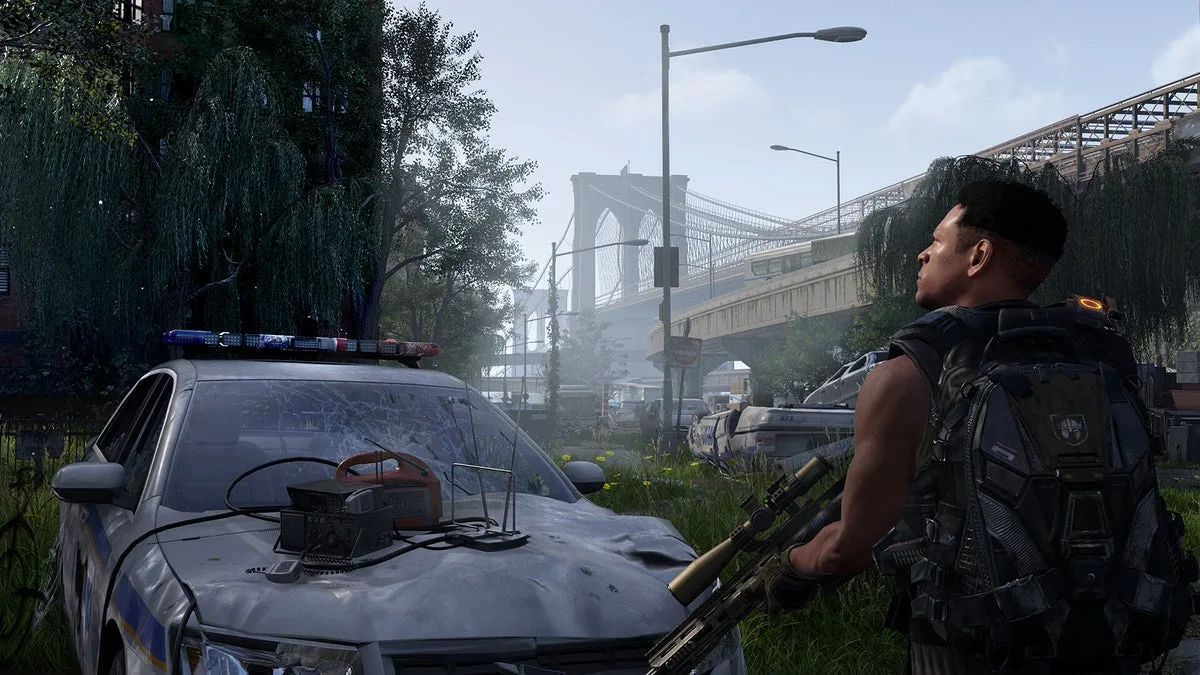
In the fast-paced world of live-service gaming, a title's peak is often measured in months, not years. The conventional narrative dictates a steep climb at launch, a gradual decline, and eventual quietude as players migrate to the next big thing. Tom Clancy's The Division 2 is now rewriting that script. In a stunning defiance of industry norms, the five-year-old tactical shooter has not just seen a resurgence—it has obliterated its own historical player records, proving that a game's most triumphant chapter can be written long after its release.
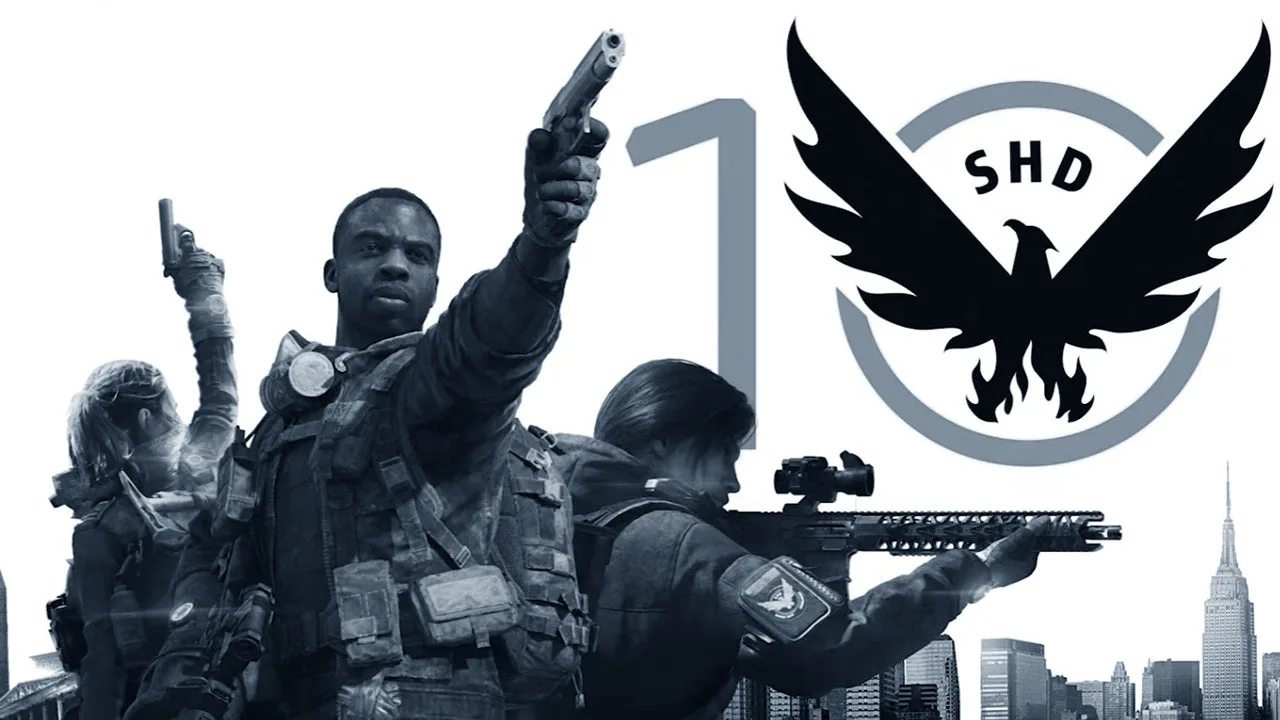
In early March 2025, The Division 2 achieved what many would have deemed impossible: a new all-time concurrent player peak on Steam of 26,459 agents in Washington D.C. This wasn't a minor bump. It represented a seismic shift, nearly doubling the game's previous Steam record of 14,858 players. This milestone, reached during the franchise's ten-year anniversary, signals more than nostalgia. It is the direct result of a calculated, player-first strategy from Ubisoft, transforming a respected title into a case study for live-service longevity.
The Numbers Behind the Comeback
The data tells a compelling story of rebirth. Surpassing 26,000 concurrent players is a significant feat for any mature title, but the context makes it extraordinary. For comparison, the franchise's overall Steam record is still held by the original The Division, which saw 114,228 players at its launch-era peak a decade ago. While the sequel hasn't reached those stratospheric launch numbers, its new peak is arguably more impressive. It demonstrates an active, reinvested community choosing to return to a familiar world years later, rather than the initial surge of a hyped new release.
The resurgence wasn't confined to Steam servers. The announcement of the game's future plans triggered a parallel explosion on Twitch, where viewership peaked at over 37,000 concurrent viewers—the game's highest since 2021. This twin spike in both players and spectators underscores a broad, community-wide renewal of interest. It’s a clear indicator that the buzz is about the game's present and future, not just its past.

Fueling the Fire: The 10th Anniversary & 2025 Roadmap
So, what compelled hundreds of thousands of lapsed agents to re-activate their SHD watches? The answer lies in a powerful one-two punch: immediate, valuable rewards and a compelling vision for the future.
For the four-week Anniversary Season, Ubisoft removed two major barriers to entry. First, the critically acclaimed Warlords of New York expansion was made free for all players, granting immediate access to a massive chunk of endgame content and the level cap increase. Second, a limited-time Realism Mode offered a brutal, fresh challenge for veterans. This combination provided both a reason for new or returning players to jump in and a novel experience for the dedicated.
However, the true catalyst was the detailed 2025 roadmap. Ubisoft didn't just offer a vague promise of "more content"; they laid out a concrete plan that directly addressed long-standing community desires. The confirmed implementation of crossplay promises to unify the player base and strengthen matchmaking for years to come. The announcement of a new DLC set in Central Park—a location fans have speculated about since the first game—and the return of Classified Assignments showed a commitment to expanding the game's world and narrative. This transparent, substantial roadmap gave the community the confidence to reinvest their time, knowing the game has a defined path forward.
The Survivors Mode Bet
Looking beyond the immediate roadmap, Ubisoft is betting on innovation to attract an entirely new subset of players. The development of The Division 2: Survivors, a dedicated extraction-style game mode, is a strategic move to tap into one of the most popular genres in modern multiplayer. By integrating this experience into the existing game, it offers a potential on-ramp for extraction shooter fans while giving veterans a radically new way to experience the game's systems and setting.
Navigating Uncertainty: Leadership Change and The Division 3
This forward momentum does face a complicating factor. Julian Gerighty, the former producer who championed The Division 2's post-launch support and announced Survivors, has since left Ubisoft to join Battlefield Studios. His departure introduces an element of uncertainty regarding the creative direction of these ambitious future projects.
It also brings the sequel into focus. While The Division 3 is confirmed to be in development, it has no confirmed release date and details remain scarce. In this context, the robust, multi-year roadmap for The Division 2 serves a dual purpose: it rewards the current player base and expertly manages expectations. It assures fans that the world they love will continue to grow and evolve, even as they wait for news of the next major installment.
A Blueprint for Live-Service Longevity?
The Division 2's record-breaking week forces a reevaluation of the live-service model's potential lifespan. It challenges the notion that a game's relevance is confined to a 2-3 year cycle following its launch. Instead, it highlights a different formula for enduring success.
Key to this resurgence has been the deployment of meaningful, free content—like giving away the Warlords of New York expansion—which acts as a powerful incentive for lapsed players. Coupled with clear, honest communication about long-term plans, this approach fosters trust and community confidence. Players are willing to return when they believe their time investment is respected and will be rewarded with a sustained experience.
The question remains: is this a replicable blueprint for other aging live-service games, or a perfect storm unique to The Division 2? The combination of a major franchise anniversary, a high-value free content drop, and a genuinely exciting roadmap is undoubtedly powerful. It proves that with sustained developer investment and a commitment to community engagement, a game's population can not only stabilize but dramatically reflourish.
The Division 2 has defiantly broken from the standard lifecycle of a multiplayer title. Its new Steam record is not a fleeting moment of nostalgia, but a direct reward for five years of iteration, support, and listening to its community. It stands as powerful evidence that a game's story doesn't end when its sequel is announced; with the right vision, it can enter a thrilling new act. The Division 2 has provided a masterclass in live-service revival: combine high-value incentives with transparent, long-term vision. Its record-breaking week is less a surprise and more a validation of that strategy—a powerful reminder that a dedicated community can be reignited, and a game's most triumphant chapter can be written years after its launch.