The Cost of Cancellation: How Eidos Montreal's "Wildlands" Debacle Led to Layoffs and Leadership Exodus
The Announcement: Layoffs and a Sudden Departure The official announcement from Eidos Montreal on March 30-31, 2026, was brief but devastating. The studio confirmed the elimination of 124 positions,...

The Announcement: Layoffs and a Sudden Departure
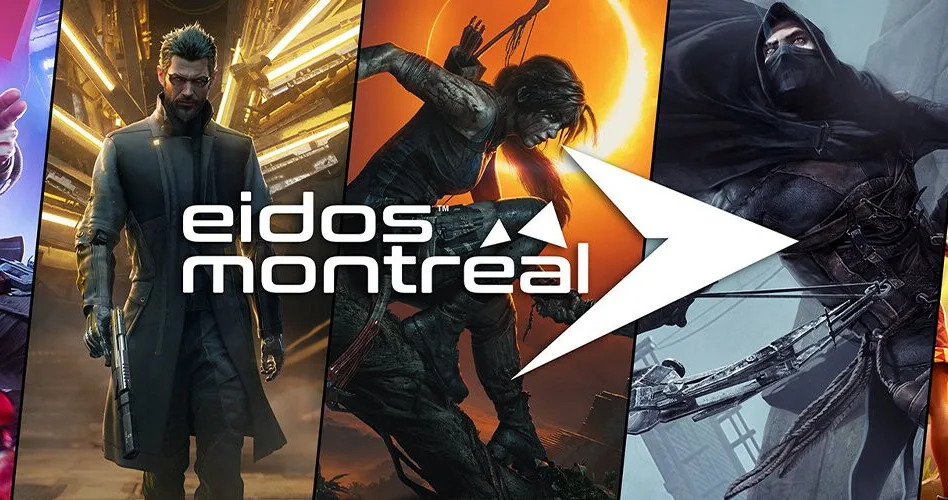
The official announcement from Eidos Montreal on March 30-31, 2026, was brief but devastating. The studio confirmed the elimination of 124 positions, impacting both core production staff and support teams. In the same breath, it was revealed that Studio Director David Anfossi had departed the company. Anfossi’s exit marked the end of an era; his tenure oversaw the development of critically acclaimed titles like Deus Ex: Human Revolution and Marvel's Guardians of the Galaxy, and his leadership was synonymous with the studio's identity for a generation of developers and fans.
The language used—"cost-cutting" and "evolving project needs"—is a standard lexicon in corporate press releases, designed to frame difficult decisions as logical, forward-looking business adjustments. However, this terminology stands in stark contrast to the concrete, human reality: over a hundred skilled developers, artists, and technicians suddenly without jobs, and a studio stripped of its longstanding creative captain. The vagueness of the announcement immediately signaled that the true cause was more significant than routine portfolio management.
The "Wildlands" Saga: Seven Years, Four Engines, and a Mountain of Debt
Beneath the surface, sources revealed the catalyst: the abrupt cancellation of an unannounced project, reportedly codenamed "Wildlands." Described as an original open-world action-adventure title, "Wildlands" was a colossal, seven-year undertaking. Most shockingly, the project was not in early prototyping. Reports indicate it was in the debugging phase—a late-stage process where a game is functionally complete and the team focuses on polishing, fixing bugs, and preparing for release. A cancellation at this stage is exceptionally rare, representing the writing-off of not just money, but of half a decade's worth of creative labor and institutional knowledge.
The journey to this dead end was reportedly fraught with profound instability. Sources indicate the project cycled through four different game engines during its protracted development. Such technical upheaval is a major red flag, often leading to significant wasted resources, constant retooling of assets and code, and profound directional uncertainty. Each engine switch can effectively reset months or years of progress.
This turbulent process came with an astronomical price tag. The project is said to have consumed a budget reportedly reaching into the "hundreds of millions of dollars," placing immense financial strain on the studio and its parent company. In an industry where even successful AAA titles often need to sell 5-10 million copies to turn a profit, a budget of this magnitude creates an almost untenable commercial bar for success. The prolonged, costly development of "Wildlands" ultimately created the financial precipice from which the project was pushed.
The Corporate Decision and a Troubling Pattern
The final decision to cancel "Wildlands" did not originate within Eidos Montreal's walls. It was a call made by Embracer Group, the Swedish conglomerate that acquired Eidos Montreal (along with Crystal Dynamics and Square Enix's western IP) in 2022. Since its acquisition spree, Embracer has embarked on a widespread restructuring program, seeking to reduce debt and improve profitability, which has resulted in numerous studio closures, project cancellations, and layoffs across its vast portfolio.
For Eidos Montreal, "Wildlands" is not an isolated incident but part of a devastating pattern. In 2024, a new Deus Ex project was cancelled. In late 2025, a reported revival of the beloved Legacy of Kain franchise met the same fate. The studio's last lead development credit remains Marvel's Guardians of the Galaxy from 2021. In the intervening five years, despite providing support on titles like Fable, the studio has seen its original, ambitious projects systematically terminated. This pattern paints a picture of a talented studio caught in a corporate strategy that prioritizes financial recalibration over creative gestation, leaving its workforce in a prolonged state of uncertainty.
The Ripple Effect: Morale, Trust, and Industry Implications
The human impact extends far beyond the initial 124 layoffs. For the remaining staff at Eidos Montreal, the cancellation of a seven-year project at the final hurdle is a catastrophic blow to morale and creative trust. Developers invest not just time, but a piece of their professional identity into a project. To see that work invalidated overnight creates a crisis of faith in leadership and process. It begs the question: what is the point of years of crunch, problem-solving, and artistic dedication if the finish line can be erased by a spreadsheet?
The "Wildlands" saga serves as a stark cautionary tale for the entire industry. It highlights the extreme risks of the "all-in" AAA development model, where cycles stretch to half a decade or more and budgets balloon to blockbuster film levels. This model leaves studios exceptionally vulnerable to shifts in corporate strategy, market trends, or leadership changes at a parent company. Furthermore, it underscores the immense power wielded by consolidated holding companies like Embracer Group over the creative destinies of their subsidiaries. The fate of a game—and the livelihoods of those making it—can hinge on decisions made by executives continents away, focused on quarterly reports and shareholder value rather than gameplay loops or narrative arcs.
A Cautionary Tale for the Modern Era
The "Wildlands" debacle provides a grim answer to the question posed at the outset: when a project's financial liability, born from years of mismanagement and scale, outweighs its potential in a conglomerate's portfolio, even a finished game is not safe. The result is a significant brain drain, a loss of veteran leadership, and a studio left to pick up the pieces of its identity.
For Eidos Montreal, the path forward is fraught. The central question is no longer just what game they will make next, but whether they can survive in an ecosystem where the stakes are so catastrophically high. The future of the studio, and many like it, depends on finding an answer.