The AI Memory Crisis: How Nvidia's Third GPU Price Hike of 2026 Is Breaking the Back of the Gaming Market
When a $4,829.99 ASUS ROG Astral RTX 5090 appears on Best Buy's shelves, it is no longer a premium, it is a crisis. Nvidia has just imposed its third wholesale price increase of 2026, this time...

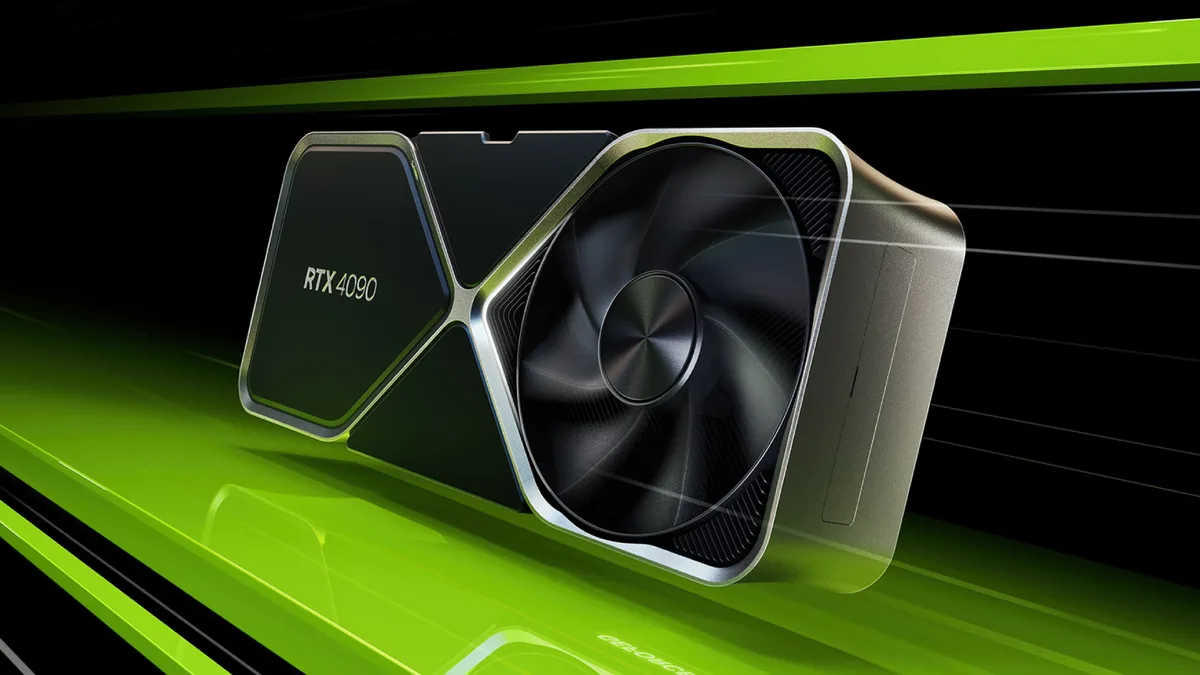
When a $4,829.99 ASUS ROG Astral RTX 5090 appears on Best Buy's shelves, it is no longer a premium, it is a crisis. Nvidia has just imposed its third wholesale price increase of 2026, this time raising GPU kit costs by 20 to 30 percent across the entire GeForce lineup, from the RTX 5050 to the RTX 5090. Unlike previous hikes that only targeted flagship cards, this one hits every tier. The culprit is not scalpers or inflation, it is a structural shortage of video memory, driven by AI data centers consuming the world's GDDR7 production. Gamers, already squeezed by historic pricing, are now collateral damage in the generative AI gold rush.
The Third Strike, What the July 2026 Hike Actually Means
The timeline of 2026 price increases reads like a slow-motion disaster. Early in the year, Nvidia executed a general 10 to 15 percent price bump across its consumer GPU kits. In May, a targeted hike hit the flagship RTX 5090 and RTX 5090 D V2. Now, in July, the company has expanded the increase to a broader 20 to 30 percent, and this time it covers the entire GeForce family, both GDDR7-powered RTX 50-series Blackwell cards and older GDDR6-based models.
The term "GPU kit" refers to the bundle of GPU die and VRAM that Nvidia sells to its AIB partners, companies like ASUS, MSI, and Colorful. When Nvidia raises the price of that kit, those partners have no choice but to pass the cost on to retailers and ultimately to consumers. According to industry sources who spoke with Taiwan's Economic Daily News and BenchLife, the notification went out on July 23, 2026, and distributors are already in panic mode, scrambling to adjust inventory and pricing.
This marks a significant departure from the May hike, which was limited to the highest-end models. By extending the increase to entry-level and mid-range cards, Nvidia has signaled that this is not a temporary adjustment or a flagship tax, it is a structural supply problem. When even a budget card like the RTX 5050 becomes more expensive, the entire consumer GPU market is being reshaped by forces far beyond typical market cycles.
Why This Is Happening: The VRAM Crisis and Its Accelerators
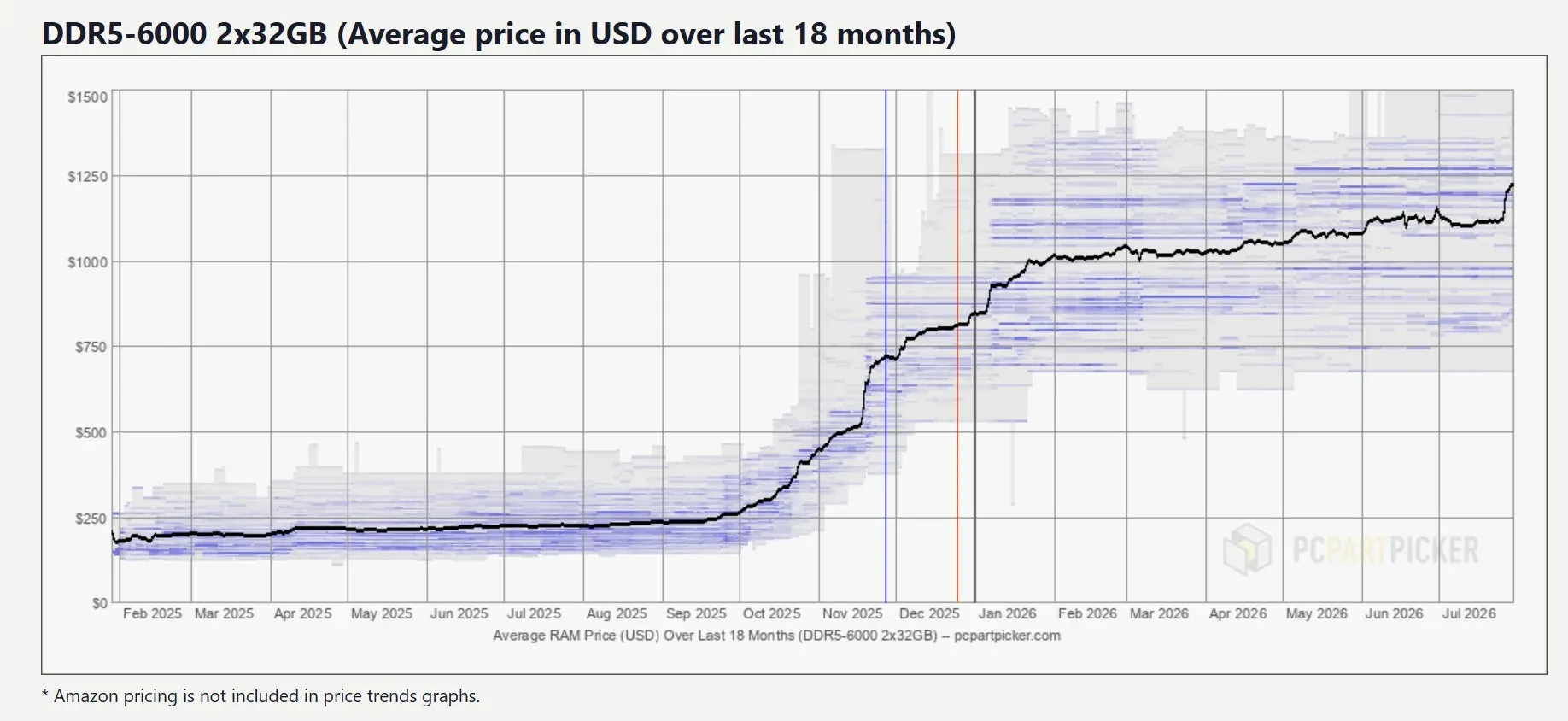
To understand the root cause, look at the cost of memory. A single 3GB GDDR7 module now costs between $60 and $70. Compare that to the roughly $20 per 2GB GDDR6 chip that was standard just two years ago. For a card with 12GB of VRAM, the memory alone can cost $240 to $280 or more. In high-end models, VRAM now accounts for up to 80 percent of the total build cost.
The driving force is a structural shortage. Memory manufacturers like Samsung, SK Hynix, and Micron have prioritized production of HBM and high-margin GDDR7 modules for AI data center customers, who buy in massive volumes and pay premium prices. Consumer GPUs are left to compete for whatever scraps remain. Nvidia's data center business generates the vast majority of its revenue, it is economically rational for the company to allocate scarce VRAM to AI chips. But for gamers, the result is a market where affordable graphics cards are increasingly rare.
Secondary factors compound the crisis. Trump-era tariffs on Chinese imports add 20 to 25 percent to cards assembled or sold in China. US export restrictions on advanced chips to China have hurt Nvidia's sales, contributing to a reported $5.5 billion quarterly earnings dip, which pressures the company to raise prices elsewhere. However, these are aggravating factors, not root causes. Tariffs alone would not produce three separate price hikes in a single year. The underlying driver remains the AI-driven VRAM shortage, and Nvidia cannot easily fix the supply because doing so would require memory manufacturers to divert capacity away from more profitable AI customers. The company is caught in a conflict of interest: its data center business is far more lucrative than consumer gaming, and it will prioritize the former every time.

Real-World Pain, Retail Prices Climb Sharply
The impact is already visible in retail prices across multiple regions. Take the RTX 5070 Ti, a 16GB GDDR7 card that was already expensive at launch. In November 2025, it sold for roughly $1,064 in China. A week before the latest hike, that price had risen to about $1,374. Now, after the increase, it sits at approximately $1,581, a 48 percent increase in just seven months.
In China, where tariffs and export restrictions add additional pressure, the situation is even more acute. MSI and Colorful have announced distributor price increases of 8 to 20 percent across the RTX 5070, 5070 Ti, and 5080. Premium AIB models are selling for up to 59 percent above MSRP. In the United States, Best Buy has raised prices on RTX 5080 and RTX 5090 models. The ASUS ROG Astral RTX 5090 now lists at $4,829.99, more than double the original $1,999 MSRP.
These retail figures reflect the wholesale hike, but more increases may be on the way as existing inventory turns over and new stock arrives at the higher kit prices. No market is safe. Regional disparities exist, China sees the steepest increases due to tariffs and export restrictions, but US and European prices are also climbing. The global nature of the VRAM crisis means that gamers everywhere are feeling the pain.
What Now for Gamers? The New Normal and Possible Escapes
The outlook is bleak. Prices are unlikely to drop until the AI investment cycle slows or memory manufacturers add new fab capacity, a process that takes years. Consumer GPUs have become luxury goods, and building an affordable gaming PC is growing more difficult.
Adaptive strategies exist but come with caveats. Buying used or previous-generation cards, such as the RTX 30-series, might seem like a safe bet, but even GDDR6-based cards are affected by the latest round of hikes. Considering AMD or Intel alternatives offers little relief, as AMD's RX 8000 series also uses GDDR7 and faces similar supply pressures. Waiting might be the only option, but analysts see no relief for at least 12 to 18 months.
The wider cultural impact is significant. PC gaming is becoming inaccessible to casual or budget-conscious players. Some may shift to cloud gaming services or console alternatives, but those platforms also rely on GPU supply chains. The structural crisis affects everyone.
Gamers need to understand that this is not simple corporate greed. It is a structural market failure driven by AI's insatiable appetite for memory. Nvidia is no longer primarily a gaming company, it is an AI infrastructure provider that happens to sell consumer cards on the side. Until the memory supply chain recalibrates, prices will stay high, inventory will remain scarce, and the next generation of graphics cards will cost even more. The lesson for gamers is uncomfortable but clear: expect a fourth price hike before the year is out, and plan accordingly, because the era of affordable GPUs is over for the foreseeable future.