The 7 Most Iconic Shonen Anime Characters of the 2000s: Defining a Generation
The Unshakable Pillars: Protagonists of the "Big Three" The foundation of the 2000s shonen boom was built on the shoulders of three protagonists whose journeys became weekly rituals for millions....

The Unshakable Pillars: Protagonists of the "Big Three"
The foundation of the 2000s shonen boom was built on the shoulders of three protagonists whose journeys became weekly rituals for millions. They represented a template of determined heroism that was both accessible and profoundly compelling.
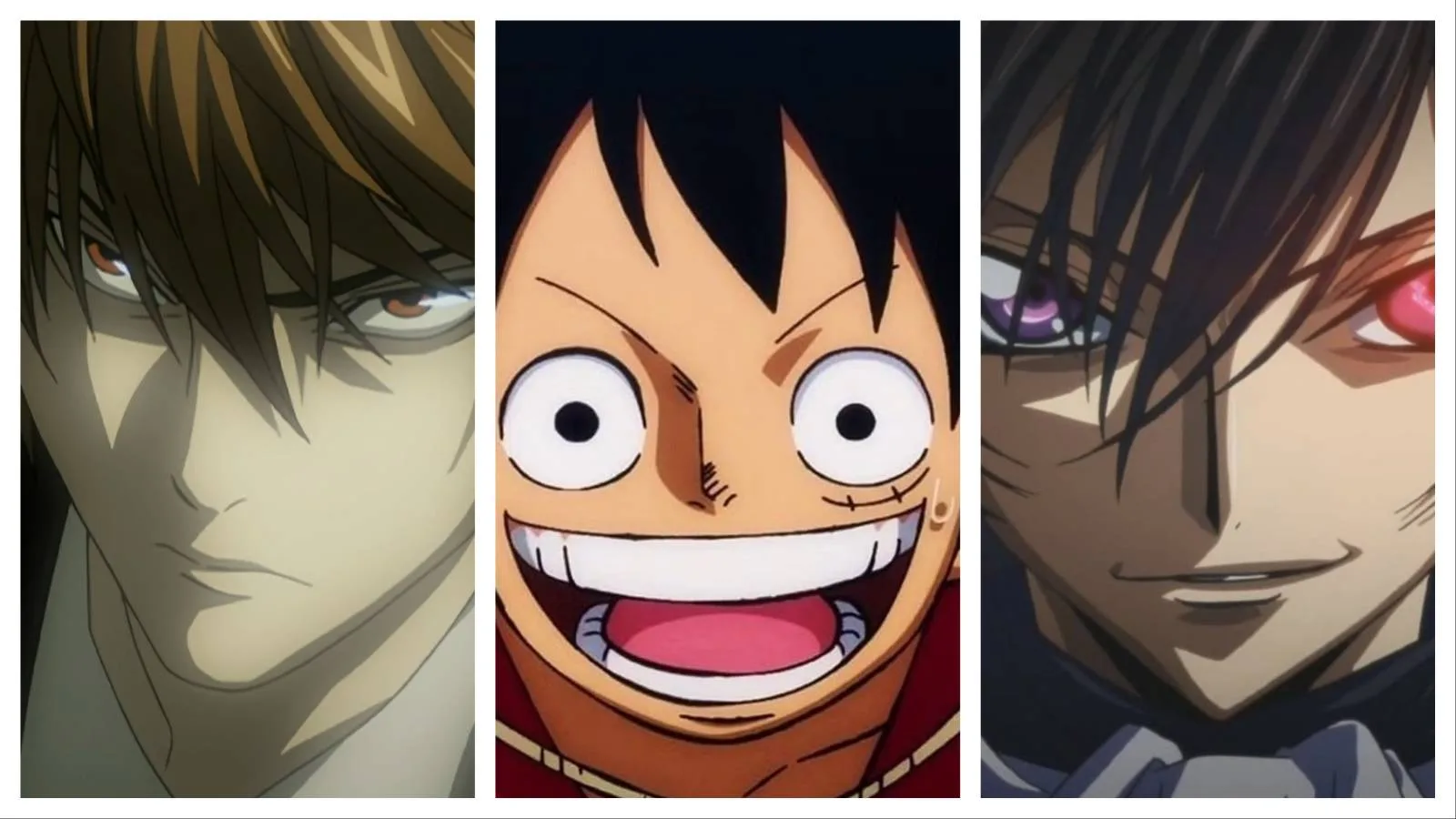
Monkey D. Luffy of One Piece embodied a pure, almost primal drive: the dream of ultimate freedom. His quest to become the Pirate King was less about conquest and more about adventure, camaraderie, and rejecting the world's constraints. In contrast, Ichigo Kurosaki from Bleach was defined by a protective instinct born from profound grief. His "cool punk" exterior masked a deep-seated drive to shield others from the pain he had experienced, powering his journey from substitute Soul Reaper to a key figure in a cosmic war.
Completing this foundational trio, Naruto Uzumaki’s journey was fueled by a profound longing for acknowledgment. His dream to become Hokage was less about the title itself and more a desperate quest to force the village that shunned him to see his worth. This made his unwavering determination and gradual growth through bonds a deeply relatable core for the series.
These three characters shared a straightforward, relentless determination. Their moral compasses were clear, their resolve unshakable, and their growth was measured in increasingly spectacular power-ups. This classic heroic formula provided a perfect entry point for a massive new Western audience, cementing the "never give up" ethos as the genre's beating heart for the decade.
The Alchemist and The Digger: Perfecting the Hero's Journey
While the "Big Three" showcased epic, long-form storytelling, the 2000s also delivered masterclasses in concise, powerful narratives. These series presented protagonists whose arcs were so perfectly crafted they became benchmarks for the genre.
Edward Elric of Fullmetal Alchemist: Brotherhood represents the pinnacle of a complete character journey. As noted in critical analyses, the series is a landmark, top-tier story told in a tight 64 episodes without filler. Edward’s cockiness, born from prodigious talent, is systematically tempered by humility in the face of devastating loss and the harsh laws of equivalent exchange. His arc is not just about defeating a villain, but about learning, atoning, and growing from a brash boy into a wise young man. He is the benchmark for a well-written shonen hero whose internal and external conflicts are resolved with profound narrative satisfaction.
On a different scale of escalation is Simon the Digger from Tengen Toppa Gurren Lagann. Simon embodies the most emotionally inspiring version of the shonen growth archetype: the journey from zero to universe-saving hero. Starting as a timid, insecure boy buried underground, his evolution is a direct, explosive metaphor for self-actualization and boundless human potential. Simon’s path teaches that growth isn't just about power, but about courage, leadership, and the will to shape destiny itself. Together, Edward and Simon represent the decade's ability to perfect the traditional underdog narrative, whether through nuanced character study or unabashed, inspirational spectacle.
The Rise of the Dark Genius: A New Type of Shonen Icon
The mid-to-late 2000s witnessed a seismic shift in shonen storytelling with the rise of the "dark genius" anti-hero. This archetype moved the conflict from physical battles to psychological and philosophical warfare, appealing to an older audience and dramatically expanding the definition of a protagonist.
Lelouch Lamperouge (also known as Lelouch vi Britannia) from Code Geass is a master strategist and compelling anti-hero. His character is defined by a stark contrast: a deep, genuine love for his sister Nunnally that fuels a campaign of revolution built on manipulation, terrorism, and morally dubious acts. As the masked revolutionary "Zero," Lelouch uses his brilliant intellect not for pure heroism, but for a very personal vengeance and geopolitical restructuring, forcing viewers to grapple with the cost of change.
His spiritual counterpart, Light Yagami of Death Note, takes the concept further into outright antagonism. Beginning as a brilliant high school student, Light’s acquisition of the Death Note corrupts him into a self-appointed god of a new world, his moral compass shattered by absolute power. The popularity of these two characters signaled a hunger for complexity. Audiences were no longer satisfied with simple good-versus-evil dynamics; they were captivated by strategic brilliance, moral ambiguity, and the philosophical questions about justice, power, and ends justifying means.
The Masterful Antagonist: Complexity in Conflict
If the dark genius redefined the hero, the 2000s also revolutionized the villain. The era moved beyond one-dimensional forces of evil to antagonists whose depth could eclipse the protagonists, with Itachi Uchiha from Naruto standing as the prime example.
Initially introduced as a cold-blooded rogue ninja who slaughtered his entire clan, Itachi was the epitome of a terrifying villain. However, the gradual revelation of his true motivations—acts of unimaginable sacrifice committed to prevent a civil war and to protect his brother, Sasuke—redefined him as the ultimate anti-villain. His internal conflict and tragic burden created a template for sympathetic, layered antagonists. Itachi’s story elevated Naruto’s narrative stakes from personal rivalry to a heartbreaking exploration of duty, love, and the blurred lines between heroism and atrocity.
Characters like Itachi were crucial in maturing the shonen genre. They ensured that conflict had emotional and philosophical weight, making victories feel bittersweet and defeats resonate deeply. This commitment to nuanced storytelling ensured that the battles of the 2000s were remembered not just for their scale, but for their profound human cost and moral complexity.
The legacy of 2000s shonen is a rich tapestry woven from these seven iconic threads. It was a decade that mastered balance: the pure, aspirational dreams of Luffy, Naruto, and Simon coexisted with the perfected narrative arc of Edward Elric, while the groundbreaking complexity of anti-heroes like Lelouch and Light, and villains like Itachi, pushed the genre into daring new territory. They collectively demonstrated that shonen could be both a gateway to simple, thrilling adventure and a medium for sophisticated character drama. These figures did more than define their own series; they set a new standard for character writing, world-building, and emotional stakes, creating a blueprint that continues to inspire the anime landscape today. As we look at modern shonen hits, one must ask: does the next generation of icons follow their template, or are they forging a completely new path?
Tags: shonen anime, 2000s anime, iconic anime characters, anti-hero, anime analysis