StarLords to Starlost: How a Steam Roguelike's Rebranding Race Against Disney Became a Community Story
The Game That Sparked the Crisis Before it became a case study in legal peril, "StarLords" was simply a promising indie title. Developed by Dark Dimension, it is a hand-drawn, sci-fi roguelike that...

The Game That Sparked the Crisis
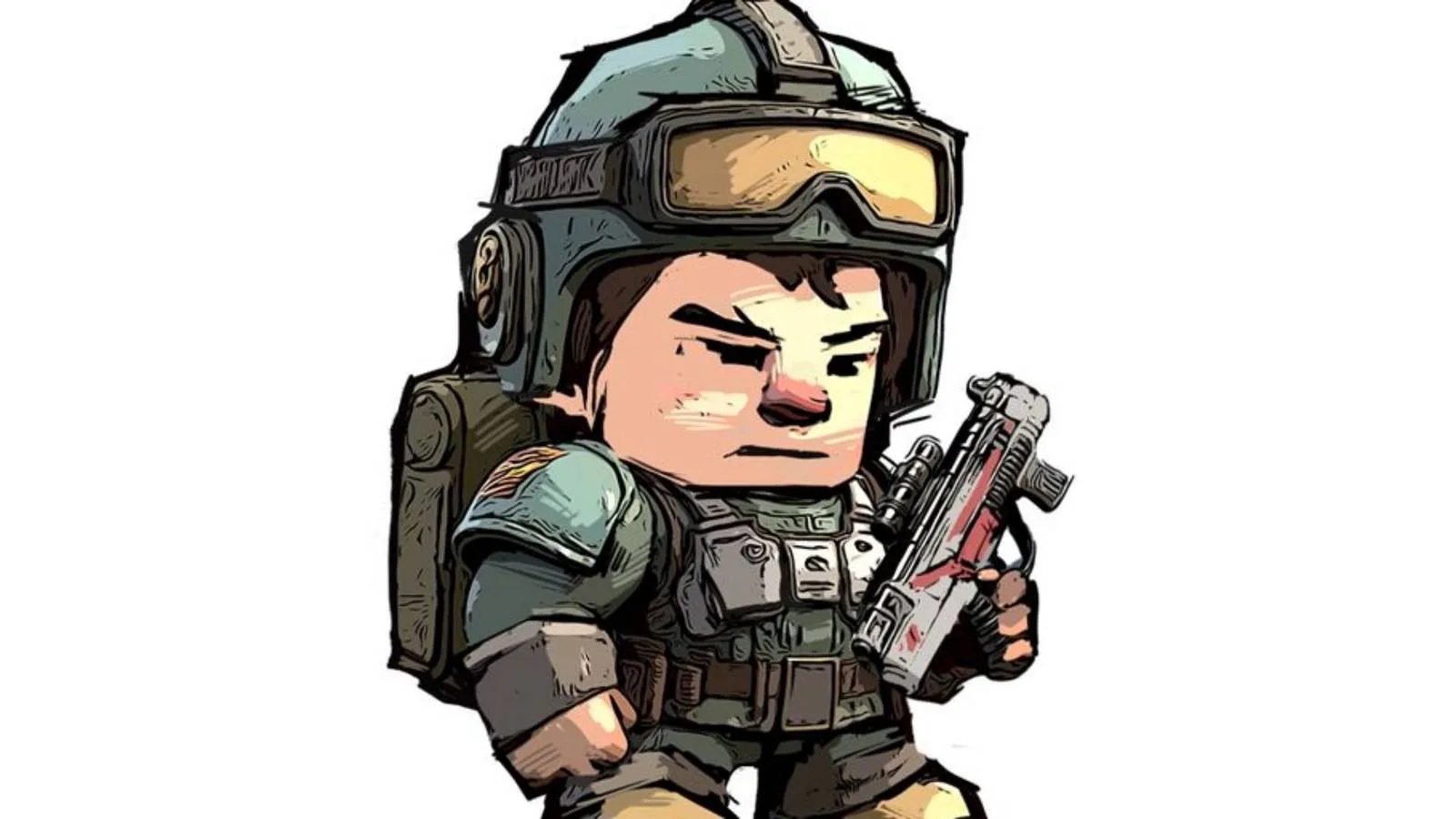
Before it became a case study in legal peril, "StarLords" was simply a promising indie title. Developed by Dark Dimension, it is a hand-drawn, sci-fi roguelike that combines frantic bullet-hell combat with strategic base-building mechanics, drawing clear inspiration from titles like Enter the Gungeon. Its cartoonish art style belies a deep gameplay loop where players select from 10 unique commanders—such as the terraforming Spore Entity or the unit-swarming Clone Master—to conquer a challenging, procedurally generated campaign.
Crucially, the game is not in early access limbo. The core campaign, core gameplay loop, and all commanders are finished, with a demo available on Steam. The team had built significant community goodwill through a Kickstarter campaign with a notably modest goal of just under $2,000, which was successfully funded. "StarLords" was, by all accounts, ready for its moment. Then, the developers looked up from their code.

"We Don't Watch Marvel Movies": The Discovery and Panic
The revelation came with a jarring dose of honesty. In their public appeal, a developer from Dark Dimension admitted, "No one on the team watches Marvel movies." This cultural blind spot meant the connection between their title "StarLords" and Marvel's beloved Guardians of the Galaxy character, Star-Lord, had gone completely unnoticed until the eleventh hour.
Faced with this discovery, the small Chinese studio opted for a strategy of extreme caution. They stated they had not consulted a lawyer but preferred to "play it safe and rebrand" to avoid a potentially devastating lawsuit. Community reactions on platforms like Reddit expressed sympathy and frustration, largely directed at the intimidating legal landscape rather than the developers. The situation underscores the precarious position of a small, independent studio operating in a global marketplace where an inadvertent clash with a trademark held by a corporate entity like Disney can spell financial ruin. The fear isn't necessarily that they would lose a lawsuit, but that the sheer cost of defending against one could be catastrophic.
Turning Legal Peril into Community Engagement
Confronted with this crisis, Dark Dimension executed a pivot that was both born of necessity and marked by clever community management. Instead of quietly working on a rename behind closed doors, they turned their vulnerability into a public call to arms. They began publicly soliciting new name suggestions from fans, offering a reward of a free Steam key and a credit listing for any submission that was chosen.
The response was immediate and characteristically internet. Suggestions flooded in, ranging from serious, thematic contenders like Space Carnage and BulletLords to knowingly humorous and problematic submissions like starwars and StarCraft, highlighting the minefield of existing IP. This open process transformed a moment of weakness into a powerful participatory event. It deepened player investment, making the community feel like co-authors in the game's survival story. What began as a defensive move against potential legal action morphed into an unconventional but effective marketing campaign, fostering a sense of shared mission between the creators and their audience.
The Road Ahead: Rebranding and Future Content
The practical challenges of this eleventh-hour rebrand are significant. Changing a game's name post-completion involves overhauling the Steam store page, updating all promotional assets, and rebuilding awareness—a daunting task for a small team on the cusp of launch. The community-driven naming process has already yielded a leading temporary title: "Project Starlost."
Yet, the developers have framed this hurdle within the context of their broader vision. The future of the project is tied to the success of its Kickstarter. The modest funding goal is intended to finance additional content, including the highly requested features of custom planetary headquarters and co-op multiplayer. This saga now poses a fascinating long-term question: will this event, and the new name born from a public scramble, become a defining part of the game's identity and legacy within the indie community? The story of its rebranding may forever be intertwined with its narrative of development.
The "StarLords" saga is a quintessential indie developer story for the modern age. It highlights the unseen legal and cultural pitfalls that small, passionate teams can stumble into, regardless of the quality of their work. More importantly, it demonstrates the immense power of transparent, honest community engagement in navigating a crisis. In an industry where corporate legal departments often feel like an impenetrable force, Dark Dimension’s response—turning to their players for salvation—shows how internet culture and community spirit can shape a game's journey as profoundly as its code. Whether the final title is Space Carnage, BulletLords, or the community-favored Starlost, its origin story is now permanently etched in the annals of indie game lore.