Star Wars: Fate of the Old Republic - Everything We Know About the KOTOR Spiritual Successor
The final moments of The Game Awards 2025 delivered a tremor in the Force that veteran Star Wars gamers felt in their bones. Then, as the haunting strings of a familiar theme swelled, a title...


The final moments of The Game Awards 2025 delivered a tremor in the Force that veteran Star Wars gamers felt in their bones. Then, as the haunting strings of a familiar theme swelled, a title appeared that many had dreamed of but few dared to expect: Star Wars: Fate of the Old Republic. More than just a new game, the announcement felt like a homecoming—a promise to return to the hallowed narrative ground of BioWare’s legendary RPGs. The teaser was brief, but the implications were galactic in scale, immediately igniting a firestorm of excitement, speculation, and one burning question: is this the true successor to Knights of the Old Republic we’ve been waiting for?
While concrete details are still emerging from hyperspace, the initial reveal has given us a compelling blueprint. This isn’t just another Star Wars shooter or action-adventure; it’s a deliberate, passion-driven project aiming to recapture the magic of a beloved era. Let’s break down everything we know so far about this ambitious journey back to a galaxy far, far away.
The Reveal and the Visionaries Behind It
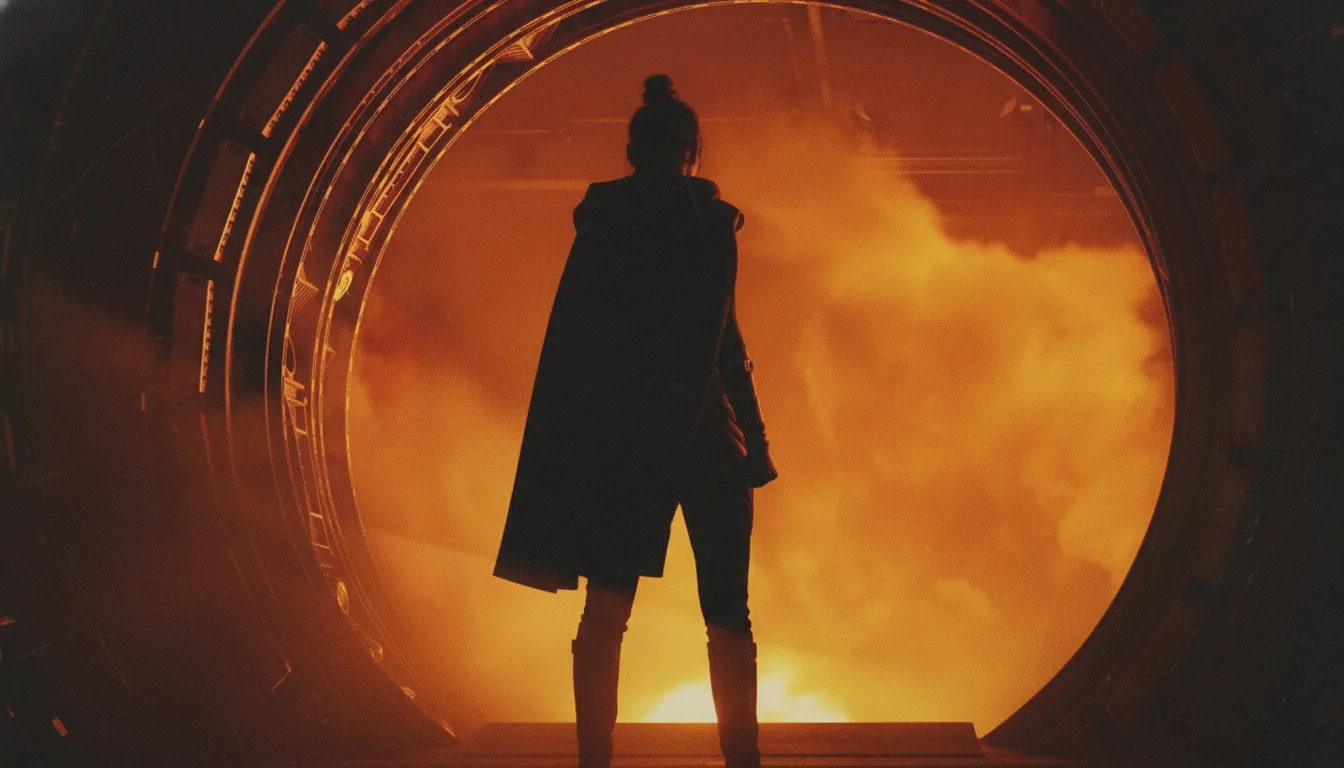
The official unveiling on December 12, 2025, was a masterclass in nostalgic tease. The cinematic trailer, rendered in Unreal Engine 5, offered no dialogue or gameplay, but its imagery spoke volumes: a lone, caped figure on a windswept ridge, a robotic companion at their side, and finally, the iconic snap-hiss of a blue lightsaber piercing the gloom. It was a statement of intent—classic Star Wars fantasy, steeped in the aesthetic of the Old Republic. The brief but powerful teaser can be viewed here and perfectly sets the tone for the project.
The names attached are what transformed excitement into genuine fervor. Development is being led by Arcanaut Studios, a new studio founded specifically for this project. Its co-founder and the game’s creative director is Casey Hudson. For RPG fans, that name carries immense weight. Hudson was the project director of the original Star Wars: Knights of the Old Republic in 2003 and the visionary lead behind the Mass Effect trilogy. His return to the franchise he helped define is arguably the most significant part of this announcement. This is a creator coming back to the genre and setting he helped pioneer, now in collaboration with Lucasfilm Games. It signals a project built on a foundational understanding of what made KOTOR resonate so deeply.
The Reveal and the Visionaries Behind It
What Is Fate of the Old Republic? Setting and Story
Lucasfilm Games and Arcanaut have been clear on one crucial point: Fate of the Old Republic is a spiritual successor, not a direct sequel, to Knights of the Old Republic. This means we should not expect the continuation of Revan, Bastila, or the Exile’s stories. Instead, the team is crafting an all-new narrative with new characters, aiming to capture the essence and feeling of those classics within a fresh framework.
The setting is deliberately evocative. The game takes place at the “end of the Old Republic era,” in a galaxy described as “on the brink of rebirth.” This temporal placement is fascinating. It suggests a period of profound transition, chaos, and opportunity—the perfect backdrop for a story shaped by player choice. We know players will control a Force user, stepping into a universe where the foundational structures are crumbling, and the path forward is unwritten. The blue lightsaber in the teaser may hint at a default leaning toward the light, but in a Casey Hudson RPG, nothing is ever that simple.
Core Gameplay and RPG Philosophy
Fate of the Old Republic is officially described as a brand-new epic narrative single-player action RPG. The emphasis is squarely on story and character. While the "action" prefix suggests combat may be more real-time and fluid than KOTOR’s paused, dice-roll-based system, the heart of the experience lies elsewhere.
The developers have highlighted one core pillar above all else: player agency and choice-driven narrative. This is the DNA of Hudson’s previous work. Your decisions, big and small, will directly impact your protagonist’s journey and, most importantly, their alignment with the light or dark side of the Force. This moral tug-of-war was the soul of KOTOR, and its evolution in Mass Effect with Paragon and Renegade systems shows Hudson’s long-standing commitment to making players feel the weight of their choices. We can speculate that this system will be more nuanced and deeply woven into the narrative and character relationships than ever before, potentially affecting not just the ending, but the very nature of your powers, your companions’ loyalty, and the state of the galaxy you leave behind.
Development Status, Platforms, and the Big Unknowns
Here is where fans need to temper their immediate expectations with patience. The project is confirmed to be in the early stages of development. Arcanaut has stated the team is still being built, meaning core design, writing, and prototyping are likely the current focus. For a narrative-rich, choice-driven RPG of this scale, "early development" suggests a long road ahead.
The game is announced for “PC and consoles.” While specific platforms weren’t listed, it is universally anticipated to target the current generation of hardware: PlayStation 5, Xbox Series X|S, and PC. A release on last-gen consoles seems highly unlikely given the project’s nascent state and the use of Unreal Engine 5.
This leads to the most critical and definitive fact we have: There is no announced release date, window, or price. Any speculation about a 2027 or even 2028 release is just that—speculation. The journey from early development to a polished, sprawling Star Wars RPG is a marathon, not a sprint. The radio silence on a date isn’t a cause for concern; it’s a responsible acknowledgment of the work required to do this vision justice.
Star Wars: Fate of the Old Republic exists right now as a potent promise—a beacon for fans who have longed for a return to deep, single-player Star Wars storytelling. The alignment of the Old Republic setting, the narrative-first RPG design, and Casey Hudson’s guiding hand creates a potential that feels almost too good to be true. Yet, the key word is potential. This is a dream in its earliest formation. The waiting game has truly begun, but the foundation—Hudson's vision, the revered setting, and a focus on consequential choice—suggests that this fateful era will be worth the journey. Our next glimpse into this galaxy cannot come soon enough.
Tags: Star Wars, Fate of the Old Republic, Knights of the Old Republic, RPG, Casey Hudson